


TEHRAN/WASHINGTON – Iranian President Masoud Pezeshkian said on Friday that Iran will negotiate with the United States, but remains wary of Washington, stressing that Tehran will honor its commitments only if the other side does the same.
Pezeshkian made the remarks in a televised interview broadcast Friday night, responding to questions about whether ongoing diplomatic efforts could revive the peace memorandum of understanding signed by Iran and the US in June and restore the Iranian nation's rights.
"We can move forward" if Iran's actions are met with reciprocal and proportional actions from the other side, the Iranian president said, acknowledging that the two sides might not achieve all their objectives.
Under the MoU, the US was expected to lift a naval blockade and oil and petrochemical sanctions against Iran and release Iranian frozen assets.
Pezeshkian said Iran had exported nearly 90 million barrels of oil during the period when the agreement was being implemented.
"The main issue is that we must be committed to the MoU we have written. When we sit down at the negotiating table, we can talk to them," he said.
On June 18, the US and Iran signed the deal on ending the war in the region on all fronts, including Lebanon. Under the MoU, they were scheduled to hold negotiations within 60 days, which ended on Aug 17, to reach a final agreement. The talks' fate remains unclear following the escalation between the two countries last month.
Pezeshkian's comments came as Iran continues to grapple with economic pressures at home.
In a separate message Friday marking Government Week, Iranian Supreme Leader Mojtaba Khamenei called for "serious" attention to economic and livelihood challenges, including inflation, unemployment and the management of prices and markets.
Iran needs stronger economic growth, increased investment and a production boost, Khamenei said, describing greater reliance on domestic production as key to addressing the country's economic difficulties. Where domestic production cannot meet demand, imports should be used "properly and wisely," he said.
Khamenei also called for maintaining national unity and protecting social cohesion, warning against using statements that lead to hopelessness and weaken national and public motivation.
US imposes new economic sanctions on Iran
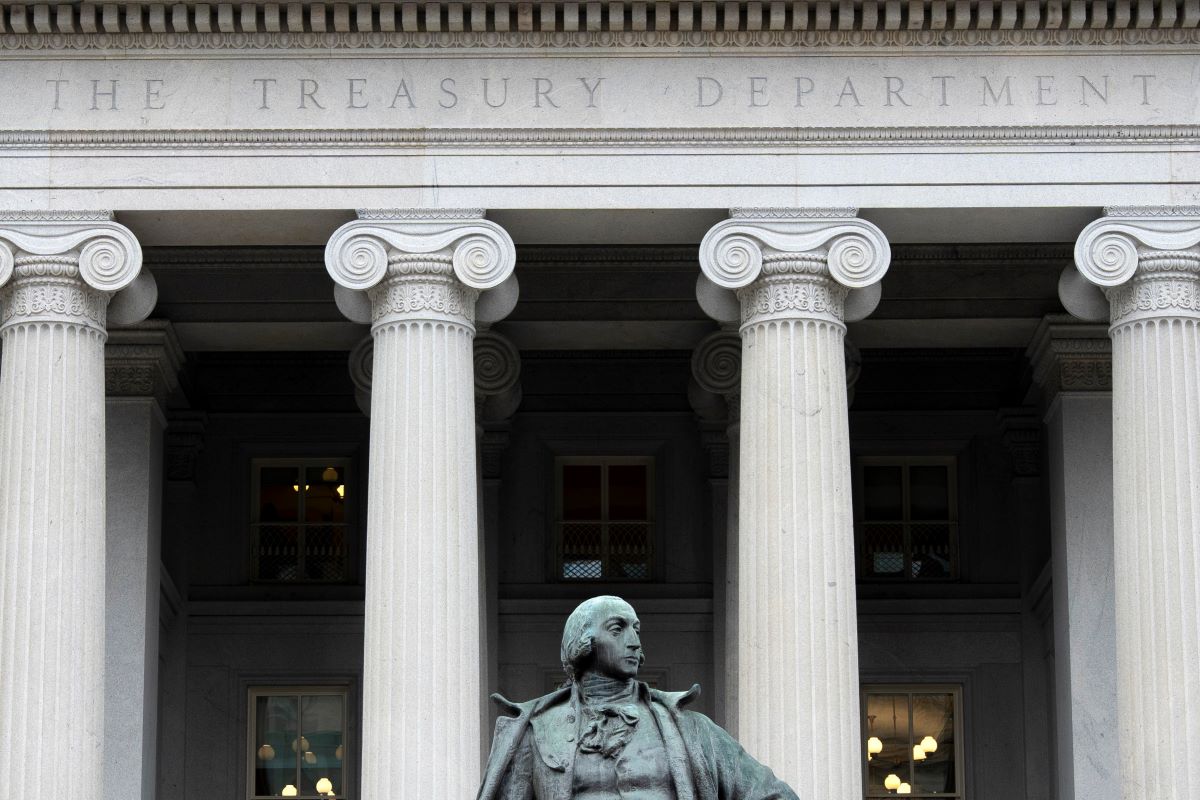
The US Treasury Department's Financial Crimes Enforcement Network on Friday proposed a rule that would revoke Banque Misr UAE's correspondent banking access to US financial institutions as part of a new sanctions campaign targeting Iran.
Reacting to the new sanctions, Iranian Foreign Minister Seyed Abbas Araghchi condemned the US campaign as "economic terrorism" and called on the United Nations to denounce the US actions.
Referring to the campaign dubbed "Operation Economic Outcast”, US Treasury Secretary Scott Bessent said: “Treasury promised to sever every economic lifeline Tehran has left and finally end the threat of the Iranian regime.”
"We also warned that Iran's enablers cannot continue to enjoy access to the US dollar and the global financial system," Bessent said.
"Banque Misr UAE decided to find out the hard way, and today, we are taking the first step in holding it accountable for its continued, egregious support of the Iranian regime."
According to the department, Banque Misr UAE is "a critical node" for Iran's access to US dollars. Between January 2024 and June 2026, the bank processed approximately $1.8 billion in transactions for 103 companies that the department said may be part of Iranian shadow banking networks.
The proposed action against the bank would cut off what the department described as a key financial lifeline and sanctions evasion vehicle for Iran.
Separately, the Treasury Department's Office of Foreign Assets Control on Friday also sanctioned Iranian national Reza Mohammad Taeedi, general manager of Bank Melli's Dubai branch, claiming that the bank had facilitated billions of dollars in transactions through accounts controlled by the Islamic Revolutionary Guard Corps' Quds Force.
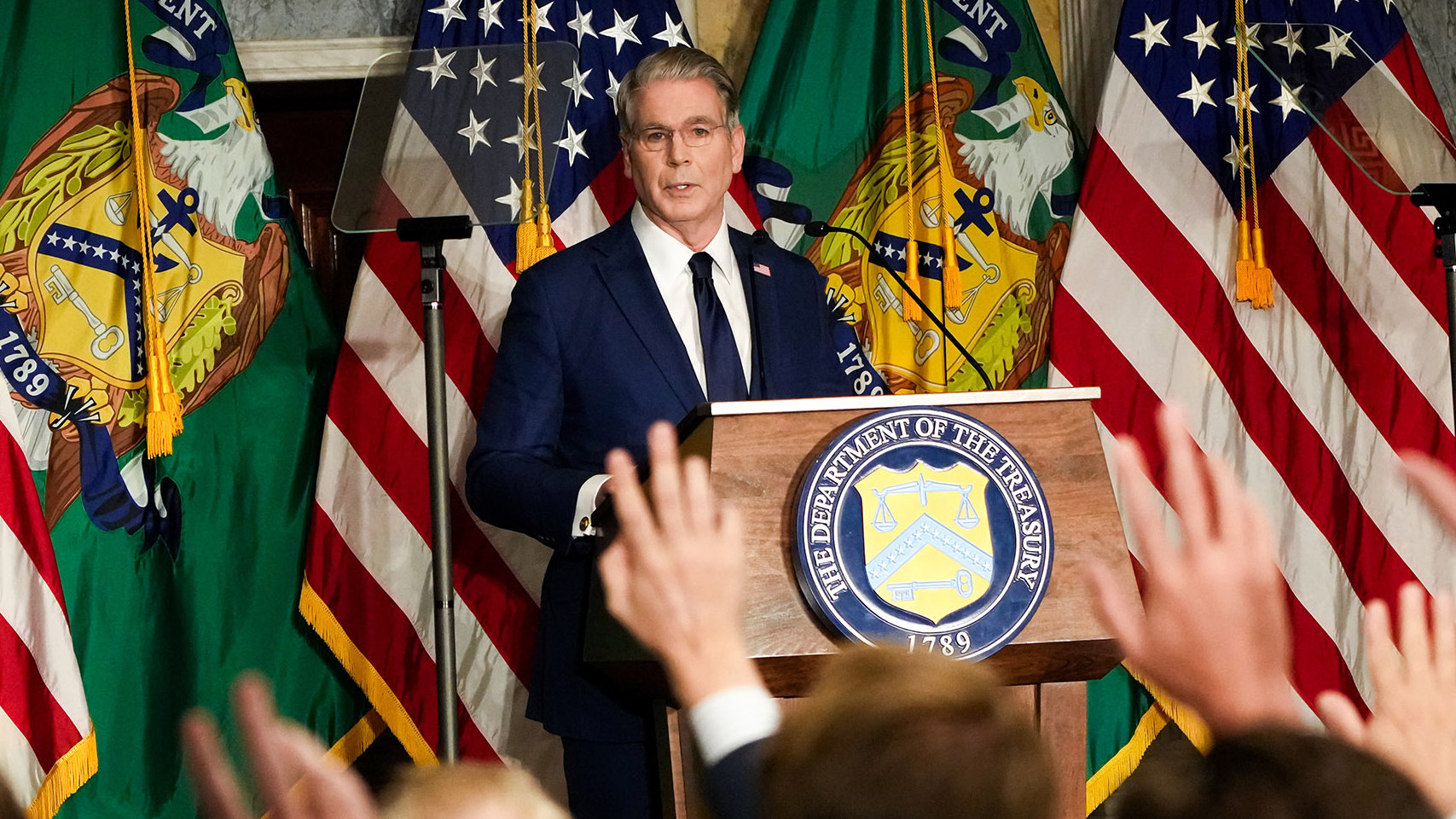
Bessent announced "Operation Economic Outcast" on Monday, saying the campaign was aimed at severing Iran's remaining financial lifelines. He warned that any entity facilitating money laundering or sanctions evasion on behalf of Iran would be cut off from the US financial system.
Earlier this month, US President Donald Trump said the US would launch "the most crushing economic operation ever" against Iran, describing it as an "economic warfare and isolation on an unprecedented scale."
Iran urges nations not to join US’ ‘illegal’ sanctions
The Iranian Foreign Ministry on Friday urged countries not to join Washington's unilateral sanctions against Iran.
In a statement, the ministry condemned US sanction policies against Iran, saying they were "in violation of the UN Charter, international humanitarian law and human rights."
The ministry accused the US of using the dollar as a tool to intimidate other countries into following "interventionist" policies against Tehran.
It called on all countries to refrain from implementing the sanctions or recognizing the situations or impacts resulting from "these illegal actions."
‘Diplomacy still possible’
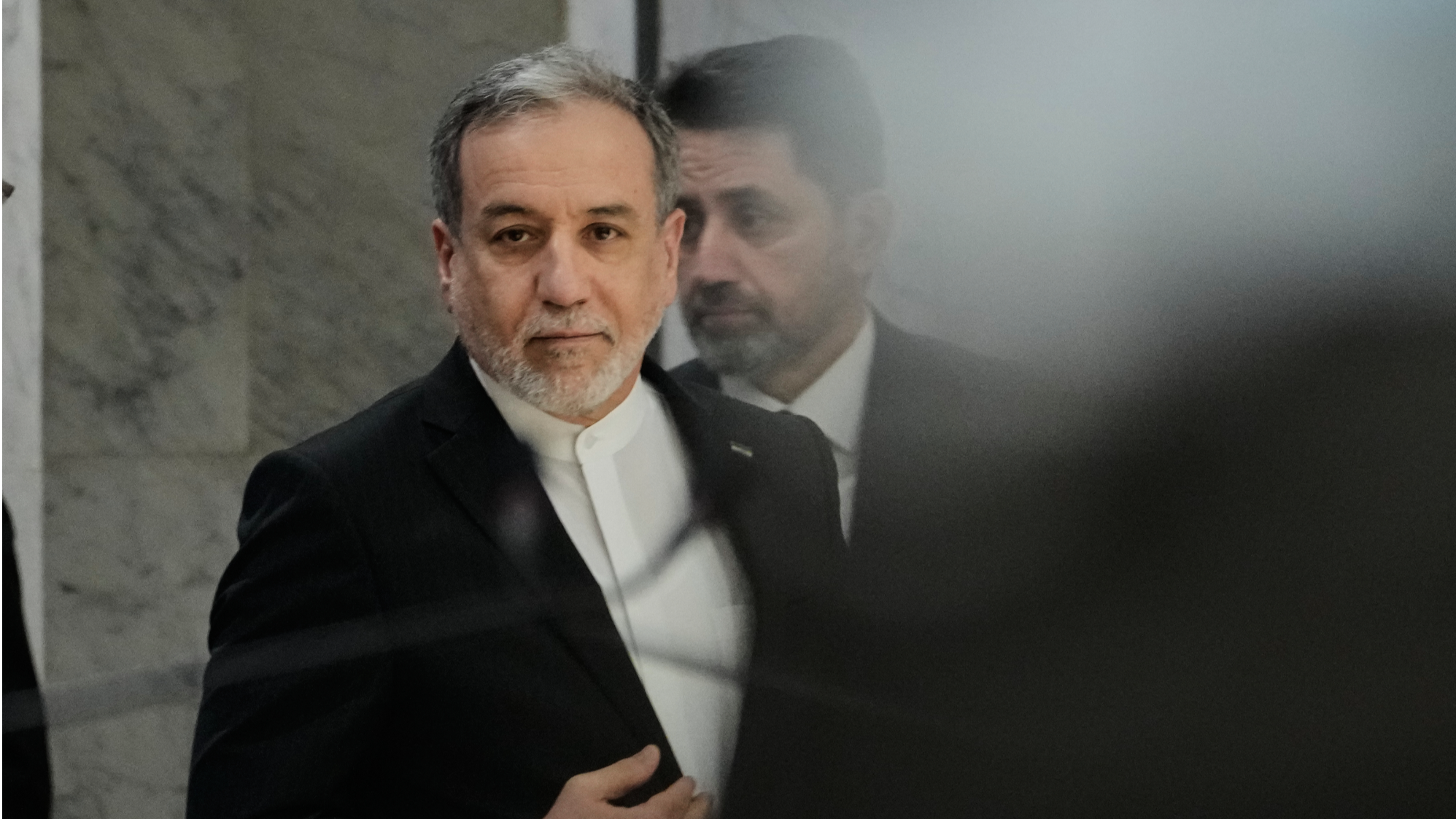
Iranian Foreign Minister Araghchi also said on Friday that diplomacy with the US can get back on track if Washington realizes that pressure against Tehran does not work.
He made the remarks in a post on X, referring to his meeting on Thursday with Qatari Prime Minister and Minister of Foreign Affairs Sheikh Mohammed bin Abdulrahman bin Jassim Al Thani in Tehran, during which the two sides held "creative discussions."
"Putting diplomacy back on track isn't impossible. It hinges on US understanding of one simple fact: pressure doesn't work,” Araghchi said.
He called on the US to build trust, speak respectfully, acknowledge Iran's rights, and uphold its commitments toward the country.
