

Northern Metropolis and innovation will create opportunities for growth
Hong Kong’s first-ever five-year plan is expected to open up new space for the city’s growth and generate major opportunities for global investors and businesses by setting out a clearer policy direction.
The Hong Kong Special Administrative Region government has said it aims to publish the First Five-Year Plan for Economic and Social Development (2026-30) in September, following a two-month public consultation that ends on Friday.
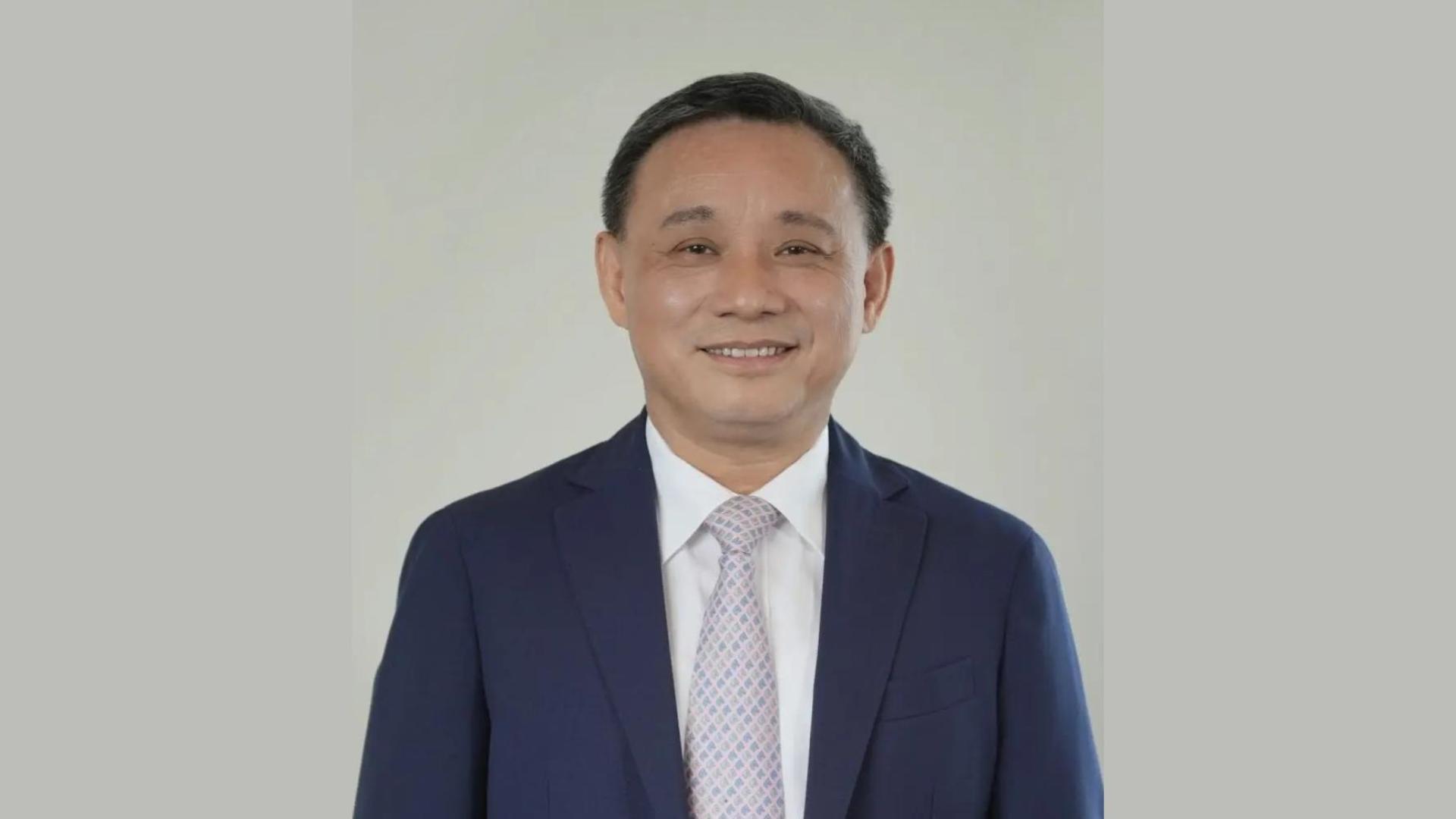
In an exclusive interview with China Daily, Mao Zhenhua, professor of practice in economics at HKU Business School, said one of the biggest breakthroughs in the consultation paper is prioritizing spatial planning among six major policy areas.
At the heart of the effort is the Northern Metropolis, a mega development zone in the northern New Territories that is eventually expected to house 2.5 million people. Mao, also a member of the Chief Executive’s Policy Unit Expert Group, said the project will give Hong Kong new growth space and reduce the city’s longstanding reliance on the densely reclaimed land in the south.
ALSO READ: September set as target for HKSAR's inaugural five-year plan release date
To break the constraint more quickly, the Northern Metropolis has adopted a “large-scale land disposal approach”, which develops sizable residential and industrial sites in an integrated manner, rather than parcel-by-parcel sales under the traditional land-sale model.
The Hong Kong SAR government has also introduced mechanisms such as “insitu land exchange” and dedicated industrial park companies to speed up development, with the aim of delivering more than 70,000 homes and 1 million square meters of economic floor area within the next five years.
“The new approaches will make land development more efficient and boost investor confidence, opening up vast opportunities for market players,” Mao said.
READ MORE: Expert: HKSAR can contribute to ‘Health China’ in 15th Five-Year Plan
The plan also places innovation and technology at the center of the Northern Metropolis. A proposed university town is expected to serve as a key engine, while the permanent campus of Hong Kong’s third medical school and the integrated medical teaching and research hospital will support the growth of a cluster focused on life and health technology and medical innovation.
For investors, Mao said the blueprint’s emphasis on filling gaps in the innovation and technology sector is worth watching. Hong Kong has strong basic research capabilities and an active venture capital environment, but high costs and a limited manufacturing base have made it difficult to turn research findings into industrial activities.
The consultation document proposes faster and more efficient development of the Hong Kong Park of the Hetao Shenzhen-Hong Kong Science and Technology Innovation Cooperation Zone as well as San Tin Technopole, in a bid to create a complete innovation and technology ecosystem spanning upstream, midstream and downstream industries. Mao said the move will help address the weakness in commercializing research and technology.
READ MORE: Lee: LegCo to fully back SAR govt in drafting HK's 1st five-year plan
In addition to infrastructure connectivity, the consultation document also calls for closer alignment of rules and standards, as well as smoother flows of people, goods, capital and information in the Guangdong-Hong Kong-Macao Greater Bay Area.
“By leveraging its strengths in education and science and technology alongside the Greater Bay Area’s structural demand, the Northern Metropolis can achieve rapid development and become a key economic engine for Hong Kong’s future,” Mao said.
Beyond regional cooperation, the economist said the coordinated development of Hong Kong’s four traditional economic pillars — finance, trade, shipping and aviation — will unlock policy tailwinds.
He emphasized the importance of enhancing Hong Kong’s status as an international trade center and driving the growth of supporting services, including trade finance, insurance and certification, enabling the city to evolve from a reexport hub into a strategic base for global business expansion.
Amid the restructuring of global supply chains and intensifying competition among major powers, Hong Kong is facing growing regional competitive pressure, Mao said. “The consultation paper therefore proposes the coordinated development of four major centers, transforming Hong Kong from a single ‘functional center’ into a comprehensive international platform for allocating global resources and offering one-stop integrated services to entrepreneurs and financial professionals looking to develop cross-border business in the city.”
Contact the writer at irisli@chinadailyhk.com
