

Foreign musicians go from ‘bedroom heroes’ at home to tour stars in China thanks to power of online exposure
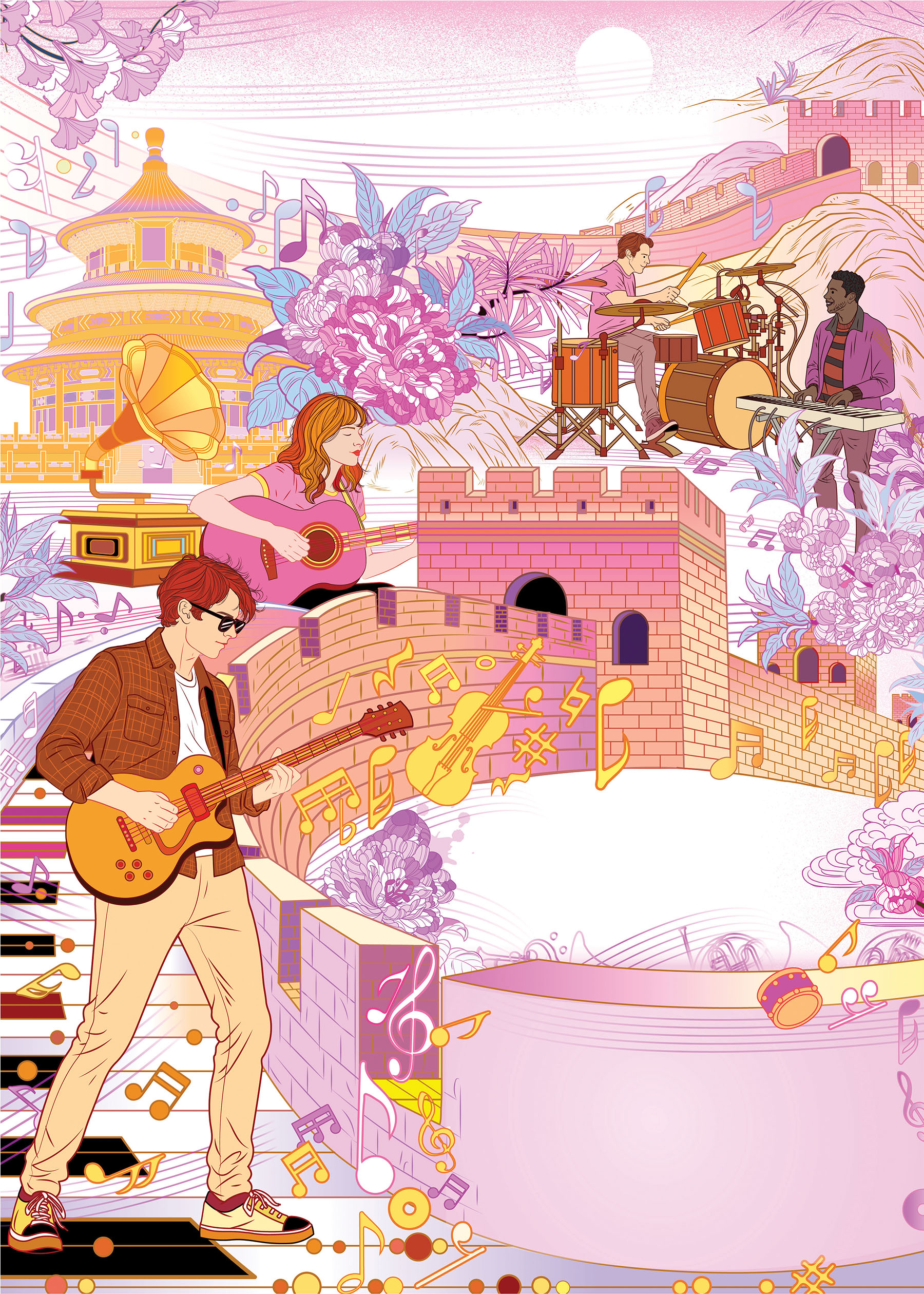
Chris James, a 30-year-old German singer-songwriter, had no idea a song he wrote quickly in his Berlin bedroom had captivated millions of music fans in China, and would ultimately change his life.
Busy preparing for his new Chinese tour in August, James clearly remembers the magical — or even “confusing” — start of the story. It was about four years ago, when he opened up the official music video of his song Not Angry at home and noticed a few comments in Chinese under it.
Those comments increased day by day, and piqued his interest in what was going on.
He ran them through a translator, tracked them to a Chinese app, and found out his song, which starts with a catchy humming section, had garnered millions of views. On Douyin, the Chinese version of TikTok, the hit song has now been used and shared over 5 billion times.
“I was sitting in my bedroom, scrolling on the screen, and it was really hard to process. I saw people singing it in schools and malls … This little melody that I made had traveled so far,” recalled James.
The singer-songwriter said he simply sat down one morning and wrote it and recorded it, without much thought or any expectation it would become so popular.
Yet, on the other side of the world, it became an earworm — a catchy tune listeners cannot get out of their heads. “It definitely changed my life in many ways,” he said.
In recent years, an increasing number of overseas musicians have flooded China’s music market.
The Global Music Report 2026 released by the International Federation of the Phonographic Industry in March showed that last year, Asia saw strong growth of 10.9 percent in recorded music revenues, and maintained its position as the largest region for physical revenues in 2025, accounting for 45.1 percent.
Notably, China has overtaken Germany to become the fourth largest global market, with remarkable revenue growth of 20.1 percent, the fastest-growing market in the top 20, said the report.
Social media platforms like RedNote, or Xiaohongshu, are also actively facilitating foreign artists searching for new horizons.
The RedNote music team has ramped up efforts to introduce overseas artists to China since early last year, after the “TikTok refugees” phenomenon emerged from the United States’ threat to ban the platform.
Among those refugees were a large number of niche and independent musicians and artists who have captivated Chinese audiences, said Jiang Jiayao, content operations manager of RedNote’s music team.
These artists include many unsigned “bedroom musicians” who independently write, record, produce, and release music, usually from their homes.
RedNote enabled many of them to participate in the inaugural Global Village Concert on Jan 26, 2025. The event featured 20 groups and musicians from home and abroad, including James. It ran for about seven hours and attracted over 1.28 million online viewers.
The RedNote team later launched the Global Soundwave project and a No-border FM campaign to help overseas musicians connect with Chinese music fans.

Jiang said the team provides guidance and support to the artists on how to make their music reach the local community. The advice covers issues such as account operation, post creation, customized promotions, live settings, interaction, exclusive event planning, and online and offline music shows across China.
In September 2025, the team held the No-border Music Festival in Shanghai. The artist lineup included major stars including Malaysian pop band babychair, indie musician Hayd from the US, singer Jordann from Canada, and “Martin’s Mood” from France. The festival sold out quickly.
Jiang said many young RedNote users are highly educated, enjoy sharing music, and are open to supporting “niche, distinctive, and indie music and artists”.
“A vast majority — about 80 percent — of overseas musicians who are eyeing the Chinese market have joined our platform and community,” said Jiang.
The team has made connections with artists worldwide, helping over 100 of them tap into the Chinese market and supporting hundreds of shows in China. They come from countries as varied as the US, Brazil, Australia, France, Germany, Norway, Japan, and South Korea, and feature diverse music genres such as rock, pop, indie, and jazz.
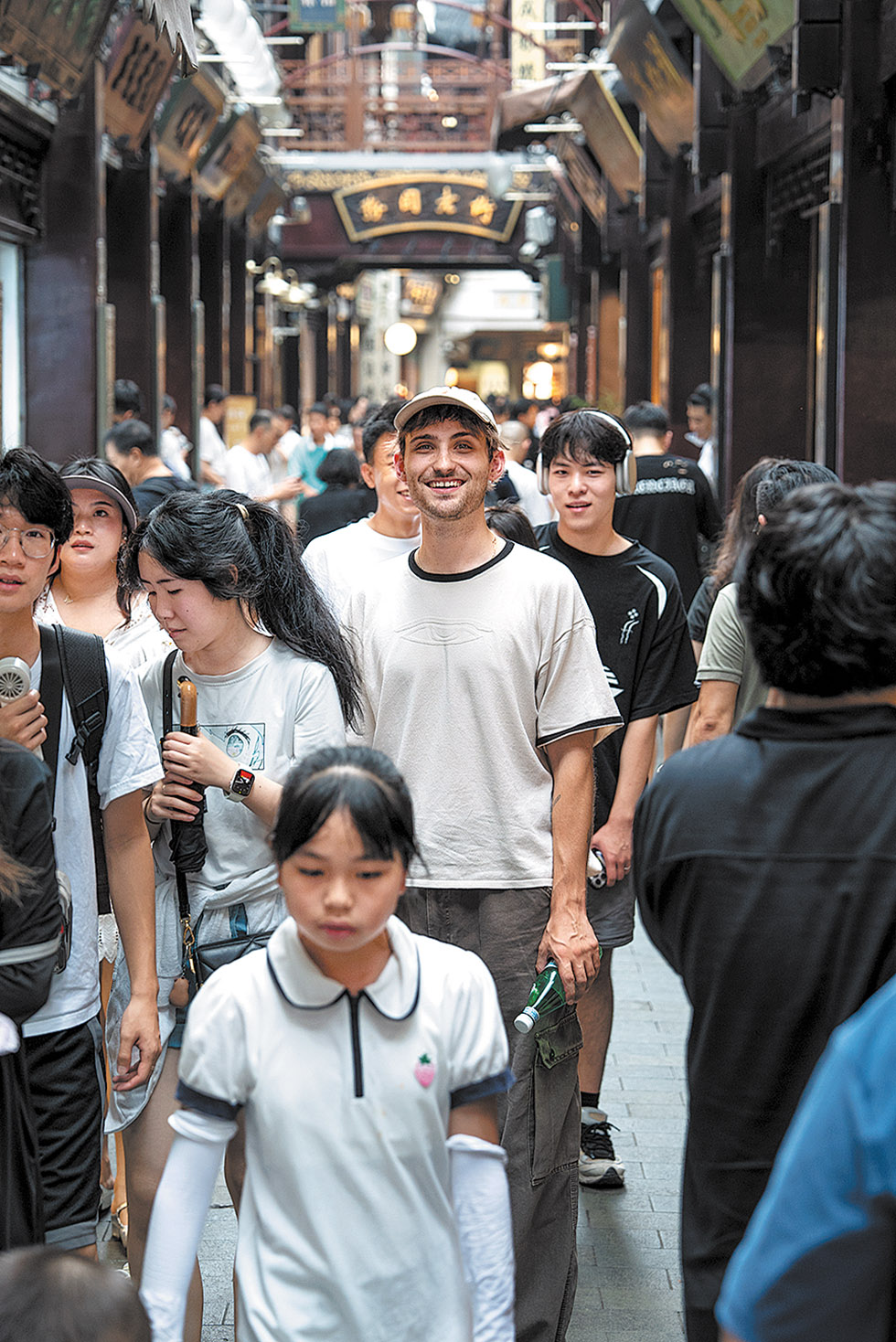
In 2023, James played his first China show in Beijing, followed by six other cities.
A year later, his Chinese tour covered eight cities, and last year, he performed in 10 cities. James is getting ready to meet his army of Chinese fans again on a new tour.
He has over 3 million fans on Chinese social media platforms, and is affectionately called “Xiao Kui”, meaning “little sunflower”.
“They are very into music, with a very strong passion and a lot of attention to lyrics, details and the depth of songs. They are also very interactive and can sing every song together with me. They are loud, in the best way possible,” said James with a smile.
At a festival in Shanghai during the May Day holiday, fans sang along loudly with James in his return tour to China after seven months.

During that tour, James organized travel outside his performance schedule to dive deeper into the nation.
Besides Shanghai, he went to Zhangjiajie and ancient towns in Hunan province, climbed Huangshan Mountain in Anhui province, visited Chongqing, and even performed one of his hit songs at a hotpot restaurant and a teahouse in Chengdu, Sichuan province.
The laid-back vibe of his travels dovetails with James’ life philosophy and the messages he tries to convey through his music. He said that just as the unexpected popularity of Not Angry shows, life can be random and filled with “endless possibility”, adding it is good to always stay positive, optimistic, and to “go with the flow”.
Babychair, a three-piece band based in Kuala Lumpur, Malaysia, made its China debut at a music festival in Shanghai three years ago.
The band, which creates retro, dreamlike pieces with experimental music elements, saw its popularity take off in China after joining hands with the talent agency 1500 Sound Academy. The musical trio, who each go by one name, has already toured the country three times.
“The music market in China is very competitive, and everyone strives to be the best,” said Aaron, the drummer.
“Our tour in China really opened our eyes and gave us new inspirations. We are always meeting new people and exploring new things, opportunities and possibilities.”
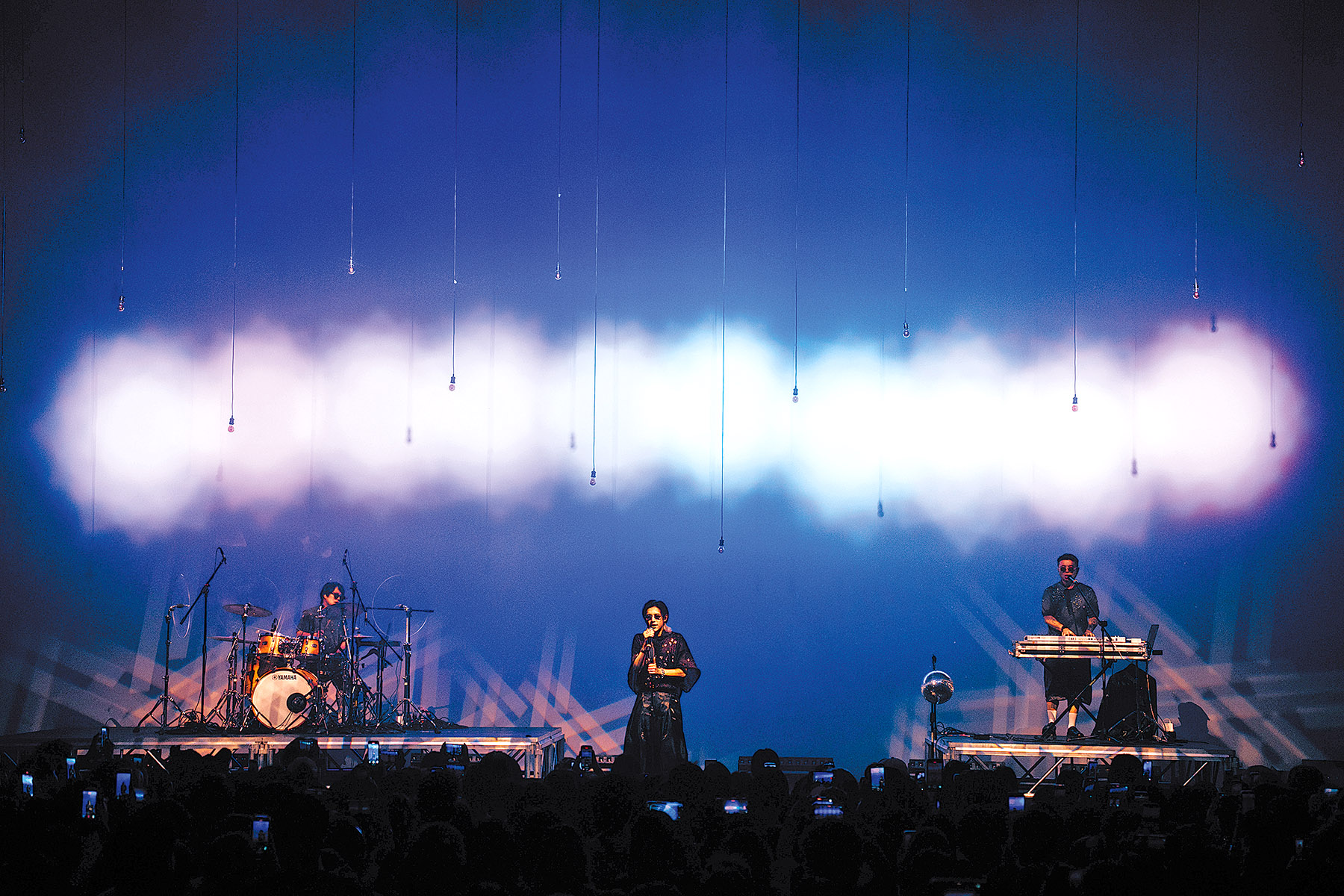
Being of Malaysian-Chinese heritage, all three were exposed to
Chinese culture early in life through music and TV dramas. They can speak Chinese and share many cultural roots with their Chinese fans.
What resonates in China is sometimes different from what is popular with fans in other parts of the region.
For instance, in Southeast Asian nations, babychair’s most popular song is Oh It’s You. In China, however, Dear is the song that is more representative of the trio to their fans.
During their recently concluded China tour, audiences sang along with the band when they performed Dear.
“I think the market needed us,” said lead vocalist Sean. “The idea of our music is simply asking everyone to chill. What we would like to deliver to our fans in music is not only the song, but also the emotions that make us connected. So we hope everyone can listen to the songs, get relaxed, feel differently and chill.”
Over the past three years, they have come to value the Chinese musicians and artists they have met along the way.
“We share the same struggles and same happiness. They are very friendly, open, easy to communicate with, and down to earth. We feel at ease having a chat or sharing life stories with each other. Such connections are very valuable,” said Aaron.
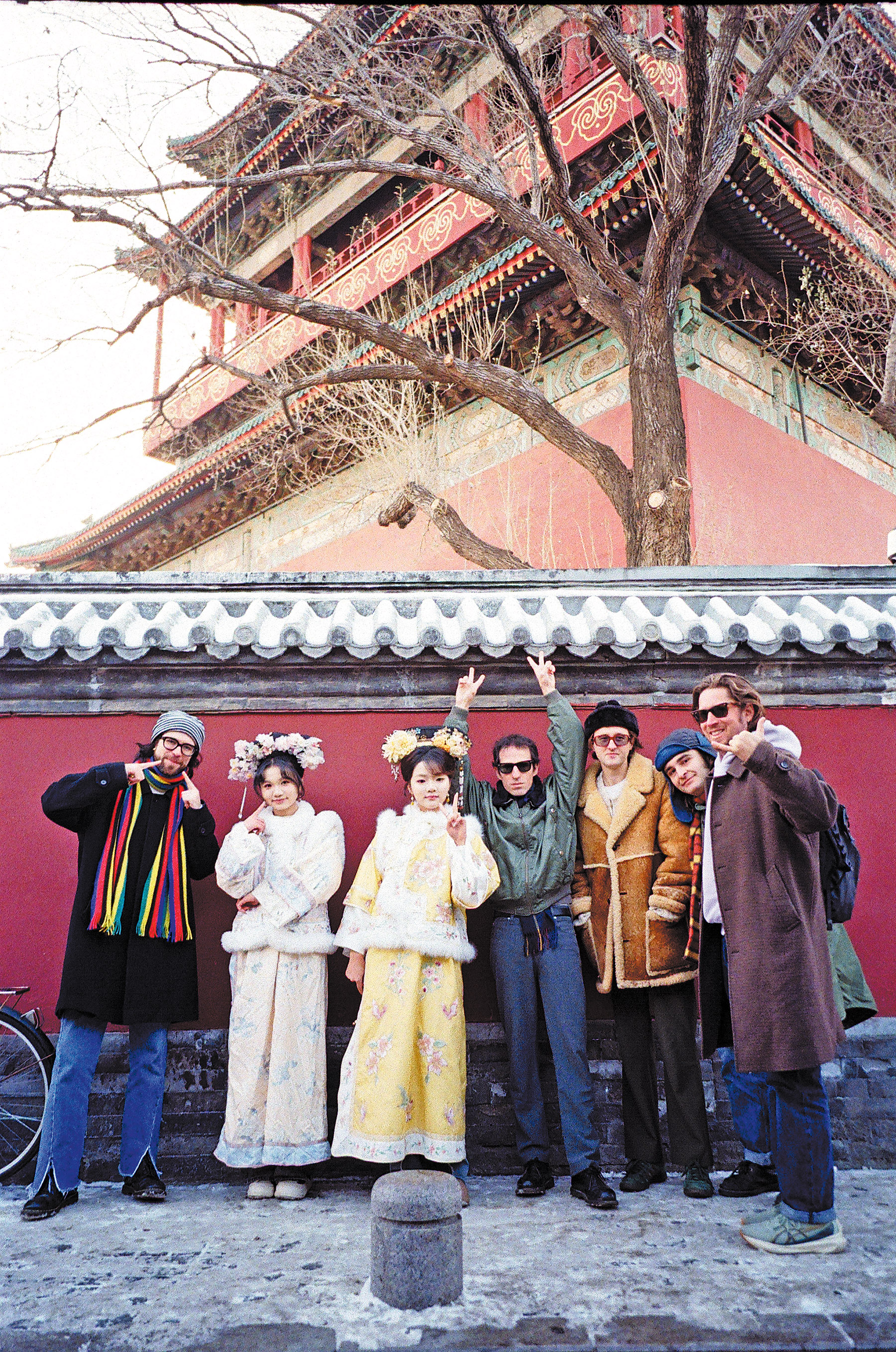
For British indie band Swim Deep, who completed their fourth tour last year, one of the most rewarding aspects of performing in China is feeling valued.
Formed in 2011, the Birmingham band has played over eight shows since 2014 and sold out many of them, playing to hundreds and sometimes thousands of fans.
“Every time we go back to China, we feel a little less like being a tourist there; it’s a bit more of a feeling of coming home,” said the band’s front man, Austin Williams.
“We always feel so welcomed by the friendly, supportive, dedicated, loyal, and passionate fans out there,” he said.

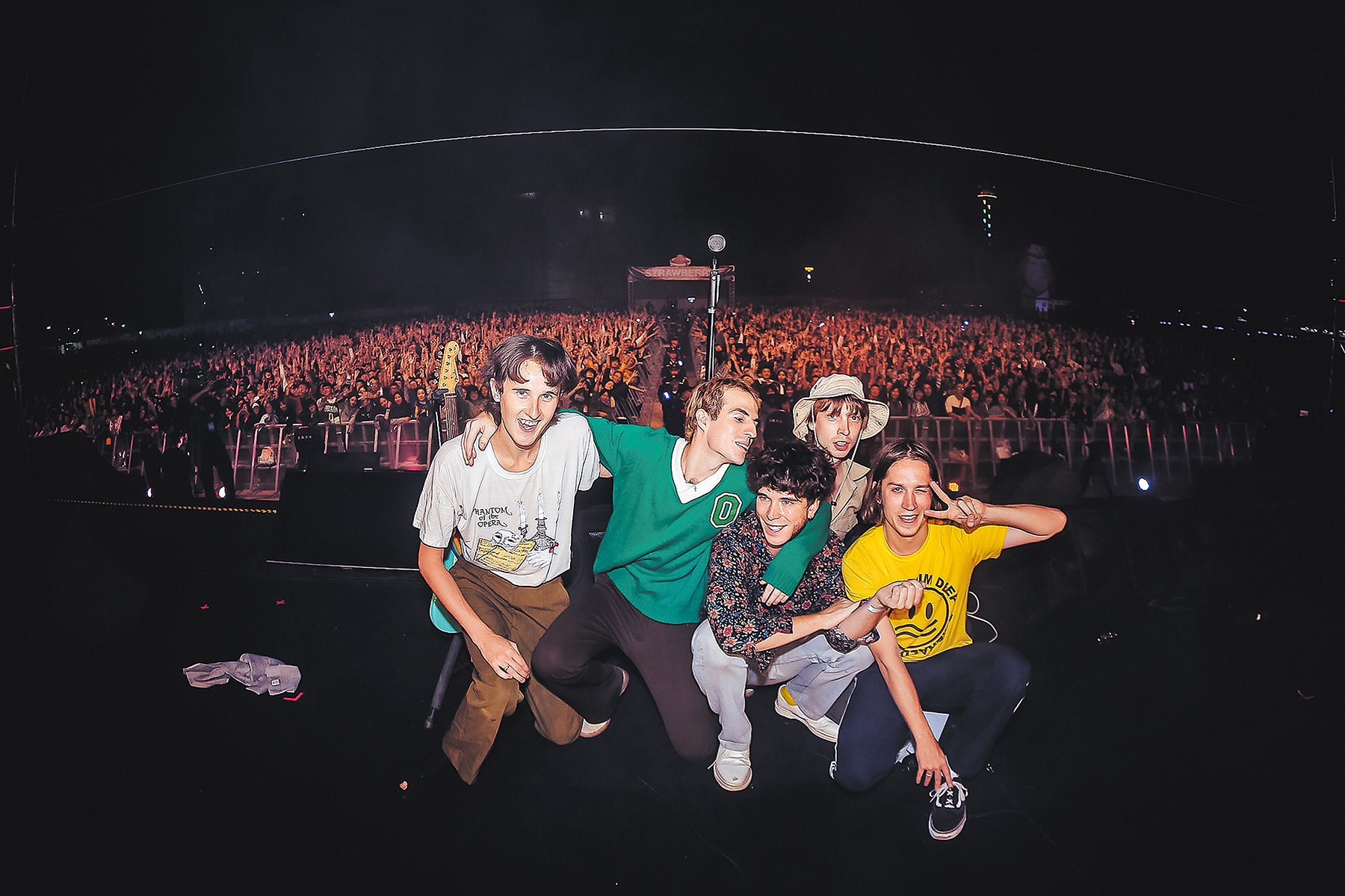
One of Swim Deep’s most memorable shows in China was the 2019 Strawberry Music Festival in Guangzhou, Guangdong province.
Keyboard player James Balmont said audience numbers in China often far surpass what they draw in the United Kingdom.
The biggest UK festival crowd they have played for was 500, while in Guangzhou, they performed to around 10,000 people on the main stage.
While backstage riders of beverages and food for performers are common overseas, Williams was impressed that the Guangzhou organizers had gone to the trouble to prepare a big box filled with imported cheeses, beers, potato chips, and other goodies.
“I felt very grateful that they’ve gone out of their way to do that for us … And it made me realize how these people are working beyond (the basics) to make the artist feel good,” Williams said.
“It really proves that they consider art as a valuable and important necessity in culture and life.”
Balmont also appreciated the Chinese staff’s extra efforts and the respect they showed, which made the band feel valued.
Both band members expressed hope that other venues follow this lead and create more comfortable conditions for the artists.
Organizers and promoters of tours and music festivals in China also often pay for performers’ travel and accommodation expenses, reducing costs and financial risks for emerging overseas bands.
Touring in China sets a high standard for the rest of the world to follow. Also, the fans are always respectful and polite, show their loyal support in an orderly way, and welcome new music with open arms, Balmont said.
“When you combine all of that, it creates wonderful experiences that make you feel being a touring artist can be really worthwhile,” he added.
Sam Tucker, manager of Swim Deep, said: “I think the future of the Chinese music market is very bright. The way the Chinese live market has embraced international artists and tours enables so much potential future growth. As culture becomes less specific to one country or city, it feels like the Chinese music market can only continue to grow and develop.”
Contact the writers at wangxin2@chinadaily.com.cn
