

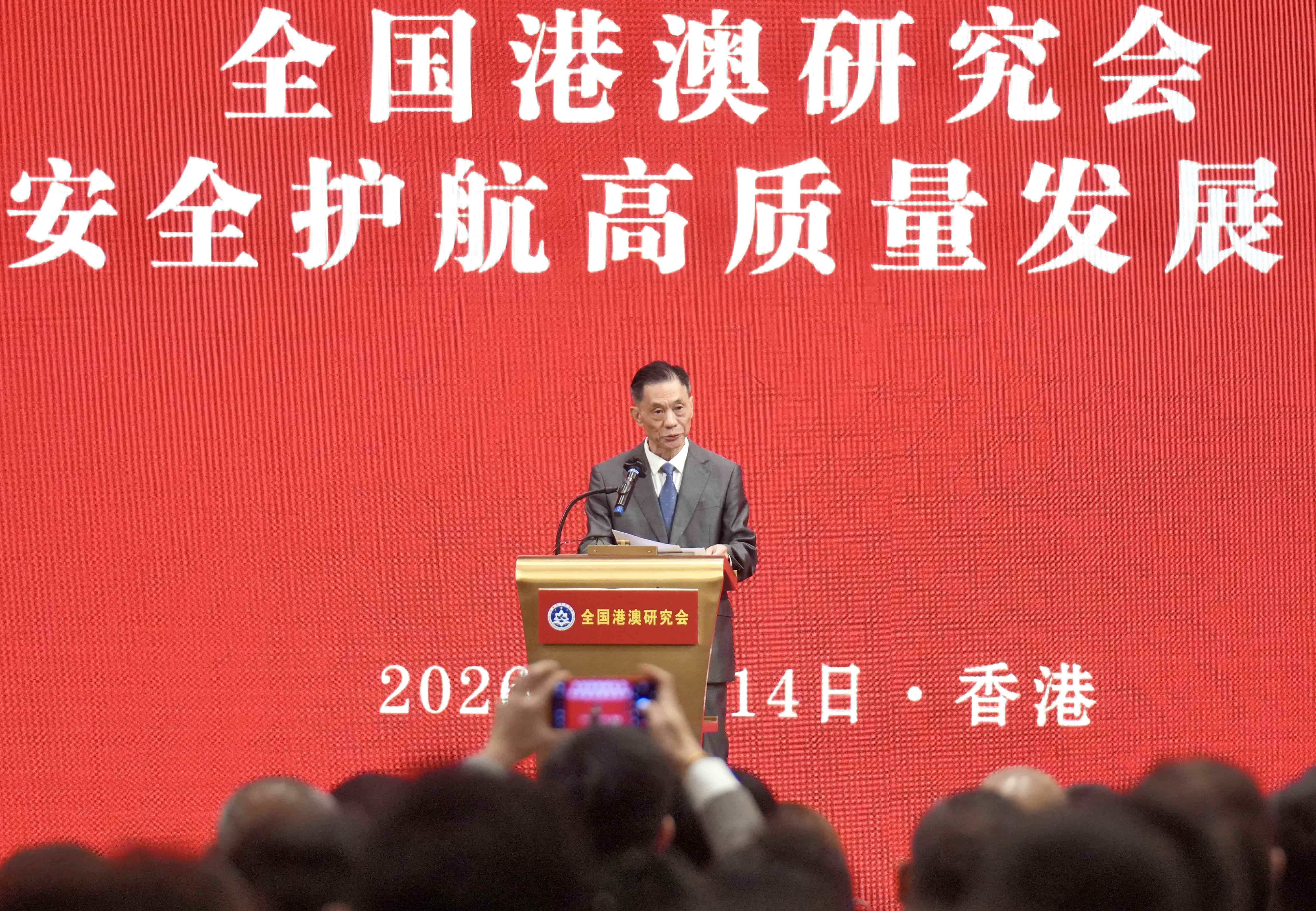
The Hong Kong Special Administrative Region has achieved historic milestones in safeguarding national security through legislation that fosters development while respecting the rule of law and human rights, legal experts told a high-profile symposium on Tuesday.
The event, hosted by the Chinese Association of Hong Kong and Macao Studies and focusing on Hong Kong’s national security law system, brought together some 400 attendees, including local lawmakers, district councilors, political group leaders, institutional representatives, and legal community experts.
ALSO READ: New edition of HK sentencing guide expands coverage to national security crimes
Addressing the symposium, Deng Zhonghua, president of the association, said that over the past six years, persistent efforts have led to the enactment of a series of national security laws and regulations in Hong Kong, and the establishment of specialized bodies such as the Committee for Safeguarding National Security of the HKSAR and the Office for Safeguarding National Security of the Central People’s Government in the HKSAR.
He noted that Hong Kong’s national security work has achieved historic accomplishments and undergone historic changes. He added that “security in development has become a strength for its overall development”.
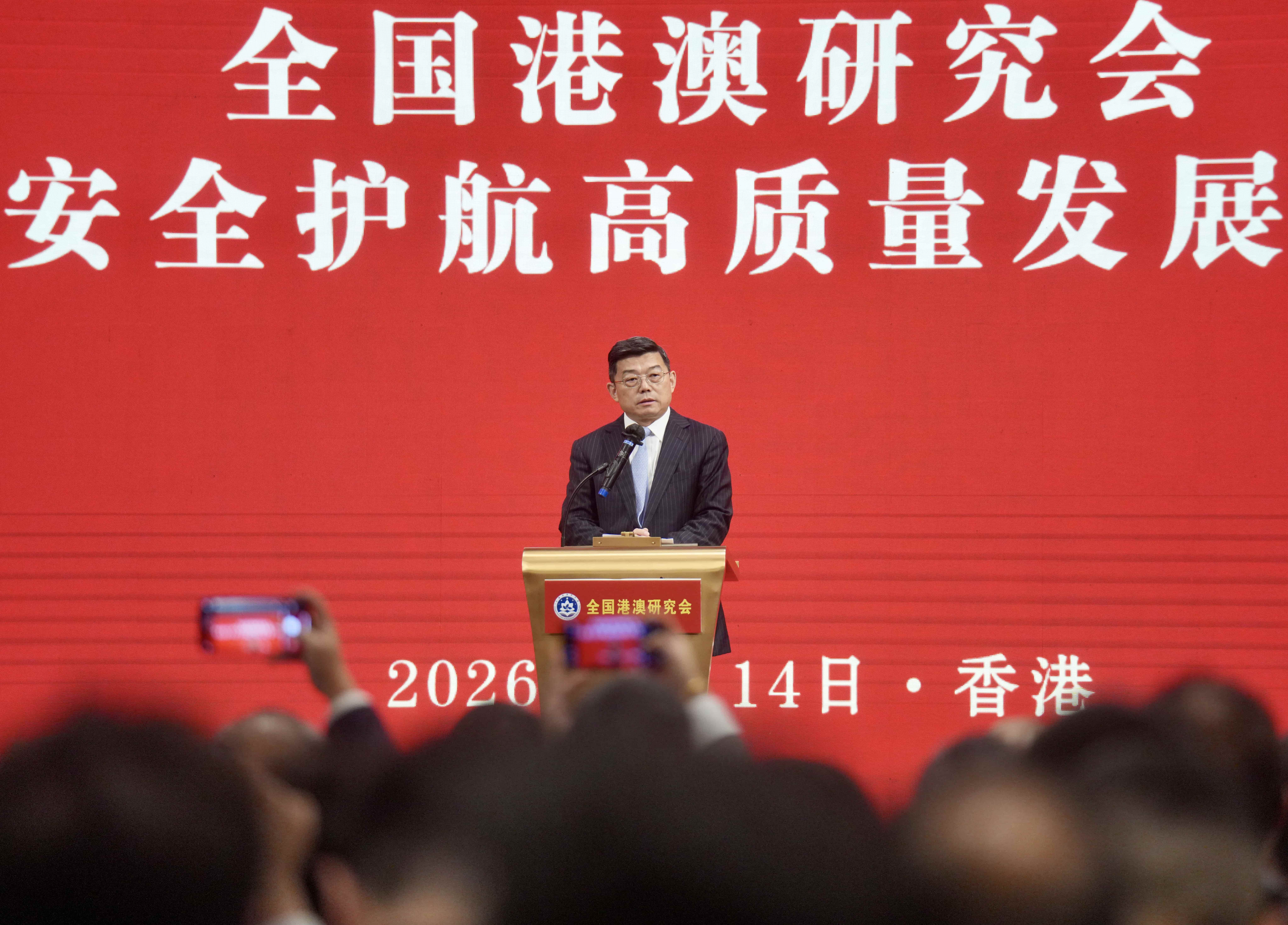
Wang Zhenmin, vice-president of the association and a professor at the School of Law of Tsinghua University, emphasized that safeguarding national security is a common practice among all countries and regions, and that related legislation and amendments are “always a work in progress, never complete”.
Wang reviewed the national security legislation process at both the national and SAR levels and compared these approaches with major Western countries such as the United States and the United Kingdom. He said that amid global uncertainties, countries and regions worldwide have accelerated their national security legislation in response to both traditional and non-traditional security threats.
The global trend toward reinforcing national security laws is an undeniable, long-term trajectory, Wang said.
READ MORE: Ministry highlights national security law success in HK stability
“Hong Kong’s efforts to safeguard national security have only involved minimal legislation, neither overstretching the concept of security nor pursuing ‘absolute security’,” Wang said.
It represents the world’s most moderate, rule-of-law-based, and human-rights-respecting practice in national security legislation, Wang said. He added that the SAR strives to maintain national security while fostering development and openness, ensuring that high-standard security safeguards the steady and sustained implementation of the “one country, two systems” framework.
In addressing national security risks and challenges, especially mounting external containment and suppression, Wang said that Hong Kong must “further improve relevant legal provisions, arming and protecting ourselves with law”.
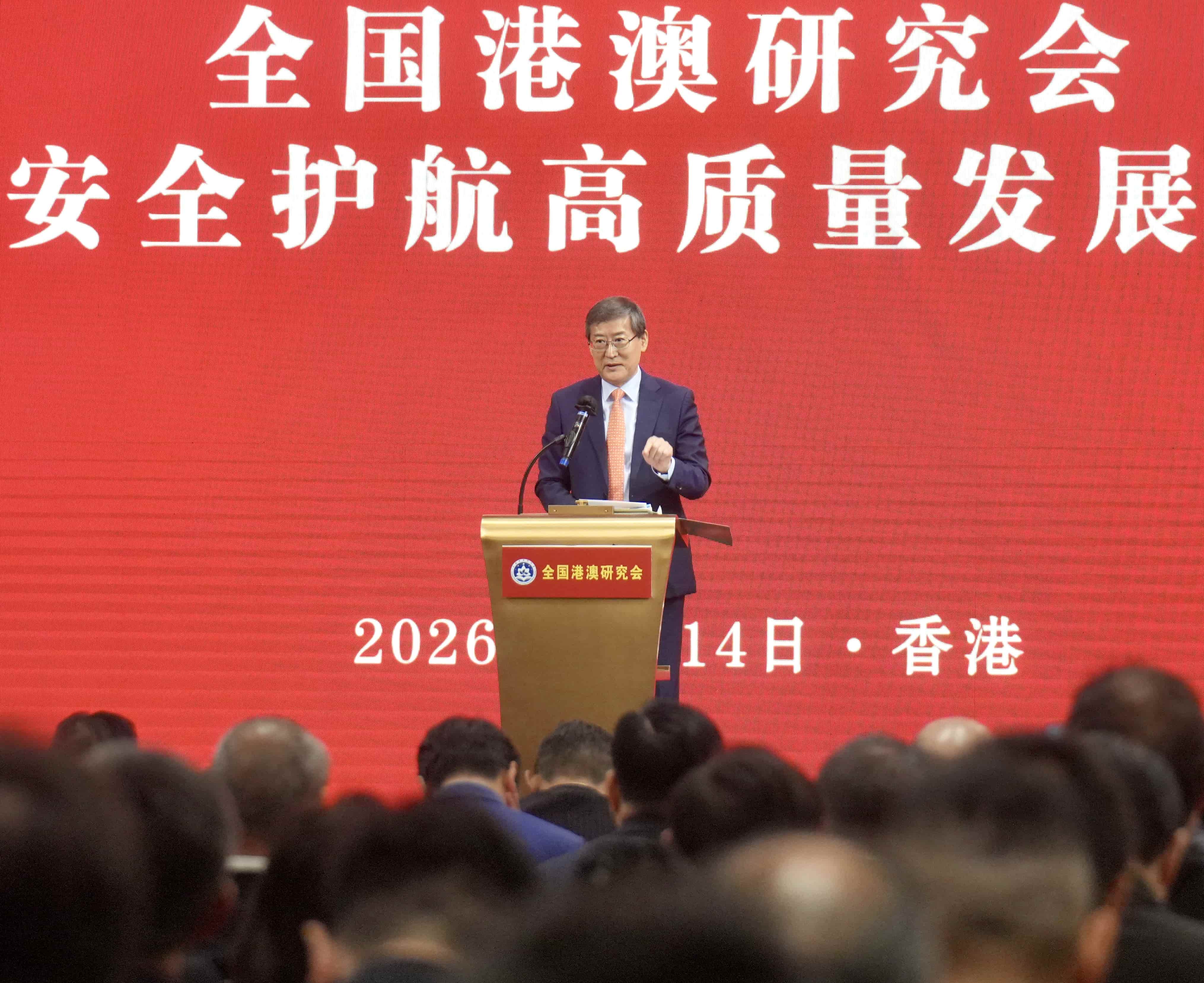
Han Dayuan, a professor at the Law School of Renmin University of China and vice-president of the association, said that security and development should maintain a “dynamic balance” under the “one country, two systems” policy.
“Through six years of practice under the HKSAR National Security Law, especially the judicial activities of the courts, we have demonstrated that (security and development) are not opposing concepts,” Han said. “Freedom and security are inherently in a dynamic balance, not a static trade-off.”
Hong Kong emphasizes safeguarding national security within an open environment, and remains committed to promoting high-level openness under the guarantee of high-level security, Han said.
This approach offers a valuable new paradigm for global national security practices that seek to balance security with development, and openness with governance, he added.
Maria Tam Wai-chu, former deputy director of the Hong Kong Basic Law Committee of the National People’s Congress Standing Committee, said the Hong Kong SAR bears a unique mission under the development framework outlined in the national 15th Five-Year Plan (2026-30). She emphasized that development and security are mutually inclusive — the two complement each other and advance together like two wings.
Nick Chan Hiu-fung, a lawmaker representing Hong Kong’s legal sector, said the speakers provided a comparative analysis of national security legal frameworks across various jurisdictions. He said such laws are not designed to restrict human rights, but to protect them.
Legislator and solicitor Maggie Chan Man-ki said that Hong Kong remains under a complex and challenging national security landscape, and that safeguarding national security is a dynamic, gradual process, requiring sustained efforts to plug loopholes and refine legal systems and enforcement mechanisms.
Established in 2013, the Chinese Association of Hong Kong and Macao Studies is a national civil academic organization and think tank dedicated to the study of the theory and practice of “one country, two systems”, strengthening academic exchanges and cooperation among Hong Kong, Macao, and the mainland.
Contact the writer at gangwen@chinadailyhk.com
