

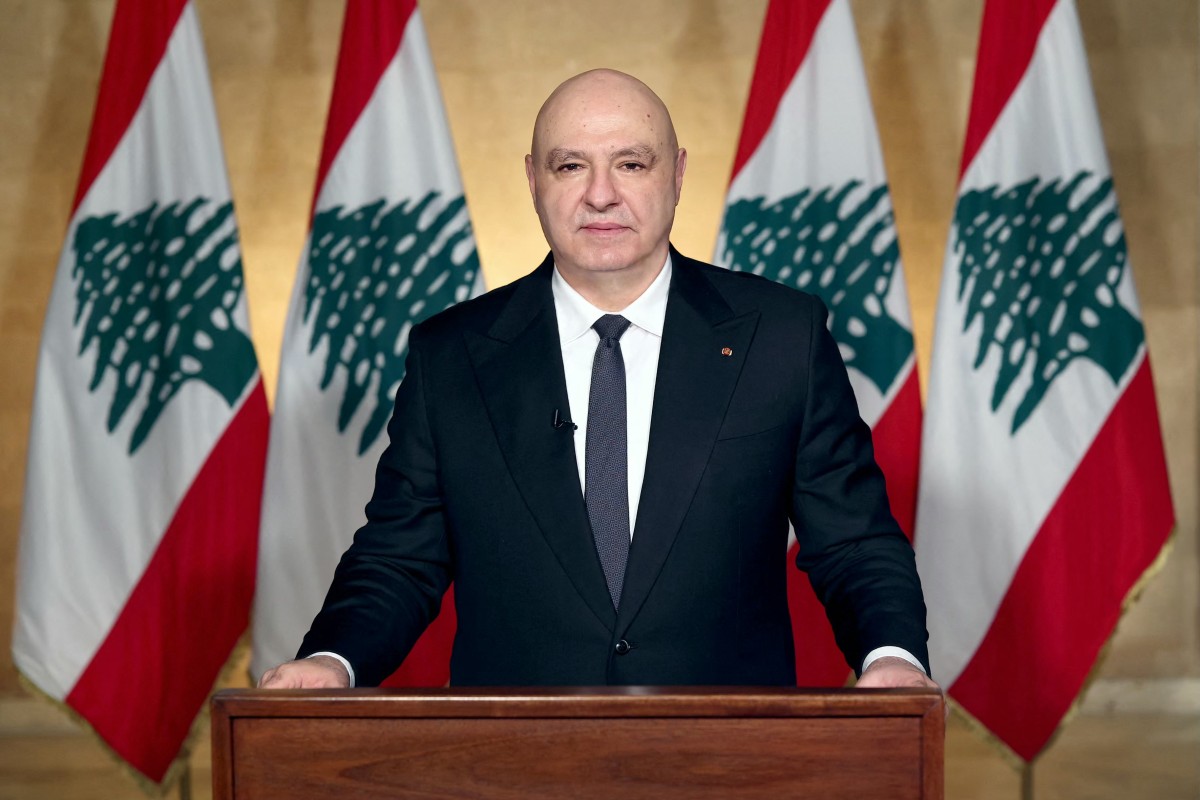
BEIRUT/JERUSALEM/UNITED NATIONS - Lebanese President Joseph Aoun said Friday that Lebanon has entered a new phase focused on negotiating permanent agreements to safeguard the rights of its people, the unity of its territory, and the sovereignty of the state.
In an address to the Lebanese, Aoun said the country is moving from ceasefire implementation efforts toward a broader stage aimed at securing long-term stability. He voiced confidence that, as in the previous phase, these efforts would help "save Lebanon".
He attributed the ceasefire to collective efforts and sacrifices by the Lebanese people, including those who remain in frontline areas, as well as sustained diplomatic engagement with international and regional partners.
Aoun said negotiations are not a sign of weakness or retreat, but rather a sovereign decision to protect Lebanon's interests, prevent further loss of life, and end displacement.
Highlighting the conflict's heavy toll, Aoun said thousands of Lebanese have been killed, pledging that no more lives should be lost for foreign interests or political calculations.
"I am ready to take full responsibility for these choices," he said.
Aoun outlined the main objectives for the upcoming phase, including halting Israeli attacks on Lebanese territory, ensuring the withdrawal of Israeli forces, securing the return of prisoners, enabling the safe return of displaced citizens, and restoring the state's full authority across all Lebanese territories.
He also called for national unity under a single state authority, constitution, and armed force, warning against internal divisions and external agendas.
ALSO READ: 10-day Israel-Lebanon ceasefire takes effect
Meanwhile, Wafiq Safa, a high-ranking member of Hezbollah's political council, told BBC Arabic in Beirut that the group's arsenal is non-negotiable at this stage.
"Hezbollah will never ever disarm. Before the halt of attacks, the withdrawal of Israel, the return of prisoners, the return of the displaced to their homelands, and reconstruction, we cannot talk about Hezbollah's weapons," Safa said, warning that Hezbollah will reject any ceasefire resembling the one that had been in place since November 2024.
The 2024 Israel-Hezbollah ceasefire was characterized by near-daily Israeli strikes in Lebanon. The fragile truce collapsed on March 2, when Hezbollah launched rockets toward Israel in support of Iran, triggering intensified Israeli airstrikes across Lebanon.
A 10-day ceasefire between Israel and Lebanon took effect at midnight between Thursday and Friday local time (2100 GMT), with an aim to end the deadly escalation between Israel and Hezbollah, which Lebanon's Public Health Ministry said Friday has killed 2,294 in Lebanon, including 100 paramedics and healthcare workers.
Diplomatic, military solution with Lebanese government
Also on Friday, Israeli Prime Minister Benjamin Netanyahu said Israel will provide an opportunity to advance an integrated diplomatic and military solution with the Lebanese government.
"For the first time in 43 years, Israeli representatives are talking directly with Lebanese ones. The road to peace is still long, but we have started it. One of our hands holds a weapon, the other hand reaches out for peace," Netanyahu said in a statement.
He said Israel has, for the first time, created a deep security zone in southern Lebanon, along Israel's entire northern border, where Israeli forces remain, "completely removing the imminent threat of invasion and anti-tank fire".
He said Israel has also removed the danger of Hezbollah firing 150,000 missiles and rockets, "which were intended to destroy Israeli cities".
However, "Israel has not yet finished the job," he said, adding, "There are things we plan to do against the remaining rockets and drones' threat, and I will not go into detail."
Wartime restrictions lifted
Meanwhile, the Israel Defense Forces (IDF) announced in a statement the lifting of most gathering restrictions that were in place due to the war on the Iranian and Lebanese fronts.
The change in restrictions took effect at 4:00 pm Israeli time (1300 GMT) and allows gatherings without restrictions on the number of people in most areas of the country, except areas near the northern border with Lebanon, where a gathering limit of up to 1,000 people will apply until Saturday evening.
The lifting of restrictions will allow educational, cultural, and sports events in most areas of the country with no limitations.
Hezbollah signals conditional commitment to ceasefire
The Loyalty to the Resistance bloc of Hezbollah told Al Jadeed TV that it is committed to the ceasefire in Lebanon with caution, stressing that its adherence is conditional on the truce covering all Lebanese territories.
Separately, Hezbollah lawmaker Hassan Fadlallah said Friday that the group's members remain prepared to confront any renewed Israeli military action, stressing that developments will be assessed "step by step".
READ MORE: Israel seeks Hezbollah disarmament, Lebanon calls for ceasefire in talks in US
Speaking after touring areas of Beirut's southern suburbs to inspect damage and meet residents returning to their homes, Fadlallah said the ceasefire marks the beginning of a temporary phase, with many displaced people already heading back despite Israeli warnings.
Displaced people begin returning
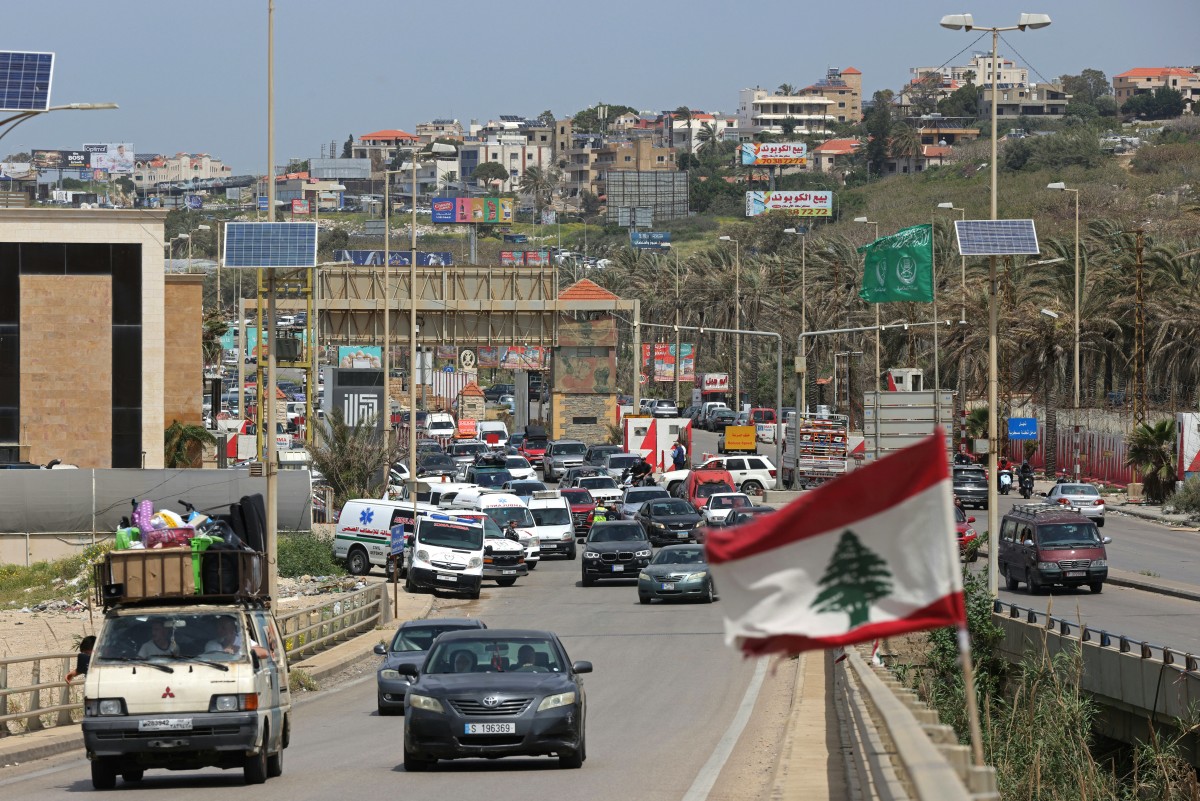
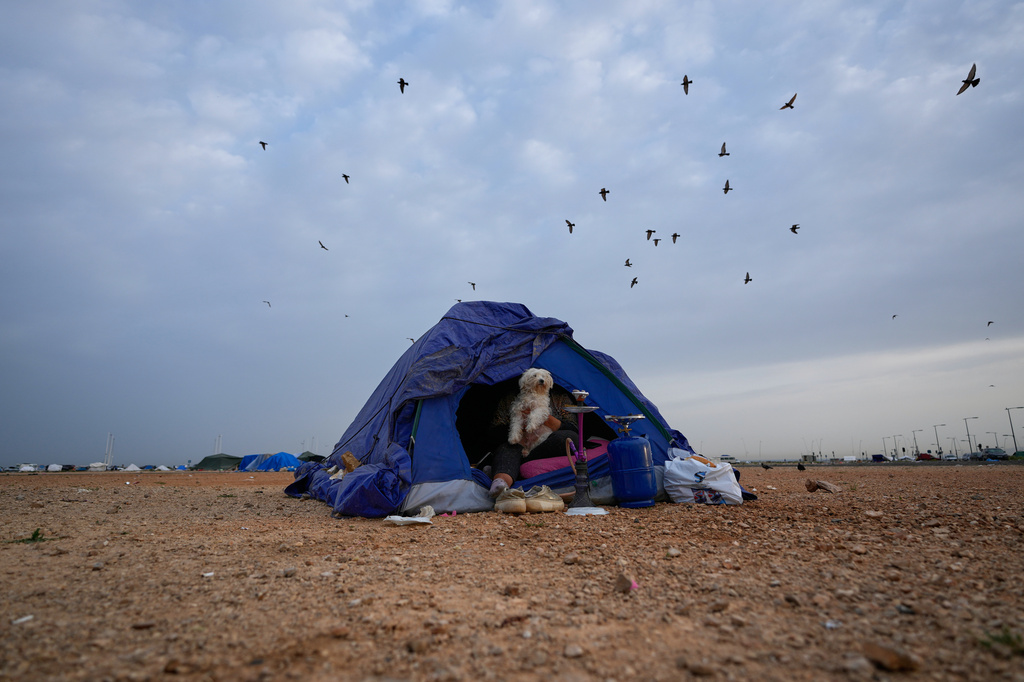
Following the ceasefire, thousands of the 1.2 million people displaced in southern Lebanon are returning home despite warnings of unexploded ordnance, the UN Office for the Coordination of Humanitarian Affairs (OCHA) said.
According to OCHA, its partners reported that displaced families are starting to return to Beirut's southern suburbs and southern Lebanon, including parts of Nabatieh and Tyre.
However, OCHA warned that risks to people's safety remain, including unexploded ordnance in many residential areas across the South and Nabatieh governorates.
"According to partners and local authorities, thousands of people were seen travelling south early this morning, with major roads congested, particularly near the villages of Qasmiyeh and Zefta in southern Lebanon, despite extensive damage to bridges and infrastructure," OCHA said.
