

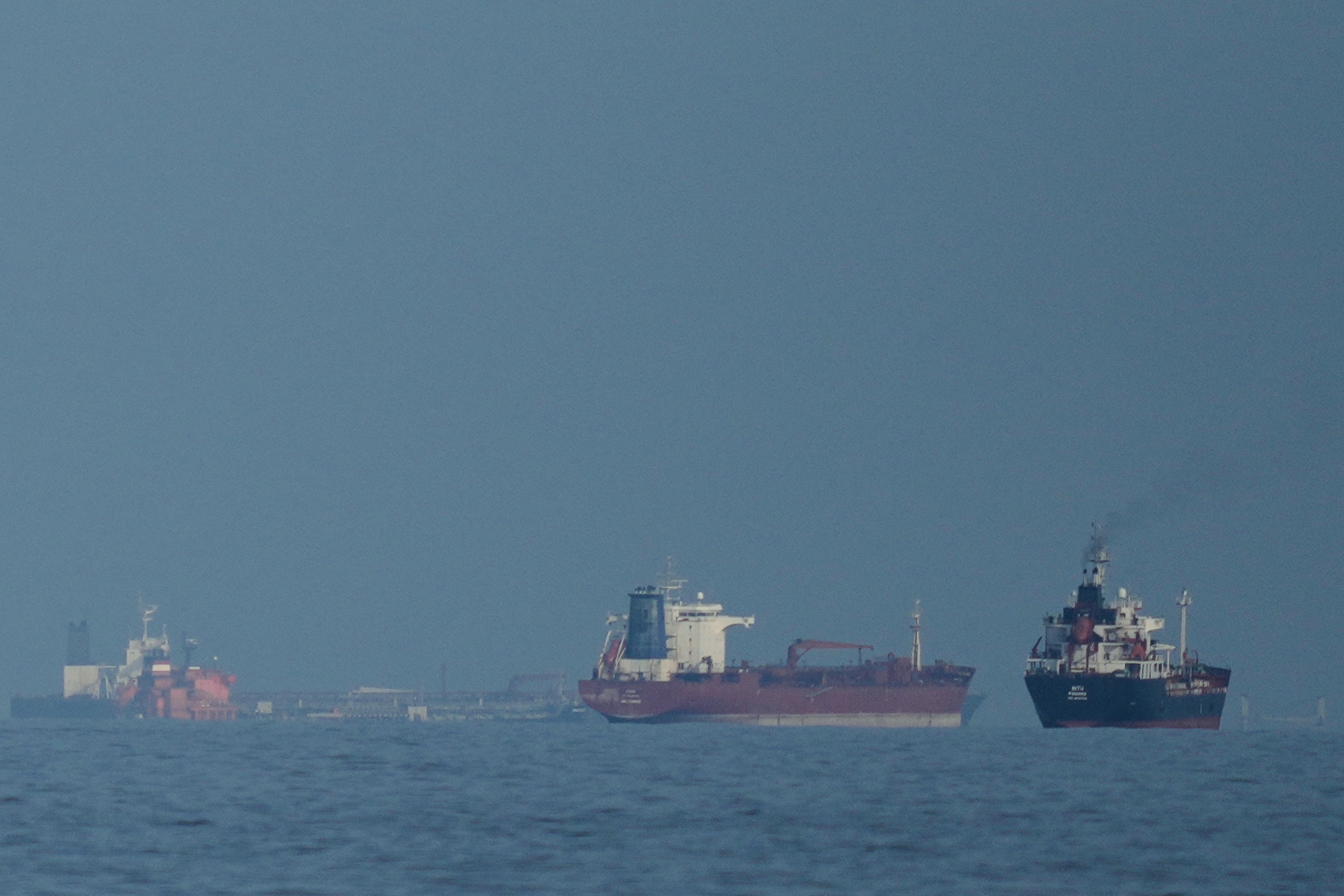
WASHINGTON/TEHRAN- US President Donald Trump announced on Sunday that the US Navy would begin blocking ships trying to enter or leave the Strait of Hormuz, after peace talks with Iran failed to produce a deal.
"Effective immediately, the United States Navy, the Finest in the World, will begin the process of BLOCKADING any and all Ships trying to enter, or leave, the Strait of Hormuz," Trump said in a post on Truth Social.
"I have also instructed our Navy to seek and interdict every vessel in International Waters that has paid a toll to Iran," Trump continued, adding that "no one who pays an illegal toll will have safe passage on the high seas."
"We will also begin destroying the mines the Iranians laid in the Straits," he added.
On peace talks, Trump said that the meeting "went well," with most points agreed to, but "the only point that really mattered, NUCLEAR, was not."
ALSO READ: No deal after US, Iran end marathon talks
Trump's remarks came a few hours after US-Iran talks in Islamabad, Pakistan, concluded without a deal on Sunday.
US forces will begin implementing a blockade of "all maritime traffic entering and exiting Iranian ports" on Monday at 10 am Eastern Time, US Central Command said in a statement Sunday.
The blockade, in accordance with Trump's proclamation, will be enforced "impartially" against vessels of all nations entering or departing Iranian ports and coastal areas, including all Iranian ports on the Arabian Gulf and Gulf of Oman, according to the statement, which was posted on social media platform X.
US Central Command forces "will not impede freedom of navigation for vessels transiting the Strait of Hormuz to and from non-Iranian ports," it added.
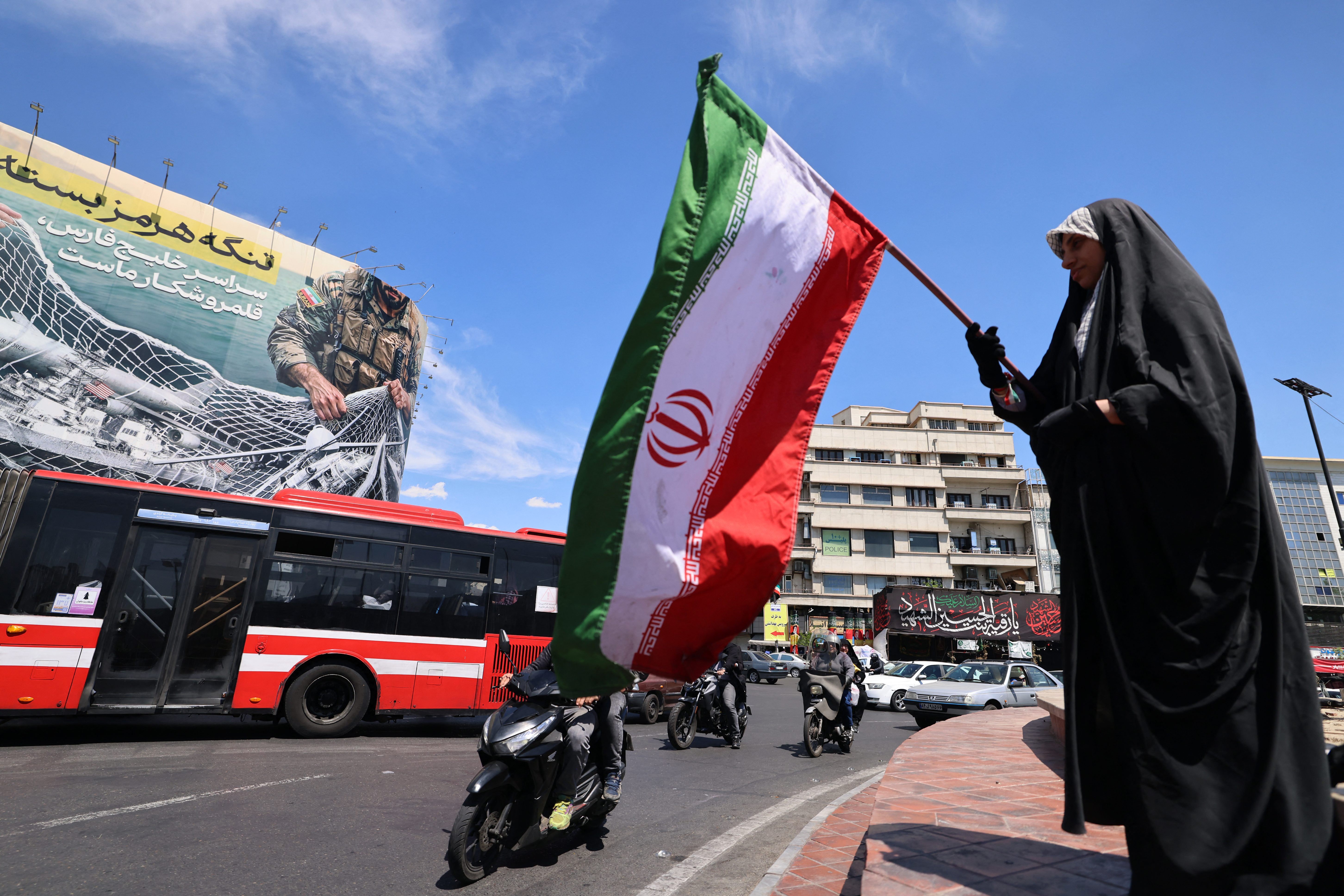
Meanwhile, the Navy of Iran's Islamic Revolution Guard Corps (IRGC) said on Sunday any "erroneous" move by the "enemy" in the Strait of Hormuz will have deadly consequences.
It issued the warning in a post on social media platform X, sharing "drone surveillance footage of the real situation in the Strait of Hormuz."
The IRGC's Navy said all movements and non-movements in the Strait of Hormuz are under complete control of the Iranian armed forces, adding that, "Any erroneous maneuver will trap the enemy in deadly whirlpools in the strait."
Also on Sunday, the IRGC said in a statement that any military vessels that intend to approach the Strait of Hormuz under any title or pretext will be considered a ceasefire violation and will be dealt with severely.
Houthi threat
In Sanaa, Yemen's Houthi group said on Sunday that it would escalate its military operations if the United States and Israel resume attacks against Iran and the so-called "axis of resistance."
The foreign ministry of the unrecognized Houthi-run government in Sanaa said that "the steadfastness of the Iranian negotiator at the negotiating table represents a new victory for the Islamic Republic and the axis of jihad and resistance," according to the state-run Saba news agency.
The statement added that any US-driven escalation in the region, particularly at sea, would negatively impact supply chains, energy prices and the global economy.
Since late March, the Houthis have launched missiles and drones toward Israel in support of "allied forces" in the region, including those in Iran, Iraq, Lebanon and Palestine, amid rising regional tensions.
ALSO READ: Trump threatens Iran over tanker transit fees in Strait of Hormuz
The group has controlled Sanaa and most of northern Yemen since late 2014, and supported Iran during last year's 12-day conflict involving the United States and Israel.
On Feb 28, Israel and the United States launched joint attacks on Tehran and several other Iranian cities, killing Iran's then Supreme Leader Ali Khamenei, along with senior military commanders and civilians.
Iran responded with waves of missile and drone strikes targeting Israel and US assets in the Middle East, and tightened control over the Strait of Hormuz by restricting passage by vessels belonging to or affiliated with Israel and the United States.
A two-week ceasefire between Iran and the United States took effect on Wednesday, followed by the holding of lengthy talks between the Iranian and US delegations in Islamabad, which failed to lead to an agreement.
