

Safety, quality of experience, improved controls enhance running of events across country
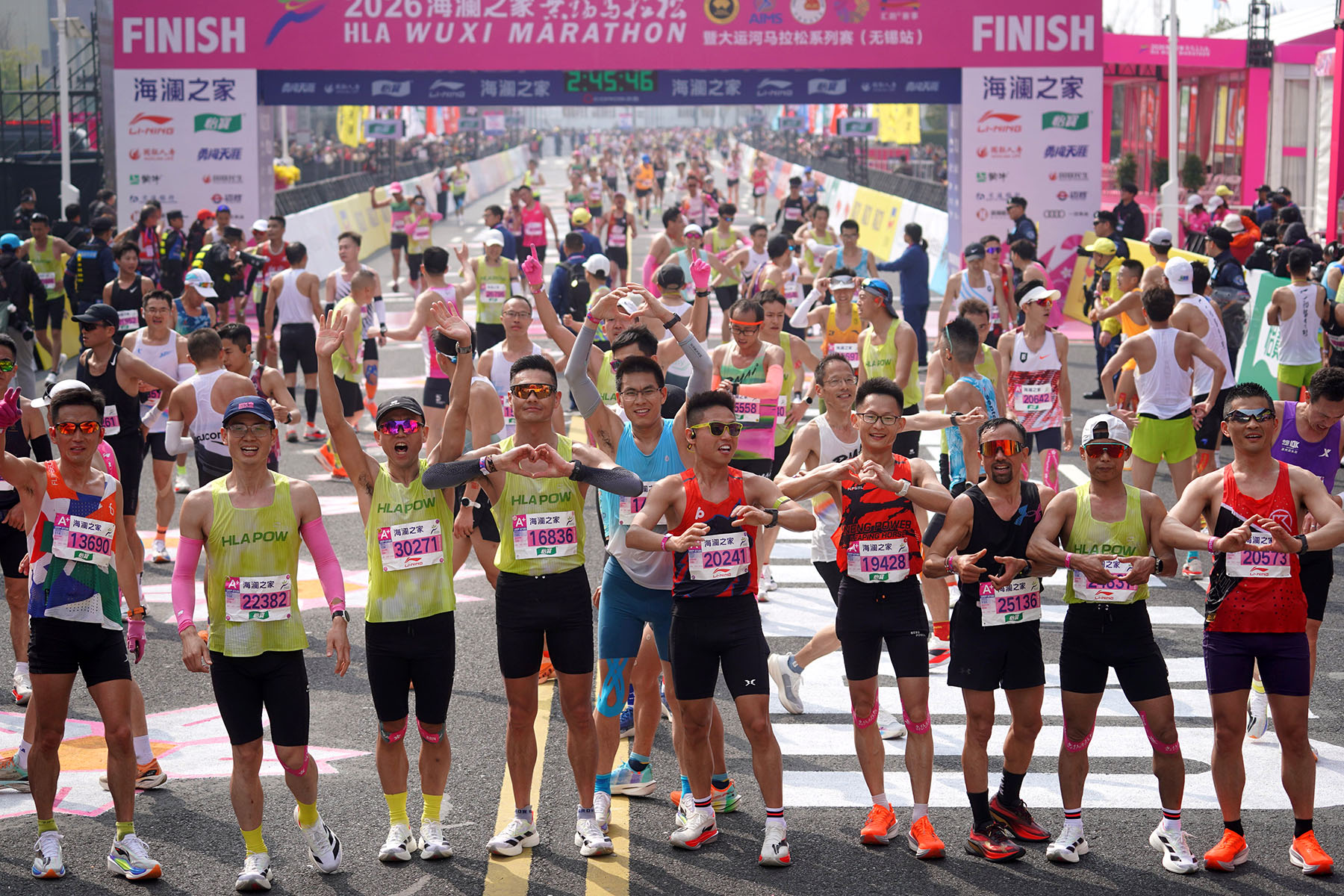
The 22,000 runners who will gather at Tian'anmen Square for the Beijing Half Marathon on Sunday are set to experience first-hand the major changes transforming long-distance races across China.
Already, the new regulations have been witnessed at major marathons in Wuxi and Wuhan this spring, as organizers and local officials strive to improve safety standards and the quality of events.
On April 4, the Chinese Athletics Association released the 2025 China Marathon Races Blue Book ahead of the Beijing Half Marathon, which outlined the impact of the new regulations.
The total number of marathon-related events nationwide dropped to 594 in 2025 from 696 in 2024, marking the sport's first large-scale "slimming down", the Blue Book found.
READ MORE: A new way of running things
However, the data also highlighted the strong growth in the economic impact and quality of marathon events. Certified events generated a direct economic impact of 18.51 billion yuan ($2.68 billion) and drove an overall economic benefit of 45.4 billion yuan, supporting 183,000 jobs, it said.
"Marathons have evolved beyond mere sporting events to become comprehensive platforms that boost city tourism, enhance regional image, stimulate consumption, and promote economic development," said Shen Hui, an associate professor at the department of physical education of Southeast University.
Shen, who is also an international-level athletics judge, added that according to industry professionals deeply involved in event execution, there is a trend toward more standardized, refined and accountable marathon event organization and management.
"While disparities still exist in cities with different foundational conditions or in niche events with limited resources, the direction is clear: moving from rough to precise, from perfunctory to responsible," she said.
The Blue Book's analysis of 284 A-class certified events underscored how "reduction in quantity" is fueling a surge in quality, reshaping not just running but urban economies and public health nationwide.
Post-Olympics boom
The marathon boom in China began in the 2010s, fueled by the rising interest of the growing middle-class in fitness, the spin-off benefits of the Beijing 2008 Olympics, and the eagerness of local governments to brand their cities through sports tourism.
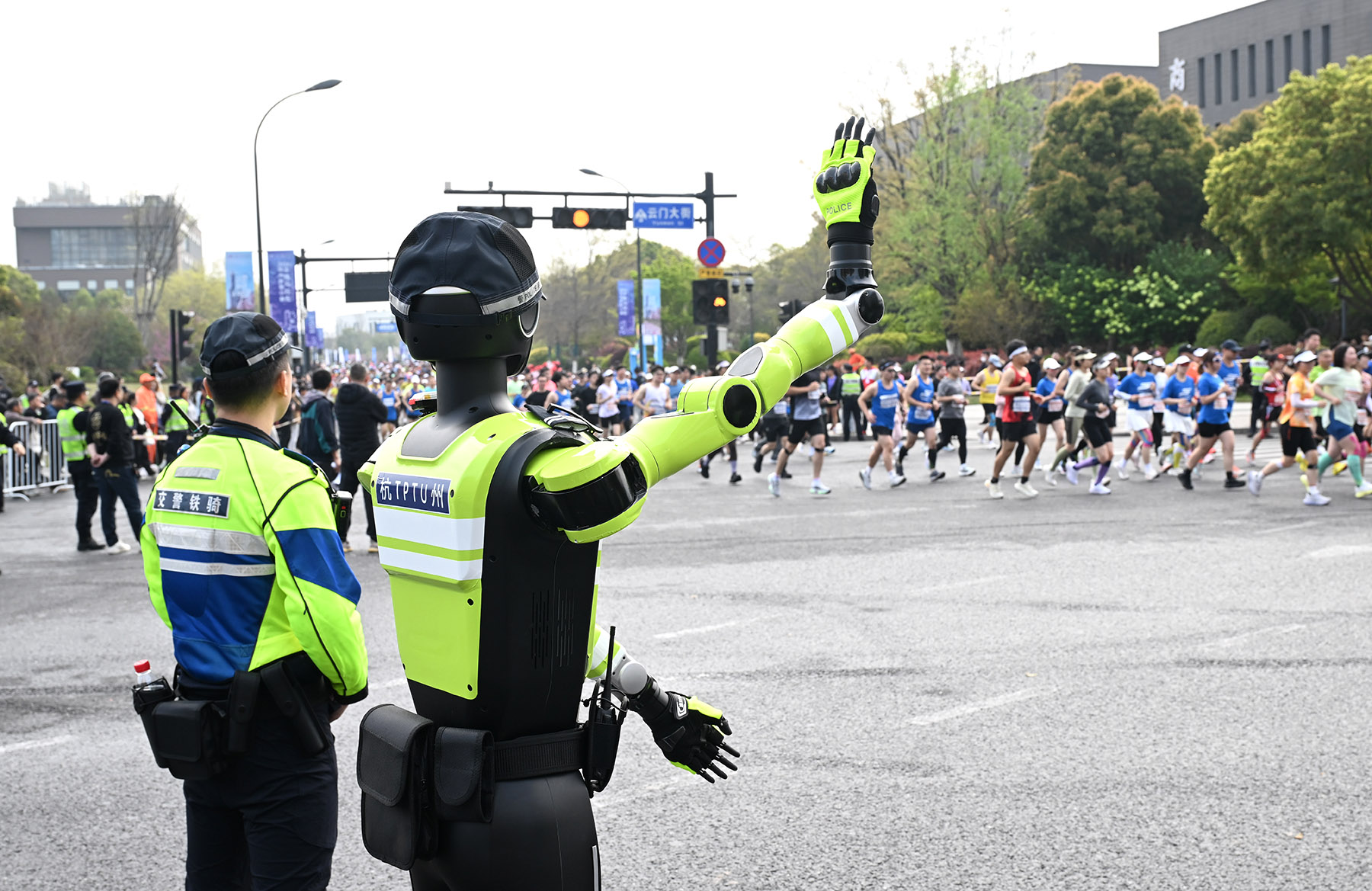
The "Notice on Further Regulating Marathon Events", issued by the CAA in October 2025, aimed to improve the control and management of the marathon craze. The new regulations emphasized safety, quality, and the participants' experience, requiring organizers to implement strict oversight and risk-management practices.
The new regulations have already had a significant impact on this spring's marathon season. In the last two weekends of March, 39 marathons were held nationwide, down from 57 during the same period last year, the CAA said.
In Hubei province, for example, the number of approved races is expected to fall to 22 this year, down from 31 in 2025.
"Most of the cuts are at the county level," Zhang Hua, head of the provincial athletics association, told Xinhua News Agency. "Events without sufficient financial or organizational capacity have been scaled back."
Raising the age limit in most events for full marathon participants to 20 and requiring proof of prior race experience are about improving runners' protection, he added.
"For amateur runners, the purpose of running a marathon is keeping fit, not blindly chasing personal bests or pushing limits," Zhang said.
Bao Bo, head of Wuhan Marathon Sports Company, said the new focus on quality over quantity is already evident, with a number of events enhancing the overall experience, cultural content, and economic impact.
"Domestic marathons are entering a stage of high-quality development, emphasizing specialization, diversification and integration," he said.
The evolution reflects a broader trend of using marathons as platforms for cultural exchanges and economic development, positioning them as key drivers of urban growth and tourism, Bao said.
Enthusiasm unwavering
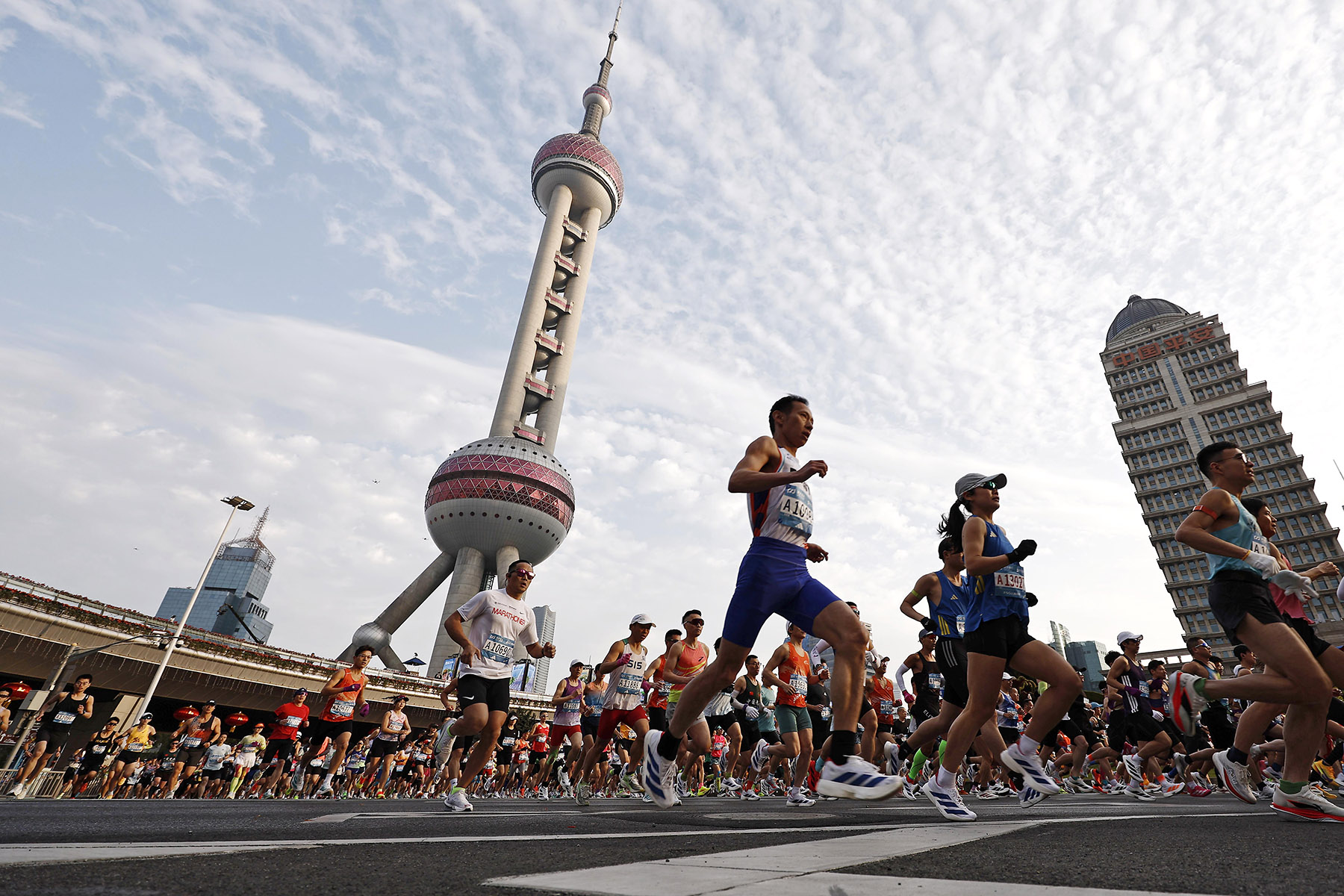
For runners nationwide, the reduction in the number of races has not dampened their interest in hitting the pavement.
The 2026 Wuxi Marathon in Jiangsu province on March 22 received a record 495,635 registration applications, setting a new high for marathon registrations in China, with the half-marathon acceptance rate as low as 2.9 percent.
The Wuhan Marathon received 451,431 registration applications this year. Maximum participation for the full marathon was set at 17,000 runners and the half marathon at 13,000 runners.
Other marathons in China with over 200,000 registrants so far this year include Chongqing, Lanzhou in Gansu province, and Xiamen in Fujian province, along with the Meishan Renshou Half Marathon in Sichuan province.
The Wuxi Marathon is famed for its cherry blossom-lined route, with 42.195-kilometer race passing landmarks including Taihu Lake, Lihu Lake, Shangxian River Wetland Park and Jiangnan University. The event has been recognized by Runner's World magazine as one of "China's Most Beautiful Marathon Courses".
Chen Yi, director of the Wuxi Sports Bureau, said more than 90 percent of registered runners traveled from outside the city to participate this year, highlighting the event's growing national appeal.
Veteran runner Wang Hao, who ran in this year's race, said marathons have become a significant promotional platform for the host cities.
"The Wuxi Marathon is one of the most renowned marathons in China. The host city pays special attention to enhancing its reputation through the event, doing everything possible to please the runners," he said.
Wang said the race's main sponsor, a clothing company HLA (Heilan Home), gave each athlete a yellow suitcase filled with various gifts, including local delicacies like xiaolongbao (steamed buns). On the day of the race, trains and airports were filled with these yellow boxes, creating a vivid spectacle, Wang said.
Organizers also addressed common challenges associated with large-scale marathons, such as restroom shortages and congestion. Chen said Wuxi adopted a "runner-centered" approach, including the installation of high-capacity trough-style urinals at the starting area.
Setting the pace
With a combination of scenic appeal, large-scale participation, and integrated urban services, the Wuxi Marathon is seen as a model for how sporting events can support both city branding and economic growth.
Nearly 400,000 spectators gathered in Wuxi for this year's marathon, according to Shan Tingting, deputy director of the Wuxi city government office.
"This year, the Wuxi Marathon directly boosted economic benefits in dining, accommodation, transportation, tourism, and conventions, exceeding 510 million yuan," she said.
Wang Cheng from Zhejiang province, who ran in this year's marathon, visited Wuxi attractions such as Yuantouzhu Scenic Area, Nanchang Street, and Huishan Ancient Town on Friday and Saturday before the race.
"During the marathon, cherry blossom petals gently fall onto your hair, creating a unique and delightful experience that is hard to find elsewhere," she said.
This year, the Wuxi Marathon offered five levels of discounts, highlighting the city's appeal as a sports-friendly metropolis. All participants who registered for the 2026 Wuxi Marathon could enjoy multiple discounts on travel, accommodation, and certain products.
Finishers of the Wuxi Marathon also became eligible for an 80,000 yuan housing purchase discount with their completion certificate, extending the event's attractions to include long-term home ownership.
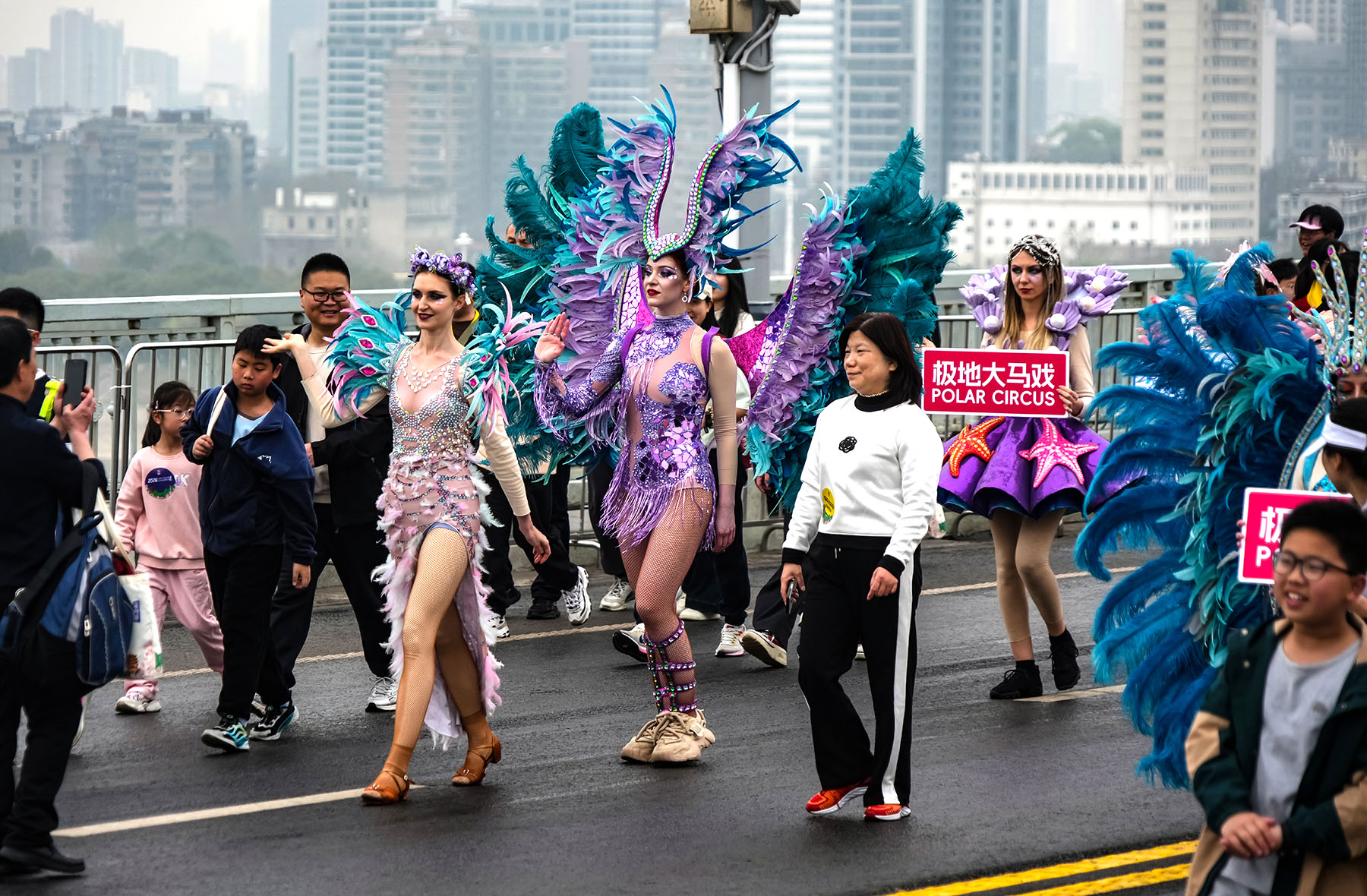
The Wuhan Marathon, held on March 22, also boasts a beautiful cherry blossom course that connects landmarks such as Jianghan Road, the Yangtze River Bridge and the East Lake Greenway.
According to data from online travel platform Ctrip, Wuhan's overall tourism orders from March 20 to 21 showed strong growth compared with the previous weekend. Hotel bookings increased by 237 percent, homestay orders by 147 percent, and vacation and entertainment orders by 118 percent.
Smaller events shine
Opportunities are also emerging for smaller and more specialized events.
On March 15, the 2026 Colorful Guizhou Marathon started in Xingyi, Guizhou province. The scenic marathon route featured seemingly endless rows of karst mountain peaks and golden rapeseed fields. To create a special atmosphere, locals sang mountain songs to cheer on the runners.
Along the marathon route, there were 21 featured spots that highlighted ethnic cultural performances. The showcases included the Miao ethnic group's bamboo flute dances and other specialized programs, allowing the runners to take in Guizhou's natural beauty while experiencing the cultural customs of the southwestern province.
As one of the most mature karst landform areas in Guizhou, the area boasts world-class tourism resources such as the Ten Thousand Peaks Forest, Maling River Canyon, and Huajiang Canyon Bridge as well as multiple aspects of intangible cultural heritage nurtured by the Bouyei and Miao ethnic groups.
During this year's annual sessions of the National People's Congress and the Chinese People's Political Consultative Conference National Committee, Huang Xingwen, head of Qianxinan prefecture, said the prefecture's aim is to connect many scenic spots into a chain to create a golden tourism route.
The Chengdu Marathon in Sichuan has also followed this strategy.
The event linked historical sites and landscapes, offering free entry to the Qingcheng Mountain-Dujiangyan Scenic Area and discounts at local attractions for participants.
Over 60 local businesses, including restaurants and hotels, offered special deals, highlighting the city's commitment to integrating marathons with broader economic activities.
This year, the event saw a 253 percent increase in foreign participants, with runners from 37 countries, including Australia, Brazil, Poland and Canada.
Zhejiang province has seen a dramatic fall in the number of road running events from a peak of 440 in 2025 to 41 events so far this year.
Over the past month, however, marathons in Zhejiang have focused on optimizing courses, enhancing support and meticulous organization.
The Ninghai Marathon, for instance, has transformed right-angle turns into gentle curves and added more medical stations.
The Changxing Taihu Tuying Marathon has, for the first time, incorporated the scenic Taihu No 9 Road into its course, linking 34 km of shoreline with 111 scenic spots.
ALSO READ: The long run to glory
During the Hangzhou Dream Town Half Marathon, volunteers, security personnel and medical workers were even equipped with smart glasses, using augmented reality and artificial intelligence to ensure the safety of the runners.
A representative of the Zhejiang Marathon and Road Running Association said the races that have survived the cuts are high-quality with more mature operations, higher standards and better professional support.
"Previously, the common question was 'how many races did you run this year', and now, the conversation has shifted to 'which race offered the best experience'," commentator Chen Jiang wrote in an article for Zhejiang Daily.
"What Zhejiang marathons have intentionally reduced and retained directly addresses the core needs of runners: safety, experience, and a sense of achievement. In fact, the transformation is quietly reshaping the culture and mindset of runners," Chen added.
"A high-quality marathon provides runners not just with a finisher's medal but with a memorable experience. Zhejiang's streamlining of marathons effectively helps runners filter out options, driving the industry toward survival of the fittest and maturity," he wrote.
Xiao Xiangyi contributed to this story.
Contact the writers at cangwei@chinadaily.com.cn
