

WASHINGTON/WASHINGTON - US President Donald Trump said on Truth Social on Wednesday that all US ships, aircraft, and military personnel will remain in place in and around Iran until the agreement reached is fully complied with.
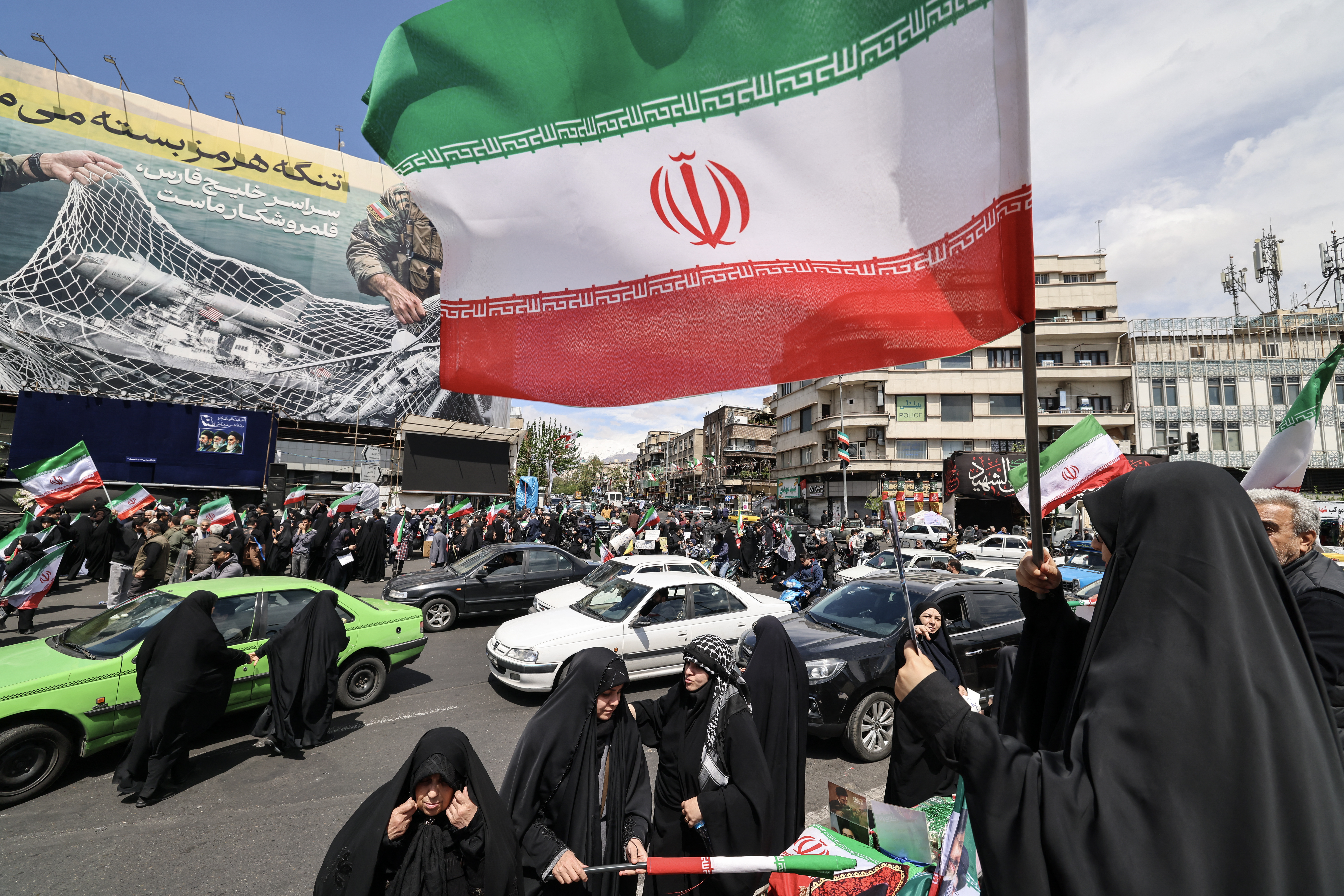
Meanwhile, Iran's Parliament Speaker Mohammad Baqer Qalibaf said Wednesday that a bilateral ceasefire or negotiations are "unreasonable" given violations of three key clauses in Iran's 10-point proposal.
In a statement published on social media platform X, Qalibaf said the non-compliance with the ceasefire in Lebanon, an entry of an intruding drone into the Iranian airspace, and the denial of Iran's right to uranium enrichment are the three key clauses already violated.
ALSO READ: US, Iran agree on 2-week ceasefire
"The very workable basis on which to negotiate has been openly and clearly violated, even before the negotiations began," he said.
A two-week ceasefire between the United States and Iran took effect on Wednesday, with peace talks scheduled to begin later this week in Islamabad, Pakistan. The Iranian side will be reportedly headed by Qalibaf.
Israel said that it would comply with the truce, but that the truce does not extend to Lebanon, although Pakistan, which mediated the agreement, said it does.
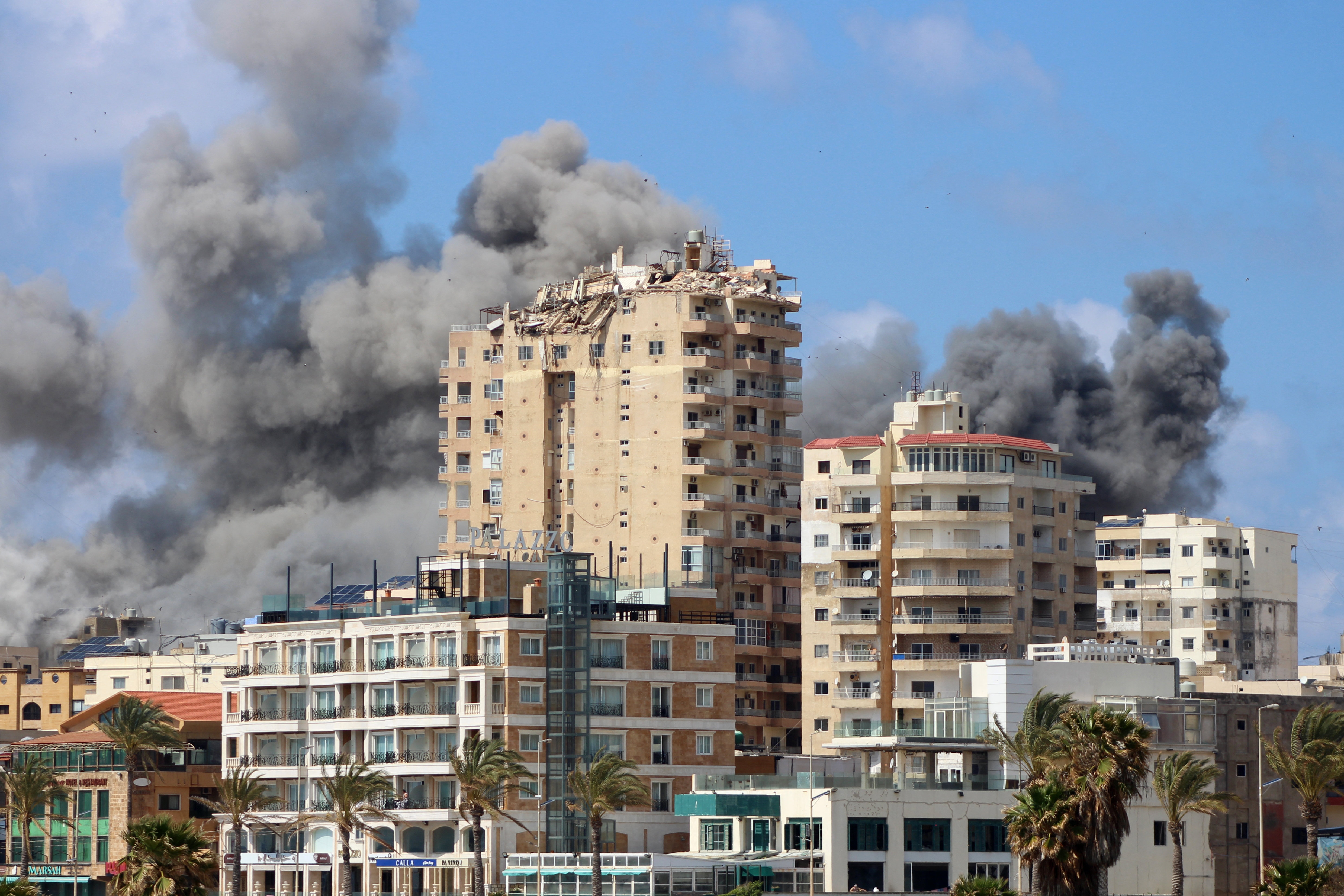
Condemning the Israeli attacks on Lebanon, Iran's Foreign Minister Seyed Abbas Araghchi said in a post on social media platform X, "The Iran-US ceasefire terms are clear and explicit: the US must choose -- ceasefire or continued war via Israel. It cannot have both."
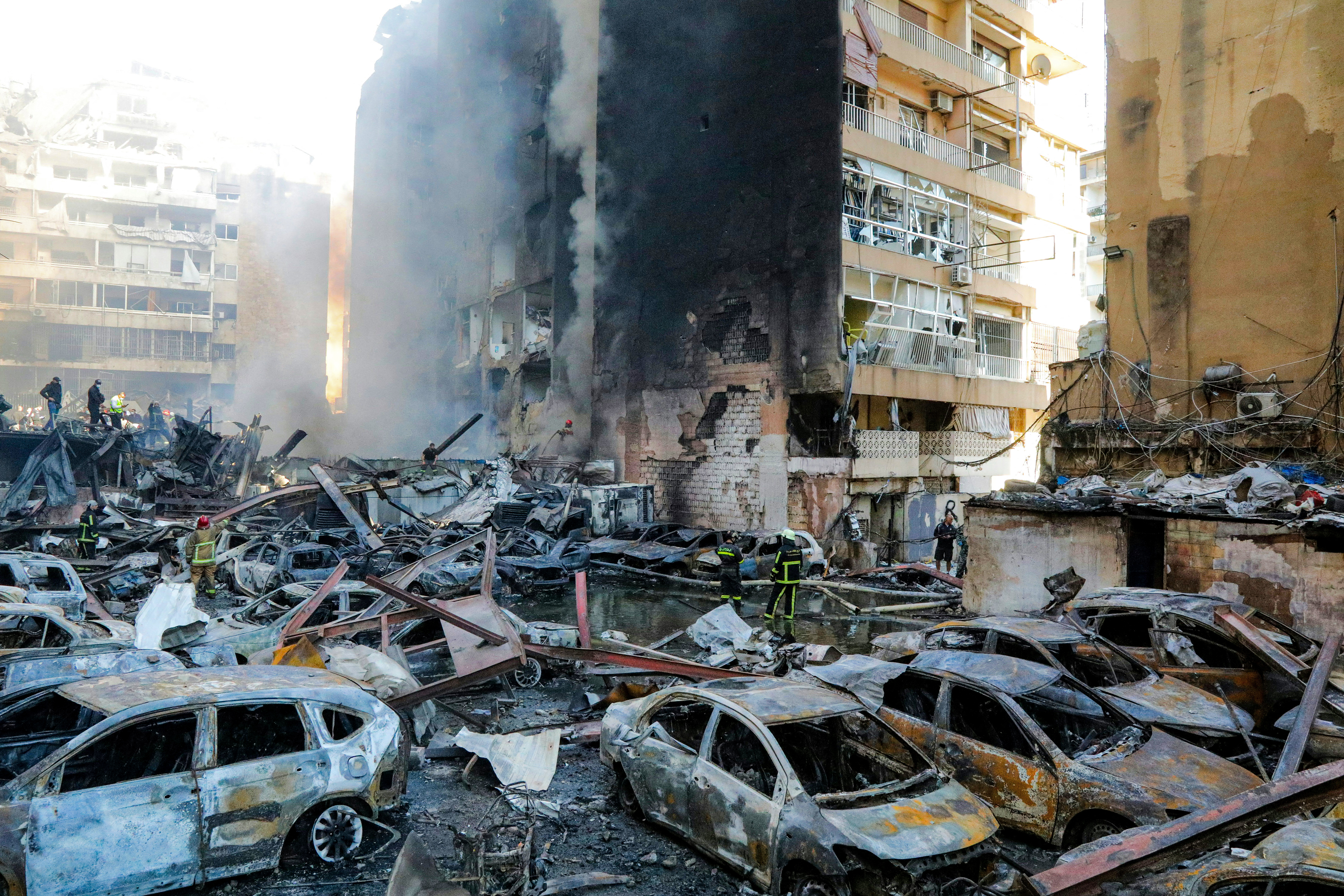
Earlier on Wednesday, the Israeli military said it had completed "the largest coordinated strike across Lebanon" since the start of the regional conflict, hours after the ceasefire came into effect.
So far, the strike has killed at least 254 people and injured 1,165 others, with densely populated neighborhoods in the capital, Beirut, among the hardest hit, according to the latest data provided by the Lebanese Civil Defense.
Later on Wednesday, several media reports said that air defense has been activated in Tehran and northern Iran's Alborz province to target drones of unknown source.
Report: Strait of Hormuz fully closed
Iran's state-run Press TV reported on Wednesday that the Strait of Hormuz has been fully closed, forcing oil tankers to turn back.
It citied maritime tracking data as showing that an oil tanker named AUROURA, which was heading toward the waterway's exit, had suddenly changed course near the Musandam coast and made a 180-degree turn, returning deeper into the Gulf.
ALSO READ: Iran issues 10-point plan calling for permanent end to war
The report added the maneuver occurred at one of the "most sensitive" sections of the international shipping route, between Larak Island and the Musandam Peninsula, "an area considered highly strategic due to the heavy traffic of energy shipments and its geopolitical importance."
This comes as Fars news agency said earlier in the day that the oil tankers' movements across the Strait of Hormuz had stopped concurrent with Israel's fresh deadly attacks on Lebanon.
According to Fars, after the ceasefire was achieved, Tehran allowed two oil tankers to safely cross the Strait of Hormuz.
Trump: Lebanon not included in ceasefire
Also on Wednesday, Trump said that Lebanon is not included in the US-Iran two-week ceasefire.
"That's a separate skirmish," Trump told PBS in a phone interview when asked about Israel's continued strikes on Lebanon.
He added that Hezbollah is not included in the deal and will "get taken care of too.”
Trump said Wednesday that he is considering setting up a "joint venture" with Iran to charge tolls from vessels passing through the Strait of Hormuz.
"We're thinking of doing it as a joint venture," Trump told ABC News. "It's a way of securing it -- also securing it from lots of other people. It's a beautiful thing," he said.
Also on Wednesday, White House Press Secretary Karoline Leavitt said US Vice-President JD Vance will lead the US team to attend in-person peace negotiations with Iran in Pakistan.
Trump's envoy Steve Witkoff and his son-in-law Jared Kushner will accompany Vance in the talks, Leavitt said at a White House press briefing.
Pakistan has proposed hosting talks between US and Iranian negotiators in Islamabad as early as Friday.
