

With superior character traits, Kunming canines a perfect fit for local security efforts
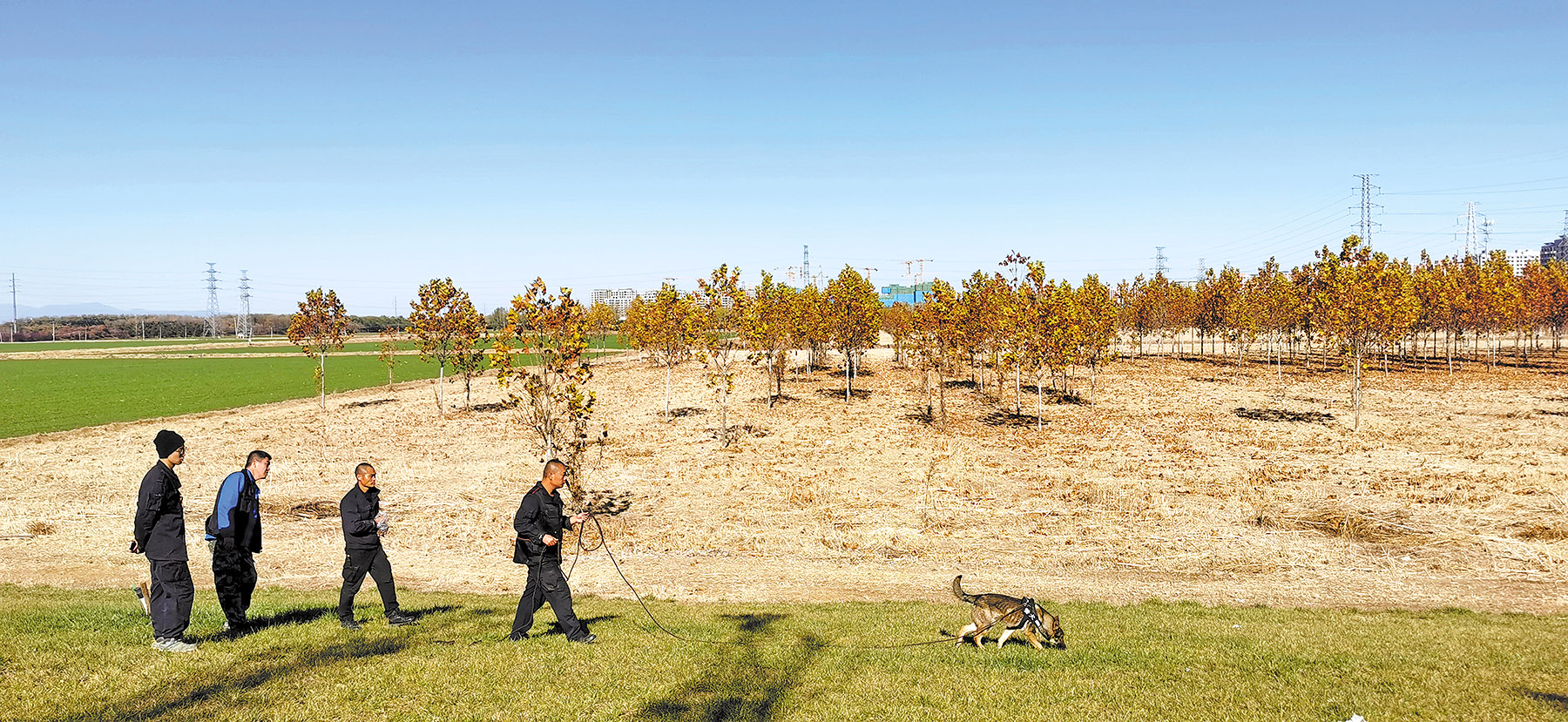
On a bright afternoon in early March, senior police dog trainer Long Ling worked seamlessly with a Kunming dog named Kunkun as the duo successfully completed three advanced training exercises.
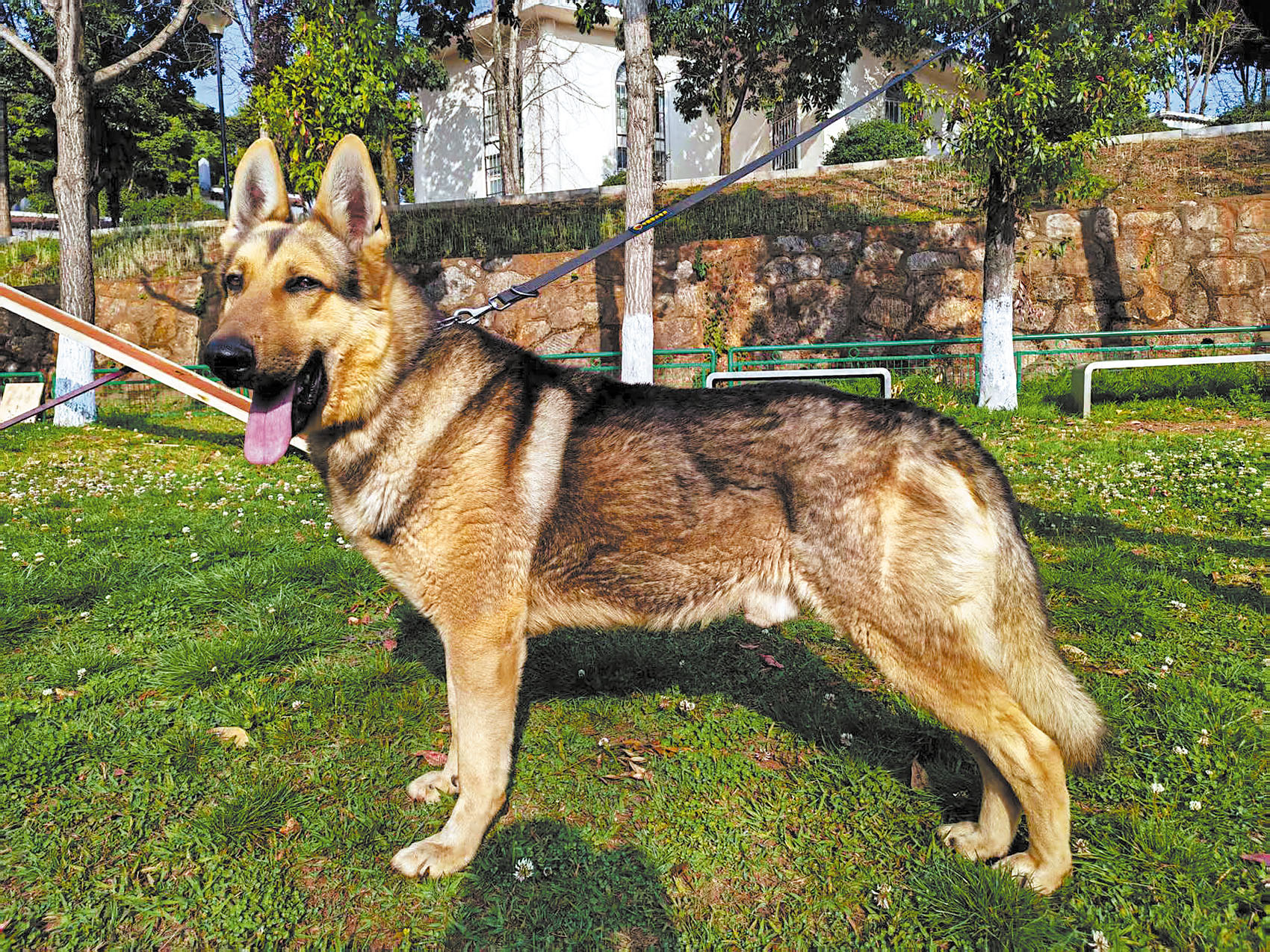
Two-year-old Kunkun is a demonstration canine at the Ministry of Public Security's Kunming police dog base in Yunnan province, a key center for training such animals.
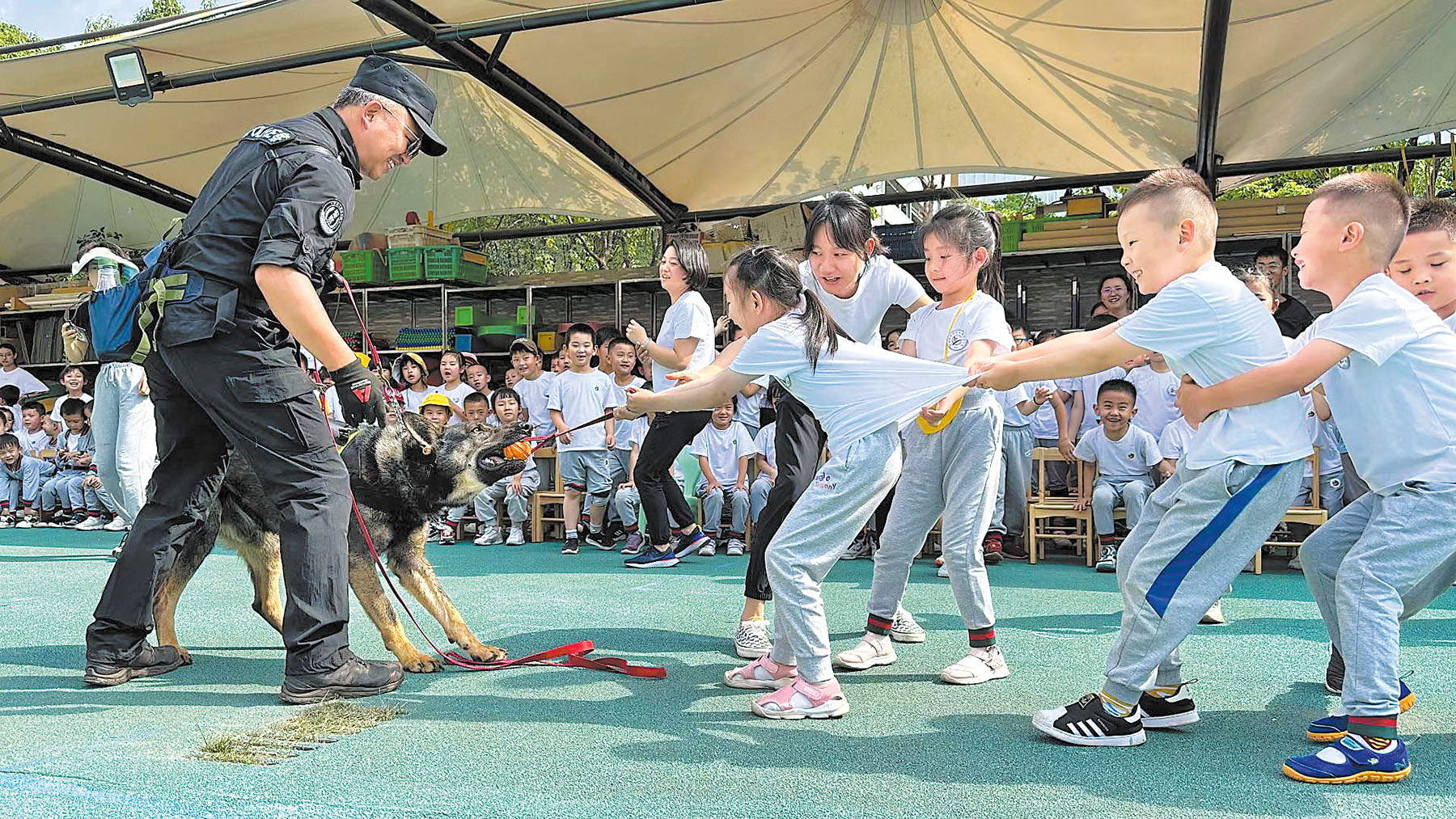
Kunkun is well-behaved. He is friendly but not overly excitable around people and loves playing with children. However, he can turn fierce when confronting suspects.
Long describes Kunkun as having an "Eastern" temperament — reserved and restrained, but capable of being intimidating when needed.
At the training session, when Long praised Kunkun for his good nature and strong capabilities, the dog lay on the ground wagging his tail. But when Long mentioned Kunkun had bitten another dog and needed to be watched more closely, the canine immediately stood up with his ears pricked.
READ MORE: More than a partner
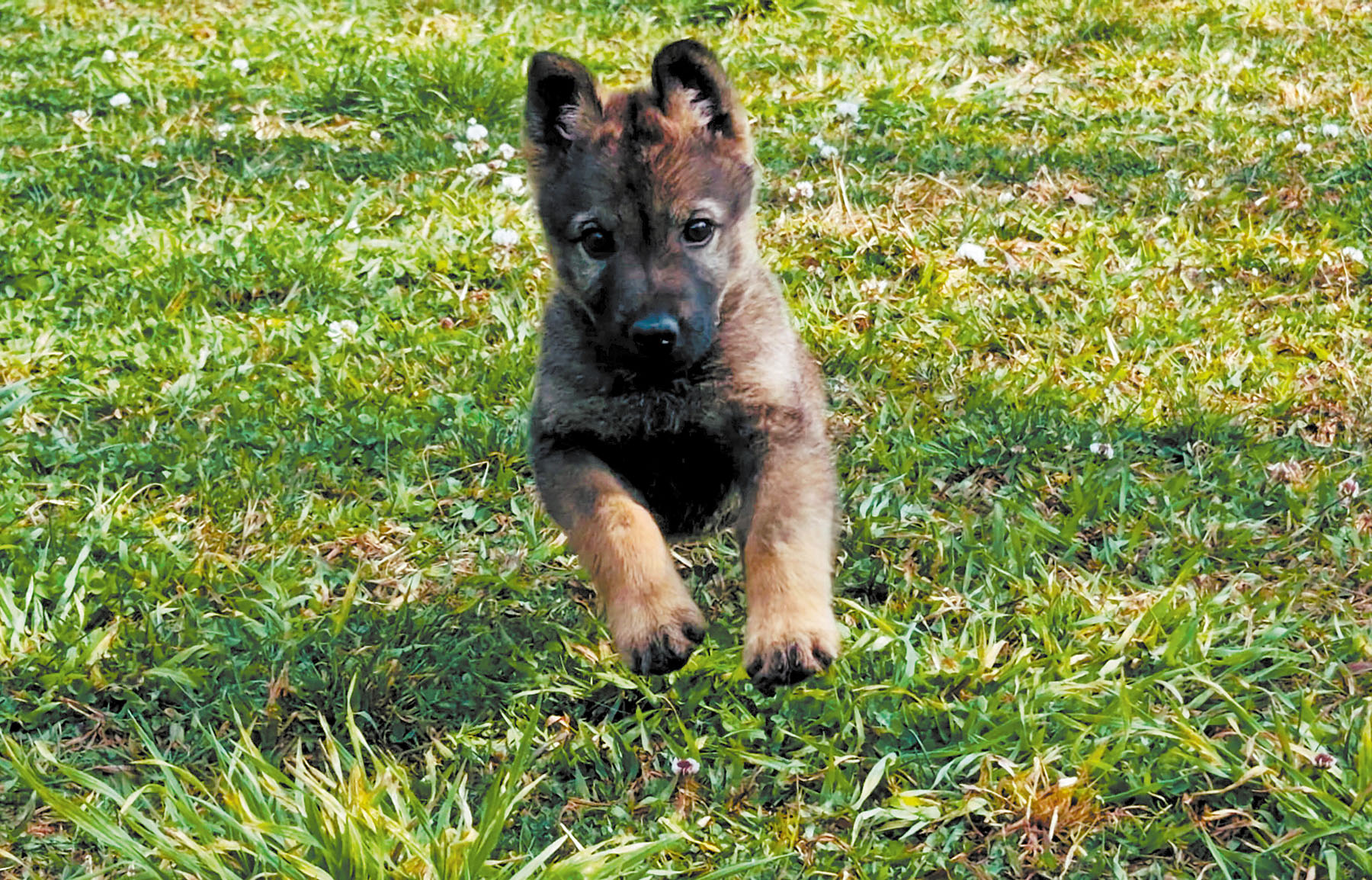
The bond between Long and Kunkun started in 2024 during an evaluation of puppies' suitability for police dog training. Just two and a half months old at the time, Kunkun scampered over and bit Long's pant leg, showing fearless curiosity. This confidence convinced Long to choose the puppy and name him Kunkun.
Over the past two years, Long has treated Kunkun like a family member, personally taking care of the dog's feeding, even during holidays. He gives Kunkun a treat once a week — a hearty serving of personally cooked beef.
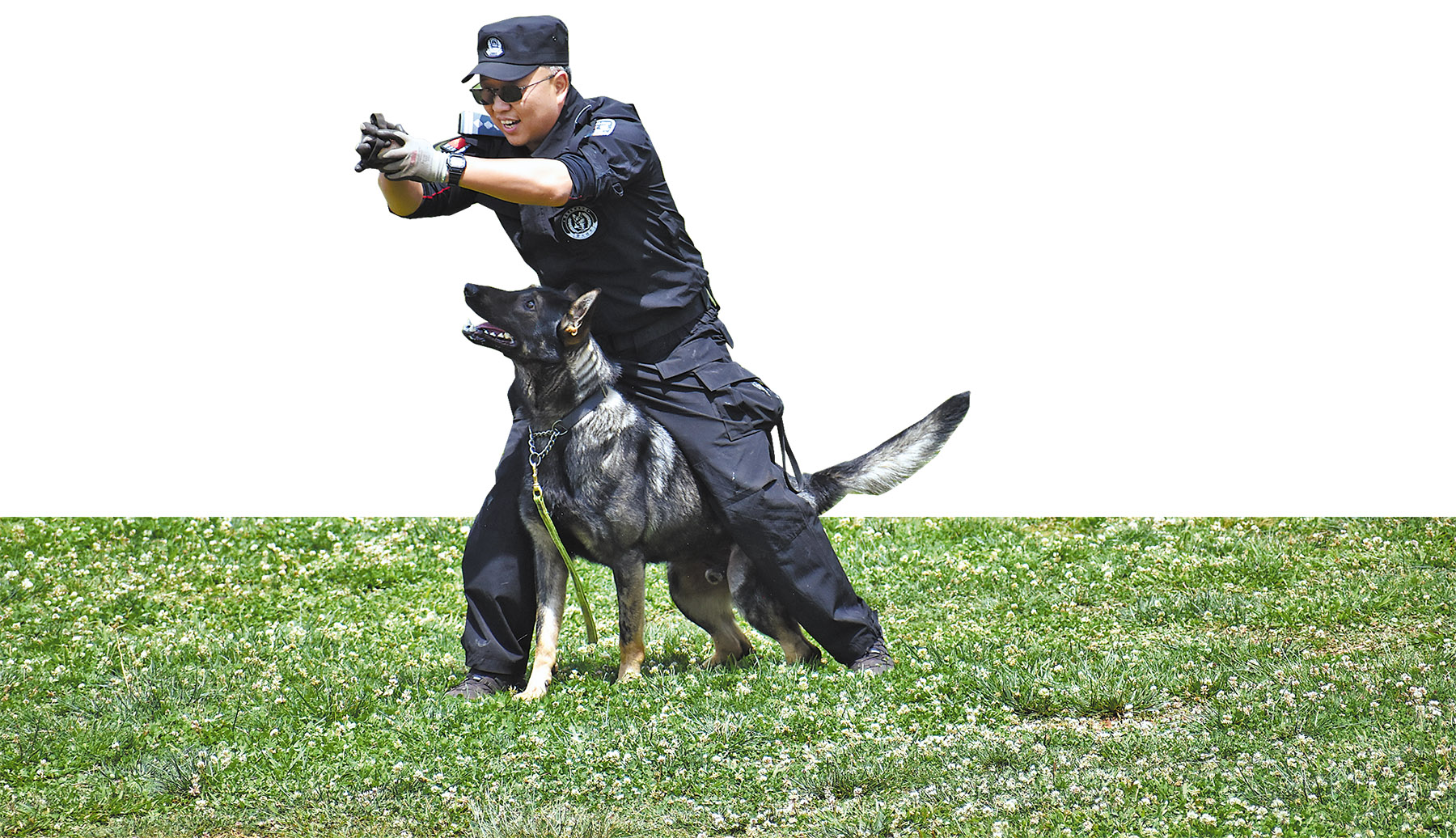
Under Long's care and training, Kunkun has developed into an all-around police dog, excelling in areas such as tactical coordination, close reconnaissance, and long-distance obedience. He is an exceptional example of the Kunming dog breed developed in China, Long said.
Hound for hound
Before the Kunming dog was developed, China largely depended on imported police dogs, a practice that was costly and not sustainable in the long term.
In the 1950s, Yunnan police selected 20 local wolfdogs from the high-altitude plateau city of Kunming for breeding and training. These dogs, with coats colored "wolf black" and "straw yellow", and some with black backs, became the origin of the three major strains of the Kunming dog, said Li Judong, deputy director of the breeding research office at the Kunming police dog base.
Over the decades, the Kunming police dog base used local canines to advance its breeding program. A reliable working breed was eventually developed with well-regulated bloodlines and stable core traits.
In 1988, the breed passed ministry-level verification and was officially designated the Kunming dog, marking its formal recognition in China's police system.
In 2007, the Kunming dog successfully passed evaluation by the National Commission on Genetic Resources for Livestock and Poultry and was added to the United Nations Food and Agriculture Organization's World Watch List for Domestic Animal Diversity. This made it the first and only Chinese police dog breed to be recognized by an international organization, possessing fully independent intellectual property rights.
Maintaining a stable supply of high-quality working dogs adapted to local conditions has become a key factor, according to the Ministry of Public Security.
In recent years, significant breakthroughs have been made in breeding Kunming dogs, said Wan Jiusheng, director of the breeding research office at the base.
The process has been standardized, covering all stages from selection and pairing to breeding, performance evaluation and promotion. This comprehensive approach has created a replicable breeding model and laid the foundation for establishing independent intellectual property rights, Wan said.
Extensive research has also been carried out on the preservation and innovation of the Kunming dog's genetic resources. In 2011, a genetic resource bank for the breed was established, encompassing live specimens, gametes, DNA and a database to ensure long-term preservation.
Advanced reproductive technologies such as semen cryopreservation and embryo transfer have been employed to address reproductive challenges in dogs.
In addition, gene-assisted breeding and disease screening technologies have been implemented. Through whole-genome resequencing and genome-wide association studies, genes associated with traits like olfaction, endurance and environmental adaptability for police work were identified, resulting in the creation of a comprehensive genetic variation map.
In 2024, a gene chip specifically designed for the Kunming dog was developed to verify breed purity and screen for genetic diseases such as hip dysplasia and retinal detachment.
In the past few years, cloning technology has been promoted. China's first cloned police dog, Kunxun, was born in December 2018 following joint research led by the Kunming police dog base. The animal is a clone of Huahuangma, a 7-year-old female police sniffer Kunming wolfdog. Huahuangma was recognized by the Ministry of Public Security as a first-class meritorious dog in 2016, for her contributions to murder case investigations.
The cloned individual achieved a DNA similarity of over 99.9 percent with the donor, enabling the precise replication of the exemplary genes of the meritorious dog.
Different skills
The Kunming dog has advantages over other established police dog breeds, such as the German Shepherd and the Belgian Malinois, Li said.
As a native breed, the Kunming dog often shows better resilience and adaptability in harsh conditions including high altitudes, cold, or extreme heat.
Each of the three strains of the breed possesses its own strength. The back black strain, known for its fierceness, is ideal for roles in public security. The straw yellow strain typically shows prolonged excitability, making it more suitable for tracking tasks. The wolf black strain combines the strengths of the other two, offering enhanced overall capability and stability.
On March 2, a 5-month-old black back Kunming dog named Wangcai formally took part in his first blood scent recognition training session at the dog base.
Under a large tree, Wangcai quickly pinpointed the location of the bloodstain and alerted his trainer, Pang Shuanglong.
The 27-year-old trainer said Wangcai is a very clever dog. Sometimes, after locating the target, he pretends not to have found it just to get a few extra treats.
The breed has an excellent sense of smell. Between 2018 and 2024, researchers at the Kunming police dog base conducted a scent recognition and tracking study on 1,040 police dogs. Among the breeds tested, the Kunming dog ranked first, achieving an accuracy rate of 92.58 percent.
The exceptional sniffing ability of the Kunming dog is attributed to two key factors: the accumulation of superior genetic traits through generations of selective breeding and a training system tailored to their unique scent detection capabilities.
In mountainous terrains and on hard surfaces, the Kunming dog demonstrates superior endurance.
The breed can work continuously for 10 minutes under these conditions, compared with the 5-minute average for other breeds, said Fang Shaoqin, director of the application guidance department at the police dog base.
Fang added that the Kunming dog is empathetic and loyal to its owner. When Fang started training a dog named Yingzi, he fed him by hand and was bitten on the finger. The next day, when he saw Yingzi again, the dog seemed to have an apologetic look in his eyes.
From that point on, Yingzi became much more composed. The dog never bit Fang's fingers again, even at feeding time.
Another trainer, Wan Kui, said that when he started training Xiaohuang, the dog was ill for an extended period.
However, Wan never gave up on the animal. As training progressed, the 42-year-old trainer and Xiaohuang developed a strong bond. With just a wave of Wan's hand, Xiaohuang could instinctively understand whether it was time to do obedience training or search tasks.
Now, Xiaohuang is a lively, outgoing dog with a friendly nature. When kindergarten children visit, he remains calm and gentle as dozens of little hands pet him, never showing any signs of aggression.
In addition, Xiaohuang excels in search training. Wan said in mountainous and forested regions, police dogs are essential for tracking down criminal suspects or finding missing elderly people and children, particularly when other methods have fallen short.
Wide deployment
Guobao, a 7-year-old Kunming dog at the police dog unit of the Kunming Public Security Bureau, is the official security search dog for the Yunnan city football league, or Dianchao.
Guobao has also participated in numerous explosives detection missions and has never made a mistake.
In fact, over the past three years, the Kunming Public Security Bureau has deployed Kunming dogs in over 1,320 explosives detection and security inspection tasks, achieving "zero errors and zero mistakes" in all critical tasks.
In addition, over the past five years, Kunming dogs from the bureau have been involved in more than 80 operations, including apprehending criminal suspects, searching for evidence, and locating missing persons, and have played a crucial role in more than 30 of these cases.
ALSO READ: Psychology, discipline key to training 'hero' police dogs
After 70 years of selective breeding and refinement, Kunming dogs have established a robust population. Their promotion and deployment as working dogs has been highly successful, said Li Bo, deputy director of the Kunming police dog base.
Each year, the Kunming police dog base breeds over 600 Kunming puppies, providing more than 500 qualified six-month-old Kunming dogs. Over 300 Kunming dogs are supplied to public security agencies and other departments across the country every year.
According to the Ministry of Public Security, Kunming dogs have been widely deployed in various fields such as public security, emergency management, and customs anti-smuggling operations. The breed has achieved remarkable success in specialized roles such as scent detection, tracking, evidence searching, counterterrorism, and emergency rescue.
Kunming dogs have also been introduced to over 10 countries and regions including Singapore, Vietnam, and Pakistan. They act as ambassadors for international police cooperation and demonstrate China's expanding expertise in the development of police dogs, according to the ministry.
Zheng Jiarui in Kunming contributed to this story.
Contact the writers at yanyj@chinadaily.com.cn
