

CANBERRA - Australia's environment enjoyed another year of above-average conditions in 2025, but climate change is "accelerating" damage to ecosystems and wildlife, a new report said Tuesday.
Conducted annually, the 2025 Australia's Environment Report found the number of species listed as threatened under federal law has grown to 2,175, a 54-percent increase since 2000, with 39 new listings in 2025.
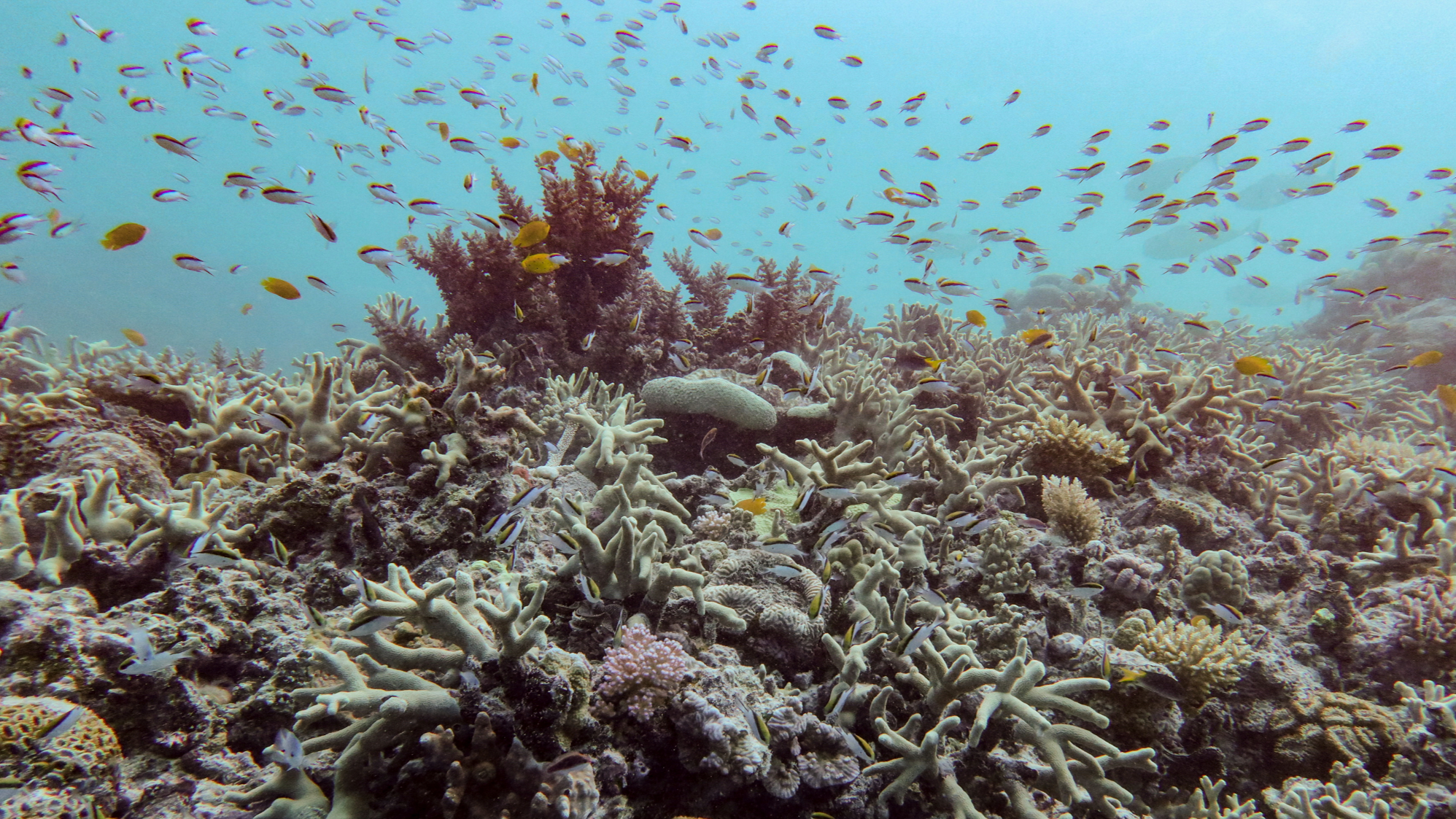
Sea surface temperatures around Australia reached their highest-ever recorded level in 2025, said the report, led by The Australian National University (ANU) in collaboration with Terrestrial Ecosystem Research Network (TERN), Australia's ecosystem observatory.
READ MORE: Australia's Great Barrier Reef stays off UNESCO danger list
The report also found that heat stress across 79 percent of satellite-monitored reef locations around Australia exceeded their once-in-a-decade threshold, more than any previous year in the 40-year record, leading to a sixth mass bleaching event on the Great Barrier Reef.
A warm water algal bloom spread along nearly a third of the state of South Australia's coast, killing marine life and affecting coastal communities for most of the year, it said.
"Marine ecosystems and wildlife continue to bear the cost of a warming climate," the report's lead author ANU Professor Albert Van Dijk said.
"These extreme marine heatwaves are the underwater equivalent of the Black Summer bushfires -- large-scale, climate-driven mass mortality events that used to be rare but are now happening more often," Van Dijk said.
READ MORE: Tasmanian Devils set paw on mainland Australia after 3,000 yrs
TERN's Threatened Species Index, which tracks population trends of listed species over time, shows that threatened species have declined by an average of 59 percent since 2000, with reptiles and frogs down by 88 and 67 percent, respectively.
