

Xi's vision for Xiong'an New Area's high-quality development, prioritizing people's lives achieved
For years, Xing Jie and her husband, Li Jinghe, ran a small hardware store in a rural area of Hebei province. When the couple learned their village was included in the blueprint for the Xiong'an New Area and that relocation was imminent, they had mixed feelings — leaving behind a secure, familiar life for an unknown future.
"We were reluctant to leave because we couldn't picture what the new area would be like," Xing recalled.
However, that uncertainty began to fade when the couple used their compensation from the relocation project to rent a 500-square-meter warehouse in neighboring Baigou, a major commercial and logistics hub. Pivoting from retail to wholesale, their business expanded in unexpected ways. "It has turned out much better than we ever expected," Xing said.
READ MORE: Beijing to boost new productive forces with Tianjin, Hebei
In 2021, the family moved into a bright, new apartment in Rongdong district. With the initial unease about relocating a distant memory, Xing said what reassures her most is the future unfolding there.
"The opportunities, especially for the younger generation, are far greater than what a small village store could ever offer," she said. "Life here simply feels right."
The family's experience is more than a personal story; it is living proof of a national vision fleshed out into reality.
Hands-on role
Established in April 2017, the Xiong'an New Area — dubbed "China's city of the future" — is designed to relieve Beijing of functions non-essential to its role as the capital and drive the coordinated development of the Beijing-Tianjin-Hebei region.
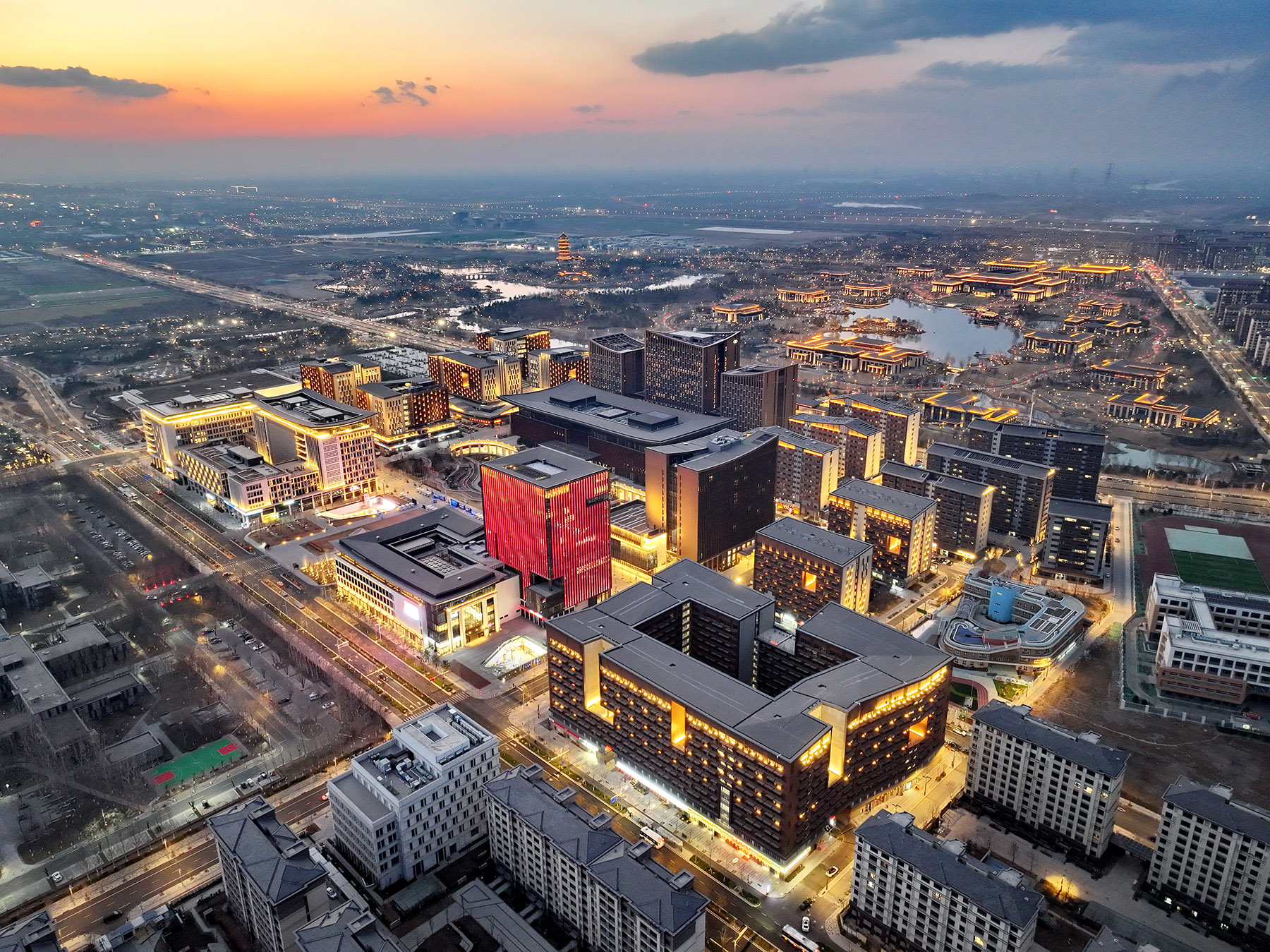
As Xiong'an approaches its ninth anniversary, the evolution of its skyline, functional integration and industrial development stand as clear evidence of its sustained vitality and forward momentum. Progress has been guided from the outset by President Xi Jinping, who has taken a hands-on role in steering and advancing the initiative through every phase — from site selection and planning to construction and high-quality development.
On Feb 23, 2017, Xi made his first inspection tour to the site to assess the conditions and its suitability to take over Beijing's noncapital functions.
Located in the hinterland of Beijing, Tianjin and Hebei's Baoding, Xiong'an mainly spans the three counties of Xiongxian, Anxin and Rongcheng about 100 kilometers southwest of Beijing. It enjoys a favorable geographical position, well-developed transport links, and good natural resources in terms of land, water, and environment — and offers ample space for growth. These attributes, Xi explained, made it the prime choice for relieving Beijing of its non-essential functions.
During the visit, he emphasized that the planning and building of Xiong'an was "a major historic and strategic choice", and called for advancing its development with "a global vision, international standards, Chinese characteristics and future-oriented goals".
He outlined the vision for Xiong'an to become an eco-friendly and livable urban area, an area for leading innovation-driven development, a demonstration area for coordinated development and a pilot zone for open development, among other aspects.
Shortly after Xi's visit to the site, China officially announced the establishment of the Xiong'an New Area on April 1, 2017, another new area of national importance, following the Shenzhen Special Economic Zone in Guangdong province and the Shanghai Pudong New Area.
After the launch, Xiong'an entered a critical phase of planning and groundwork, with hundreds of experts and technical personnel mobilized to formulate its development framework. Phased progress was made on 19 specific plans and 24 specialized studies, covering issues such as eco-environmental restoration of Baiyangdian Lake, transportation and new-type urbanization.
This period of intensive research and planning culminated with the approval in April 2018 of the master plan document for building Xiong'an, which outlined the new area's development goals through 2035 and set forth a vision extending to the mid-21st century.
In 2019, as the building of Xiong'an transitioned from top-level planning to substantive construction, Xi made his second inspection of the area, choosing it as the first stop of a tour focused on the coordinated development of the Beijing-Tianjin-Hebei region.
During the visit in January that year, he listened to briefings on the new area's development plans, supporting policies and construction progress, examined models of urban design for the initial development zone, and reviewed plans for major projects and key initiatives.
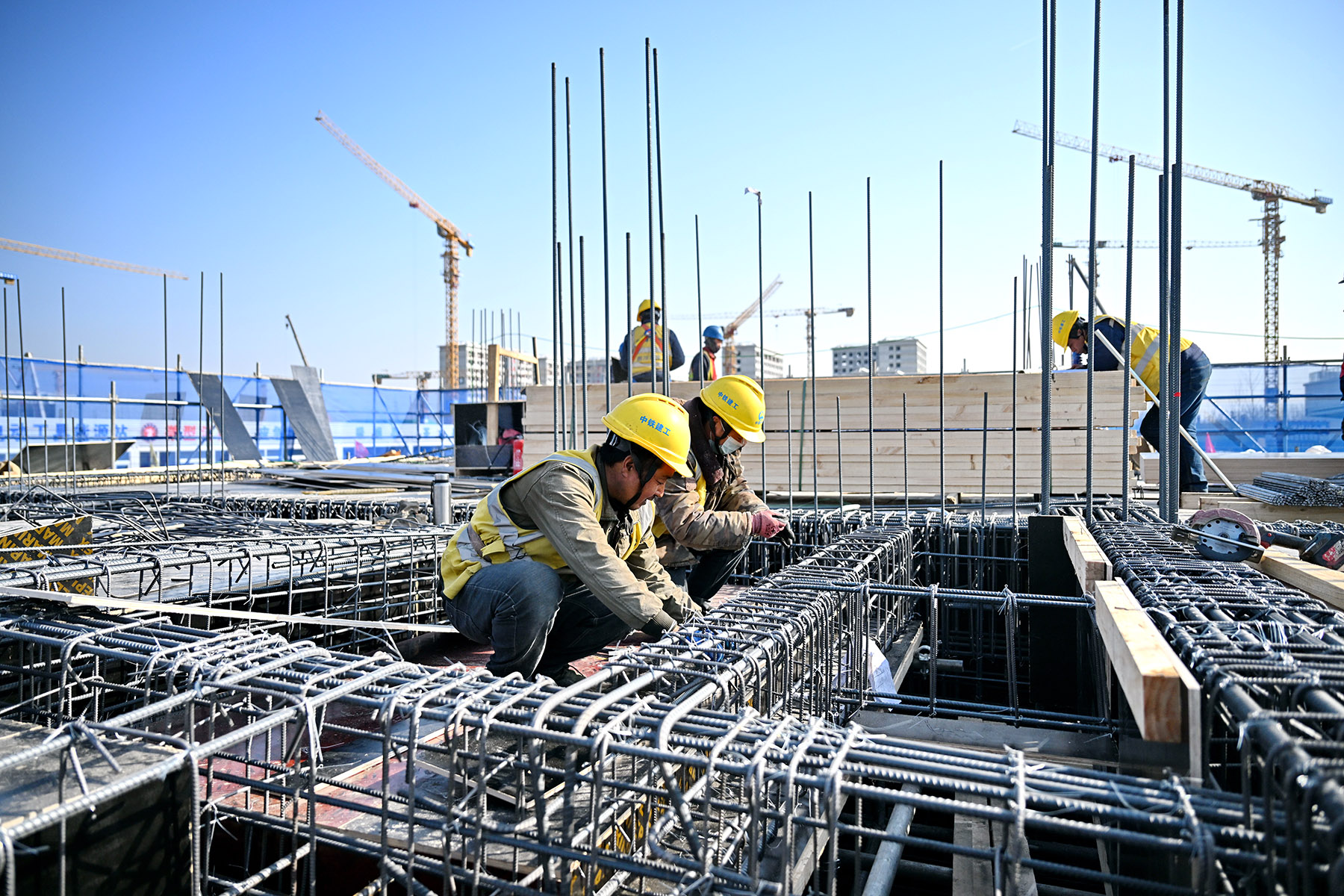
Highlighting the building of Xiong'an as "a strategy crucial for the millennium to come", Xi said that every inch of land should be clearly planned before construction begins, and urged meticulous efforts to ensure the development will stand the test of history.
'High-quality' ethos
He also stressed the need to maintain historical patience and strategic resolve, and to advance its planning and construction with high quality and high standards.
Liu Zhenming, deputy director of the Xiong'an natural resources and planning bureau, said that "Xiong'an quality" is implemented throughout the process of spatial planning, resource utilization and ecological conservation.
"Our efforts are aimed at maximizing the value of every inch of land through scientific planning and strict management. This will ensure that urban development withstands the test of history and time, allowing the public to share in the benefits of planning and development," he said.
The quality-oriented, sustainable development pursued by Xiong'an focuses not on the speed or scale of urban construction, but on how a city can enhance quality of life, achieve green and low-carbon industrialization, and enable smart and efficient urban operations, Liu explained.
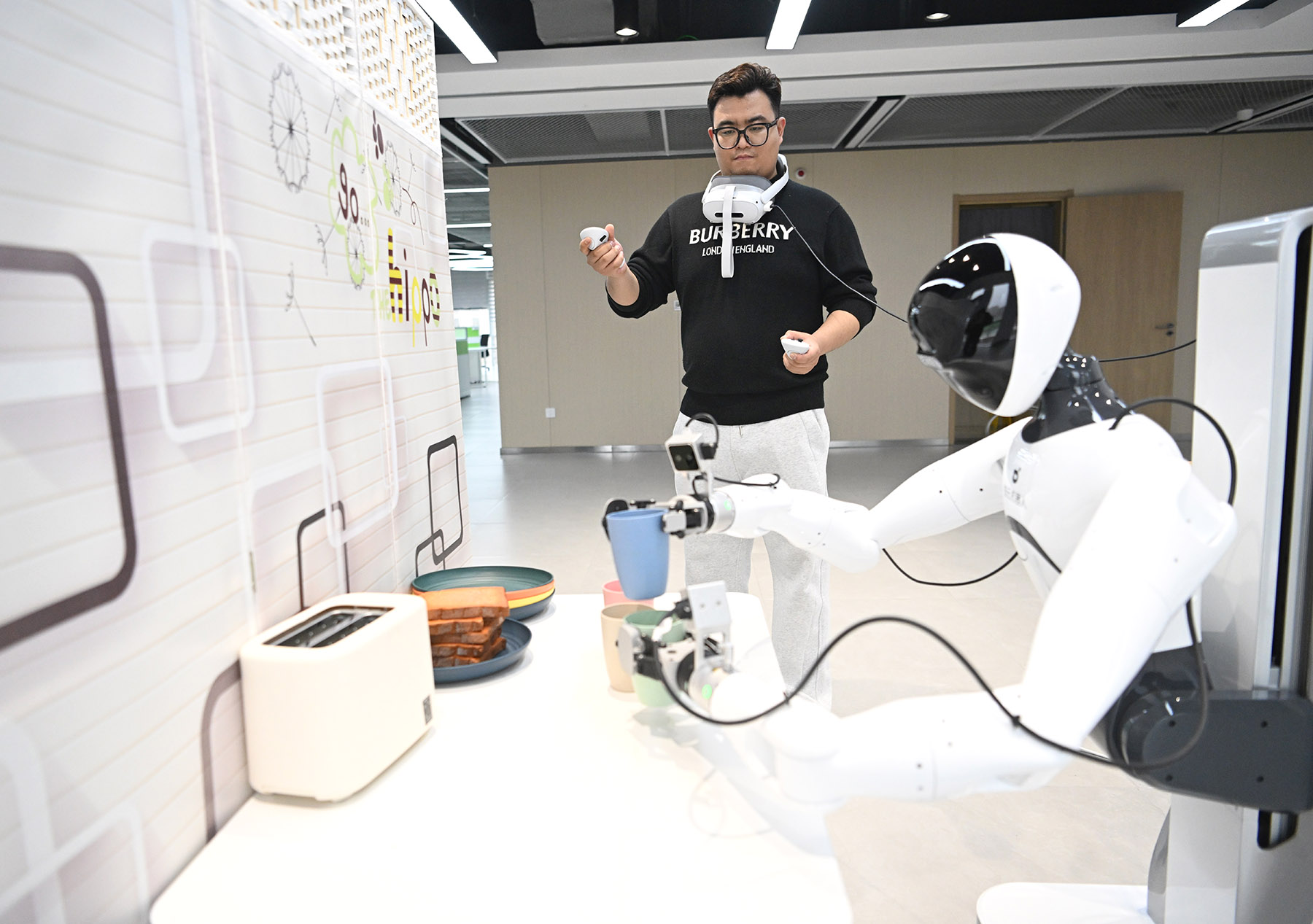
Guided by these principles, substantial and rapid progress has followed. During the 14th Five-Year Plan period (2021-25), three centrally administered State-owned enterprises — China Satellite Network Group, China Huaneng Group and Sinochem Group — relocated their headquarters to Xiong'an and commenced full operations. In addition, four Beijing universities have broken ground on their Xiong'an campuses and two hospitals are building new branches there.
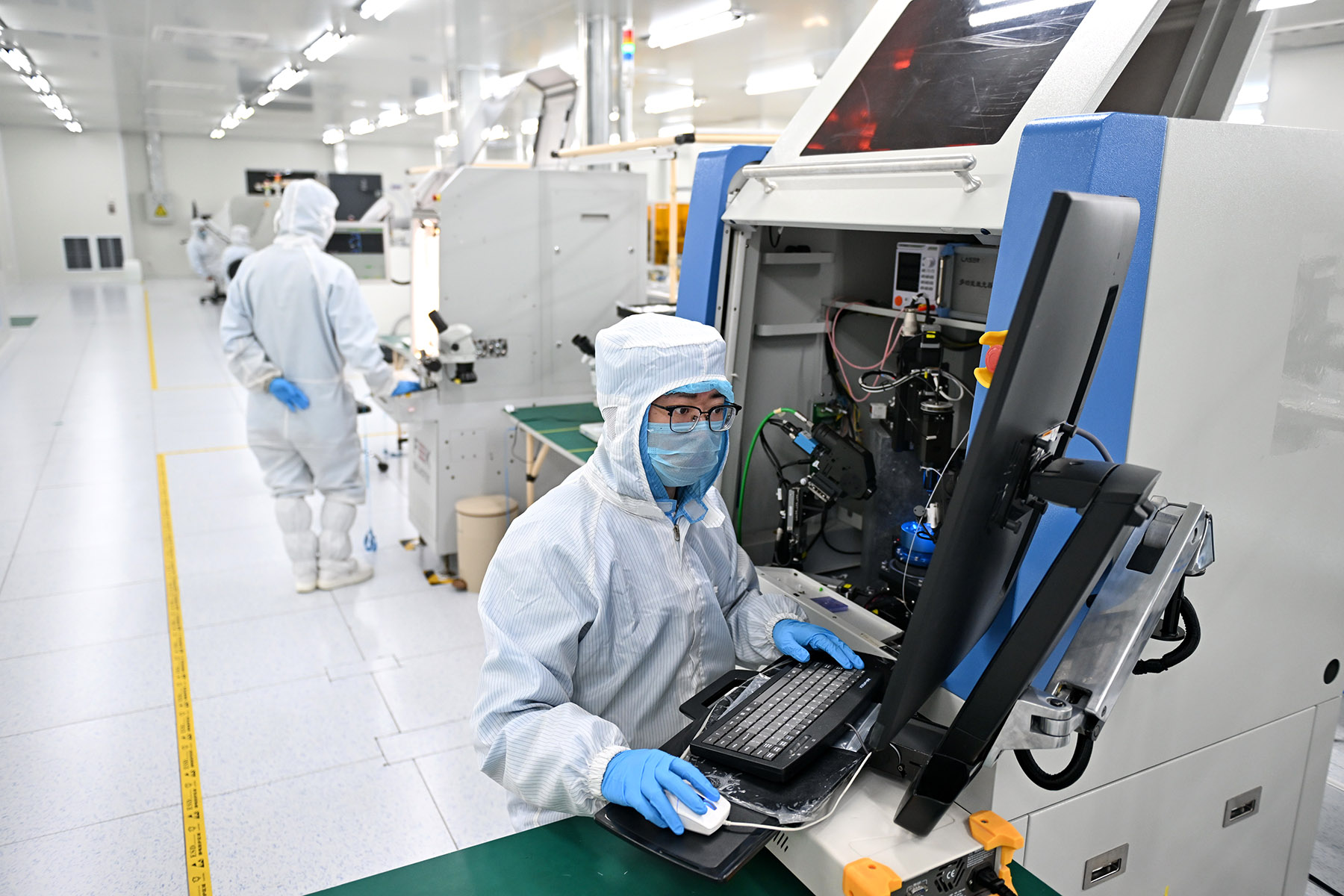
To date, more than 400 branches of central SOEs and over 4,000 Beijing-based enterprises have established a presence in the new area. The second group of projects relocating from the capital has also commenced in an orderly manner.
This momentum is also translating into new opportunities seized by a growing number of new residents. Liu Yangang, an employee of State Grid Digital Technology's Xiong'an branch, is one of them.
Initially assigned from Beijing in 2022 as a cost control manager for an innovation center project, Liu primarily made short-term business trips to Xiong'an in the early stages.
After discovering the new area's well-defined development plans and promising prospects, and learning living costs were nearly half of those in Beijing, Liu and his wife relocated their family there in 2023.
"Our decision was driven by a greater sense of security, policy-enabled benefits, improved quality of life and confidence in Xiong'an's long-term potential," Liu said.
Not long after the move, both Liu and his wife successfully applied for the Xiong'an Talent Card, which provides holders with streamlined access to services ranging from business registration and household settlement to healthcare, transportation and children's education.
"My card arrived within a month of applying. The convenience is real," Liu said.
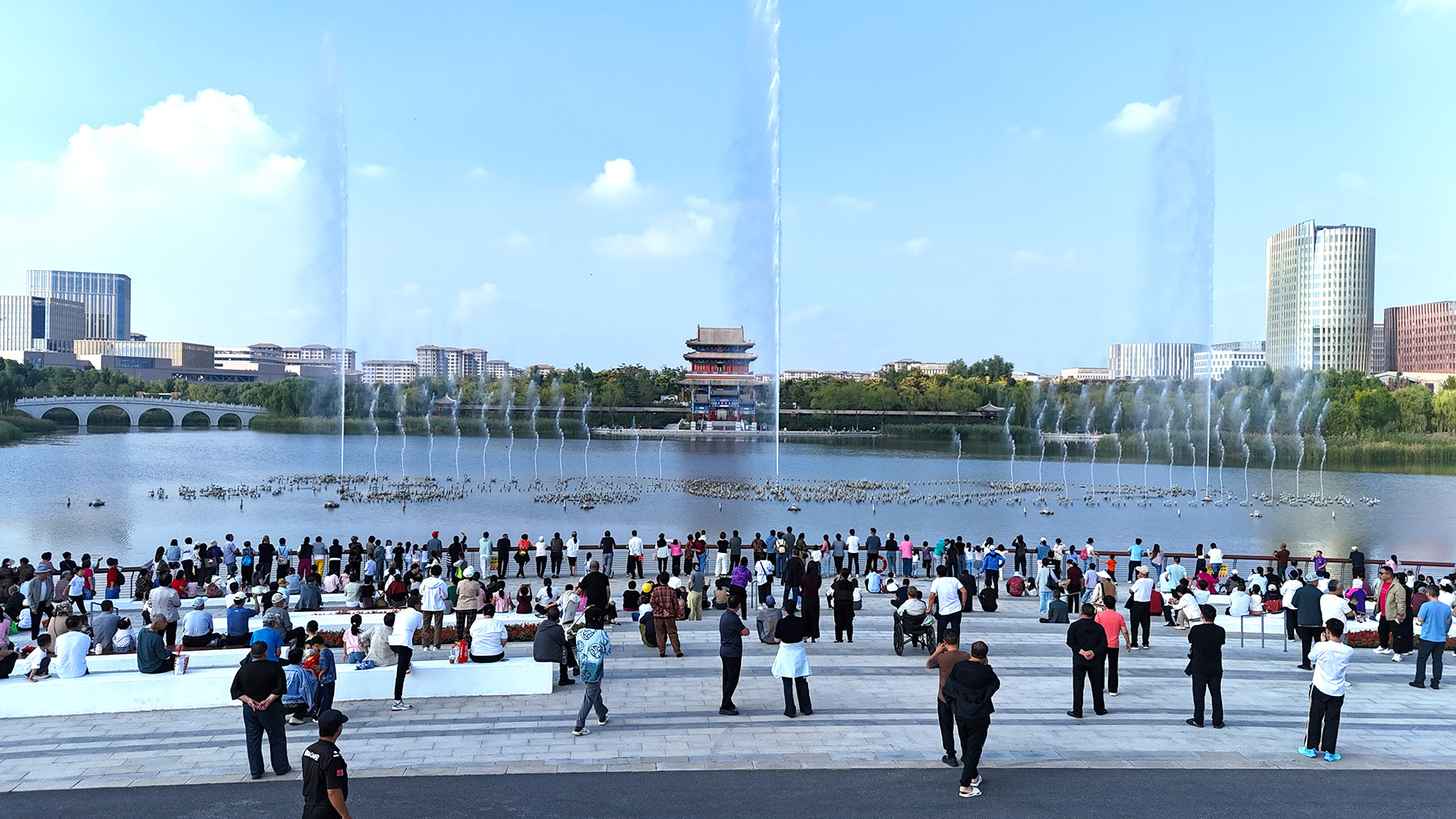
To date, more than 17,000 Xiong'an Talent Cards have been issued. Since 2017, Xiong'an has seen a steady influx of people, with the number of its permanent residents rising from about 1.05 million to approximately 1.41 million, an indication of the area's growing appeal.
'People-centered'
Xiong'an has taken concrete measures to turn people-centered governance philosophy into reality, said Zhang Jing, deputy director of the Xiong'an public service bureau, while emphasizing that the planning and building of Xiong'an embodies Xi's idea that "bringing benefit to the people is the fundamental principle of governance".
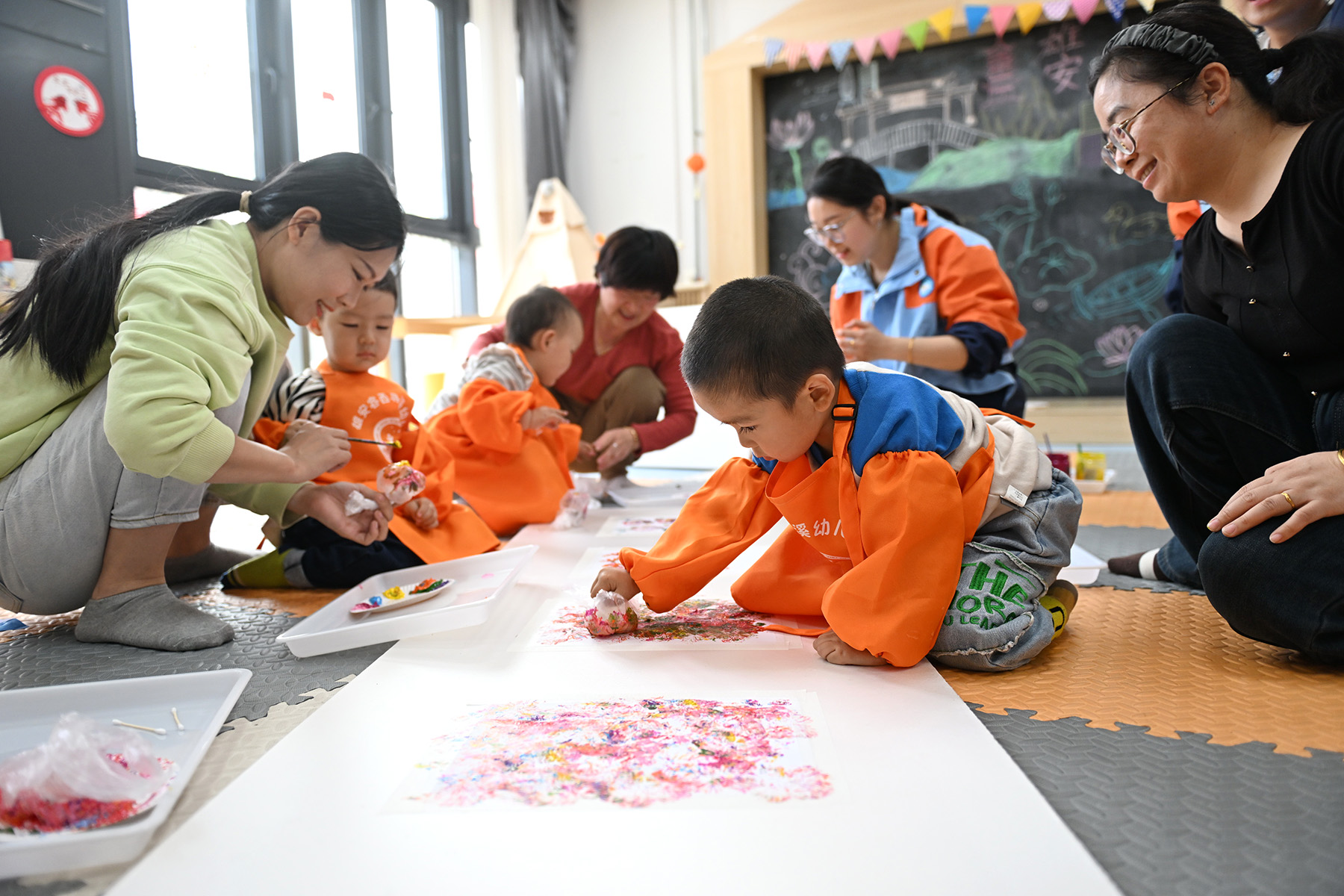
Key initiatives, Zhang added, include ensuring smooth access to healthcare and pensions, improving employment opportunities and public services, and strengthening support for vulnerable groups, so that both relocated individuals and new residents can live a better life in Xiong'an.
These measures are what make the vision of a city for the people a tangible part of daily life, he said.
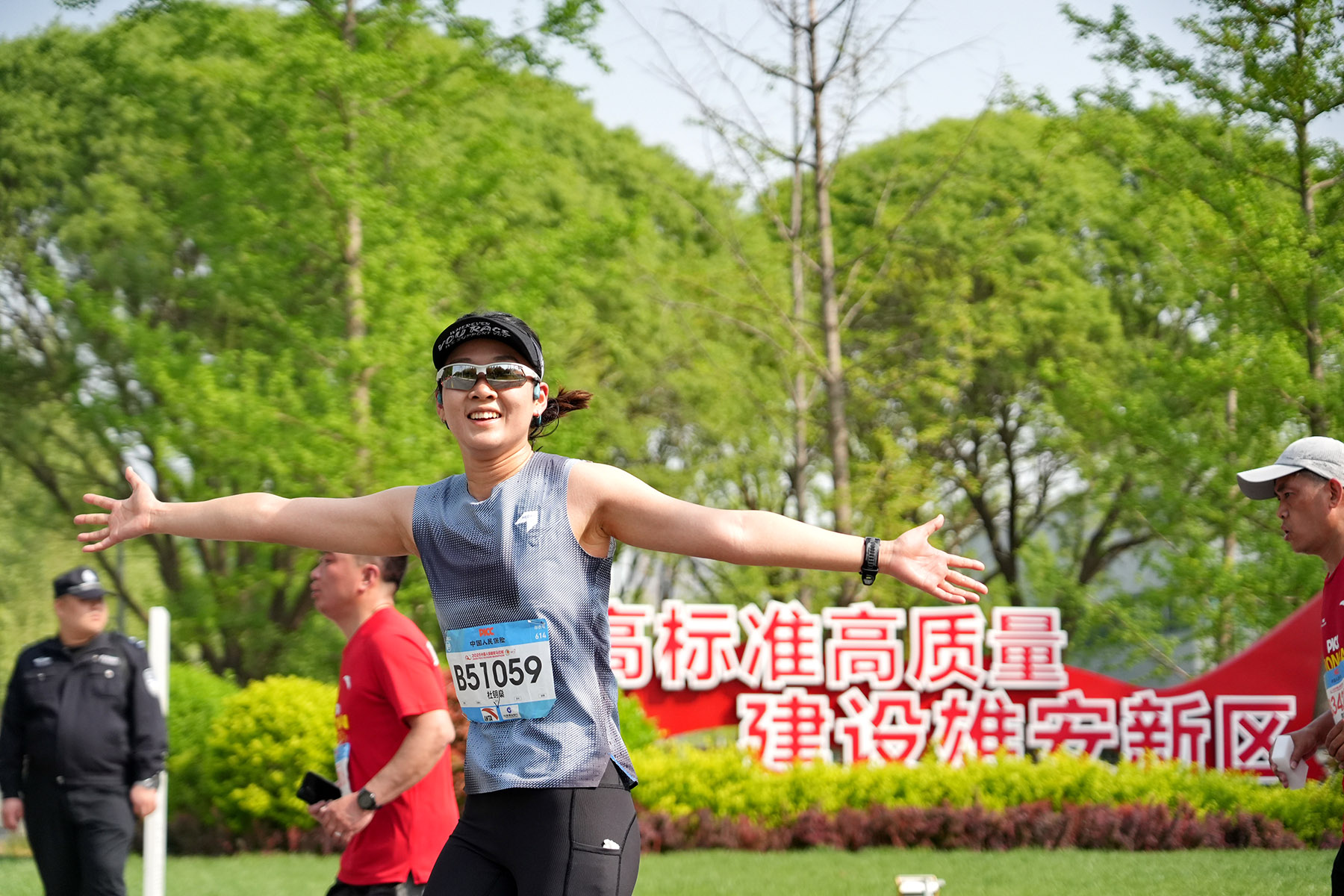
The people-centered approach has given form and substance to the vision Xi articulated during his third inspection to Xiong'an in May 2023 — that the development of the new area should bring the people a profound sense of fulfillment and happiness.
It was also during the visit that Xi pointed out that the focus of Xiong'an's development has shifted to high-quality construction, high-level management and high-quality development to relieve Beijing of functions non-essential to its role as the capital.
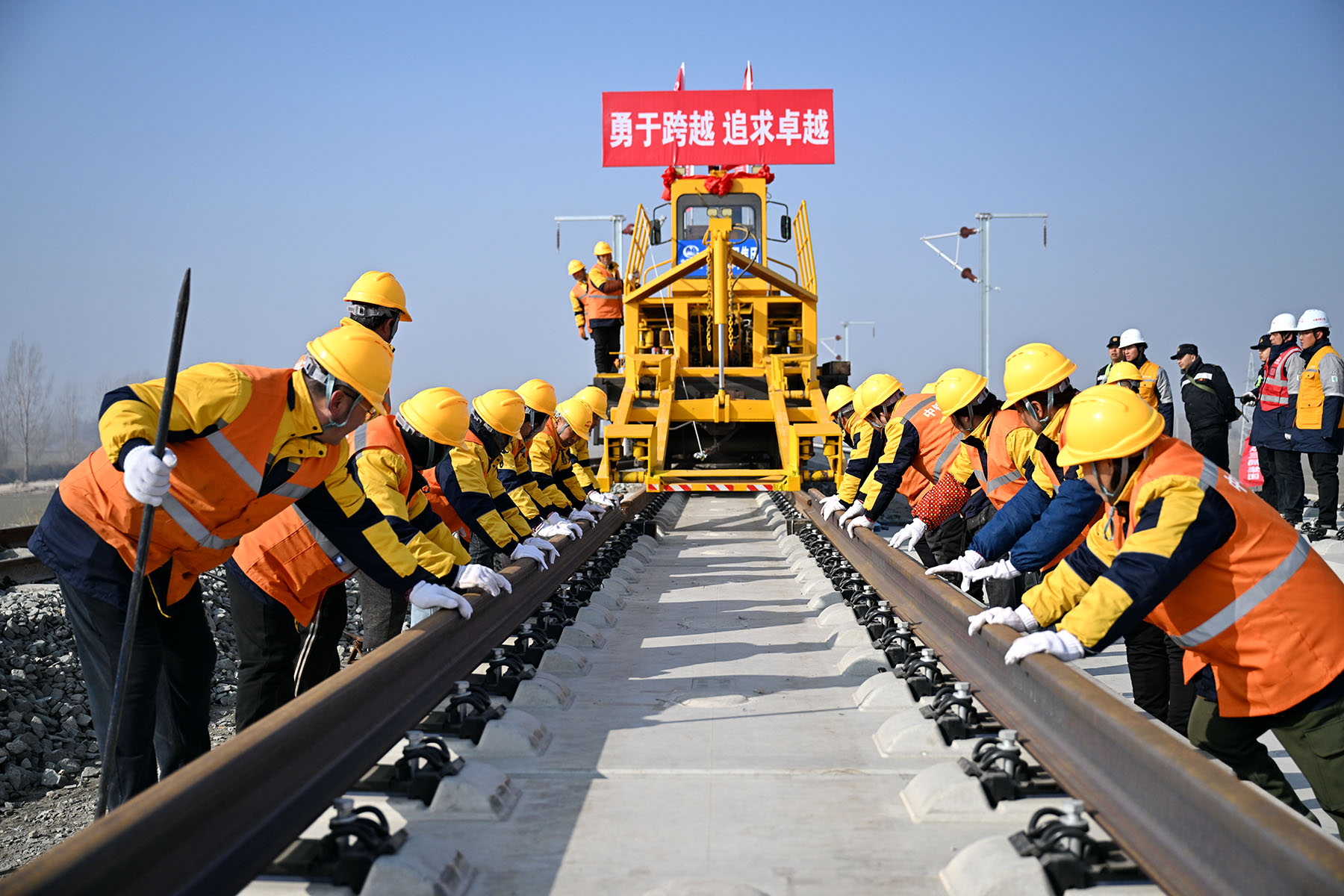
Xi made the remarks after he experienced this transformation firsthand. Six years ago, he first traveled to Xiong'an by road — a drive of over 100 km from Beijing. In 2023, he arrived there via a high-speed train in less than one hour.
Xi recalled that during his first visit to Xiong'an in 2017, he had looked at the planning map while standing on a ridge in the fields. "Within only six years, Xiong'an has started from scratch and developed from a blueprint to reality. A high-level modern city is sprouting up, which is undoubtedly a miracle."
Zhang Chao, a researcher at the Hebei University of Technology's Beijing-Tianjin-Hebei Development Research Center, describes Xiong'an as an "anti-magnetic center" that is actively transforming from a model centered on the capital to a multinodal, networked spatial framework.
ALSO READ: China upgrades Xiong'an high-tech zone to national level
"High-quality construction lays the physical foundation, from buildings and roads to utilities and smart city infrastructure,"Zhang said. "High-level management focuses on services and governance, enabling efficient urban operation, smart public services, a business-friendly environment, and resident-centered convenience."
High-quality relocation-driven development, he emphasized, goes beyond merely transferring functions out of Beijing. "It is about generating new growth momentum and creating a more dynamic and supportive environment where relocated enterprises and talent can truly thrive."
Looking ahead to the 15th Five-Year Plan (2026-30) period, Zhang said that closer all-around integration depends on promoting the integrated development of industrial and innovation chains in the Beijing-Tianjin-Hebei region.
Contact the writers at jihaisheng@chinadaily.com.cn
