

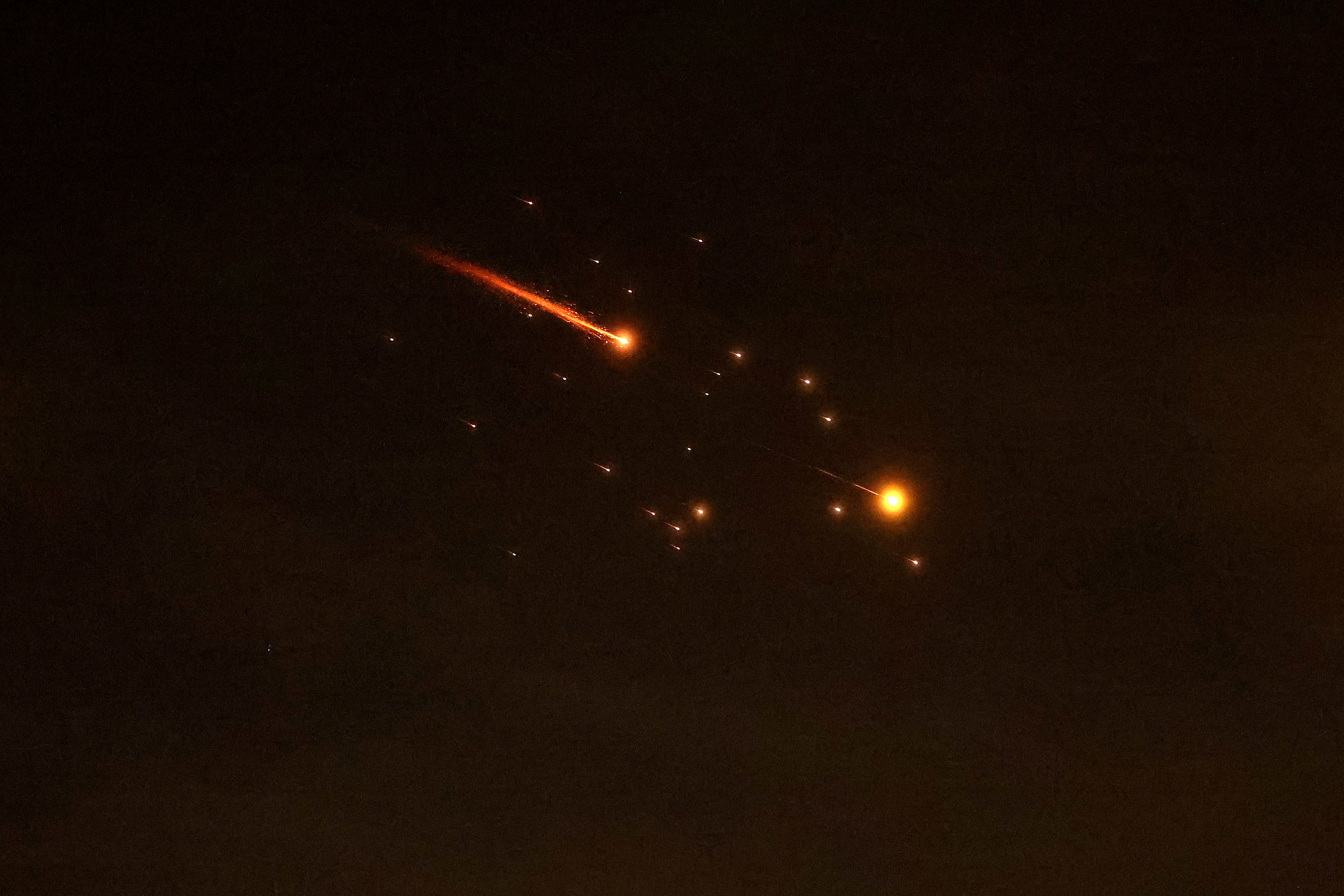
TEHRAN/JERUSALEM/BEIRUT/MOSCOW - Iranian Parliament Speaker Mohammad Bagher Ghalibaf on Sunday warned that energy and oil infrastructure across the region could face "irreversible" destruction if the United States targets Iran's power plants.
Ghalibaf's remarks on social media platform X came after US President Donald Trump threatened to "hit and obliterate" Iranian power plants if the Strait of Hormuz is not reopened within 48 hours.
Ghalibaf wrote that any attacks would make "vital infrastructure and energy and oil facilities throughout the region...legitimate targets" and cause oil prices to rise for an extended period.
Earlier Sunday, Iran's primary military command, Khatam al-Anbiya Central Headquarters, issued a similar warning, saying attacks on Iranian fuel and energy infrastructure would trigger strikes on US and Israeli energy, IT, and water desalination facilities in West Asia.
ALSO READ: Trump: US to hit Iran's power plants if Strait of Hormuz not opened within 48 hours
It warned that power plants in countries hosting US bases would be considered legitimate targets if the United States attacks Iran's power facilities.
The Strait of Hormuz has not been fully closed and remains under Iran's "smart control," with non-harmful transit continuing under specific regulations to ensure national security and interests, the statement said.
If US threats are carried out, Iran would immediately adopt several punitive measures, including the full closure of the Strait of Hormuz until damaged Iranian facilities are rebuilt, it said.
Other measures would include large-scale strikes on Israel's power, energy and communications infrastructure, attacks on regional companies with US capital ties, and targeting power facilities in countries hosting US military bases.
The statement stressed that Iran would take "all necessary measures" to defend its national interests and would continue operations against US and allied economic and energy infrastructure in the region.
Iran: Strait of Hormuz not blocked
Also on Sunday, Iran's Foreign Ministry said that the Strait of Hormuz is not blocked and navigation continues in the waterway, with necessary measures being taken due to wartime conditions.
In a statement elaborating on Iran's positions amid ongoing US and Israeli attacks, the ministry said that Iran has always respected the freedom of navigation and maritime security and safety, adding that it has worked to uphold those principles over the years.
The ministry noted that following the US and Israeli military "aggression" against Iran, a dangerous situation has been imposed on the Gulf and the Strait of Hormuz, directly impacting regional shipping safety and security.
Claiming its legitimate right to self-defense against the "aggressors," Iran has targeted US military bases and facilities in the region while adopting a series of measures to ensure that the "aggressors" and their supporters do not exploit the strait to advance their aggressive goals against the country, it said.
ALSO READ: Trump rebukes NATO again for not helping escort ships through Hormuz
The ministry confirmed that Iran has prevented the passage of vessels belonging to or affiliated with "the aggressors" and those participating in "the aggressions" in accordance with the established principles of international law.
Non-hostile vessels belonging to or associated with other countries, it said, can secure safe passage through the strait in coordination with Iranian authorities, provided they have not participated in or supported aggressive actions against Iran and comply with the announced safety and security regulations.
On Feb 28, Israel and the United States launched joint attacks on Tehran and several other Iranian cities, killing Iran's then-Supreme Leader Ali Khamenei, along with senior military commanders and civilians. Iran responded by launching waves of missile and drone strikes targeting Israel and US bases and assets in the Middle East.
Israel: Fighting to last weeks
The Israeli military said on Sunday that fighting against Iran and Hezbollah was expected to last "weeks," as the war entered its 23rd day.
"Weeks of fighting against Iran and Hezbollah are expected," military spokesperson Effie Defrin said in a press briefing.
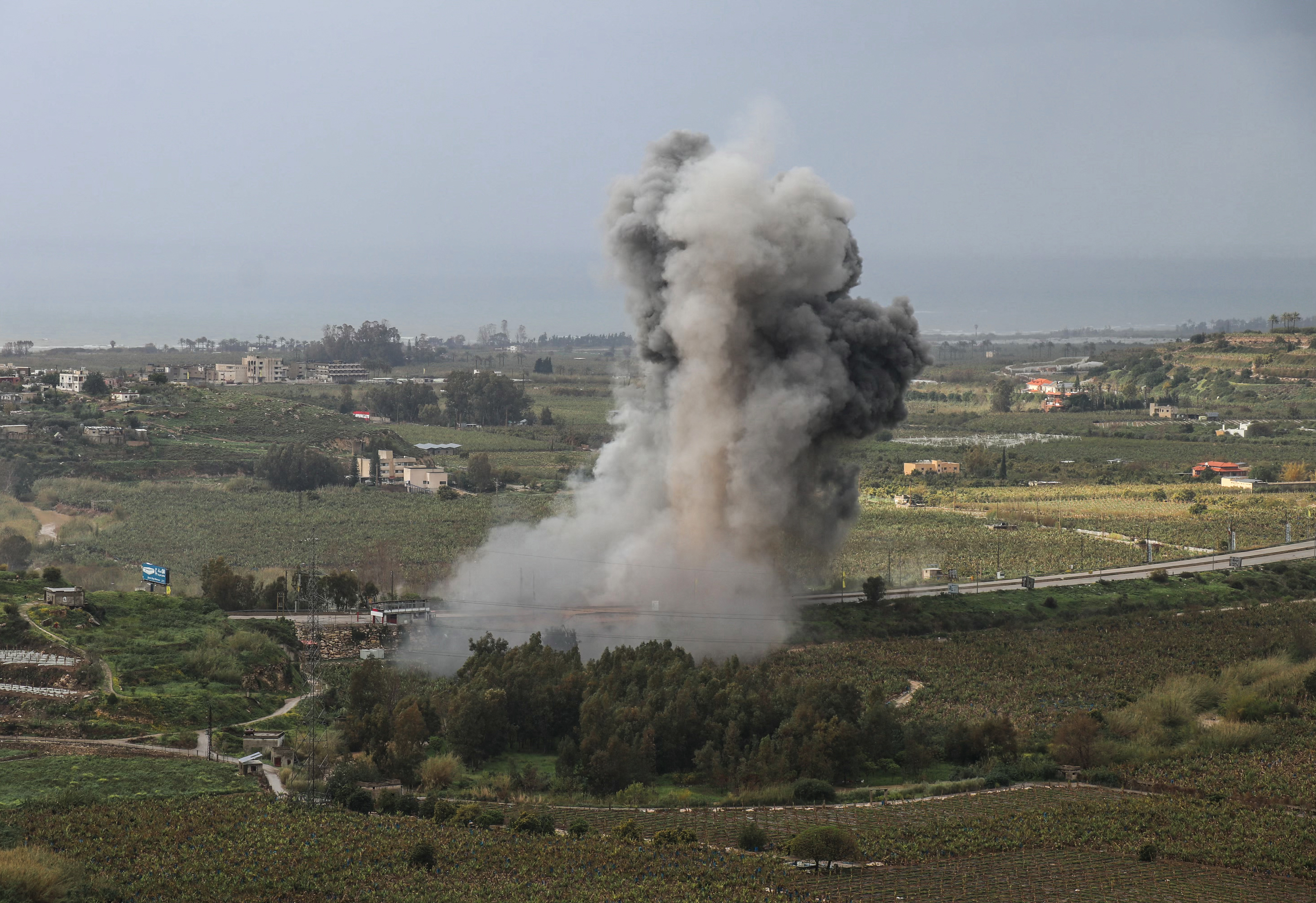
"The air force is operating relentlessly," Defrin said, adding that since the start of the joint campaign with the United States on Feb 28, Israel had dropped more than 10,000 munitions on "thousands of targets" across Iran.
"We continue attacking all of the regime's systems, infrastructure and commanders," he said.
Lebanese president condemns Israeli strikes
Lebanese President Joseph Aoun on Sunday condemned Israel's targeting and destruction of infrastructure and vital facilities in southern Lebanon, particularly the Qasmiyeh Bridge over the Litani River and other bridges.
Aoun said in a statement that the attacks constitute a dangerous escalation and a blatant violation of Lebanon's sovereignty, warning that they could be a "prelude to a ground invasion" that Lebanon has repeatedly cautioned against through diplomatic channels.
READ MORE: Netanyahu: Iran unable to enrich uranium or produce missiles anymore
He added that the attacks reflect a systematic destruction of infrastructure, civilian facilities, and residential areas in Lebanese villages, describing them as a form of collective punishment against civilians and a violation of international humanitarian law.
Kremlin: Assassination of Iranian leaders to have grave consequences
Meanwhile, Kremlin spokesperson Dmitry Peskov said Sunday the assassinations of Iran's leaders will have grave consequences.
"In any case, it's an abnormal situation that has and will continue to have profound consequences. It cannot remain without consequences," Peskov told Russian state television's top Kremlin reporter, Pavel Zarubin, while commenting on the assassinations.
Peskov said such actions only lead to greater unity among the Iranian people around their leadership.
