

Brands' reputations for quality and cost-effectiveness, region's rapid growth fuel demand
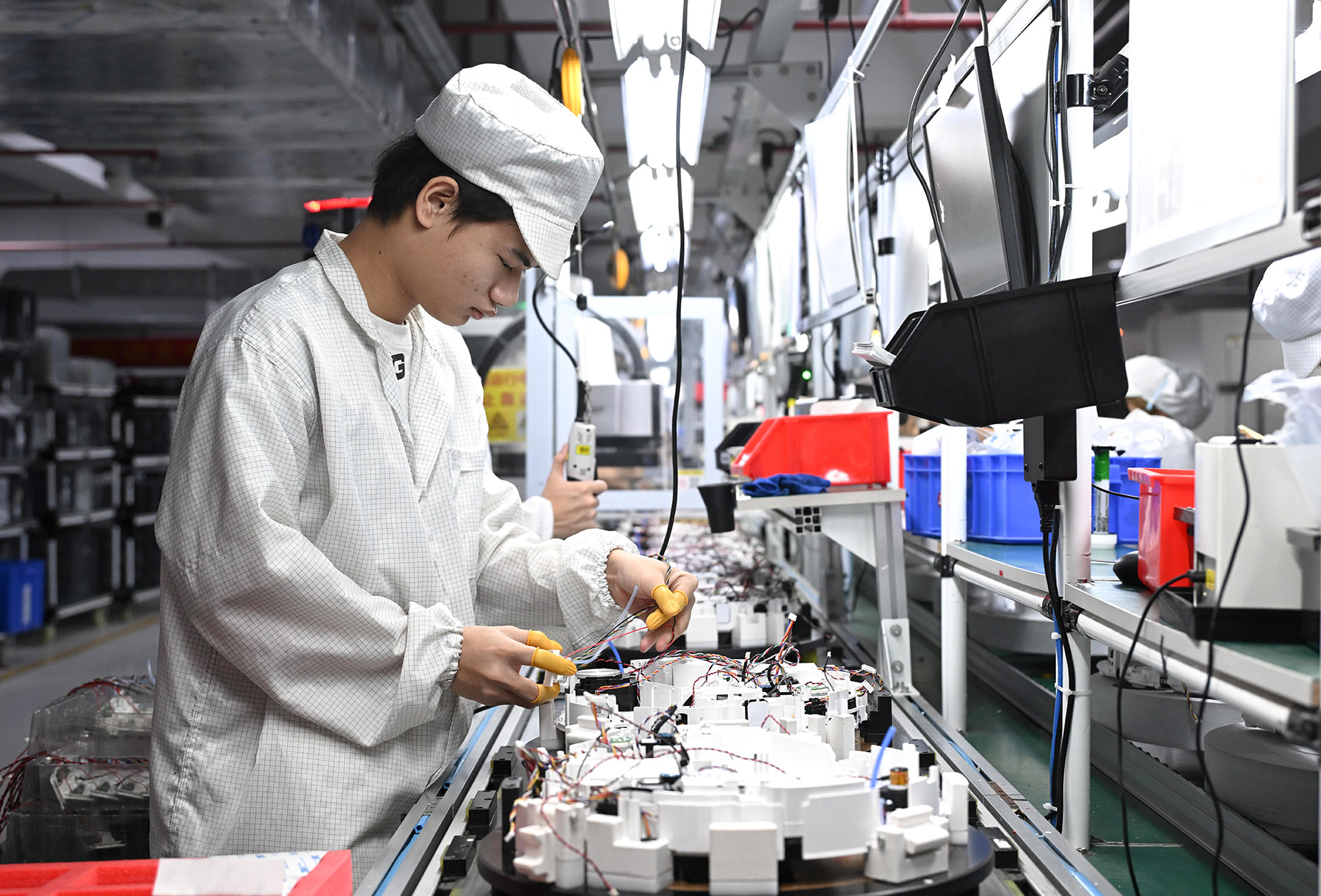
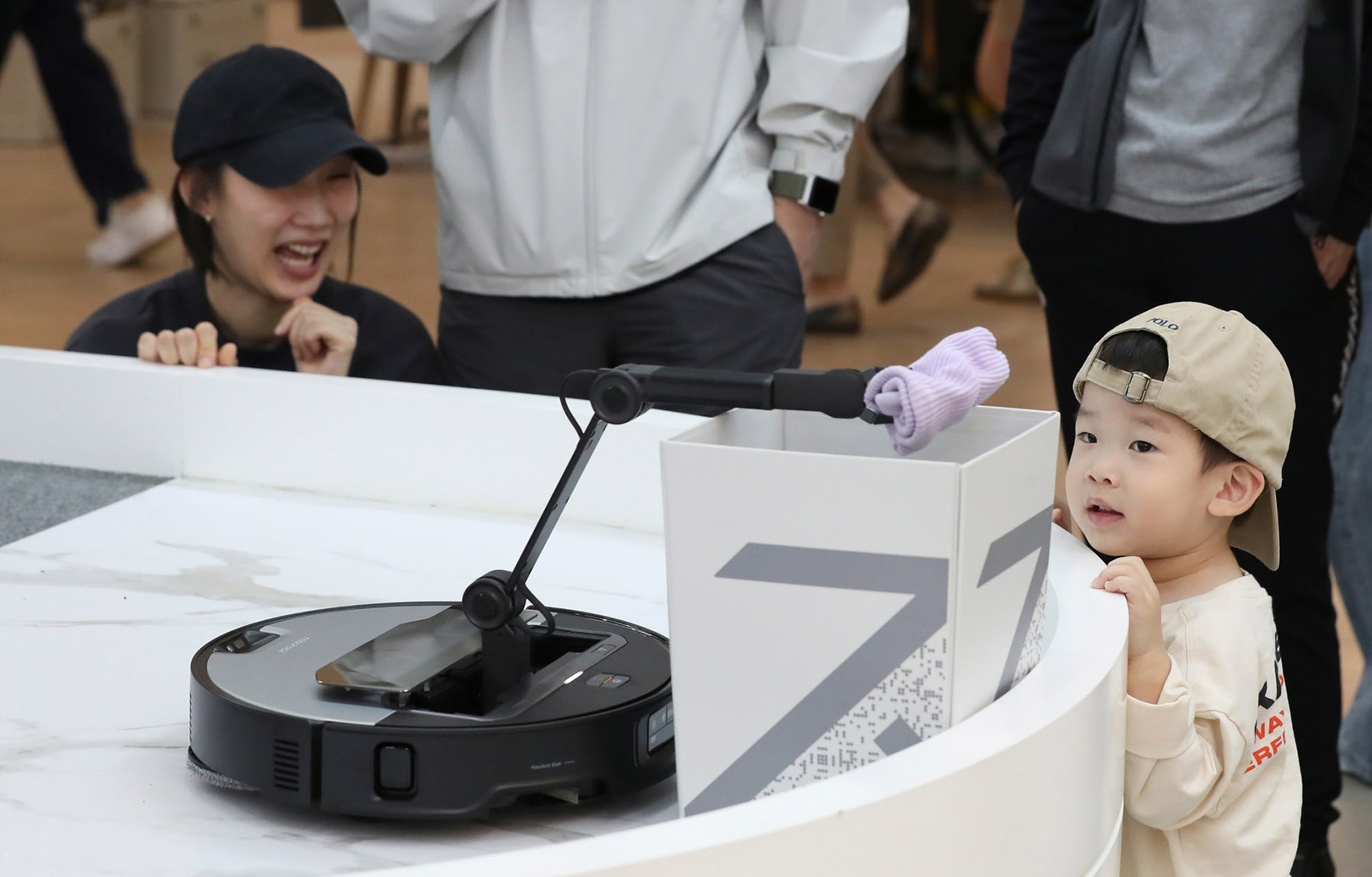
Chinese robot vacuum makers are actively expanding their footprint in Asia, with Southeast Asia the new growth frontier due to its rapidly evolving market landscape.
"Today, Chinese robot vacuum brands are synonymous with quality, innovation and cost-effectiveness," said Mosa, head of Chinese brand operations of Lazada Group, a Southeast Asian e-commerce firm headquartered in Singapore.
Asia has become a key market for these brands and the rising popularity of Chinese robot vacuums in Southeast Asia is driven by urbanization and the tech-embracing population.
READ MORE: DJI entering robot vacuum sector
Chinese robot vacuum cleaner brands recorded strong growth momentum across the region over the past year. On Lazada, the category had 50 percent growth in 2025 and further increased to more than 60 percent growth as of late January, according to data from the company.
Mosa, who shared only her first name, said the popularity of Chinese robot vacuum brands in Southeast Asia is driven by a combination of supply chain strength, product innovation, and improving brand perception.
"It also reflects the increasing purchasing power of Southeast Asia's growing middle class," she said.
"Consumer lifestyles across many Southeast Asian markets share similarities with urban households in China," said Mosa, noting that most urban residents live in apartments, making robot vacuums highly practical.
The diverse product offerings, from budget friendly models to premium options, help brands appeal to a wide range of consumers, she said.
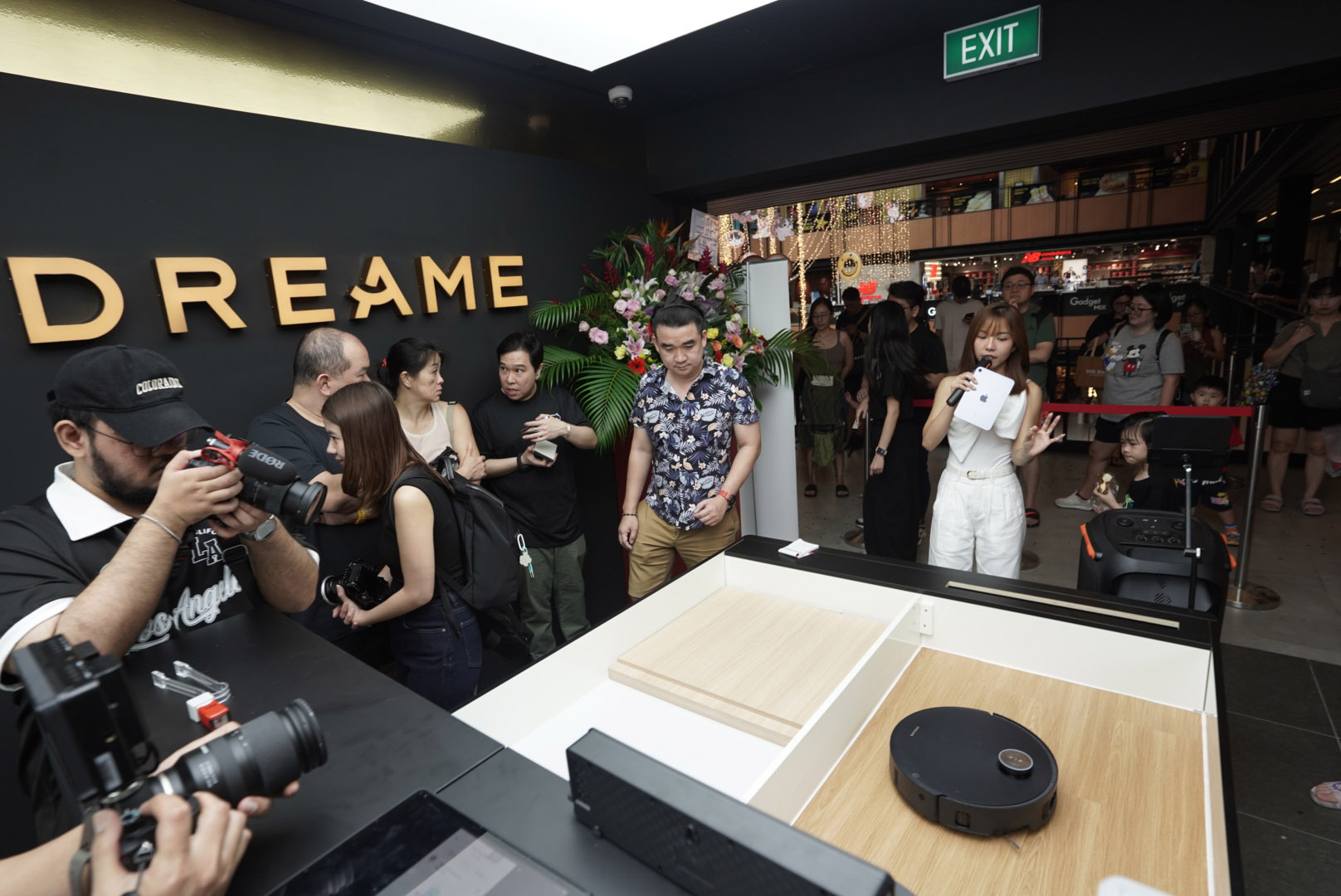
From January to July 2025, retail sales of the robotic vacuum market in Southeast Asia grew by nearly 40 percent year-on-year, with sales in Vietnam surging by over 70 percent, according to financial news outlet Yicai, citing market consultancy GfK.
Globally, the smart vacuum market reached shipments of 17.42 million units in the first three quarters of 2025, a year-on-year increase of 18.7 percent, according to a report released by the research firm International Data Corporation in December.
Chinese brands Roborock, Ecovacs, Dreame, Xiaomi, and Narwal dominated the top five, holding a combined market share of 65.6 percent.
"Over the past two-plus years, Chinese manufacturers have seen a rapid rise in their shipment share in the robot vacuum market," Zhao Siquan, senior market analyst at IDC China, told China Daily.
Zhao said the combined share of Chinese vendors among the top five was only 44.7 percent in the first half of 2023.
The market share of iRobot, a manufacturer in the United States that is often regarded as an industry pioneer for the successful launch of commercial models in the early 2000s, has been on a steady decline, Zhao said. This reflects the growing popularity of Chinese manufacturers in the market, he added.
IRobot filed for bankruptcy protection on Dec 14 as a result of competition from Chinese rivals and US tariffs, with the Shenzhen-based Picea Robotics, its main manufacturer, buying the company.
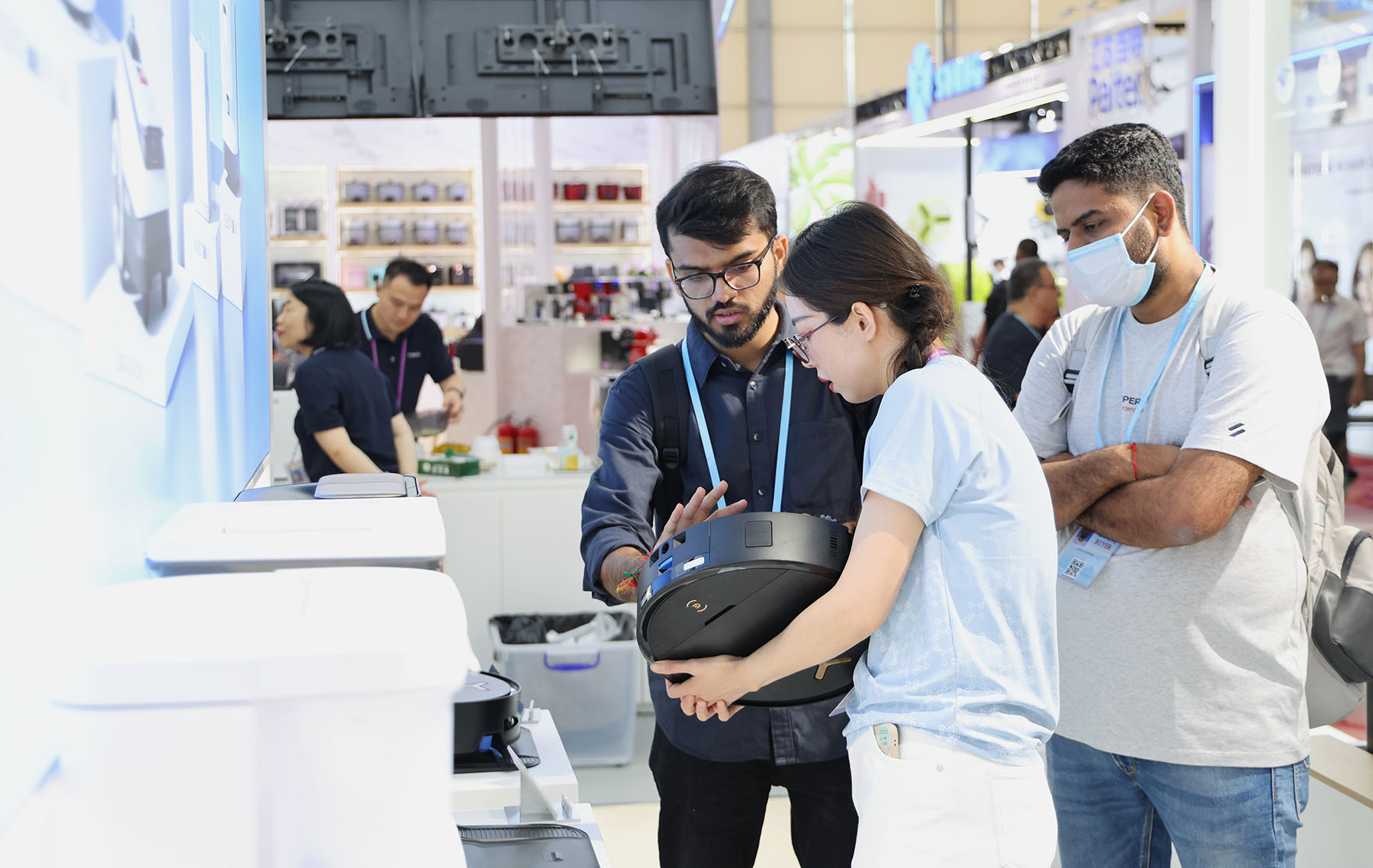
Setting the pace
"Chinese robotics companies have quietly moved from 'latecomers' to pacesetters in several key segments, especially at the consumer and light-commercial level," said Liu Shaoshan, director of the Center for Embodied AI at Shenzhen Institute of Artificial Intelligence and Robotics for Society in Guangdong province.
In addition, many of the robotics products that people see in shopping malls across Asia are designed, manufactured, and often fully engineered in China, even if they carry different brands, Liu told China Daily.
Dreame Technology, a smart home appliance maker based in East China's Jiangsu province that was established in 2017, has expanded its product lines to more than 100 countries and regions, including Europe, Africa and the Middle East.
In 2025, the company recorded notable growth in markets such as Australia, the Hong Kong Special Administrative Region, Thailand, and Indonesia.
The brand, which began its expansion into the Southeast Asian market in 2021, has also maintained its position as the top-performing and fastest-growing brand in the smart cleaning category on Shopee, a major online shopping platform in the region, for two consecutive years, a company spokesperson said.
Similarly, Beijing-based Roborock is actively expanding its global manufacturing operations and launched its original equipment manufacturer production in Vietnam in the fourth quarter of 2024. The move makes Roborock the first Chinese robot vacuum maker to successfully establish overseas OEM production capabilities, according to the company's half-year report released in August.
At the Consumer Electronics Show in the US city of Las Vegas in early January, Chinese robot vacuum companies again displayed their core products at the major annual tech trade event for new gadgets, showcasing the future direction of the industry.
For example, Roborock introduced the world's first two-wheel architecture in a robot vacuum. Mova, a sub-brand of Dreame, unveiled a groundbreaking flying robot module designed to help robot vacuums navigate stairs in multi-story homes.
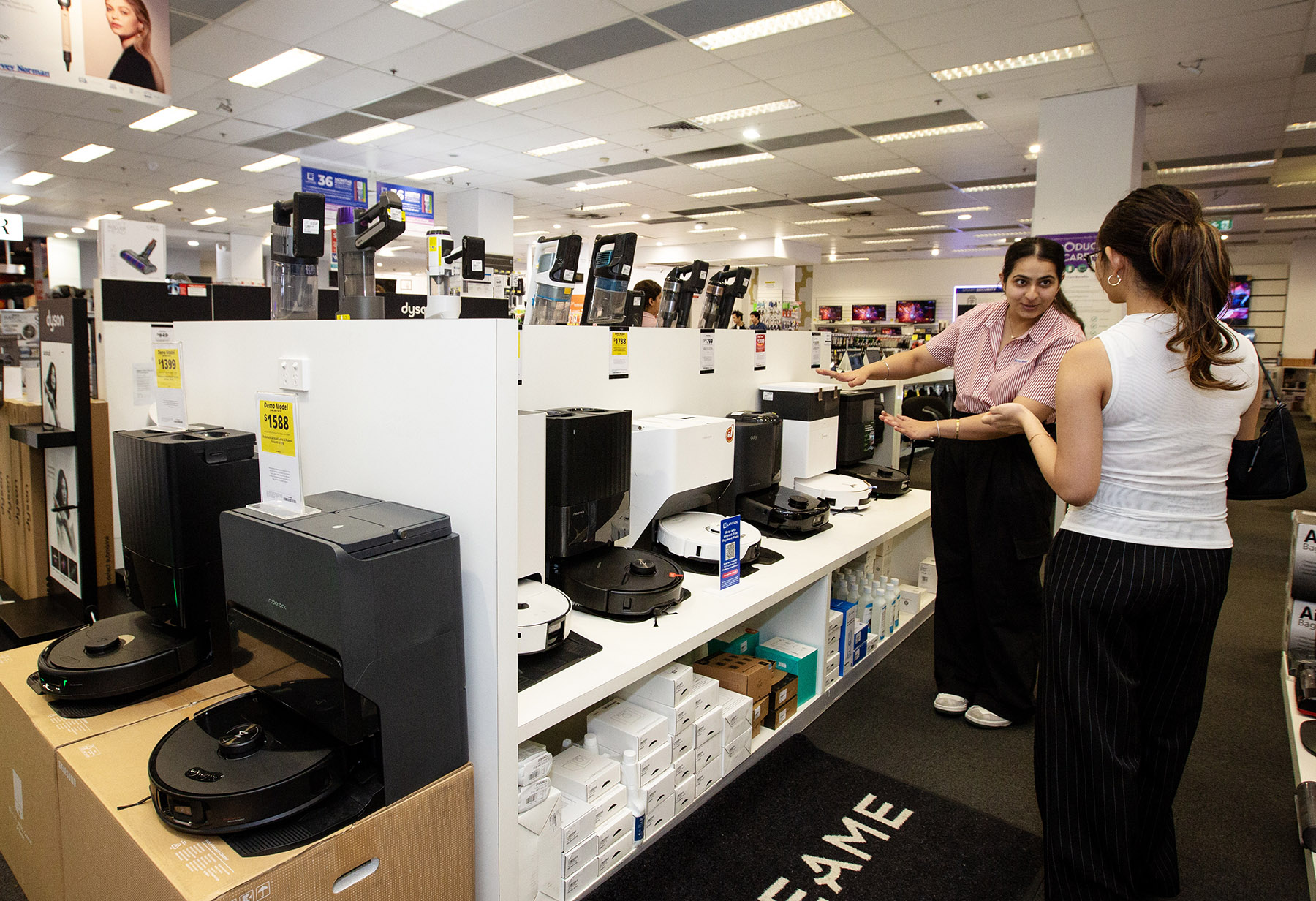
Ecovacs went beyond robot vacuums to introduce its first robotic pool cleaner, and even a robot pet companion with AI-powered functions to provide a new form of digital companionship.
"The current Chinese robotics boom is different from the past era led by State-owned enterprises or industrial robots," said Seoin Baek, an assistant professor of the School of Global Culture and Commerce at Hanyang University in Seoul. "It is a private sector-led, startup-driven innovation."
Noting that Chinese robotics companies' expansion aligns with the broader global push of most Chinese firms, Baek said their strong technological capability and competitiveness help stabilize supply chains from the perspective of providing quality products.
For example, Roborock invested 685 million yuan ($99.3 million) in research and development in the first half of 2025, an increase of 67.28 percent from the same period in 2024. The number of R&D personnel was 1,364, a year-on-year growth of 73.54 percent.
Jesse Choi, regional director of Hong Kong's Sunwah Group in charge of Southeast Asia, said the company's innovation center in Ho Chi Minh is working to bring Chinese startups to Vietnam and vice versa.
"There are some robotics companies and AI companies interested to come," said Choi. "Because robots are expensive, it will mainly be focusing on the business-to-business market."
Choi said the company is also in talks with the local government to establish a robot and AI exhibition center in 2026 to explore how China and Vietnam can cooperate in technology transfer and developing robots.
If completed, the center will showcase different types of robots from China, ranging from drones, factory and logistics robotics, to consumer robotics and toys, he said.
Choi, who is also executive vice-chairman of the Guangdong-Hong Kong-Macao Bay Area Entrepreneurs Alliance, said he also plans to invite its members to join. A few member companies in the AI robotics sector have already expressed their interest, he said.
Challenges ahead
However, there are also many challenges ahead for Chinese robotics companies.
For example, while general service robots such as smart vacuum cleaners have attracted consumer interest, Baek said difficulties remain when it comes to industrial and special-purpose robots due to stricter standards in data protection and cybersecurity.
"In an era of AI and economic security, robotics is a very important yet simultaneously very sensitive area," said Baek, noting that cooperation can be pursued in less sensitive areas such as disaster response and rescue, or care robots for solving aging problems.
Liu from the Center for Embodied AI cited geopolitics and profit-sharing as the two major challenges.
"Technology is increasingly entangled with security concerns, data governance, and industrial policy," said Liu. "Even when products are commercially attractive, there can be sudden regulatory barriers, security reviews, or public-opinion issues."
Liu said Chinese companies need to design for compliance from day one to address the issue, and need verifiable mechanisms and local partners.
In terms of profit sharing, Liu said it is necessary to build a sustainable ecosystem in each market, which means that profits should also be shared with different partners to build a long-term and resilient network.
Lazada is supporting Chinese robot vacuum brands with localization through data insights, operation collaboration, and marketing, said Mosa, head of Chinese brand operations.
For example, its data tools enable brands such as Roborock to assess market positioning across different countries, including consumer preferences, price sensitivity, and competitive dynamics. The regular business reviews also help brands to customize strategies for each market.
"This region continues to present strong growth potential for Chinese robot vacuum cleaner brands, supported by expanding economies, a relatively young and digitally savvy population, and rising demand for smart home solutions," said Mosa.
To sustain growth, she said brands must differentiate through innovation and localized value, while managing pricing pressure, distribution, and rising customer expectations.
In the outline of the 15th Five-Year Plan (2026-30) approved by Chinese lawmakers on March 12, it was emphasized that China should steer the development of "new quality productive forces".
ALSO READ: Consumer electronics see electric performance
For the AI and robotics sector, Liu said it is a call to move from volume advantage to quality and standard-setting advantage, meaning more investment in core technologies, international certification, and open ecosystems will be needed for future advancement.
"If we get this right, 'new quality productive forces' in robotics will mean that when people in Asia or beyond choose a robot, they are choosing a Chinese platform not because it is the cheapest, but because it is the most capable and trustworthy," said Liu.
In the future, Liu said he expects Chinese robotics companies to become the drivers of Asia's AI and automation landscape as the scale of China's domestic market and the depth of its supply chain have enabled Chinese firms to be in a unique position to experiment and innovate.
Dreame is already working on setting up factories in Asia to expand its manufacturing network.
Choi from the Sunwah Group said he hopes to bring the best startups and technologies from China to Vietnam and engage local players as well as universities to do the technology transfer so that Vietnam can also benefit from these advanced technologies.
"Vietnam is targeting double digits in GDP growth. Aside from traditional manufacturing, AI would increase productivity exponentially so people will not be required to do some repetitive tasks," said Choi. He said the use of AI and robotics factories can promote the development of skilled workers amid Industry 4.0, or the Fourth Industrial Revolution.
Contact the writers at kelly@chinadailyapac.com
