

For 25 years, the Hong Kong International Literary Festival has brought over a rich and diverse array of authors to the city, broadening the literary horizons of its reading public. Amy Mullins reports.
Evolving at a time when the idea of reading anything in excess of 300 words could seem like a challenge to many, the Hong Kong International Literary Festival (HKILF) is, nonetheless, celebrating its 25th anniversary this year — cementing its role as one of the city’s most vibrant annual cultural events. The festival has hosted literary royalty, including Margaret Atwood (The Testaments), Bernardine Evaristo (Girl, Woman, Other), Amy Tan (Saving Fish from Drowning), Inspector Rebus-creator Ian Rankin, Asako Yuzuki (Butter) and Shehan Karunatilaka (The Seven Moons of Maali Almeida), among others over the past quarter-century, and as current Executive Director Laura Mannering puts it, will likely continue to do so for the next 25 years and more.
READ MORE: On the writer’s side
“I believe the future is bright for our organization,” she says. “People crave connection, and that is exactly what our festival provides — a space to celebrate and share what makes us human.”
Against the odds
Founded by local writer Nury Vittachi and creative-writing teacher Jane Camens, HKILF had its inaugural edition in 2001. The journey since then has been far from easy though. Today, the festival faces challenges on multiple fronts. Its status as a registered nonprofit charity organization means that “the unpredictability of funding sources from year to year and fluctuations in public support can directly impact our manpower needs and programming consistency”, Mannering says.
Bonny Wong, HKILF co-chair and former head of charities at the Hong Kong Jockey Club Charities Trust, admits that in the early years, when the festival attracted a largely expatriate audience who were already avid readers, it did not “align well with our mission of promoting reading and writing in the English language for the people of Hong Kong”. At present, HKILF has a renewed focus on its original mandate, hence the emphasis on nurturing new readers closer to home.
The significance of hosting the festival, and its sister event, the Young Readers Festival, seems crucial at a time when a number of city bookstores have closed shop. The century-old Swindon Books, Page One and Dymocks have either folded or exited the Hong Kong market.
However, Mannering isn’t hitting the panic button yet.
“It’s undeniable that device-based reading is on the rise,” she concedes. “But this leaves room for more independent shops to create reading spaces and communities with more connection, just as the festival does.”
In order to remain competitive and relevant, HKILF highlights reading, writing, and storytelling as a key part of cultural life. Content is provided across a variety of formats that include author-led tours and writing workshops.
“We embrace many genres and speakers with expertise in diverse areas of book creation. Graphic novels, comics, poetry slams, and interactive ‘draw-along’ workshops are all ways in which we build excitement for language,” says Mannering. “Curating a lineup with topics relevant to young people and selecting experienced speakers are central to creating the best program possible.”
Intimate encounters
Expecting HKILF — most of its sessions are held in intimate spaces, often for a small, local audience — to have the cachet of some of the most high-profile international literary festivals such as the Hay Festival in Wales or India’s Jaipur Literature Festival is unreasonable. However, Mannering argues that the festival has made a significant impact in terms of connecting young and upcoming Hong Kong writers with key personalities in the fields of literature and publishing from around the world.
“The festival has become an incubator for the next generation of Hong Kong voices,” she says. “Our school program builds an audience that eventually grows into our public festival.”
To those suggesting that events like HKILF are unnecessary luxuries, acclaimed author Amitav Ghosh — who attended the inaugural edition and is back this year — says that the festival makes Hong Kong a better place. “Literary festivals create a public space for literature to be shared, debated, and experienced collectively,” Ghosh adds. “In Hong Kong’s case, the festival has long served as a meeting point between local writers and the wider world of letters. Over the years, it has helped nurture a readership that is curious, outward-looking, and engaged.”
HKILF Co-chair Jessica Cheng thinks that the festival’s relatively smaller scale lends itself to greater intimacy and more in-depth, meaningful dialogue — not something larger, unwieldy events can do. “We bring together international voices alongside emerging and established writers from Hong Kong, the Chinese mainland, across Asia, and beyond. We reflect the city’s dynamic cultural make-up and create space for conversations that bridge language, background, and genre. What sets us apart is not just who we invite, but the kind of conversations we curate,” Cheng says.
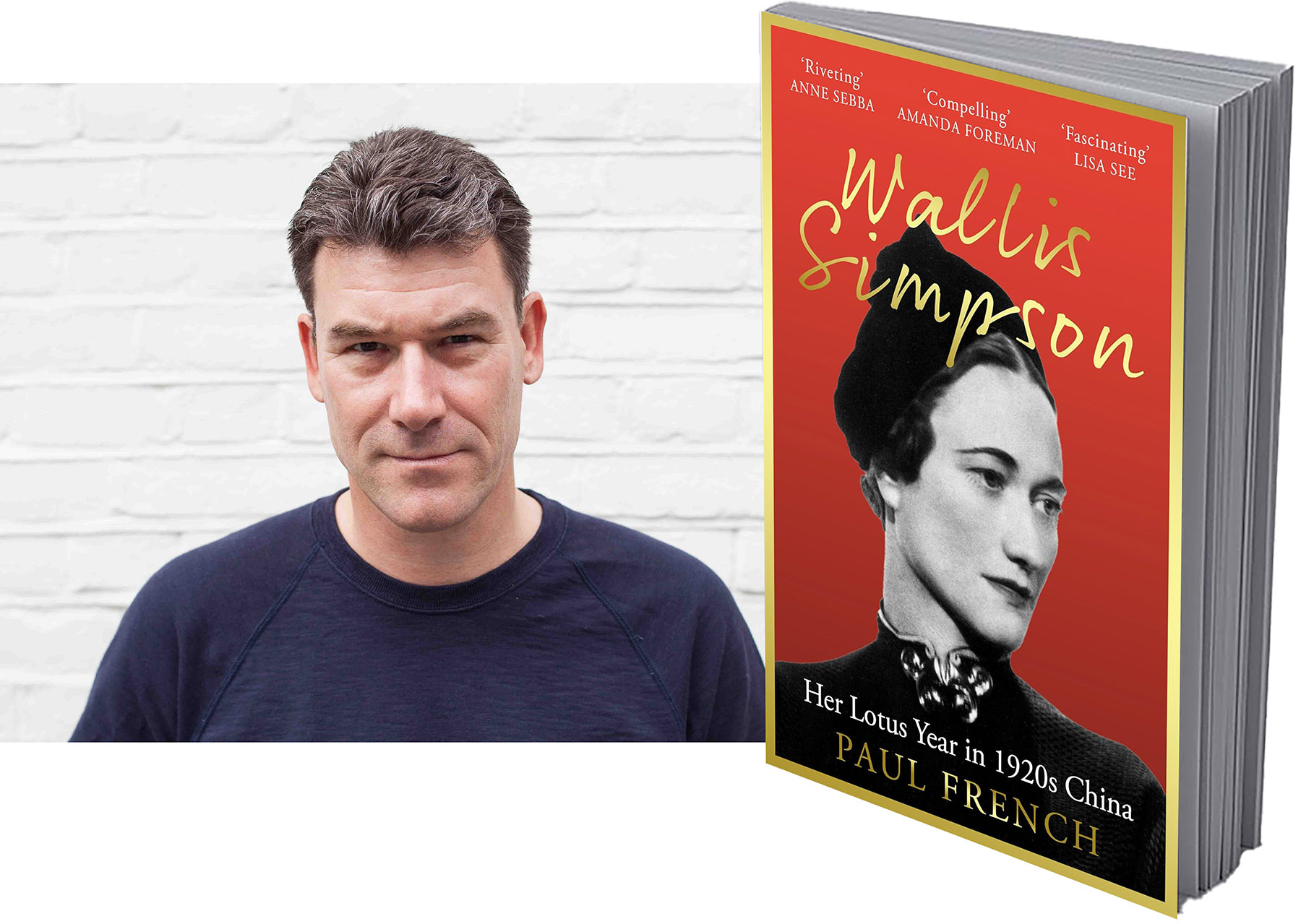
Paul French, a British author and old China hand who is attending the festival with his latest nonfiction title, Her Lotus Year: Wallis Simpson’s Remarkable Life in Asia, agrees with Cheng. “I’ve been to at least 15 of the last 25 HKILFs. It’s a major point at which I get to actually come out from behind my desk, put my pen down and spend time with readers. Social media is great, but genuine face-to-face discussion with one’s audience is invaluable.”
Voices from Asia
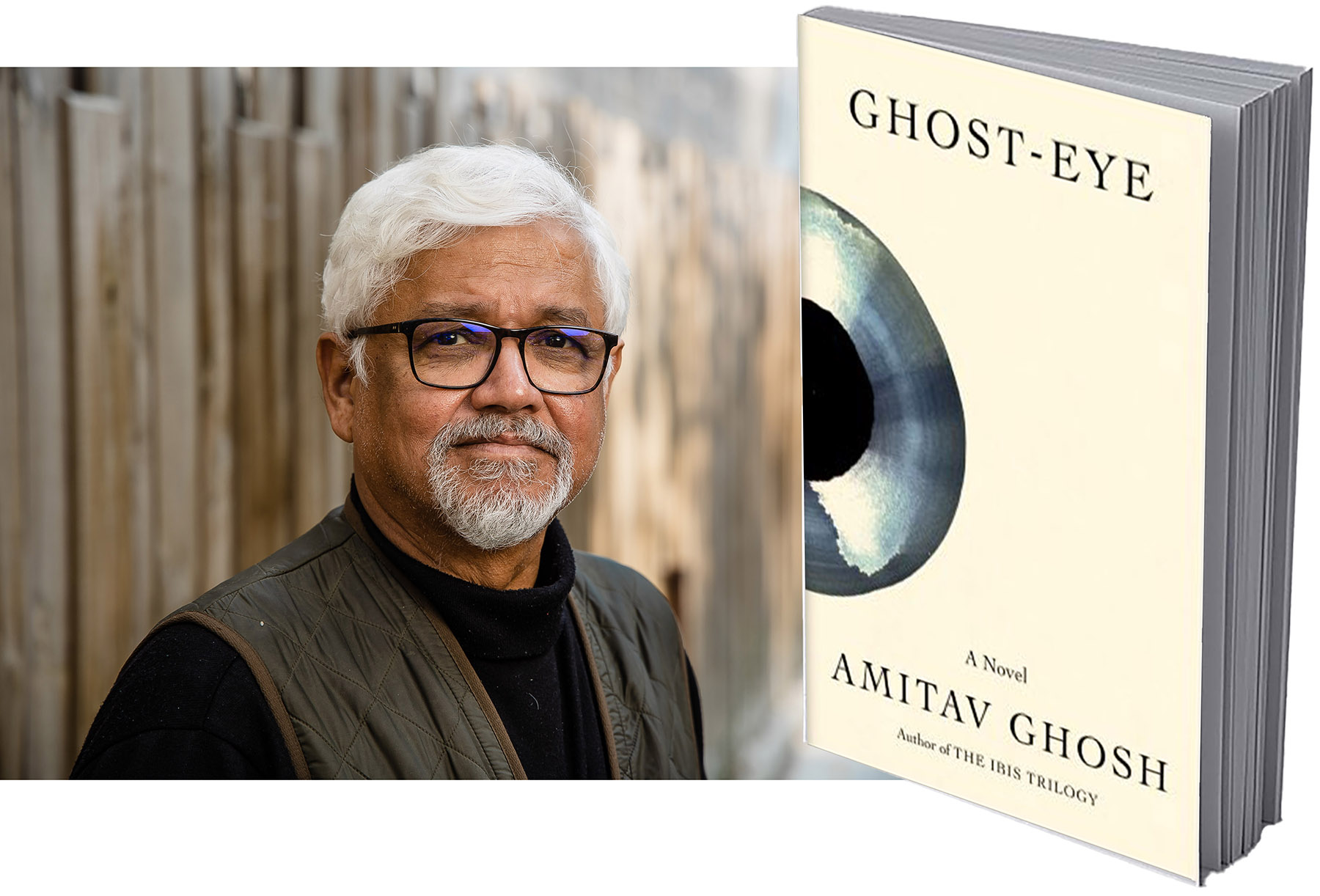
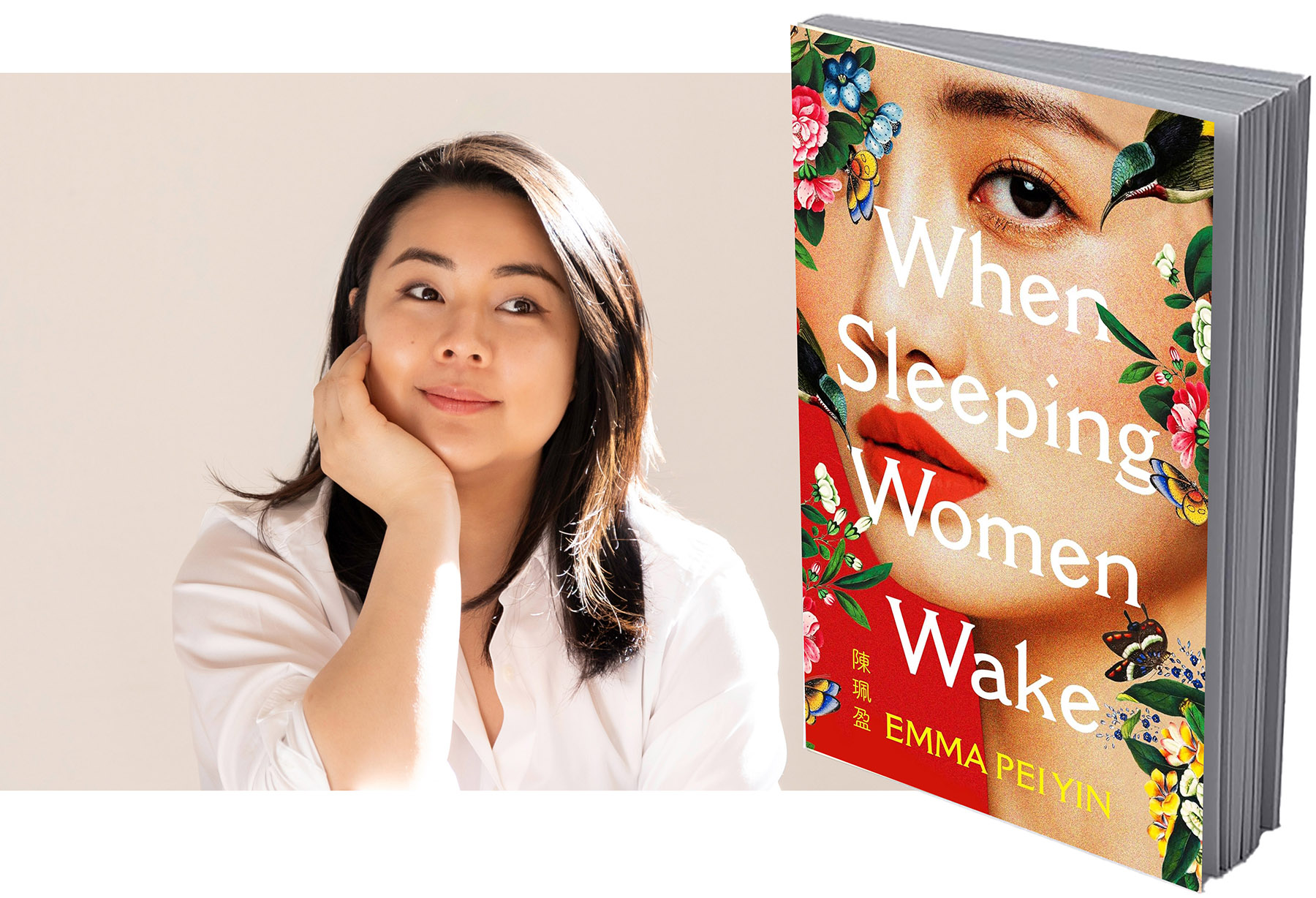
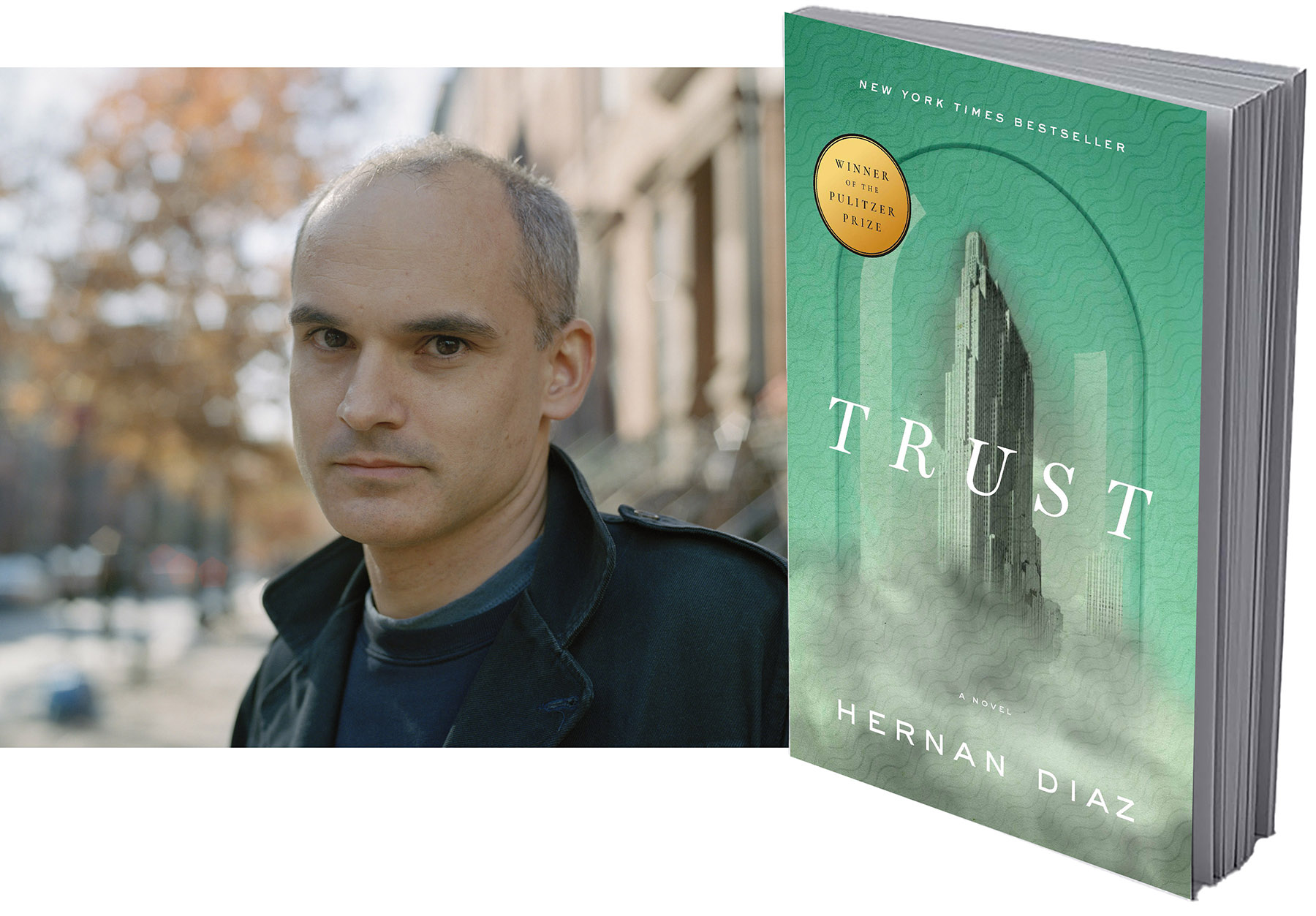
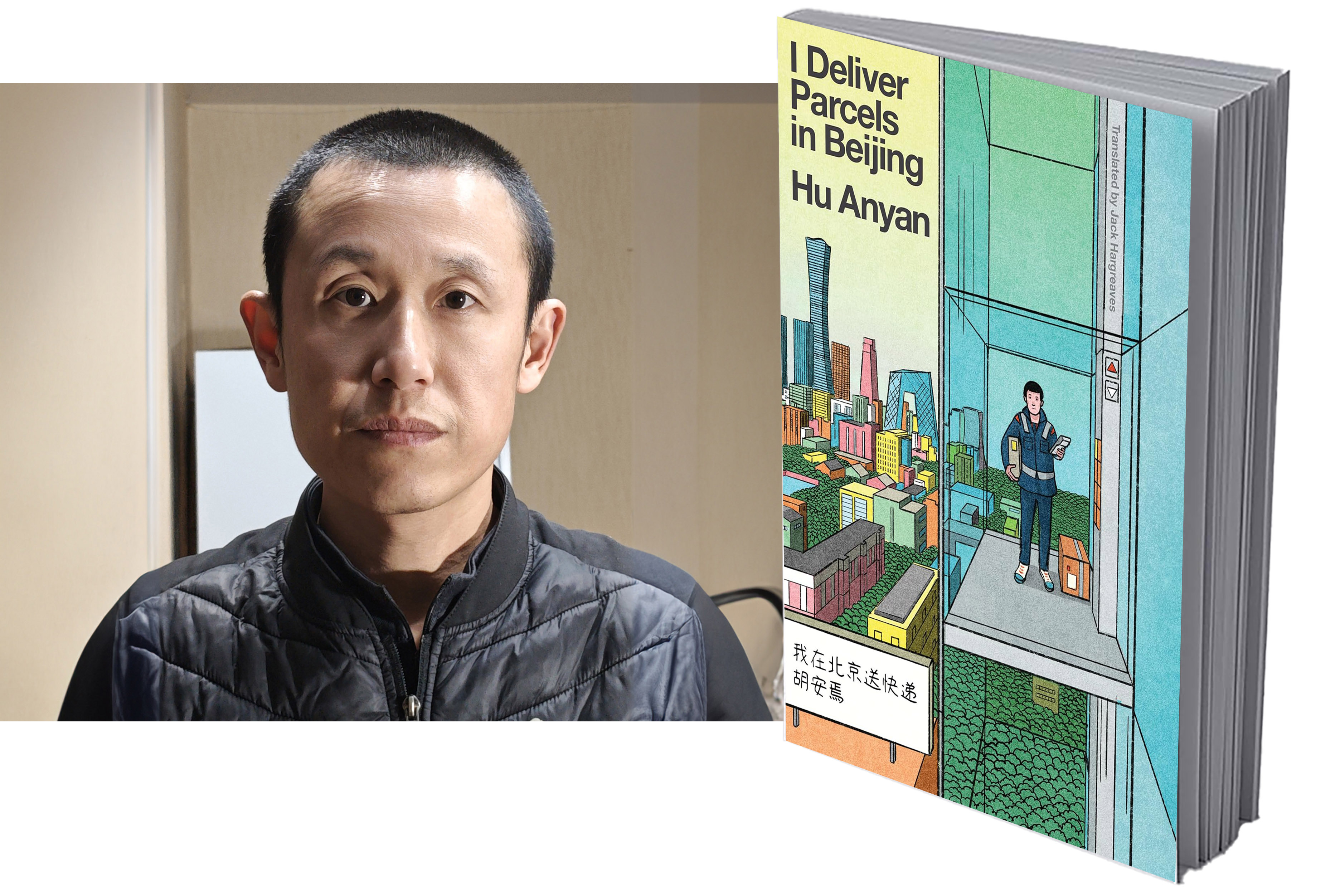
A rich diversity of voices from Asia features on this year’s guest list. Ghosh is presenting his latest novel, Ghost-Eye, an expansive saga that marries reincarnation and climate crisis. Bonnie Tsui explains musculature and why we need to respect it in a session dedicated to her book, On Muscle: The Stuff that Moves Us and Why It Matters. Hu Anyan is offering insights on his memoir, I Deliver Parcels in Beijing. His theme of people trying to make a living from gig work has resonated beyond China. South Korean author Kim Ho-yeon is expected to discuss redemption in relation to his bestselling The Second Chance Convenience Store. Emma Pei-yin is attending with her novel, When Sleeping Women Wake, in which three women navigate the Japanese occupation of Hong Kong during World War II. Arguably Hong Kong’s most internationally visible living writer, Xu Xi, appears in three sessions, including leading a writing workshop, and launching a new literary magazine, Hong Kong Literary Review.
Early start
HKILF’s Young Readers Festival was started in 2012. Mannering is keenly aware that fostering a culture of reading is impossible without the inclusion of all stakeholders. “The YRF builds on student interests by curating diverse programs, focusing on engaging speakers who bring energy and passion for their work directly into classrooms,” she says. “I believe those who care about language education understand the importance of connecting schools, families, and communities to support literacy and the incredible benefits that communication through stories brings to our lives.”
The festival partners with Hong Kong Baptist University, Education University of Hong Kong and the University of Hong Kong through their creative writing programs, and supports local poetry readings and book launches throughout the year, all part of what Wong considers a concerted effort to cultivate strong reading habits in young people.
ALSO READ: Celebrating the female gaze
“While reaching local schools — where English is often not the primary medium of instruction — has posed challenges, we are encouraged to see growing interest,” Wong says. “This year, more local schools have registered for the festival than before, making it a meaningful milestone for us and reflecting the team’s dedicated efforts.”
If you go
25th Hong Kong International Literary Festival
Dates: Through March 8
Young Readers Festival
Dates: Through March 13
Various venues
www.festival.org.hk
The writer is a freelance contributor to China Daily.
