

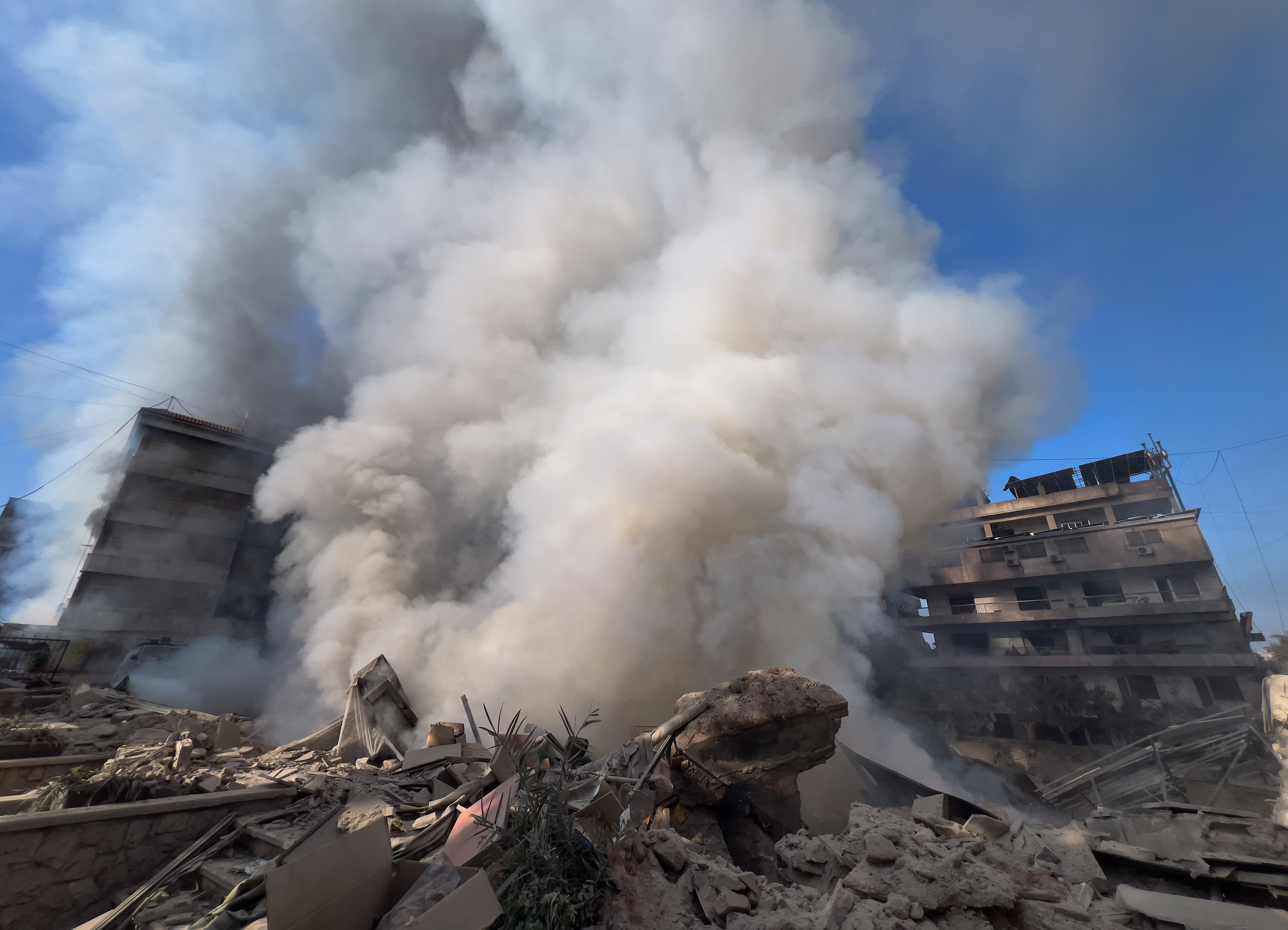
JERUSALEM/BEIRUT - Israeli troops are "operating in southern Lebanon" on Tuesday as Israel continued its strikes against Lebanon's group Hezbollah, according to an Israeli military statement.
The military ground advance across the border and operations in southern Lebanon, along with troop deployments at several points near the border, are part of an "enhanced forward defense posture" to beef up security for local residents in the border area, according to the Israeli military.
Meanwhile, Israeli Defense Minister Israel Katz said that he and Prime Minister Benjamin Netanyahu have authorized the military to "advance and secure additional strategic areas in Lebanon." Katz added that the move is intended to allow the military to take over new positions within Lebanese territory for what he described as defending border towns in Israel.
An Israeli force consisting of a tank and three military bulldozers crossed at around 8:00 am local time the Blue Line separating Lebanon and Israel, advancing approximately 1 kilometer into Lebanese territory, Lebanese security sources and eyewitnesses told Xinhua.
ALSO READ: Israel strikes Hezbollah, warns of ‘many days’ of combat
The sources added that "the force moved toward the town of Tal al-Nahas, located between the village of Adaisseh and the town of Burj al-Muluk in the eastern sector of the southern border region, before carrying out bulldozing operations in the area."
They noted that "the Lebanese army is monitoring the movement of the Israeli force."
Katz noted Tuesday that the Israeli military will continue to "operate forcefully" against Hezbollah targets in Lebanon, and warned the group will pay "a heavy price" for firing at Israel on Monday.
Overnight between Sunday and Monday, the group fired missiles and drones toward Israel as the joint US-Israel strikes on Iran went on. Hezbollah stated its strikes were in retaliation for the killing of Iran's Supreme Leader Ayatollah Ali Khamenei.
The Lebanese Health Ministry reported that at least 52 people were killed in the Israeli attacks against Hezbollah. No casualties caused by the Hezbollah firing were reported in Israel.
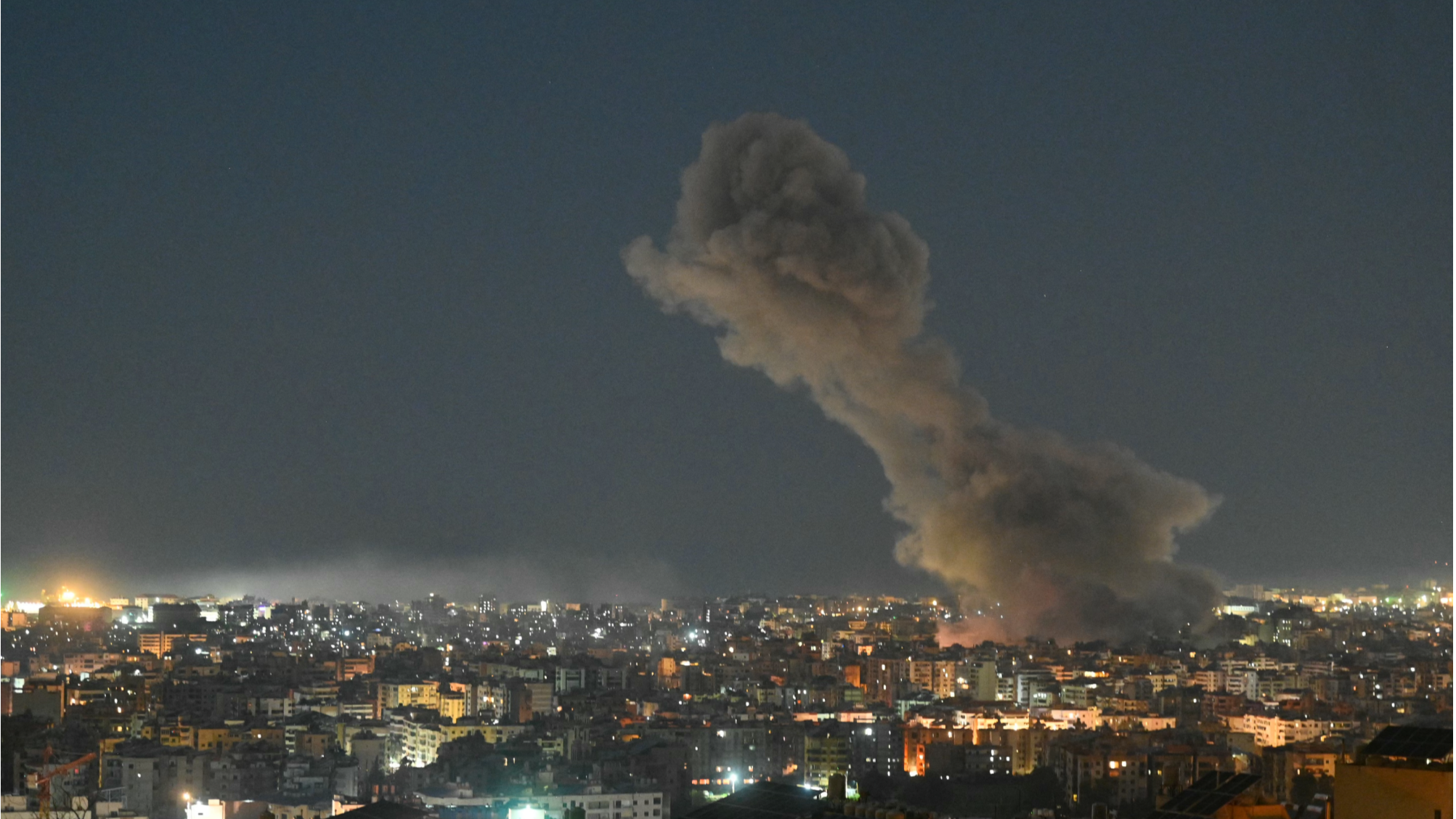
Israel also killed Hussein Makled, the head of Hezbollah's intelligence headquarters, in an overnight strike, the Israeli military said on Monday.
Meklad was appointed in 2024 after his predecessor, Hussein Hazima, was assassinated during cross-border clashes between Israel and Hezbollah.
The military said that the intelligence headquarters is responsible for building the intelligence picture on Israel, adding that it "leads and directs Hezbollah's intelligence activities against Israel and centralizes the organization's strategic information gathering capabilities."
ALSO READ: Lebanese PM vows to avoid war
Also on Monday, Lebanon's Cabinet declared all military and security activity outside state authority illegal, affirming that decisions on war and peace rest solely with state institutions.
It ordered security agencies to prevent rocket or drone launches from Lebanese territory, called for restricting weapons north of the Litani River, which runs roughly parallel to the frontier, and urged intensified diplomatic efforts to stop Israeli attacks.
"The Lebanese state declares its absolute refusal of any military or security actions taking place on Lebanese soil outside the framework of its legitimate institutions and affirms that the decision of war and peace rests in the hands of the Lebanese state alone," the Council of Ministers said in a statement issued after a Cabinet meeting, according to local television channel al-Jadeed.
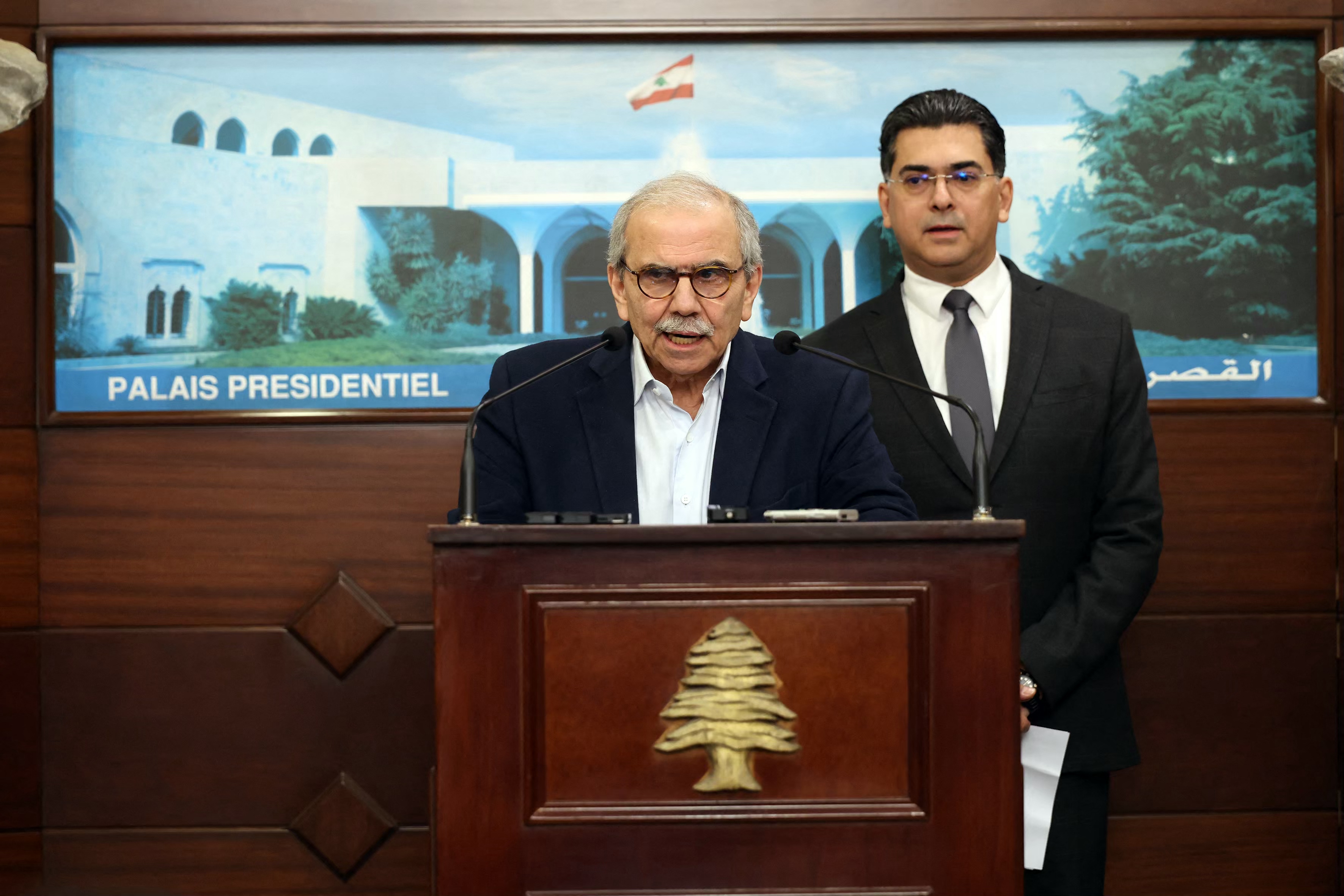
The Cabinet said that Hezbollah's armed activities violate state authority and ordered security agencies to prevent the launch of rockets or drones from Lebanese territory and apprehend violators.
The Cabinet reaffirmed Lebanon's dissociation from regional conflicts and called for intensified diplomacy to secure a ceasefire and a clear Israeli commitment to halt attacks on Lebanese territory.
