

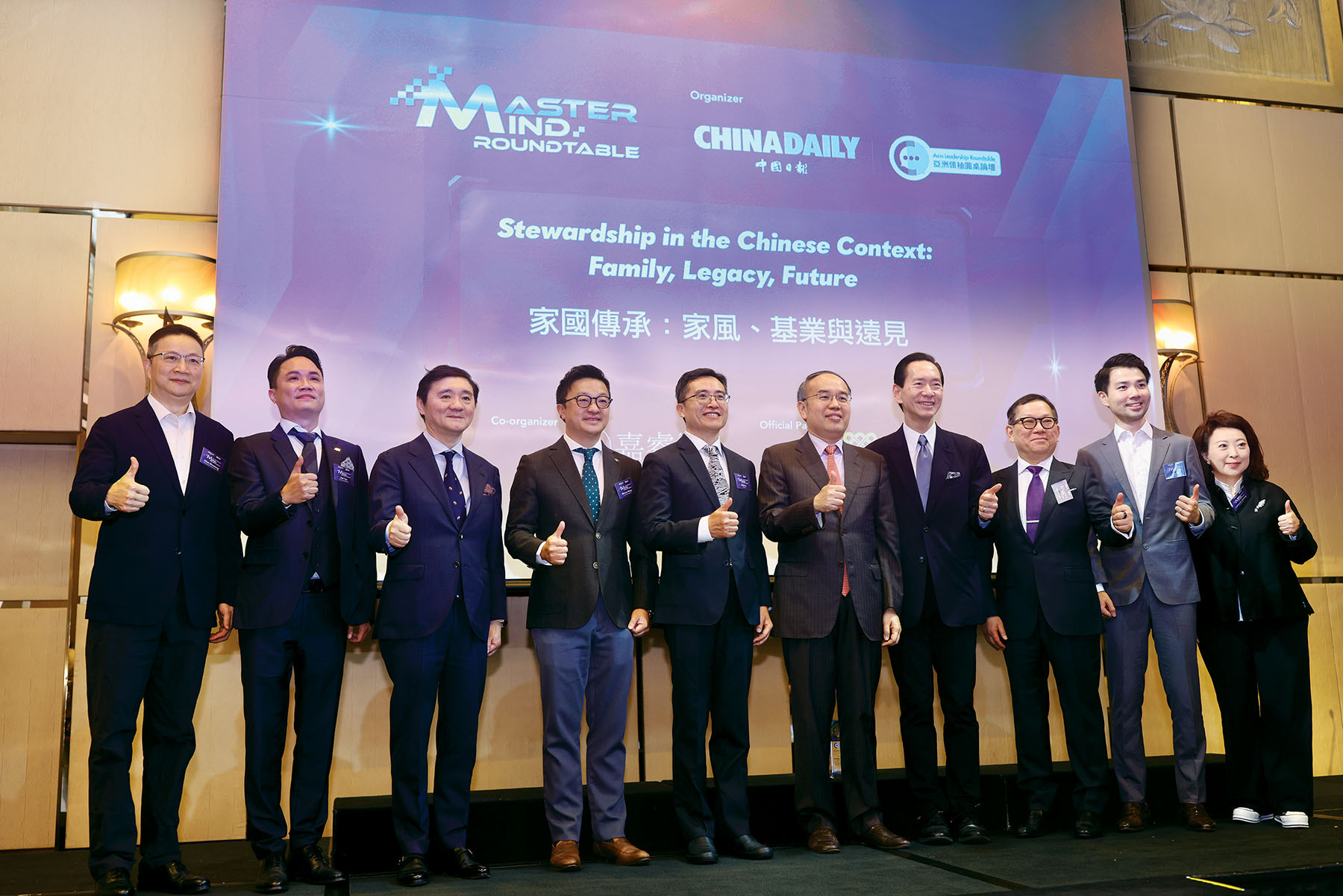
While the Hong Kong Special Administrative Region has unique strengths in harmonizing global best practices with Chinese cultural values, the city’s family office industry needs to leverage its international knowledge and collaborative ecosystem to promote an effective family governance structure with trust, clarity, and transparency.
Panelists shared their insights during the Mastermind Roundtable held on Wednesday, organized by China Daily’s Asia Leadership Roundtable, with Chronicle Advisors as the co-organizer, and XinXi Asset Management as the official partner.
Themed “Stewardship in the Chinese Context: Family, Legacy, Future”, the forum provided a platform to connect policymakers, practitioners, academics, and family principals to foster practical insights, identify collaborative pathways, and support sustainable growth.
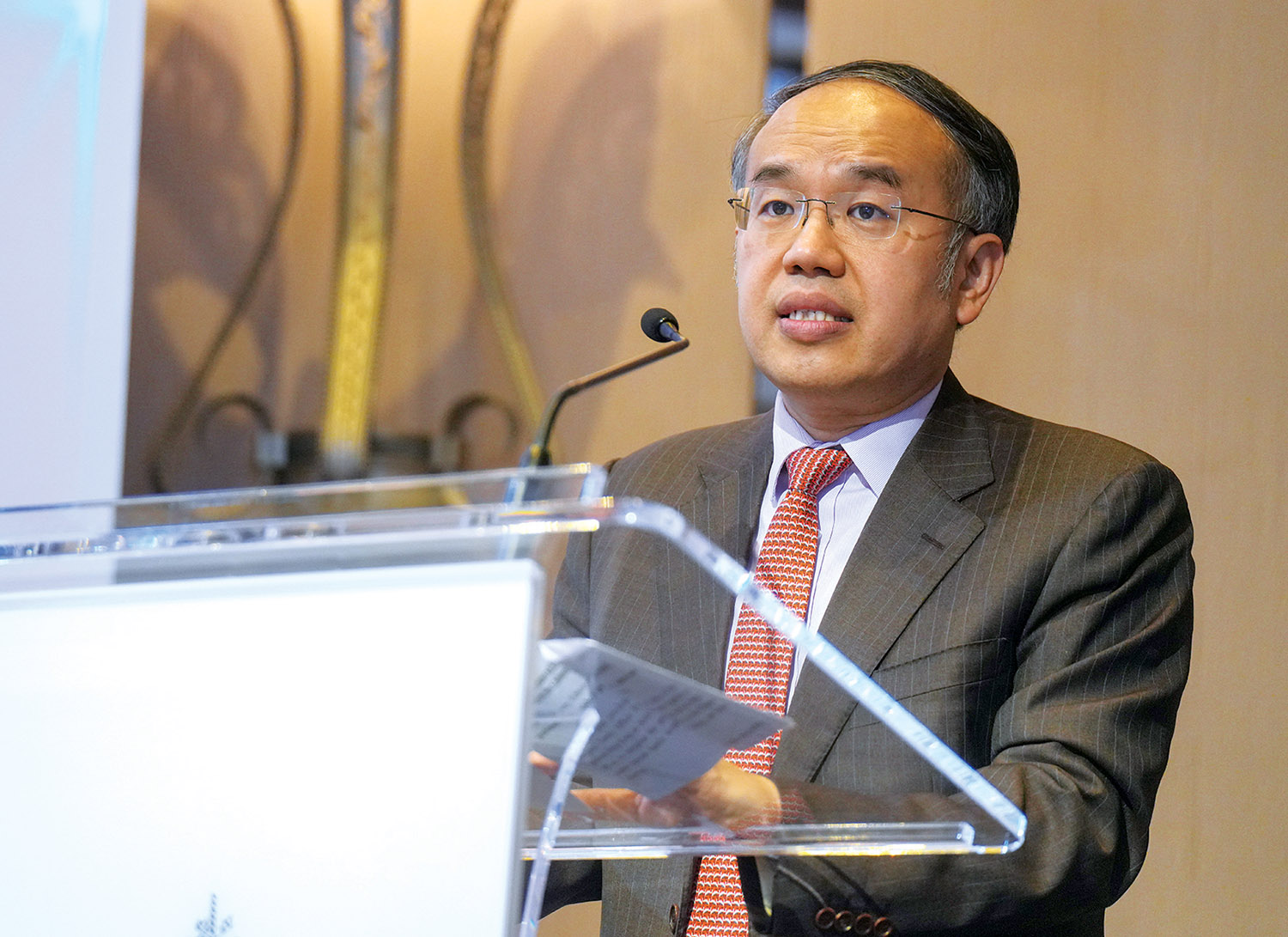
Hong Kong SAR’s Secretary for Financial Services and the Treasury Christopher Hui Ching-yu delivered the keynote speech, in which he said, “Hong Kong is committed to fostering an ecosystem that supports sustainable, responsible, and enduring wealth preservation for families worldwide.”
Hui explained how Hong Kong’s absence of capital gains tax and estate duty, combined with its tax concessions, tax certainty, and access to diverse opportunities, enables families to enhance after-tax returns, preserve wealth across generations, and allocate more resources toward philanthropy, legacy-building, and innovative investments.
It is estimated that single-family offices in Hong Kong contribute about HK$12.6 billion ($1.61 billion) annually to the local economy through operating expenditure alone, and they directly employ over 10,000 full-time professionals.
“As of end-January this year, the New Capital Investment Entrant Scheme has received over 3,000 applications, with potential investments exceeding HK$90 billion if all are approved. More than 1,600 applications have been formally approved,” Hui noted.
He said preparations are underway for this year’s Wealth for Good in Hong Kong Summit in March to sustain momentum and reinforce Hong Kong’s status as the premier global family office hub.
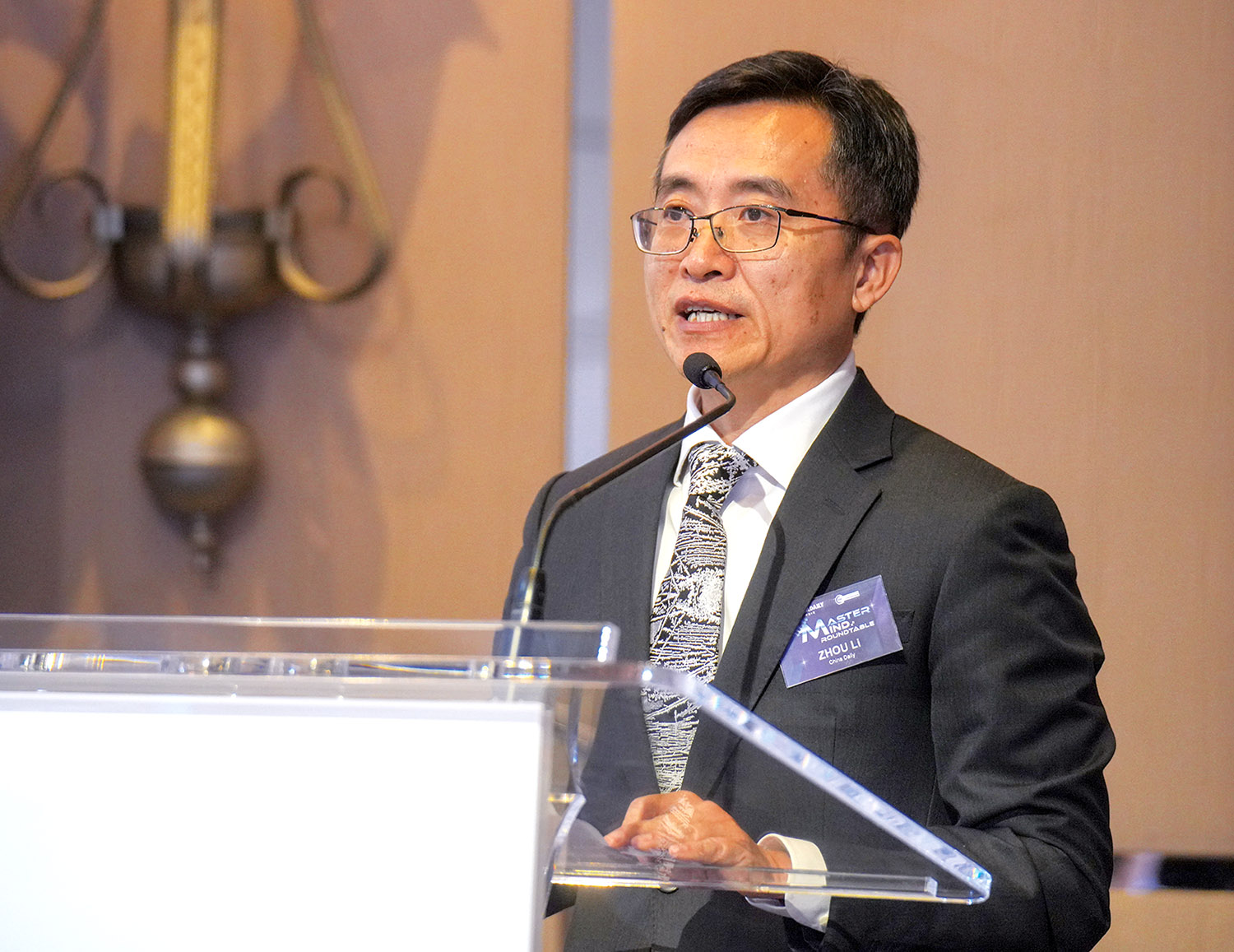
“Asia’s family office sector is growing, driven by generational wealth transfer and economic expansion, reflecting the city’s rising prominence as affluent families refocus here amid global trade shifts and confidence in China’s technology and innovation sector,” said Zhou Li, deputy editor-in-chief of China Daily and editor-in-chief of China Daily Hong Kong.
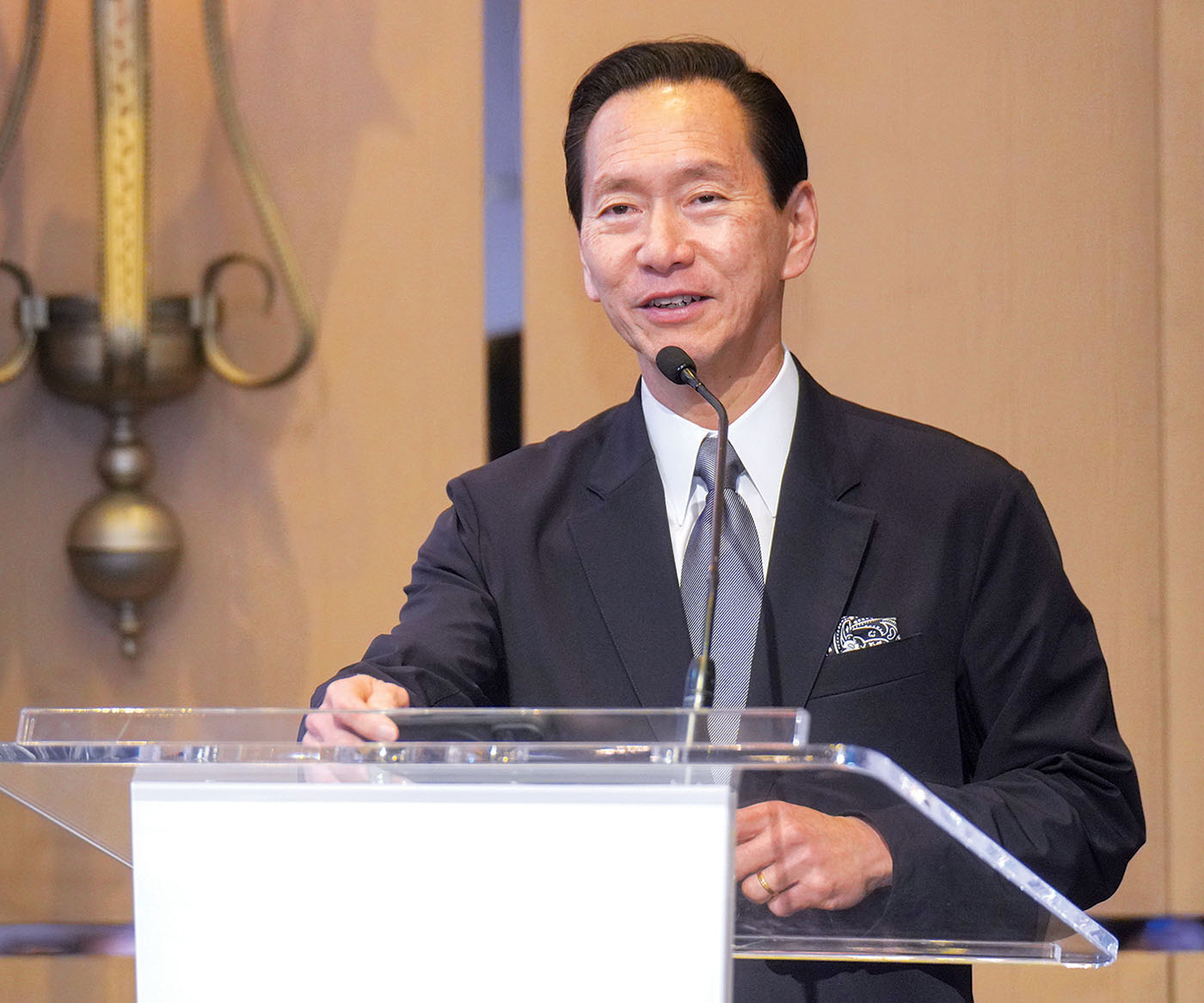
Bernard Charnwut Chan, chairman of Our Hong Kong Foundation and advisory board member of Chronicle Advisors, highlighted that families across the Chinese mainland are navigating an unprecedented generational shift in wealth, authority and responsibilities.
“This is more than just a financial discussion; it is a human and cultural transition that shapes business leadership, community sustainability, and the region’s future,” he said.
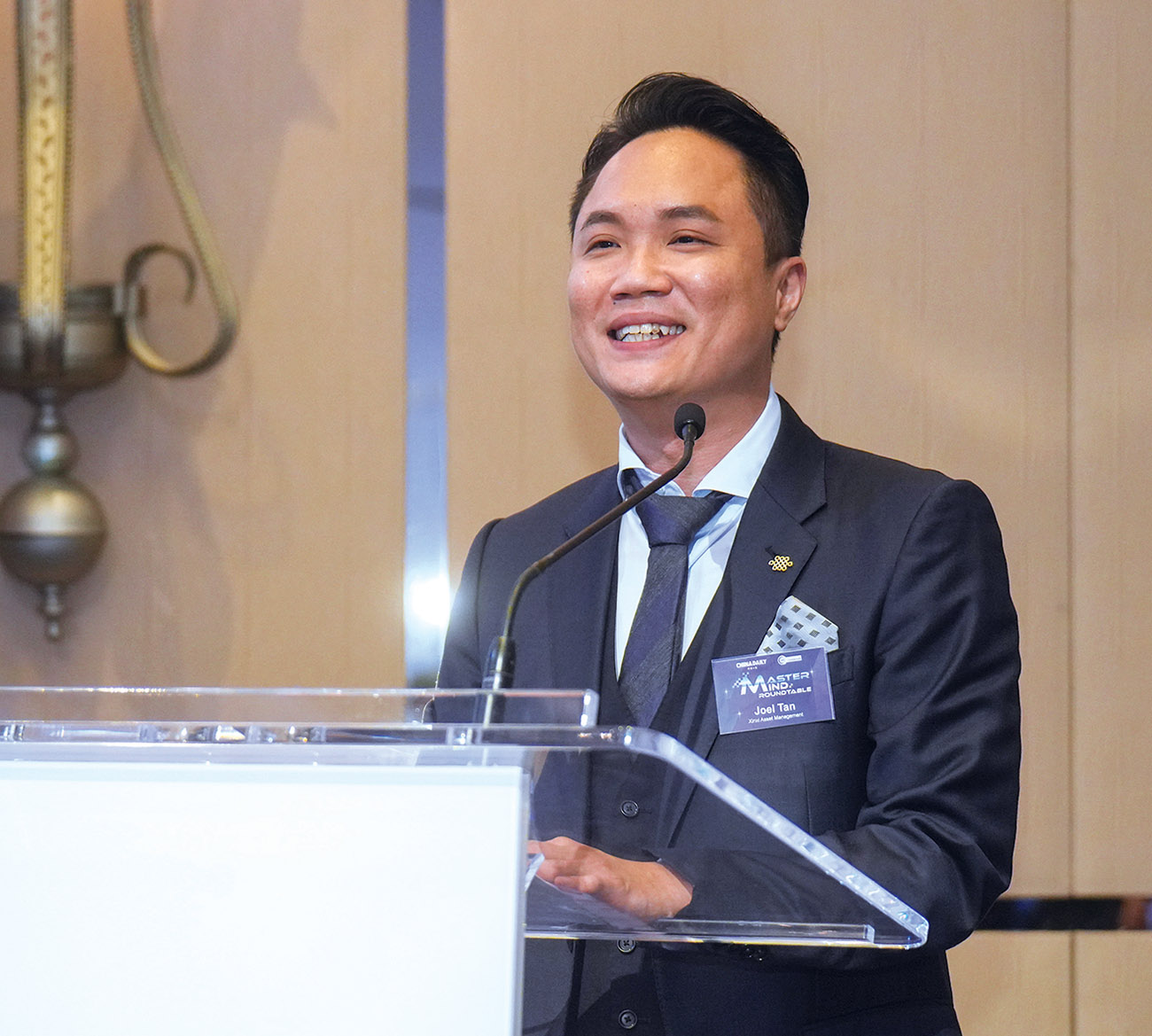
Joel Tan, founder and CEO of XinXi Asset Management, highlighted Hong Kong’s unique strengths. “We offer a rare combination of a trusted global rule of law and a deep understanding of Chinese family values; capital moves freely; and we sit at the doorstep of the Guangdong-Hong Kong-Macao Greater Bay Area, one of the world’s most dynamic economic regions.
“Professionals working here understand that our role is to build culturally resonant governance that protects family harmony while providing clarity,” he added.
The Mastermind Roundtable consisted of three panel discussions, each focusing on a key aspect of family stewardship: family and relational dynamics, governance and structure, as well as professional and technical implementation.
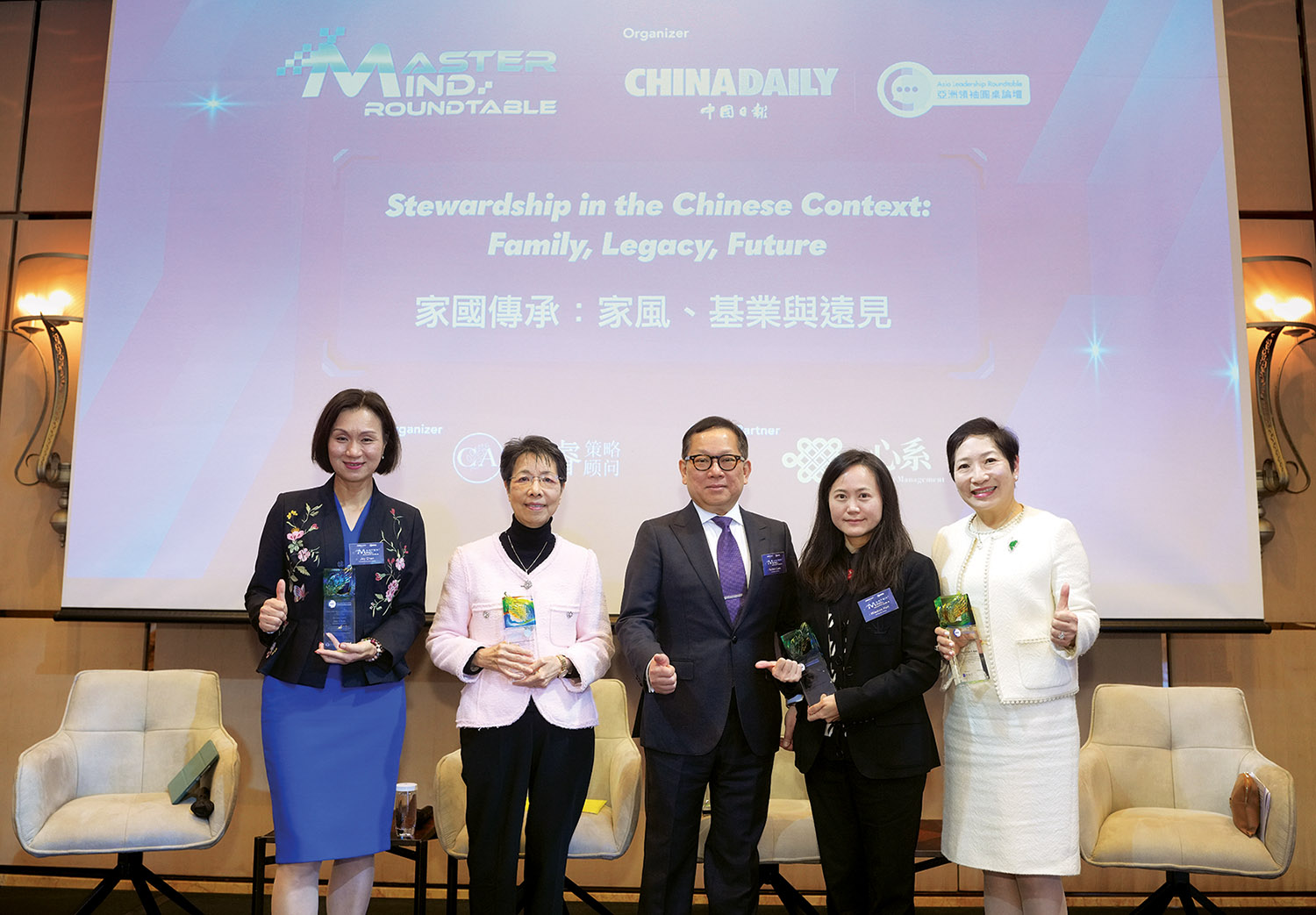
Regarding family and relational dynamics, panelists emphasized promoting intergenerational legacy conversations rooted in transparency, longterm planning, and communication. This framework aims to facilitate building resilient succession structures to support family stewardship and succession planning.
“I think passing down the narrativeof money is important because having the opportunity and the energy to share all of the family stories with the younger generation will be very important, and that is especially how they persevere,” said Peggy Chan, director of program at International Social Service Hong Kong Branch’s ISS Family Institute.
W Plus M Director Wisdom Hon said, “The focus of family wealth is indeed the family. Without the family, the wealth is meaningless and so (we) put our effort and energy in nurturing the family relationships.”
Another panel focused on the essentials of family governance, such as encouraging member engagement, transparency, and accountability in joint decision-making.
“Trust is a big topic,” said Christian Stewart, managing director of advisory firm Family Legacy Asia. He noted that transparency, which may be achieved through family gatherings, is critical to developing trust.
“Family meeting is not saying that they have to listen to somebody else, but it is about having a platform where you can give the rest of the family a voice, or let the rest of the family know what the thinking is from the decision maker,” he said.
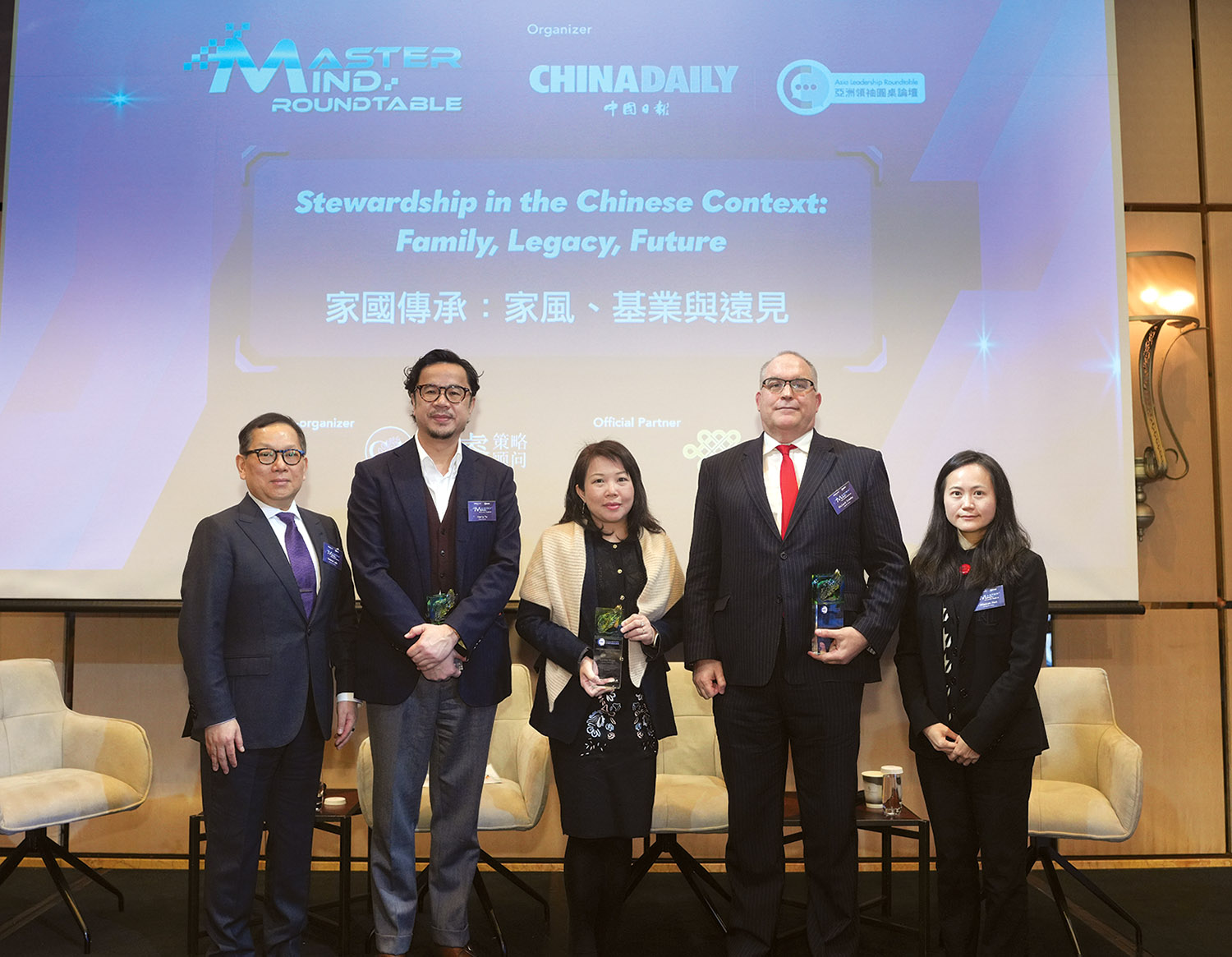
Panelists called on families to invest in nonfinancial assets such as social and intellectual capital, and to cultivate altruism beyond self-interest.
“If family members can nurture this kind of altruistic spirit, where they care about each other’s benefit, it will actually foster harmonious relationships within a family, and of course, it can also help society,” said Winnie Peng, director of the Roger King Center for Asian Family Business and Family Office at the Hong Kong University of Science and Technology.
Jane Ren, practice head of private client services of Fangda Partners, emphasized the importance of early planning, saying that many Chinese families are not mentally or operationally prepared for the practical implementation of family governance structures.
She highlighted that growing a family’s human capital goes beyond simply having more children; it involves leveraging the family’s financial resources to help members develop their talents, find their purpose, and ultimately contribute to both the family and society.
To avoid pitfalls, speakers advised families to remain flexible as their needs evolve and consider step-by-step approaches, such as establishing an offshore wealth management office. Hong Kong, serving as a gateway to the global market and the Chinese mainland, is an ideal location for such initiatives, they added.
“Hong Kong itself could form a gatekeeper-type role, because it has expertise in many structures, and accessibility to many other jurisdictions. It is a place where it is convenient for the family to go and converse with people,” said Richard Grasby, a partner at law firm Appleby.
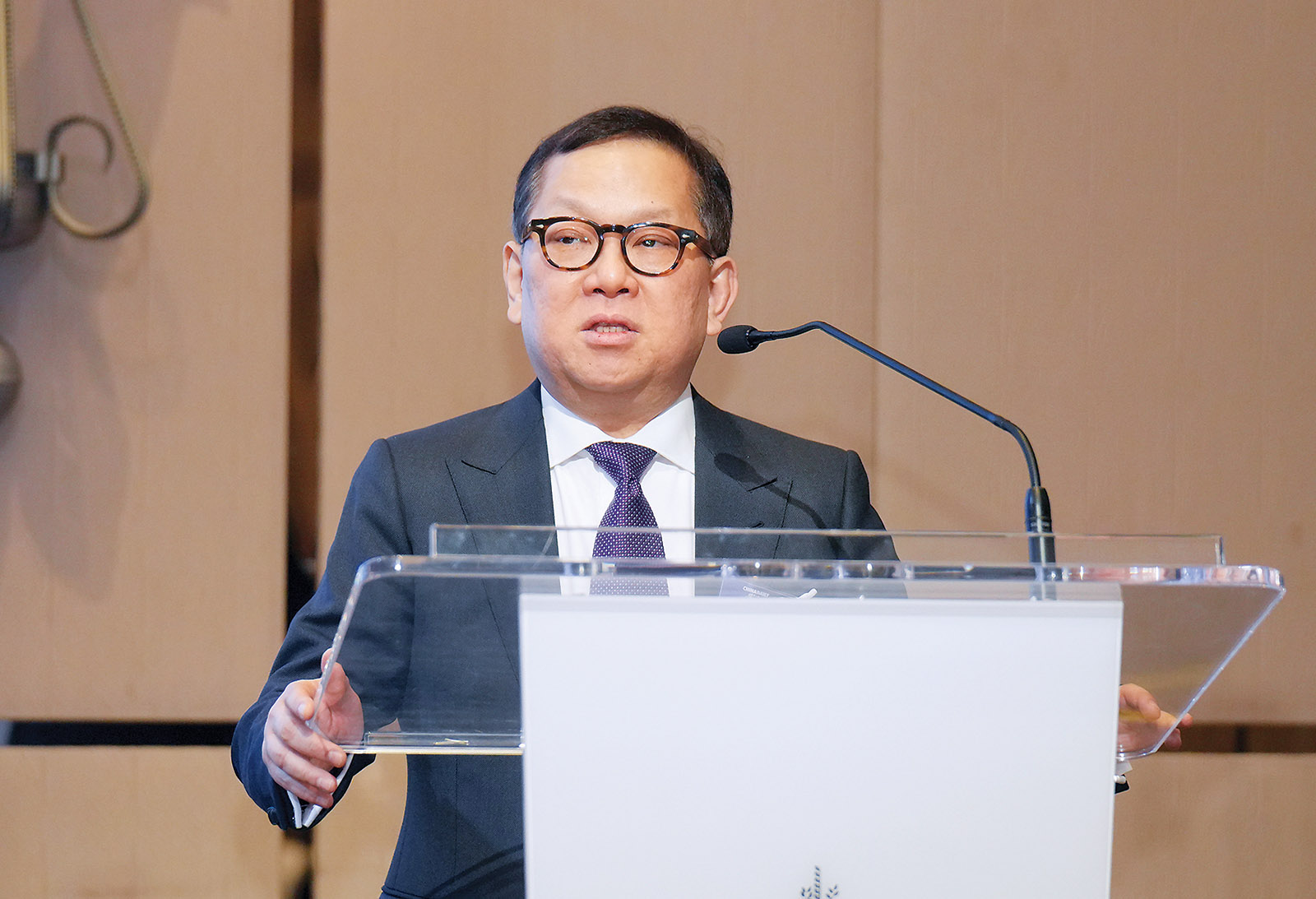
Nelson Lam, managing director of Chronicle Advisors, the co-organizer, said developing and inheriting family legacies nowadays requires support from professionals such as family coaches and therapists, governance consultants, and legal experts.
Hong Kong is an ideal environment to nurture family legacy, he said, citing the city’s unique cultural soil apart from its legal advantages. “Hong Kong offers more than legal advantages; it offers a mindset where East and West do not clash, but converse.”
He added that succession in Chinese families is never simply a technical issue, but rather “a human one, a story of love, duty and the quiet weight of expectation”.
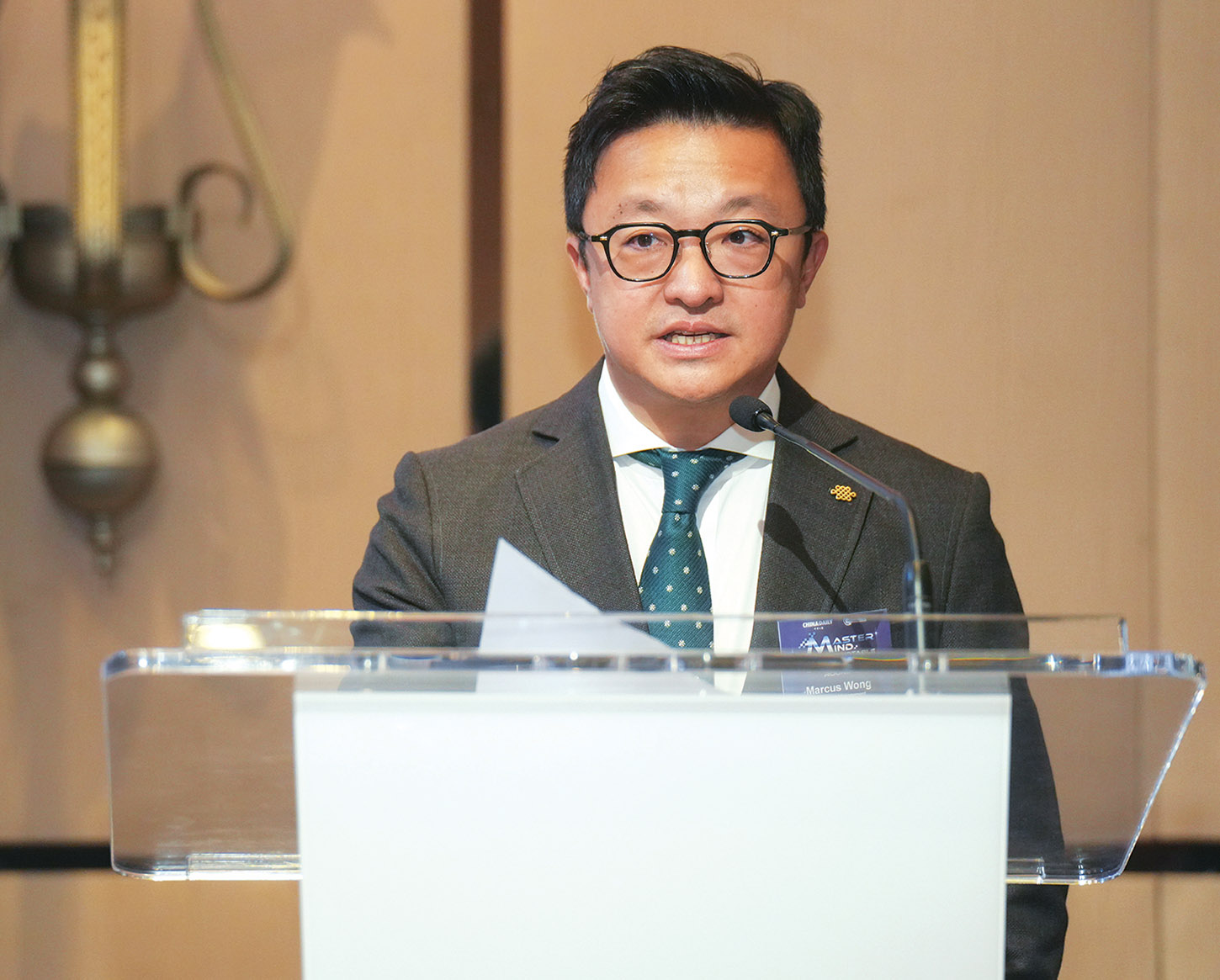
Marcus Wong, chairman of XinXi Asset Management, echoed the significance of human relationships in preserving family legacy in an ever-changing digital world.
As technology continues to advance at an extraordinary pace, “one truth remains constant,” he said. “Systems can be upgraded, platforms can be replaced, and strategies can be optimized. But values cannot be automated, purposes cannot be outsourced, and trust cannot be built by technology alone.
“When markets are uncertain and technology keeps changing, it is the human connections that provide stability, continuity and true legacy. The future may be digital, but legacy will always be human,” Wong added.
Contact the writers at oswald@chinadailyhk.com
