

Shanghai aims to grow at around 5 percent over the next five years with new-industry push
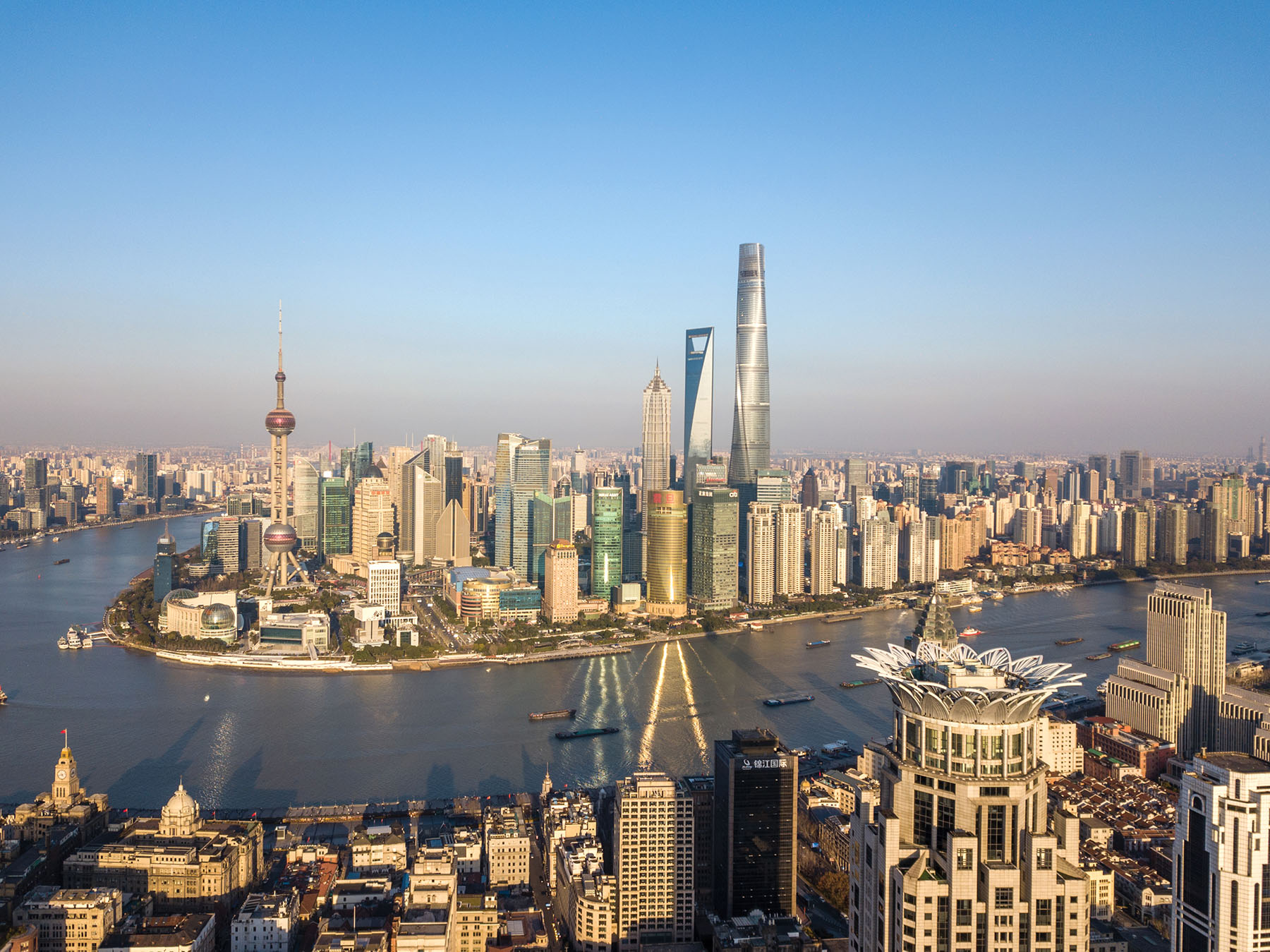
Shanghai aims to become one of the world’s top three cities by economic scale within this decade, driven by an ambitious annual GDP growth target that was outlined in the city’s 15th Five-Year Plan (2026-30).
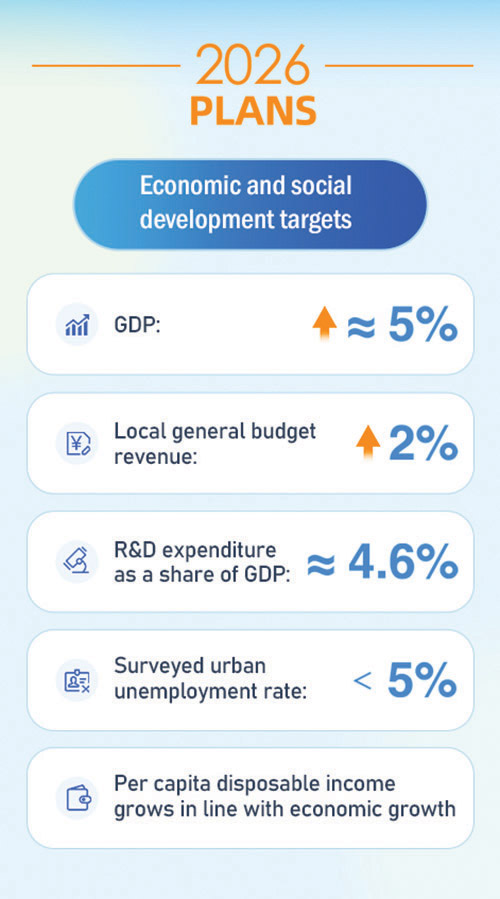
Already one of China’s most dynamic economic hubs and the first city to surpass the GDP mark of 5 trillion yuan ($720 billion), Shanghai is targeting an average annual GDP growth rate of around 5 percent over the next five years. The goal is expected to significantly enhance the city’s overall economic strength, global competitiveness and residents’ livelihoods.
The outline was adopted at the annual session of the Shanghai Municipal People’s Congress, the city’s legislative body, which was held last week.
According to the plan, this targeted growth pace is expected to lift Shanghai’s economic aggregate beyond 7 trillion yuan by 2030. At that scale, the city would rank among the world’s top three by economic size, trailing only New York and Los Angeles.
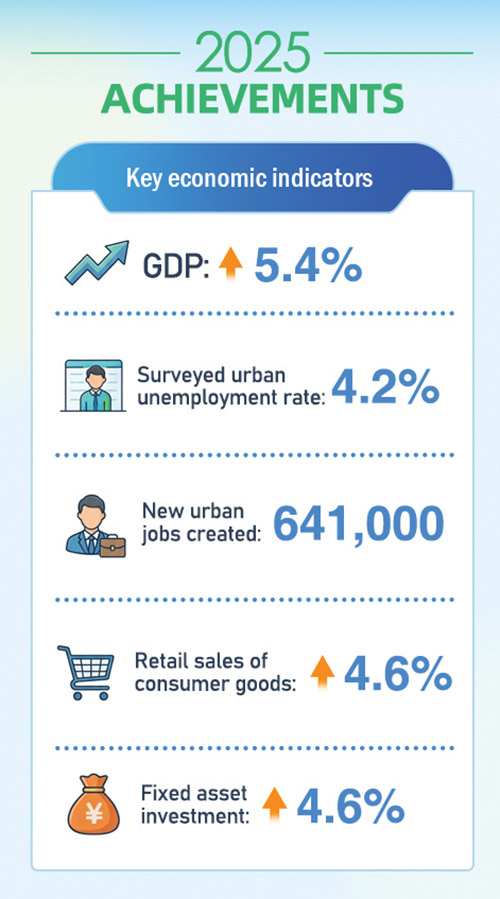
After reaching the 5 trillion yuan milestone in 2024, Shanghai’s GDP climbed further to 5.67 trillion yuan in 2025, placing the city among the world’s top five urban economies. Meanwhile, per capita GDP rose to $32,000 in 2025, comparable to the level of a moderately developed economy.
The outline makes it clear that the next phase of growth will focus on improving workforce skills and, more importantly, strengthening industrial development through scientific and technological innovation.
“Shanghai will accelerate the intelligent transformation of key industries, establish more than 50 additional smart factories, and foster new artificial intelligence-native business formats,” Mayor Gong Zheng said while delivering the Shanghai municipal government work report during the session.
Gong added that the city will also upgrade specialized industrial parks for sectors such as integrated circuits and large aircraft manufacturing, and will vigorously develop future industries including brain-computer interfaces and fourth-generation semiconductors.
The shift toward future industries is already reflected in key indicators, experts said. In the past five years, the number of high-value invention patents per 10,000 residents in Shanghai rose from 29.6 to 65. The target for 2030 is about 85.
Shanghai also plans to boost spending on research and development from about 4.5 percent of GDP in 2025 to more than 5 percent by 2030. In addition, the outline sets a goal for the value-added output of core digital economy industries to account for more than 20 percent of GDP by 2030.
The outline is expected to chart the course for the city’s next phase of development.
Many lawmakers and advisers said that Shanghai’s economic structure is continuing to improve, with its three leading industries — AI, integrated circuits and biomedicine — posting rapid growth.
Legislator Liu Zhi, vice-president of ShanghaiTech University, said that SHINE, the Shanghai high-repetition -rate XFEL (X-ray free-electron laser) and extreme light facility built by the university, is set to begin testing this year. It will be one of two such facilities globally.
Looking ahead to 2035, the plan envisions a comprehensive upgrade of Shanghai’s role as an international center for economic, financial, trade, shipping, and scientific and technological innovation, with key indicators reaching globally leading levels.
“Shanghai’s overall capacity and core competitiveness are expected to rise significantly by 2035, with per capita GDP doubling from 2020 levels, establishing Shanghai as a world-influential socialist modern international metropolis,” Mayor Gong said.
Contact the writers at zhouwenting@chinadaily.com.cn
