

Alpine town of Livigno showcases successful development of winter sports
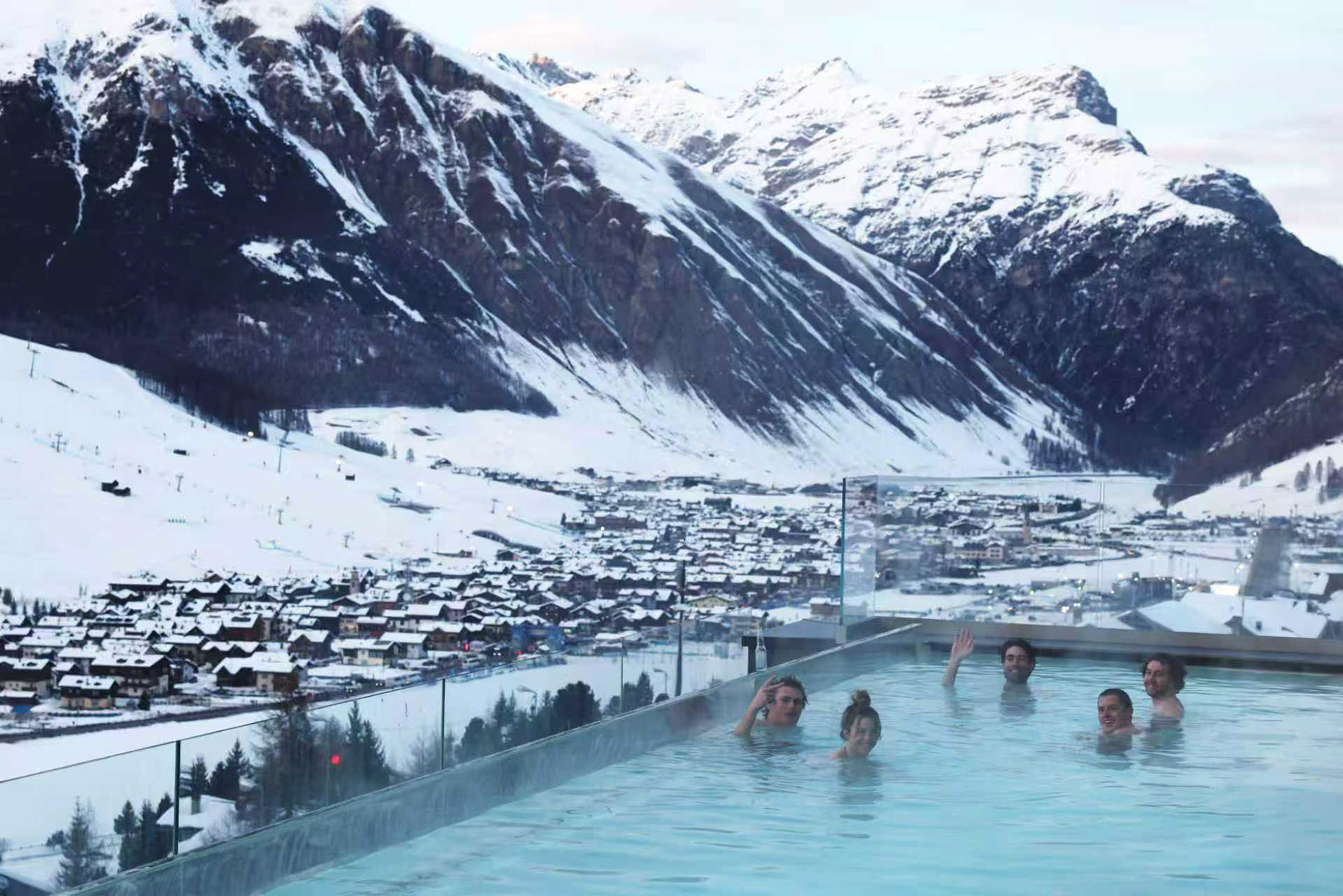
Nestled deep in a valley in the Italian Alps near the Swiss border, the ski town of Livigno has introduced itself to the world as a perfect winter sports venue and an alpine wonderland thanks to exposure from the Olympics.
With sunlight bathing wooden villas, glistening frosty rooftops, fresh snow drifting across the cobbled main street and slopes lined with pine trees, Livigno evokes a fairytale setting in Italy's tranquil and isolated northern Alps.
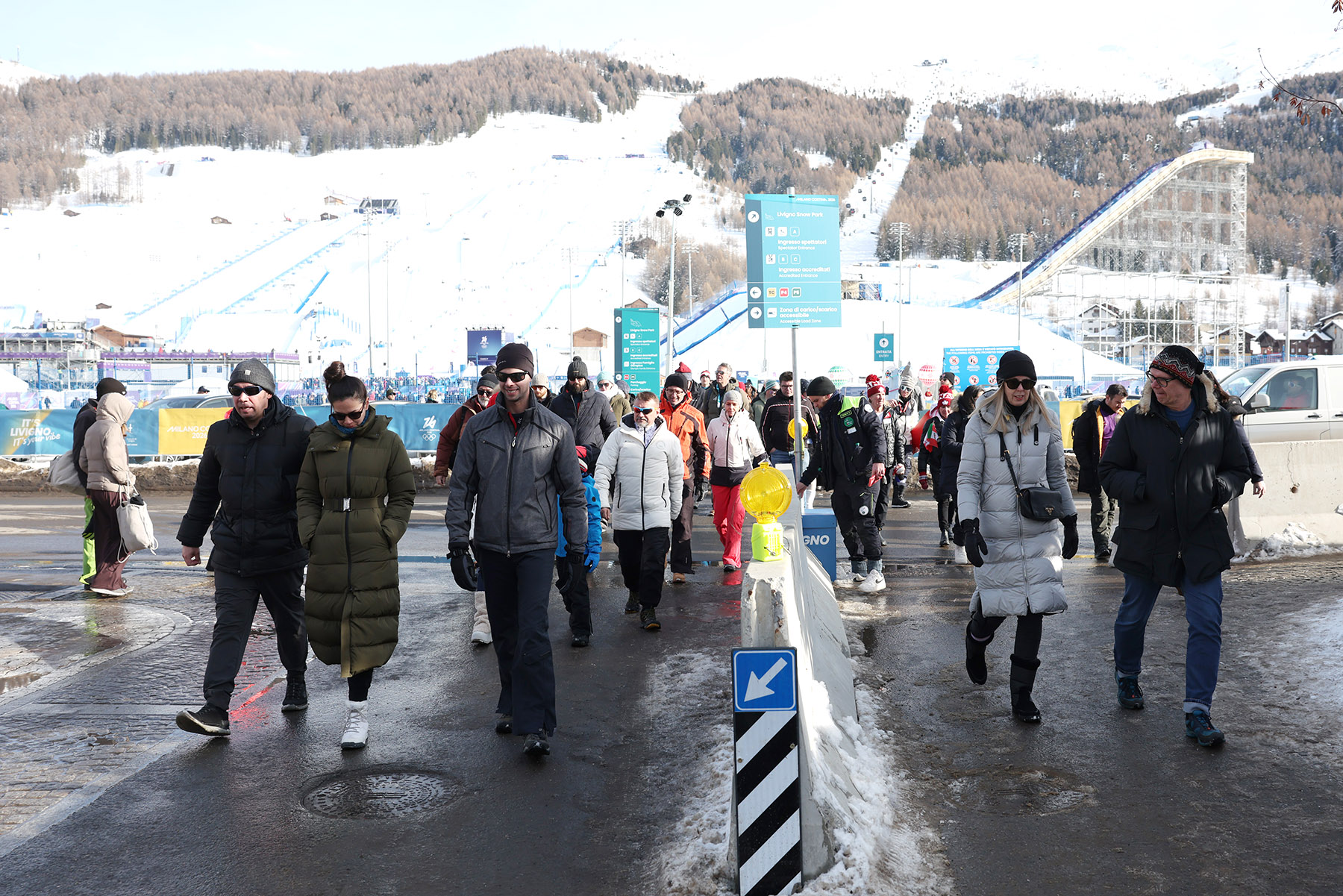
But once the Olympic events started last week, sleepy Livigno, about 220 kilometers north of Milan, sprang to life. Swarms of spectators cheered on competitors at the foot of the slopes, while ski crowds crammed bistros, cafes and shops in the neon-lit streets at night — the entire town suddenly pulsated with energy.
The Milano-Cortina 2026 Winter Olympic Games have shed the international spotlight on the quiet ski town, which was little known to the global audience until this week.
READ MORE: China's Gu Ailing settles for Winter Olympic silver in women's slopestyle
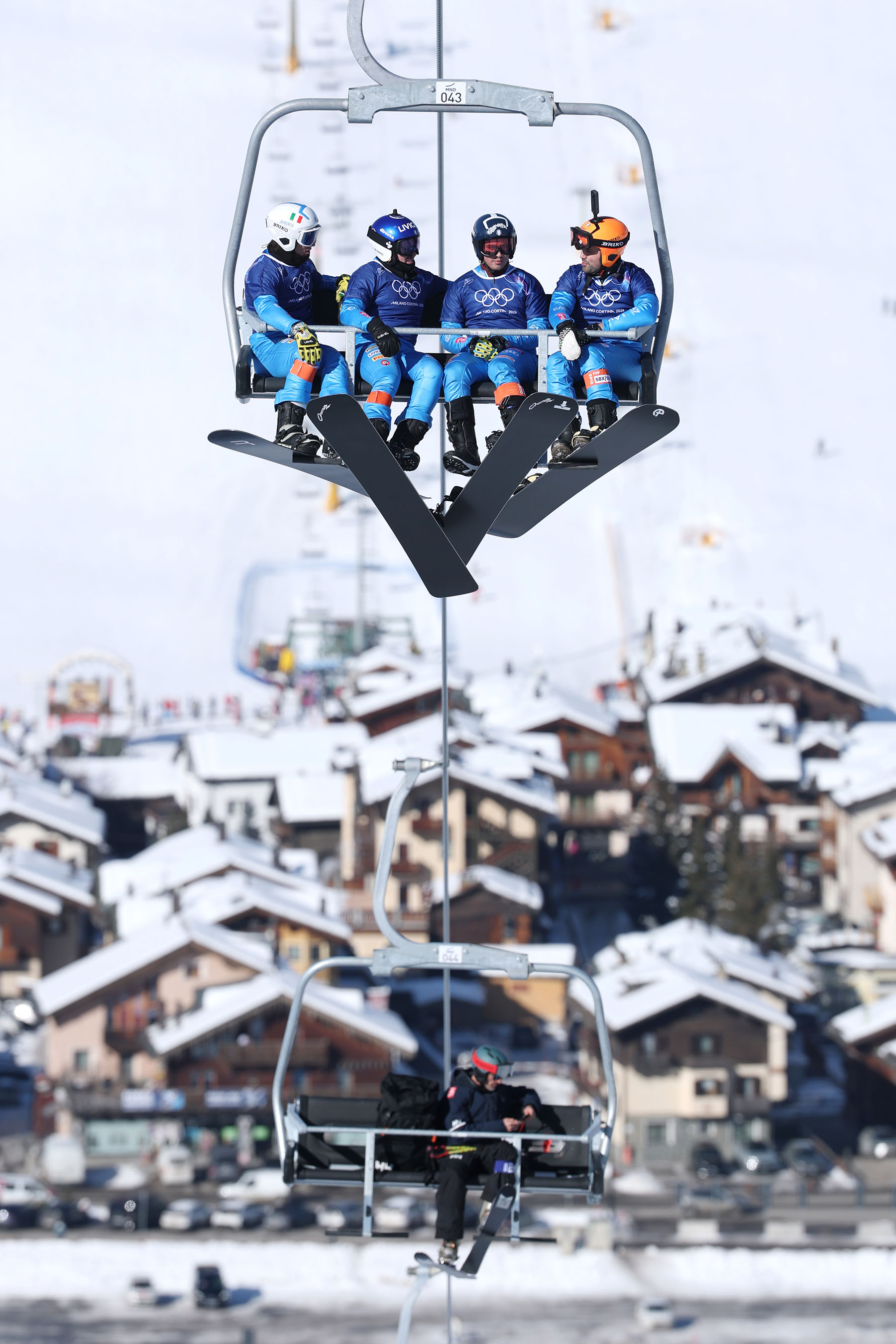
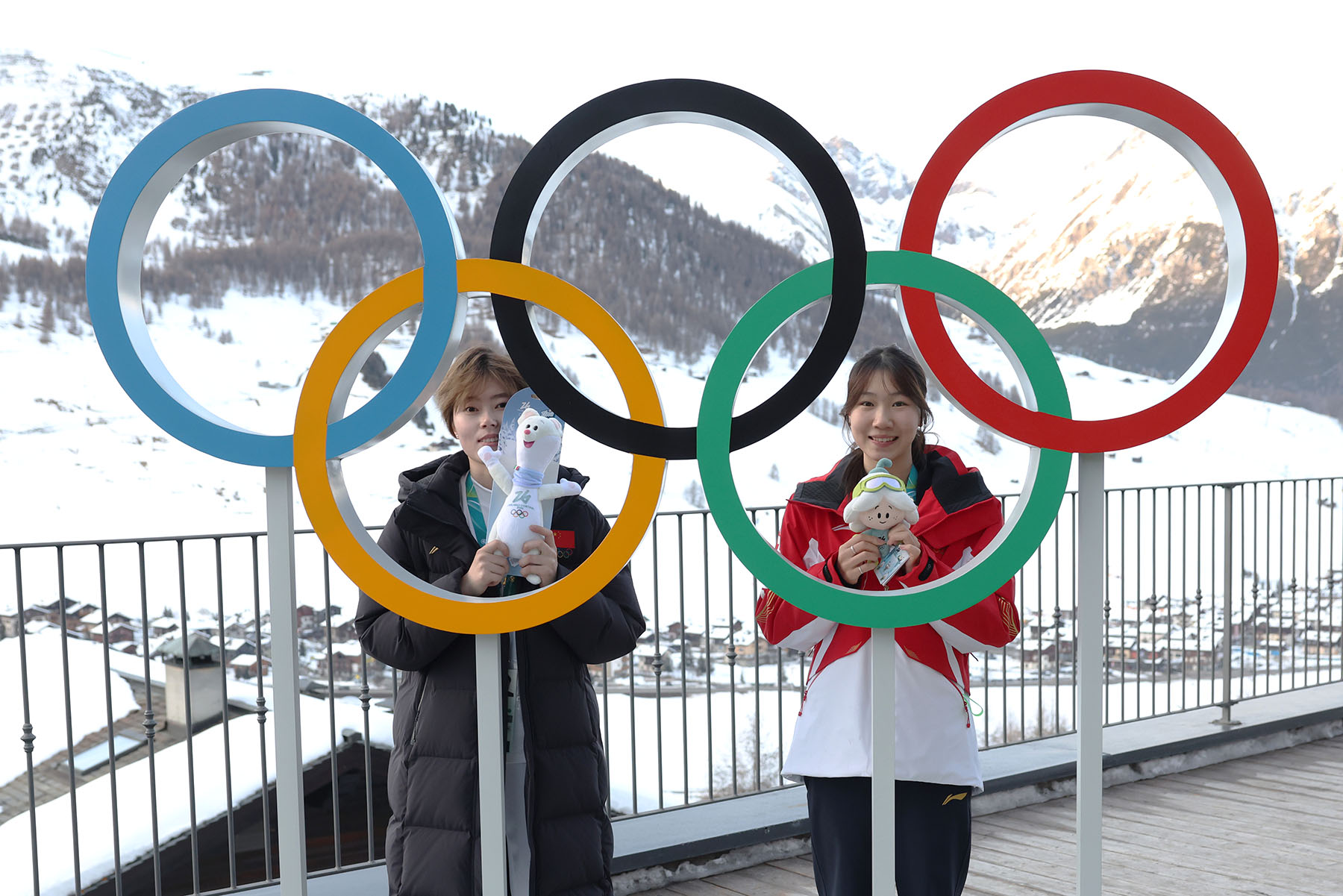
Adorned in Olympic colors, the Mottolino Fun Mountain resort in the heart of the town is playing host to freestyle skiing and snowboarding — two of the most popular events with younger generations.
The arrival of international winter sports stars, such as China's freeski sensation Gu Ailing and the United States' snowboarding superstar Chloe Kim, has drawn a massive crowd of fans, media staff, broadcasting crews and sponsors, despite the long travel time from the nearest urban center in Milan. It takes at least four hours by train and then by bus to reach the resort located at an altitude of over 1,800 meters.
After winning a silver medal in men's big air on Saturday, China's snowboarding prodigy Su Yiming said, "I really appreciate the crowd's support today."
"The energy they gave me was huge, and the atmosphere at this venue feels so electrifying. I like the entire vibe here," he said.
Natural appeal
Flora Tabanelli, one of Italy's best medal prospects in women's freeski, describes the town as her "second home", and hopes her international peers spread the word about Livigno's special appeal.
"I believe more people would know (about) Livigno and fall in love with it after the Olympics," said Tabanelli, who will challenge China's defending champion Gu in the women's big air final on Monday. The Italian added she hoped the Olympians will "love to come back more".
Of course that's the goal — to elevate the ski town's international reputation and attract affluent visitors from new markets, such as China, Japan and the United States. The key to this is to keep Livigno the way it is, according to local officials and tourism promoters.
"The Chinese market of course is where we are aiming to attract more customers,"Luca Moretti, president of Livigno Next, the town's promotional tourism agency, told China Daily.
"We'd like to look at the opportunities for more international customers, thanks to the Olympic Games' influence, but at the same time it's important to keep the look, the style and the tradition here the way they are.
"Livigno has developed a reputation as the home of slightly younger and newer sports — such as freestyle and snowboarding — and their fans. We'd like to have more people understand and appreciate the alpine lifestyle and leisure experience that we offer."
The town's 7,000 permanent residents and its natural beauty are the foundations of its family-friendly reputation. Moretti said 250 million euros ($300 million) of public funds was invested to upgrade facilities, a transformation which would have been impossible if not for the Olympic Games.
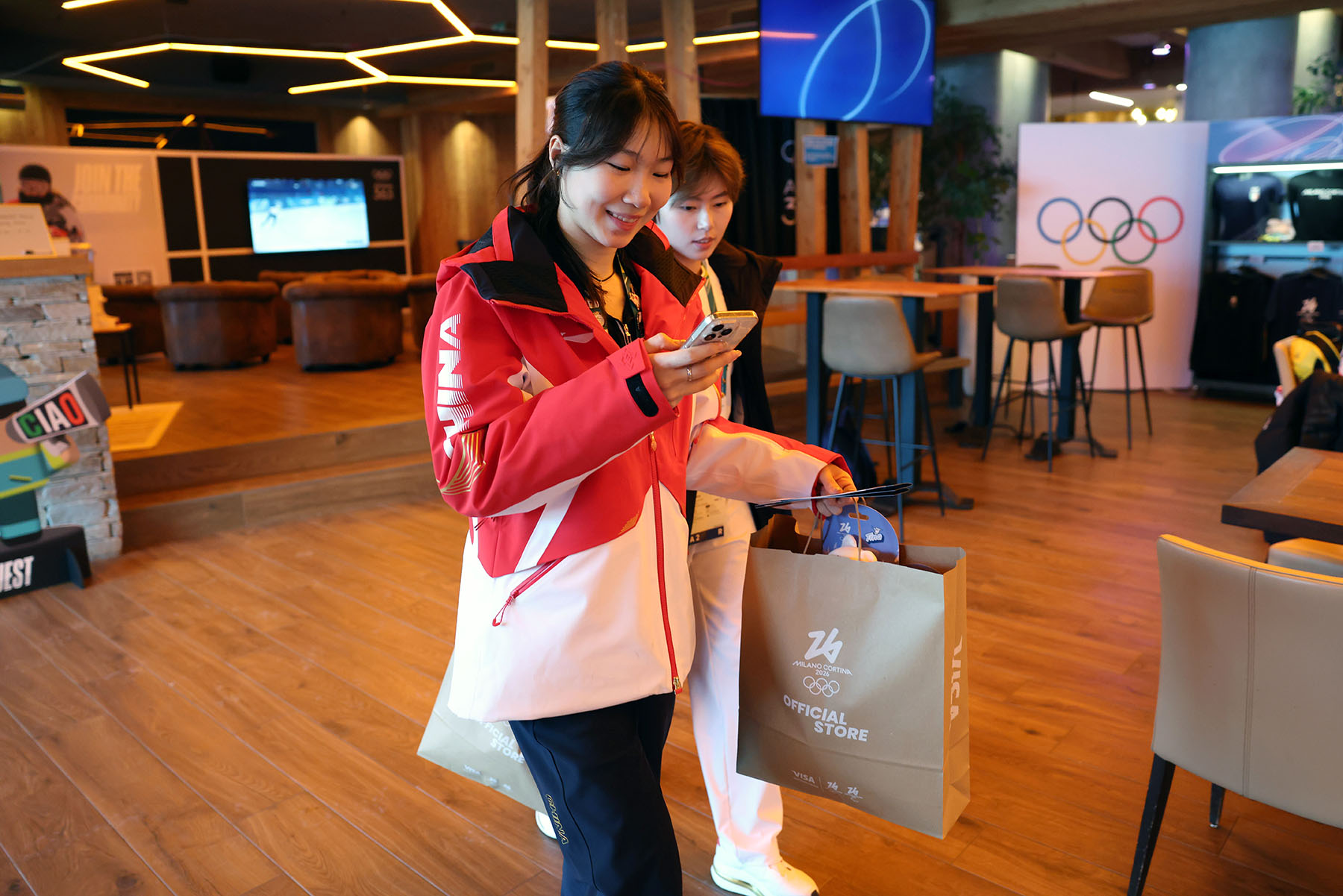
Livigno has approximately 22,000 beds available for visitors, divided equally between apartments and hotels. It is home to 115 km of ski slopes, 30 km of cross-country tracks, 3,200 km of bike trails and 1,500 km of trekking routes, plus a variety of duty-free shops and authentic Italian gourmet experiences at a number of resorts.
"New facilities have been built and more will be built. A strong legacy for the area (is expected)," Moretti said.
Running a cozy 10-bedroom hotel tucked in a valley about 50 minutes away by bus from the Mottolino resort, Letizia Bianchini had never expected to welcome as many Chinese guests as she has this week. A group of Chinese media personnel and spectators have almost entirely booked her 30-year-old wooden villa.
The 73-year-old "Mamma Boss" said the Games had opened a new market for small businesses like the Bianchini's family-run hotel Meuble Rosalpina. She added she couldn't be happier.
"Yes, we have hosted Chinese visitors occasionally before, but not as many as this year," Bianchini told China Daily.
"I wish we'd have more of them. The Olympics have shown how beautiful our valley here is and how much fun a mountain holiday stay here is."
According to Milan-based Elan Travel, an agency specializing in serving Chinese visitors, the interest in winter vacations centered around skiing in the Italian Alps has been rising steadily.
"Each winter, we welcome groups of Chinese tourists with the number ranging from 3,500 to 5,000," said Antonio Chen, an agency employee. "Accessible resorts around Milan, such as Piani di Bobbio, are among the most popular destinations, while Livigno is getting known."
China's progress
Over 8,000 km to the east, another winter tourism boom is providing a strong boost to the economy.
After staging the 2022 edition of the Winter Olympics, China is striving to upgrade its winter sports industry to catch up with the world's best.
With more Chinese champions to be crowned in Italy in the coming weeks, public interest in winter sports, outdoor activities, and tourism packages is expected to surge during the Spring Festival holidays.
The country's increasing number of winter sports resorts and facilities are expected to continue filling coffers, according to officials and resort operators.
"Ice and snow sports and relevant leisure activities have become the most trending, and the fastest-growing events among all outdoor sports. The Olympics are definitely going to galvanize that boom," said Yang Xuedong, director of the sports economy department of the General Administration of Sport of China.
According to Huo Jianjun, director-general of the China Tourist Attractions Association, winter sports tourism is predicted to generate an estimated total revenue of 630 billion yuan ($91 billion) from ticketing, accommodation, catering and other relevant services by the end of the 2025-26 season.
"With winter sports participation expanding to a wider region in the country outside the traditional provinces in northeastern China, the tourism sector is taking advantage of more travel to new destinations," Huo said during the World Winter Sports Expo 2025 in Beijing.
China's technological progress is also pushing winter sports to break seasonal and geographic boundaries, with solutions such as artificial "dry-snow" slopes and virtual reality skiing simulators diversifying business offerings at both indoor and outdoor venues, said Hao Lishun, an official with the Ministry of Industry and Information Technology.
Quality is crucial
With Chinese resort operators and event promoters having already upgraded their equipment and facilities to international standards, operational expertise in business diversification and customer services could still use more input from the established players, said Erik Riegler, who is in charge of cooperation and relationship development at the Austrian Embassy in Beijing.
"You should focus on different target groups to differentiate the products and services, not only serving those people who come to ski, but also others who want to experience the mountains, outdoor events and maybe some other cultural activities,"Riegler said of experiences from Austria during a winter sports forum held in Beijing's Yanqing district.
Midway through the 2025-26 winter, Yanqing's National Alpine Ski Center, the venue of Beijing 2022's alpine events, has seen its customer number increase by about 50 percent compared with the same period last year. The final number is estimated to easily surpass last season's record figure of 200,000, said deputy general manager Chen Hongyan.
However, relatively sluggish business during other seasons has emerged as a challenge for the large-scale center, which has a high operational cost, to stay financially sustainable.
Similar challenges are also hampering the development of resorts in Chongli in Hebei province, another co-host of Beijing 2022, where operators have begun offering more summer activities, such as hiking and mountain biking to attract customers in the "off season".
ALSO READ: Chinese snowboarder Su Yiming clinches first medal at Milano-Cortina
In Italy, Moretti of Livigno, said diversification of customer experiences and building more outdoor sports facilities for other seasons have helped alpine resorts to thrive all year long. Chinese developers should do the same, he suggested.
"You cannot survive just with a winter business, you have to support the summer business by introducing more services and products that will cater to the needs of nonskiers and holiday-goers during other seasons," Moretti said.
Florian Hajzer, general manager of the China branch of Italian snow-making brand TechnoAlpin, said the quality of the tourism experience also needs to be a priority.
"Looking at what's been happening in the ice and snow industry around the world, in no country is there something comparable to what's happening in China," said Hajzer, who's been studying and working in China for over 10 years.
"To be completely honest, this is not rocket science. But all the events and facilities need to be done with quality, while the Chinese are still on a learning curve."
Contact the writers at sunxiaochen@chinadaily.com.cn
