

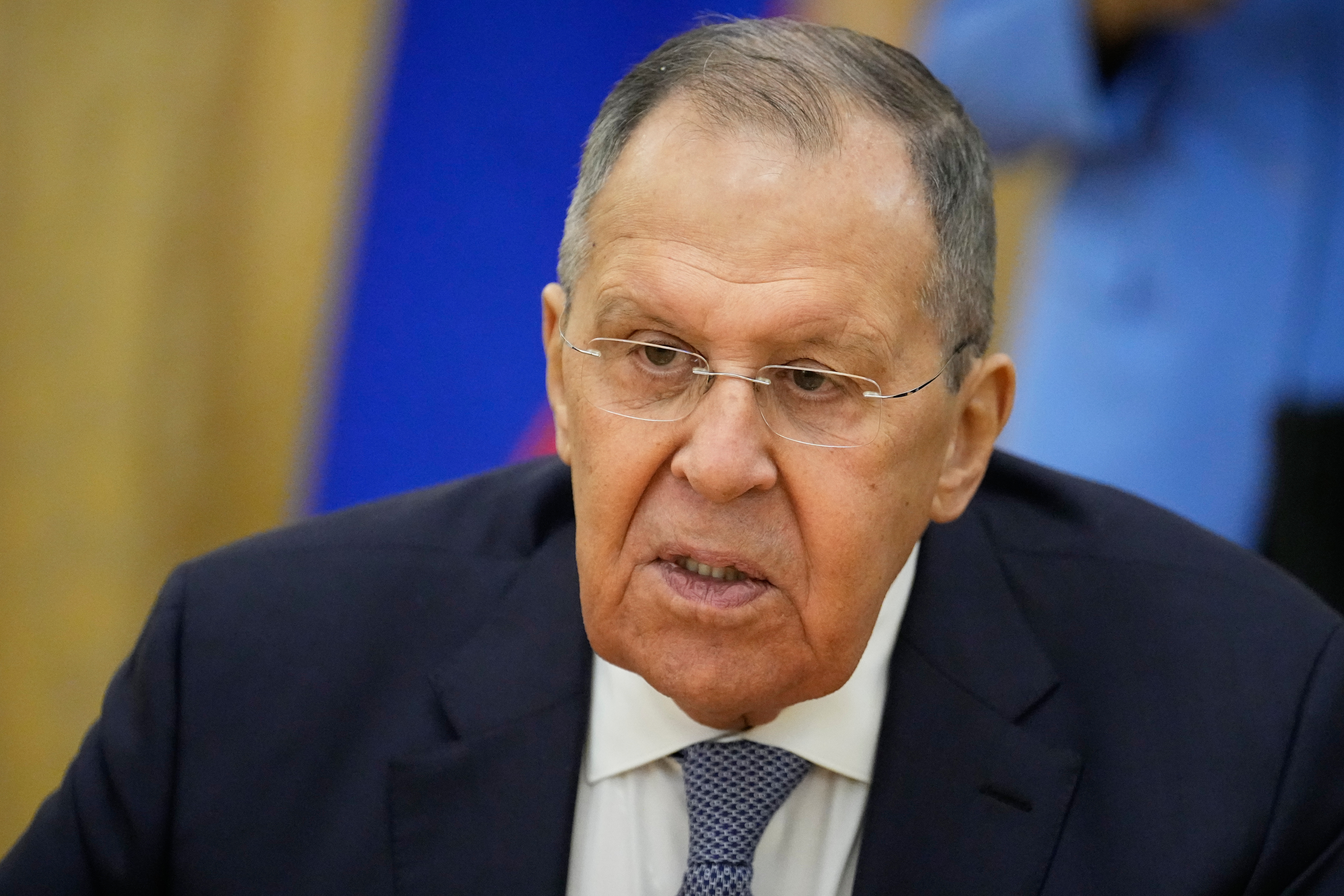
ABU DHABI/KYIV/MOSCOW - Ukraine must be "a neutral and benign state" to be Russia's neighbour for the long term, Russian Foreign Minister Sergey Lavrov said in an interview with Russia Today on Thursday.
"It must be a friendly Ukraine. Not necessarily an ally, but a neutral and benign state," said Lavrov, according to the English version of the interview published by the Russian Foreign Ministry.
"This, of course, implies respect not only for the rights of the people in the territory that will remain part of Ukraine, not only respect for their rights to access basic necessities, such as warmth, food, and water, but also respect for their, if you will, fundamental human rights, including language, education, and religion," Lavrov said.
To reiterate, Ukraine that will sign the agreements must not assault international law and the Ukrainian Constitution, which guarantees the rights of ethnic minorities, he added.
Lavrov noted that Russia has repeatedly made clear to Washington that for Moscow, the priority in the Ukrainian settlement is not territory, but people: "Our priority is the people that have lived in these territories. The Russian people who speak and raise their children to speak Russian, who have developed these territories for centuries."
Lavrov said the Ukrainian peace settlement plan referenced by Ukrainian President Volodymyr Zelensky, parts of which Russia has only seen in fragments, makes no mention of restoring the rights of ethnic Russians and other national minorities, nor of upholding religious freedoms.
He stressed that linguistic and religious freedoms are enshrined in the UN Charter. "They cannot be used as bargaining chips."
Second round of US-brokered talks
On Thursday, the second round of US-brokered talks between Russia and Ukraine concluded in Abu Dhabi, capital of the United Arab Emirates, with both sides agreeing to a large-scale prisoner exchange but failing to achieve substantive breakthroughs on core issues such as territorial arrangements and a ceasefire.
According to Ukraine, the talks were conducted trilaterally before moving to group consultations. Ukraine's National Security and Defense Council Secretary Rustem Umerov said the Ukrainian delegation sought a "dignified and lasting peace", without disclosing specific outcomes.
The talks ended with no joint political or security statement, underscoring persistent differences between Russia and Ukraine on key matters, including territorial disputes, ceasefire arrangements, and security guarantees.
US President's Special Envoy Steve Witkoff said representatives from the three countries reached a consensus on a prisoner swap, describing the discussions as "specific and constructive". He added, however, that greater efforts would be required to advance a comprehensive settlement of the conflict.
ALSO READ: Russia, Ukraine begin 2nd round of US-brokered talks in Abu Dhabi
Umerov added that negotiating teams also had broad discussions on unresolved issues, including mechanisms for implementing a ceasefire and monitoring the cessation of military activities.
Prison exchange
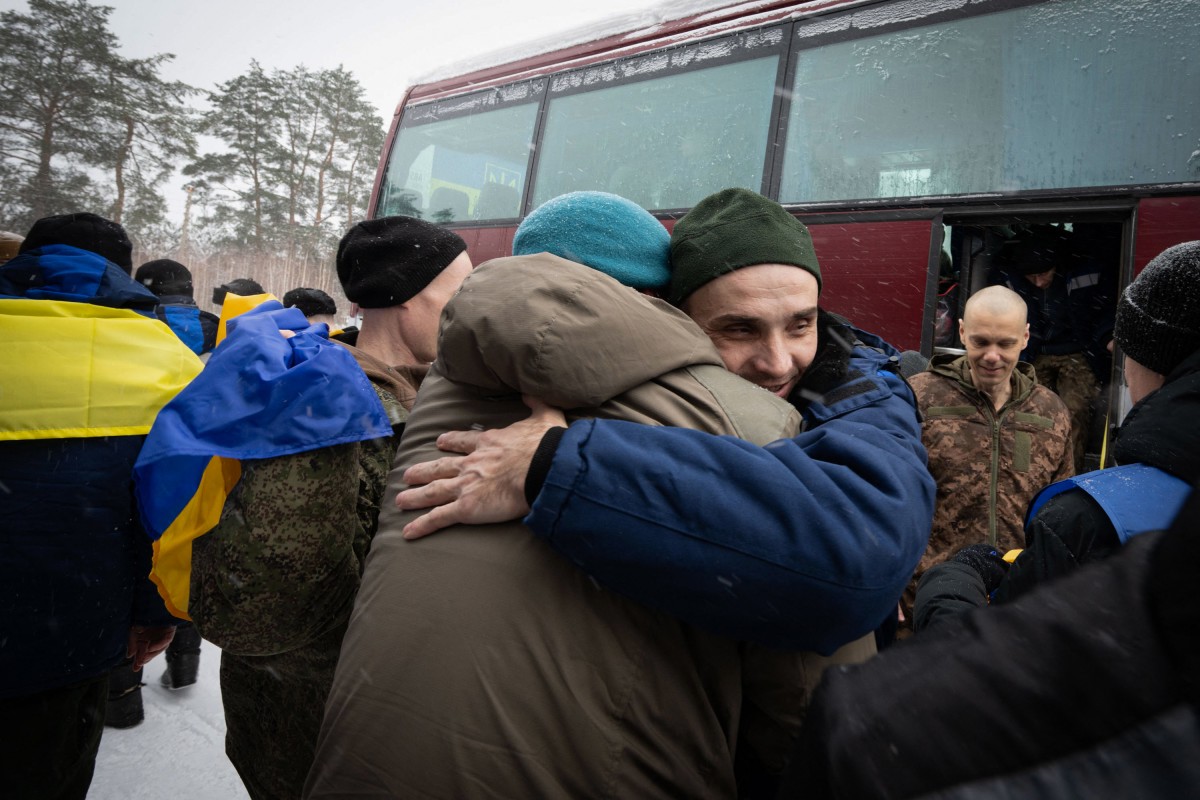
Following the talks, Russia and Ukraine conducted their first large-scale prisoner exchange in nearly five months, with each side returning 157 detainees. Zelensky said those released included both military personnel and civilians.
In a statement issued earlier, the United Arab Emirates Ministry of Foreign Affairs welcomed cooperation between Russia and Ukraine on the prisoner exchange, saying it demonstrated the UAE's role as a reliable mediator in easing the crisis and promoting constructive dialogue.
No timetable or arrangements for a next round of talks were announced, highlighting continued uncertainty in the political settlement process.
'Next round of talks to be held soon'
Zelensky said Thursday that the next peace talks with the delegations of the US and Russia will be held soon. "Further meetings are planned in the near future, likely in the United States," Zelensky said in his evening address.
He emphasized that Kyiv is prepared for work in any format to bring peace closer.
Russia's missile launch site hit
Separately, Ukrainian forces struck the launch site of Russia's Oreshnik hypersonic ballistic missile in January, according to a statement on Thursday by the general staff of the Ukrainian Armed Forces.
The strikes targeted infrastructure where Russia conducts pre-launch preparations for medium- and intercontinental-range ballistic missiles at the Kapustin Yar test site in the Astrakhan region, said the statement.
According to the statement, Ukraine-made long-range strike weapons, in particular FP-5 Flamingo missiles, were used in the strike.
ALSO READ: Lavrov deems any western military presence in Ukraine unacceptable
According to available information, several buildings on the site sustained varying degrees of damage, with one of the hangars being significantly damaged, the statement said. Some personnel have been evacuated from the area.
Russia used an Oreshnik in its attack on Ukraine's western city of Lviv on Jan 9, Ukrainian authorities said.
Ukraine's military transport, energy infrastructure struck
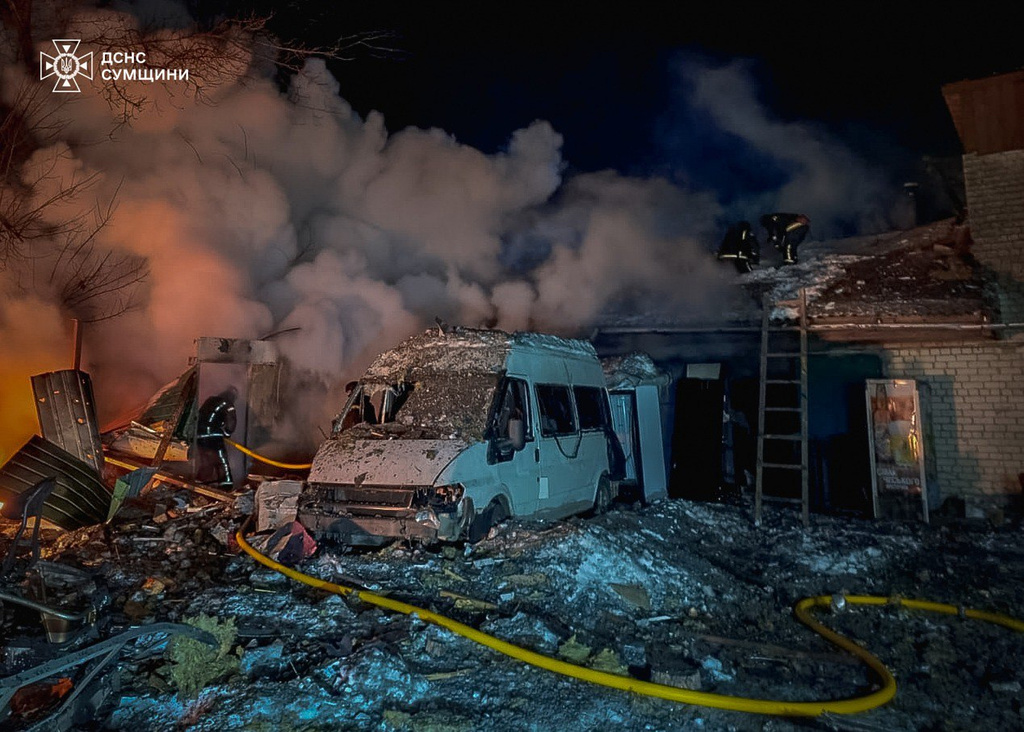
Meanwhile, Russian forces have struck the Ukrainian military's transport and energy infrastructure over the past 24 hours, Russia's Defense Ministry reported.
Russian forces have struck 148 locations, including transport and energy infrastructure used by the Ukrainian military, sites for the assembly, storage and launch of long-range drones, ammunition depots, and temporary deployment areas of Ukrainian armed formations and foreign mercenaries, the ministry said in a statement.
The ministry added that Russian air defense forces have shot down one guided aerial bomb, 381 Ukrainian fixed-wing drones and nine rockets launched by a US-made HIMARS multiple launch rocket system.
Russia loses access to Starlink in Ukraine
In another development, Ukrainian Defense Minister Mykhailo Fedorov said on Thursday that Russia has lost access to Starlink satellite Internet service in Ukraine, which was reportedly used in attacks on Ukraine.
Fedorov said in a post on Telegram that SpaceX is collaborating with Ukraine to update a "white list" of approved and verified Starlink terminals, while unapproved Russian systems have been blocked.
He added that Ukrainian Starlink terminals that have been registered and included on the "white list" are still operational.
"The first batch of terminals that were included in the 'white list' is already working," he said, adding that the "white lists" are updated once a day.
