

Botanical garden sews seeds of success by ensuring conservation of 'prosperity plants'
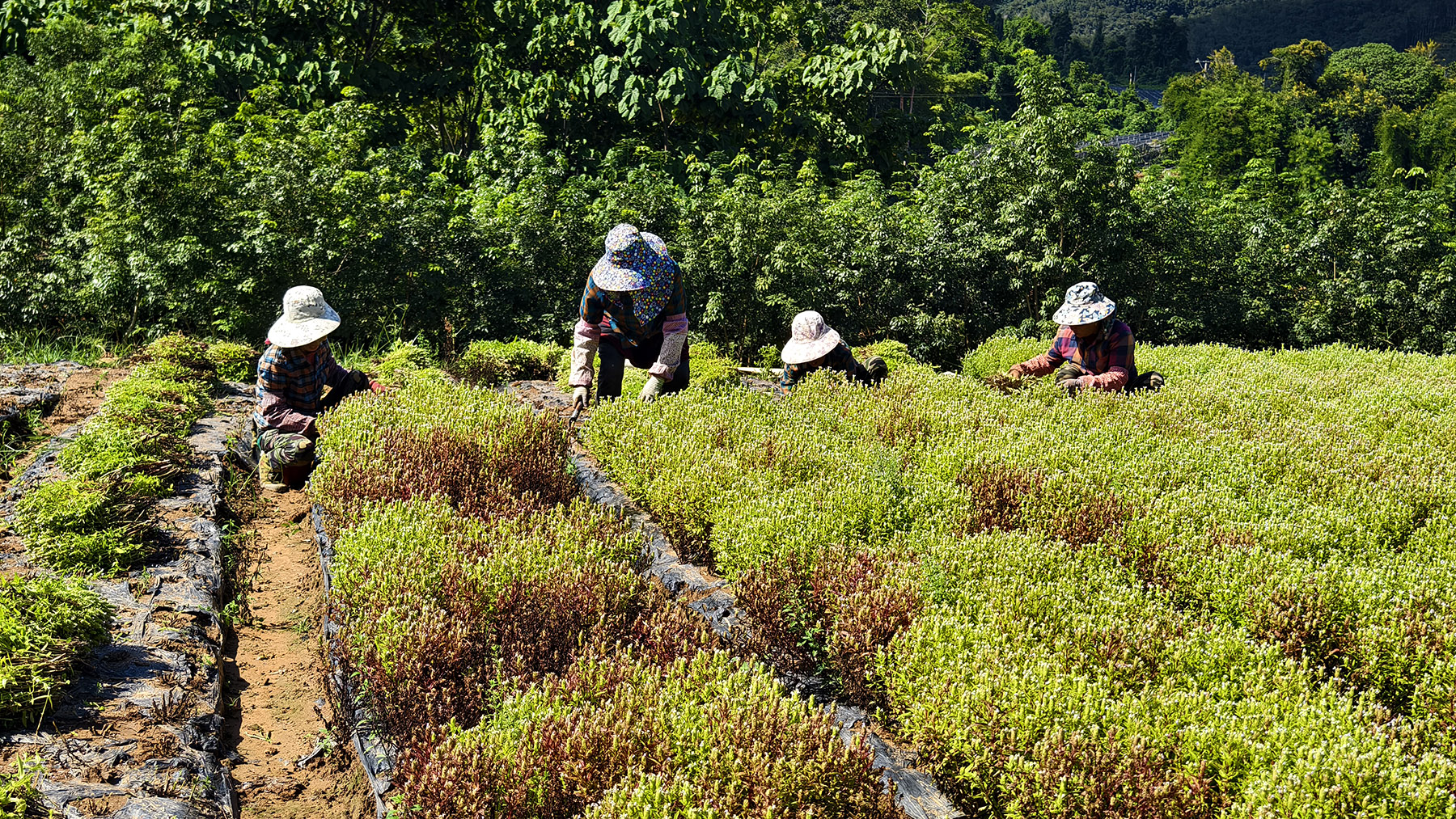
In the rich plant kingdom of Southwest China's Yunnan province, there is an inconspicuous little herb whose seeds are so small that a dozen can be sewed in 1 square millimeter of soil.
It disappeared for a long time, but when it resurfaced it became a prosperous plant for villagers. The minuscule size of its seeds had threatened its very survival until a dedicated team of agricultural researchers came to the rescue.
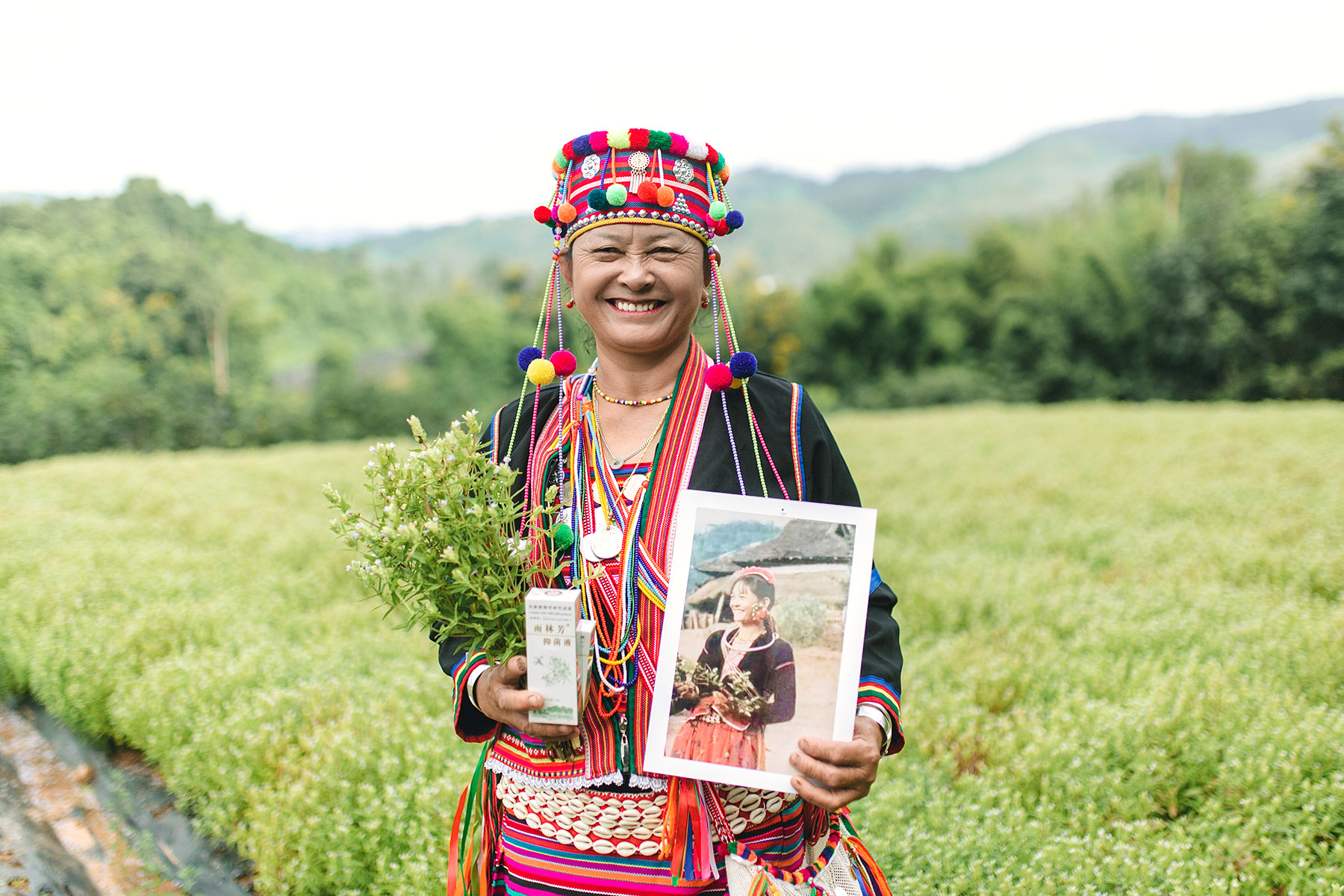
Known as flea grass, or Adenosma bracteosa, the plant has a distinctive fragrance and has long been cherished by the Aini people of the Hani ethnic group for its remarkable ability to repel fleas and mosquitoes.
"The cultivation of flea grass has become the second-largest industry in our village. Fifty-one households participated in the planting of this unique herb, covering an area of over 500 mu (33 hectares) in 2025, and extracted 270 kilograms of flea grass essential oil," said Liu Zhifang, head of the flea grass planting cooperative in Daka village, Mengla county, in the Xishuangbanna Dai autonomous prefecture.
Flea grass essential oil has been developed into a line of products designed to repel mosquitoes and relieve itching, and been warmly received by consumers, she said.
In addition, female villagers have been taught how to weave dried flea grass into embroidered sachets which are included in authentic ethnic accessories and ornaments. Liu describes the financial possibilities provided by the plant as "employment right on their doorstep".
In 2025, over 90 households in Mengla county planted around 80 hectares of flea grass, producing an annual yield of 300 metric tons of the grass and boosting their income by more than 1 million yuan ($140,000), according to the county's agriculture and rural affairs bureau.
Back from the brink
After gradually disappearing in the 1980s, flea grass has undergone a remarkable revival.
In the 1980s, ethnobotanist Pei Shengji was the first to systematically document the characteristics and traditional uses of flea grass among the Hani people in the villages surrounding the Xishuangbanna Tropical Botanical Garden of the Chinese Academy of Sciences.
When Hu Huabin, a senior researcher at the botanical garden and a student of Professor Pei, started working in Xishuangbanna in 1983, he often noticed Hani people coming down from the mountains to the local market wearing leaves or flea grass floral ornaments.
However, as destructive land-use practices such as slash-and-burn agriculture were gradually being phased out, upland rice fields disappeared, along with the flea grass that grew wild alongside them, according to Hu.
The Hani people relocated from the mountains to settle in areas with better infrastructure, which provided them with better living and healthcare conditions. As a result, flea grass was slowly forgotten.
It wasn't until the 2010s, when Hu's team began surveying plants in southern Yunnan for possible commercial use, that flea grass reentered the public spotlight.
Hu said the main challenge in cultivating this wild plant was its tiny seeds being too small to effectively compete with weeds and crops for nutrients. Other hurdles included identifying the optimal planting time, and enhancing the extraction rate of its essential oil.
Hu's team first nurtured and rejuvenated flea grass seedlings then transplanted them in their natural environment. Weeding and irrigation programs were also commenced.
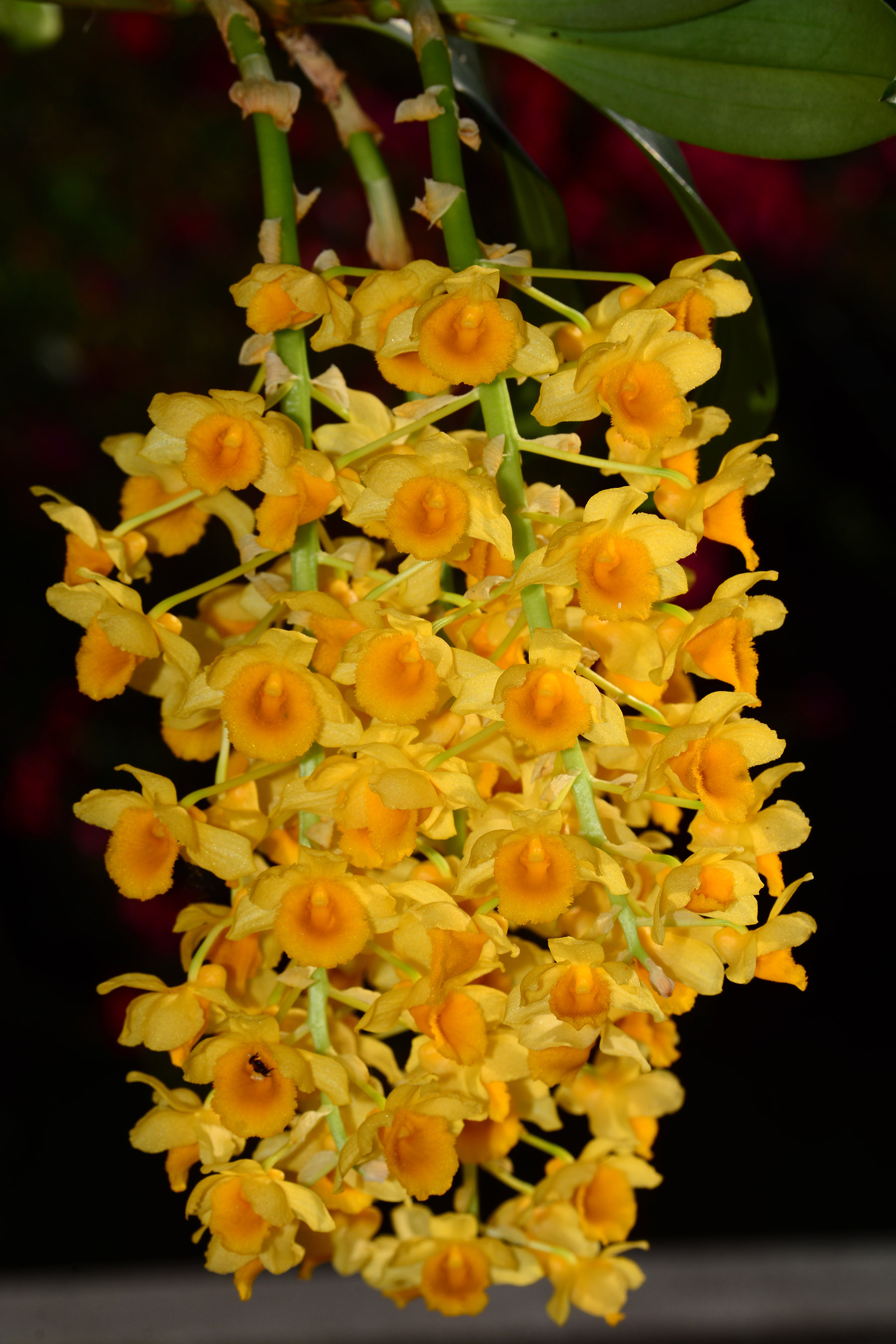
After repeated experiments, the team discovered that the ideal time to plant flea grass is in late May. By carefully controlling the temperature during processing, they were able to achieve an essential oil extraction rate of up to 0.38 percent.
In the past, the grass was mostly found in the wild and appeared only sporadically. But by 2017, Hu's team had made large-scale cultivation possible for the Daka villagers through plant domestication.
"With technical support from the Xishuangbanna Tropical Botanical Garden the yield per mu in 2025 increased by 35 percent, and the essential oil extraction rate has averaged 0.35 percent," said Li Yuhan, an assistant agronomist at the Mengla agriculture and rural affairs bureau.
The local "flea grass industry" has established a closed-loop supply chain, covering the entire process from the collection of fresh grass and the extraction of essential oils to the targeted supply of products to the Yunnan Huangya Dai Pharmaceutical Co for mosquito repellent and anti-itching ointments, said Li.
Sun Xueling, chairman of the pharmaceutical company, said that it has collaborated with villagers to set up several flea grass planting cooperatives and encouraged them to participate in cultivation. Young people are also being urged to return home and join the project.
"We have dedicated substantial funding and research efforts to developing key technologies for the standardized cultivation of flea grass, ensuring that growers can access higher-quality seedlings with reduced risk,"Sun added.
Hu said that for flea grass to be preserved, its full value must be realized. It should be a crop that local farmers are eager to cultivate, companies can develop into appealing products, and consumers are willing to pay for, he said.
"This is a classic example of the development and utilization of tropical plants," said Xing Yaowu, director of the Xishuangbanna Tropical Botanical Garden.
"It began with ethnobotanists uncovering the plant, followed by the extraction of valuable components using modern biology, and ultimately bringing it to the market, which in turn led to better conservation."
Biodiversity efforts
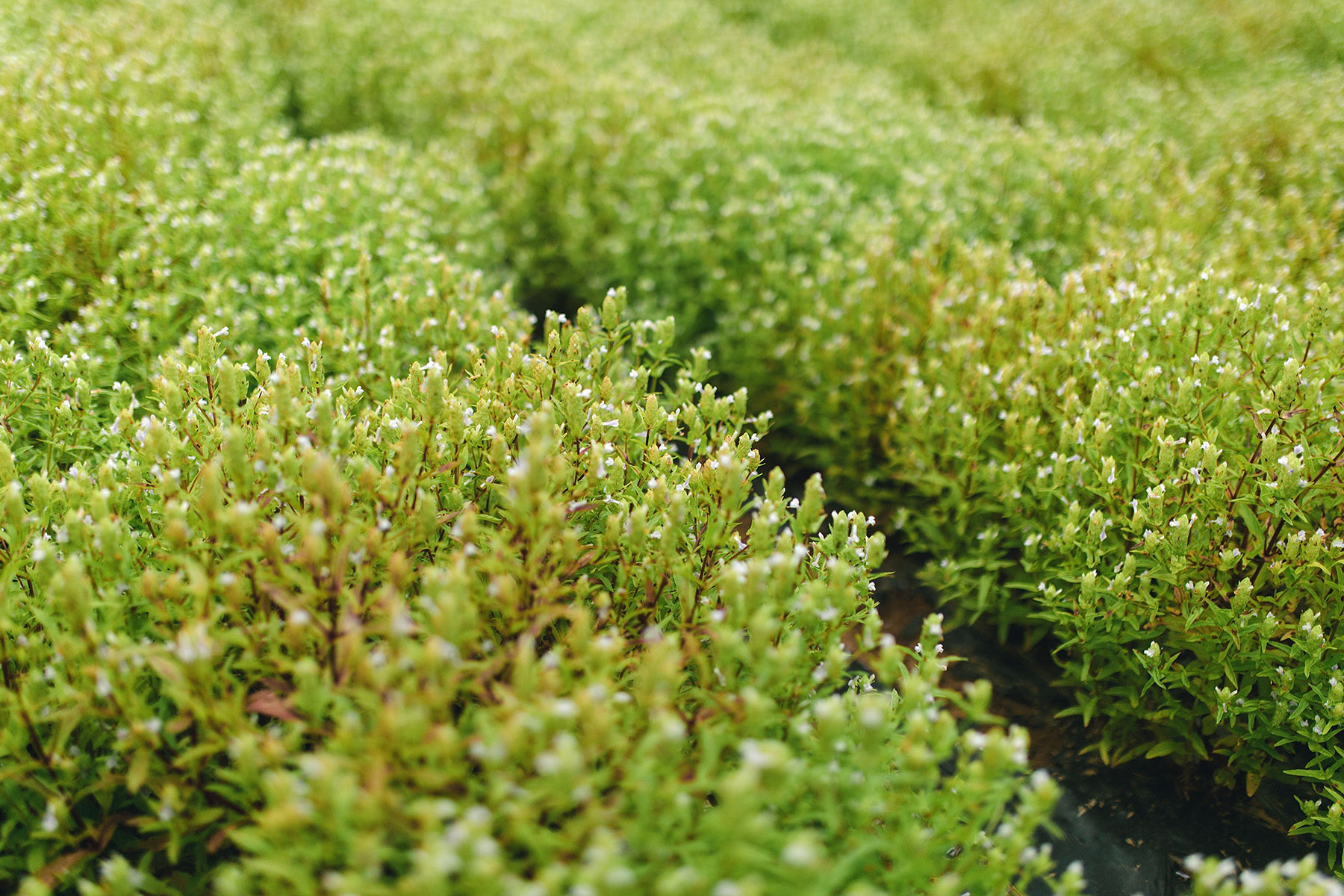
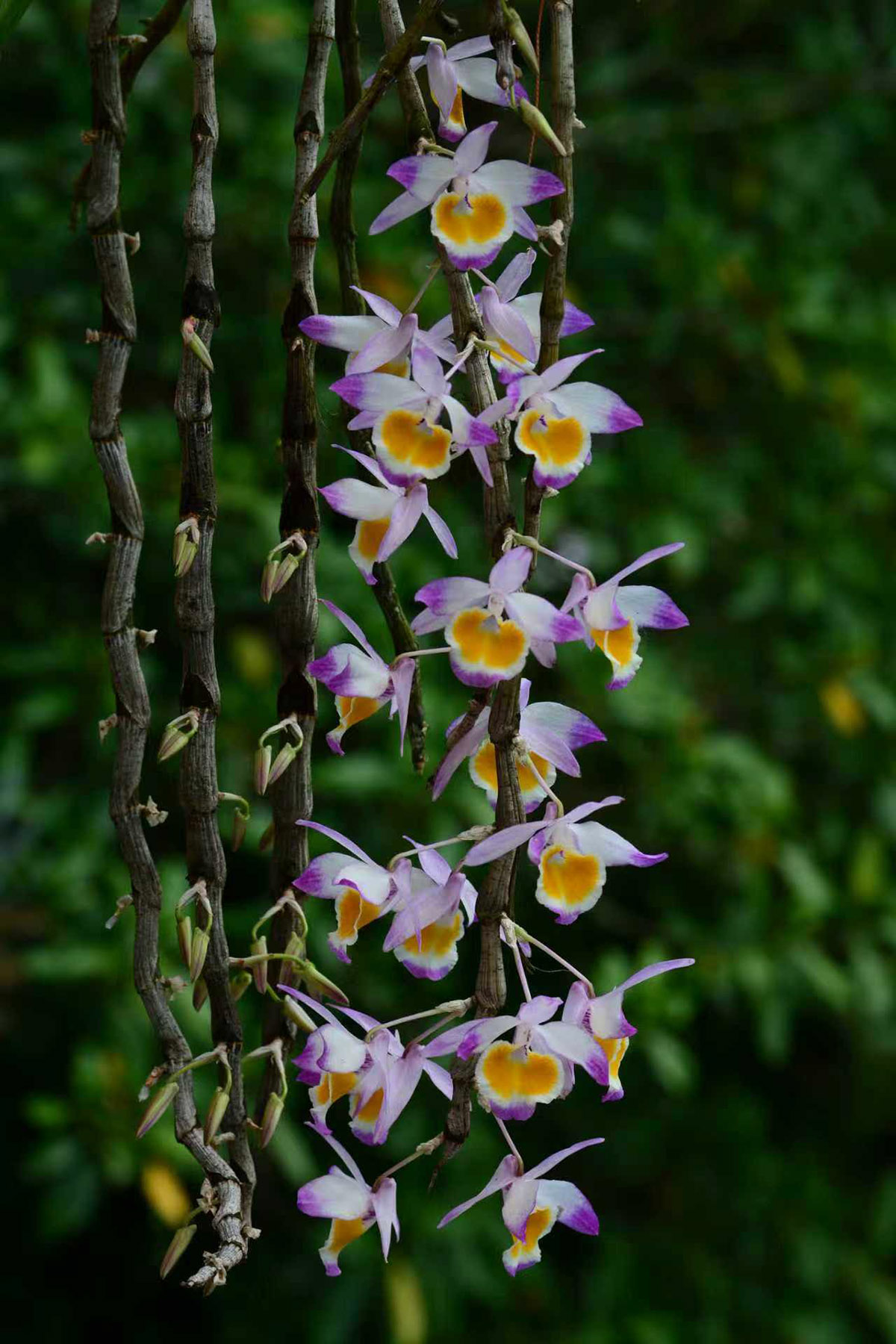
The botanical garden has conserved over 900 species of orchids, all of which are classified as either first — or second-class nationally protected plants, said Xi Huipeng, a senior researcher at the garden's Center for Gardening and Horticulture.
Xi began cultivating orchids in 2014, and through trial and error has learned how to instantly assess an orchid seedling's needs just through observation.
"For example, if the seedling leaves appear slightly wrinkled and there are numerous small shoots, it typically indicates an excess of hormones. We should, therefore, lower the hormone levels to promote fewer but sturdier shoots, thereby improving the seedling's chances of surviving the next stage of transplantation," Xi said.
He said he used to cultivate orchids in the lab, believing that once they were ready to be reintroduced into the wild they would flourish. "However, that approach proved ineffective because it failed to address the issue of illegal excavation," he added.
The center's conservation team is trying to expand public awareness about protecting rare and endangered plants through a combination of soft and hard strategies, he said.
The center has introduced orchids into schools, streets, and communities to create unique landscapes. They serve a dual purpose of being ornamental and a promotional tool, with the aim of raising public awareness about protection of these plants.
As a deterrent, Xi has facilitated collaboration between the botanical garden, the local court, and forest police to establish a judicial warning center to educate the public about the severe penalties for illegal excavation of plants.
The wider availability of orchids has also reduced the financial incentives for would-be orchid thieves.
Xi cited Dendrobium officinale orchid, as an example. The plant is recognized for its medicinal properties, including as an antibiotic and for its cancer-fighting effects, and is utilized in traditional Chinese medicine.
More than a decade ago, it was priced at over 1,300 yuan per kg. But now, with greenhouse cultivation, it costs about 70 yuan per kg. Since everyone can afford it, there's no longer a need to harvest it from the wild, he said. In other words, promotion of successful cultivation of orchids and widespread planting which make them "as affordable as common vegetables", can result in their conservation, Xi said.
"What we can do for Yunnan's biodiversity conservation is to engage in legal, scientific, and rapid propagation, aiming to efficiently downgrade species from first-level to second-level protection and ultimately remove second-level species from the protected list entirely," Xi said.
Sharing experience
Rare plant species such as Parashorea chinensis, a tropical tree, and Clerodendrum brachystemon, a small evergreen shrub, have already been introduced into campuses and streetscapes as part of the "Three Entries" initiative.
The botanical garden launched the initiative for rare and endangered plants, incorporating them in street settings, communities, and cities, to enhance public awareness and promote biodiversity conservation.
"If rare and endangered species can become common plants in everyday life, it will significantly lower the risk of them being illegally harvested or uprooted in the wild," Xing, director of the botanical garden, said. "This approach can be applied nationwide."
The botanical garden features 39 living collections and is home to over 17,000 species of tropical plants, including more than 1,000 rare and endangered species.
"Our goal is to collect at least 80 percent of the rare and endangered tropical species found nationwide," Xing said.
A comprehensive system has been developed to cover the entire process — from species introduction and conservation to scientific research, rapid propagation, and reintroduction into the wild — effectively achieving off-site conservation.
Additionally, the garden has collaborated with major protected areas to develop an integrated system that combines both on-site and off-site conservation.
Xing said the botanical garden is actively working toward establishing itself as a national-level botanical garden, with the goal of focusing on conservation efforts within China's tropical regions, broadly covering Southeast Asia, and extending its reach to tropical areas around the globe.
In recent years, the botanical garden has maintained close collaboration with research institutions in Southeast Asian countries.
In 2015, CAS' Southeast Asia Biodiversity Research Institute was established at the botanical garden. So far, it has conducted multiple joint scientific expeditions with Southeast Asian scientific institutions, during which many new plant species have been discovered, and species introduced into new regions.
ALSO READ: Yunnan's biodiversity nurtures miracles of nature
In addition, numerous jointly funded research projects have been conducted, including studies in evolutionary and conservation biology.
"With the efforts of the Southeast Asia Biodiversity Research Institute, progress is being made in compiling the flora of Laos and the flora of Myanmar," said Xing.
To protect some special species, the botanical garden has also taken the lead in forming several conservation alliances, such as the Global Conservation Consortium for Dipterocarps, aiming to bring together the world's dipterocarp (tall hardwood tropical trees mainly from Southeast Asia) experts, conservationists, and the botanic garden community to ensure that no wild dipterocarp species becomes extinct.
In addition to promoting biodiversity conservation, the botanical garden is also engaged in livelihood projects across Southeast Asian countries, primarily focusing on the promotion of resource plants like upland rice.
"These projects aim to boost the local economic development while collaborating on research to strengthen conservation efforts," said Xing.
