

Shanghai celebrates its international dining scene with yearlong festival, focus on diverse culinary culture
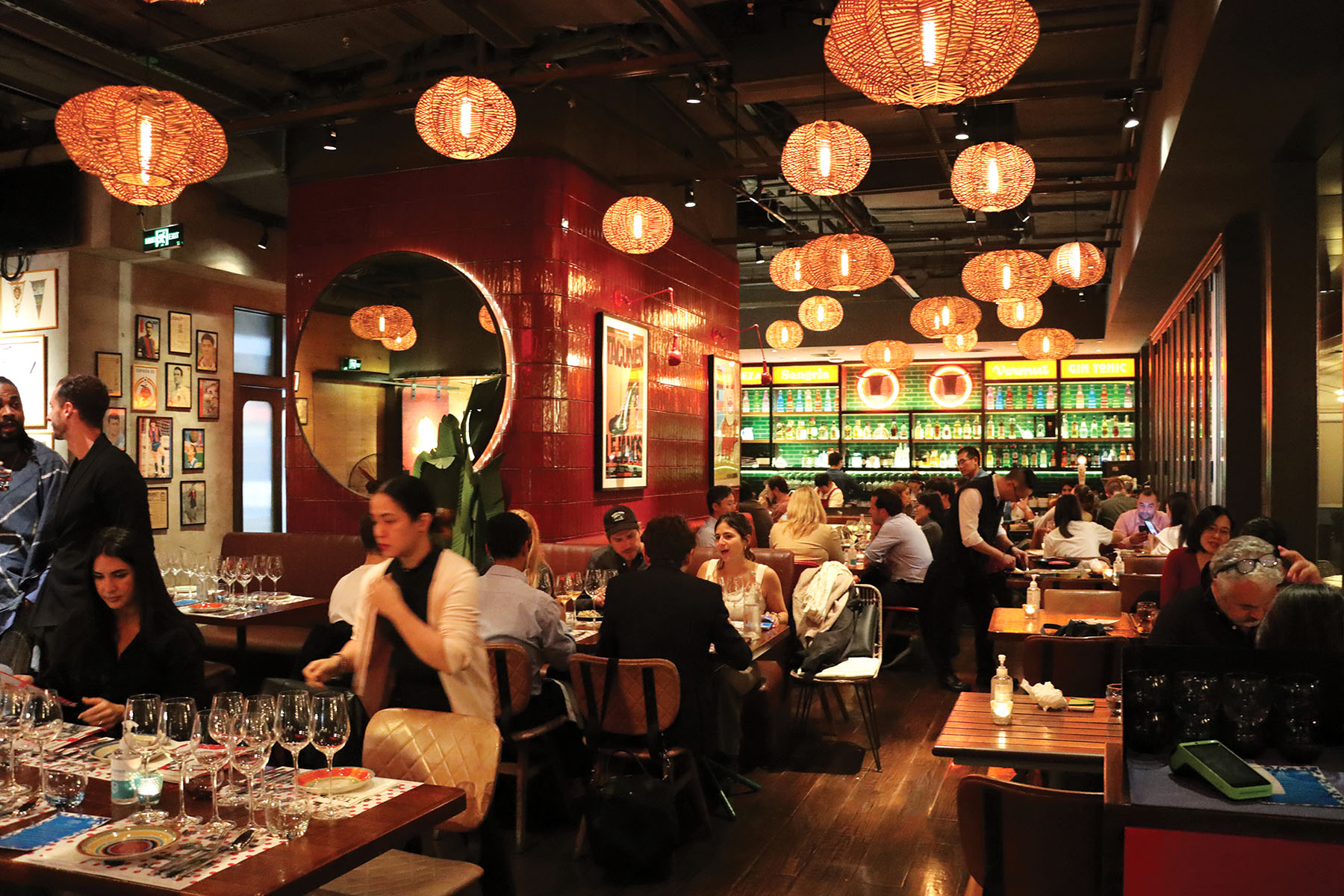
In a city where East meets West on dining plates, Shanghai has launched a yearlong celebration of international cuisine, Global Taste in Shanghai, positioning itself as one of the world’s premier culinary destinations.
The festival kicked off this month, representing a move to showcase Shanghai’s rich and diverse international dining scene and fusion of flavors and cultural intersections. The metropolis currently boasts nearly 10,000 restaurants representing 43 countries and regions across five continents.
“Global cuisine is not just a carrier of city culture but is also a universal language for international exchange that transcends borders and speaks directly to hearts,” said Shen Weihua, Party secretary of the Shanghai Municipal Commission of Commerce.
“The concentration of global cuisines is a unique charm of Shanghai, and systematically enhances its influence, and is of strategic significance,” he added.
The story of Shanghai’s international dining scene is perhaps best told through its restaurateurs, who have witnessed and shaped the city’s gastronomic evolution.
John Liu, the Chinese-American founder of the restaurant Scarpetta Trattoria, has lived this transformation. Arriving in Shanghai in 2003 as a financier, Liu found a fertile ground to pursue his culinary dreams, choosing Italian cuisine for its parallels to Chinese cooking.
“When we first opened nearly 14 years ago, high-level international restaurants were not as common, and expatriates dominated our customer base,” Liu recalled. “Today, 80 to 90 percent of our clientele is Chinese,
reflecting a remarkable shift in local palates and preferences.”
This evolution has sparked innovation in Shanghai’s kitchens. At Scarpetta Trattoria, Liu has developed signature dishes like Napoli pizza that have evolved to cater to local tastes.
“We’re seeing a fascinating convergence,” Liu noted. “Western restaurants are now learning from Chinese establishments, particularly their expertise in sourcing exceptional ingredients from across regions.”
The Spanish cuisine scene has experienced similar growth. Alberto Fernandez, cofounder of Spanish restaurant Tomatito, observed: “When we opened our first Spanish restaurant in 2008, El Willy, Spanish cuisine was often mainly associated with paella and tapas. Today, Shanghai diners show a much deeper curiosity; they are interested in regional differences like Basque or Catalan kitchens, but also in special dishes from other regions of Spain.”
His spouse and restaurant cofounder, Yan Xiaoyan, added that their success led them to establish a food import company to bring authentic Spanish ingredients to Shanghai.
“We are pleased to see traditional Spanish cuisine so welcomed in Shanghai. We regularly invite Spanish chefs for cultural exchanges, bringing the most authentic Spanish culinary experiences to Shanghai diners,” she said.
Fernandez emphasizes their commitment to conveying authentic Spanish dining culture. “We replicate the same atmosphere you may find in a casual eatery in Spain, creating a sense of sharing and warmth at the table.
“There’s also a growing appreciation for the Mediterranean lifestyle behind the cuisine — the concept of balance, freshness, and pleasure, which aligns very well with the values of many local guests. Wine plays an important role here, too,” he added.
The year-round Global Taste in Shanghai festival is structured around four seasonal themes, beginning with European flavors in the first quarter. The opening season features Italian food and wine carnivals, Greek food markets, and Spanish ham-tasting master classes. Subsequent quarters will celebrate flavors inspired by the Americas, Asian cuisines, and innovative fusion concepts.
To navigate this culinary landscape, a comprehensive dining guide featuring 338 highly-rated European restaurants was launched. More than 200 participating restaurants are offering special discounts via online review platforms such as Dianping.
Severino Bassani, founder of Senso restaurant, sees the festival as more than just a dining event. “Shanghai offers great opportunities because of its culinary variety,” he said.
“It’s wonderful to bring our culinary culture to China as a bridge between countries,” he added. “I am glad to be part of this event, and to see how the culinary sector in Shanghai is moving and improving.”
The festival has also mapped 10 distinct routes through the city, each offering a unique perspective on Shanghai’s culinary heritage. Routes range from luxury dining experiences along the iconic Bund and Lujiazui areas to artistic dining journeys through historic streets shaded by plane trees. Younger diners are typically drawn to emerging food districts such as Daxue Road in Yangpu district or Tonglefang Lane in Jing’an district.
During the Chinese New Year holiday, the festival will feature special events divided into two phases. From Feb 14 to 23, restaurants will offer reunion dinner sets and holiday menus. The second phase, from Feb 24 to March 3, will focus on creating experiences for returning Shanghai residents and their visiting friends and families.
“We’ve launched two special set menus with a 30 percent discount, including our signature dishes and some new elements to echo the Chinese New Year atmosphere,” said Gu Qiqi, manager of Il Teatro Italian restaurant.
Gu noticed an increase in international visitors, particularly since September, attributing it in part to China’s expanded visa-free policies.
Recent data support this observation. Statistics from the Shanghai General Station of Immigration Inspection show that Shanghai ports processed over 5.6 million foreign passengers last year, an increase of nearly 40 percent year-on-year, with 3.29 million utilizing visa-free and 240-hour transit policies.
The event extends beyond dining to create a comprehensive cultural experience, as its activities are integrated into city tours and establish “Food+” consumption clusters within three kilometers of festival venues.
“We’re making food tourism a new path to activate consumption potential and refresh urban tourist experiences,” said Jin Lei, deputy director of the Shanghai Municipal Culture and Tourism Bureau.
The initiative has seen development of 186 tourism routes incorporating Western restaurants, and will integrate hotels, museums, performance venues, and digital cultural experience centers to offer seasonal menus and joint promotions.
For industry veterans like Liu of Scarpetta Trattoria, the festival represents Shanghai’s culinary coming-of-age. “Shanghai’s international restaurant scene already leads China,” he said. “I hope this festival will inspire more restaurants and chefs to elevate international dining to truly world-class standards.”
Fernandez from Tomatito also shares this sentiment. “Shanghai remains a fertile ground of opportunity for international cuisines,” he said, adding: “Today’s consumers expect genuinely memorable dining experiences. Success will depend on thoughtfully adapting to local diners’ evolving tastes while maintaining consistency in quality and depth in culinary offerings.”
Wu Wanzhen contributed to this story.
Contact the writers at zhengzheng@chinadaily.com.cn
