

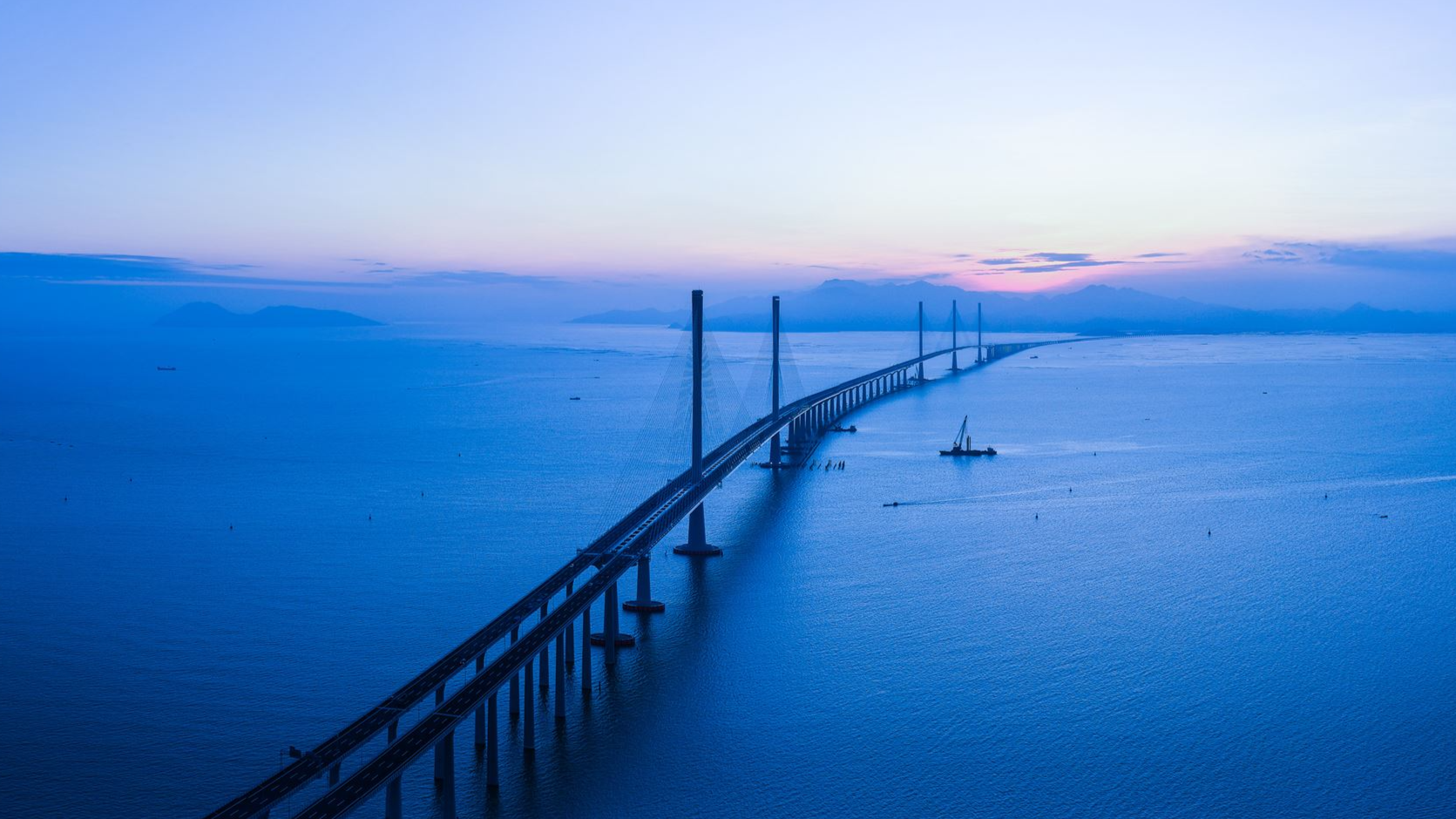
The Guangdong-Hong Kong-Macao Greater Bay Area is set to gain increased momentum for high-quality development, leading China to achieve a strong start during the 15th Five-Year Plan (2026-30) period, according to the Guangdong provincial government’s 2026 work report.
Delivering the report at the annual session of the Guangdong Provincial People’s Congress on Monday, Guangdong Governor Meng Fanli pledged to continue deepening cooperation among Guangdong, Hong Kong, and Macao, collectively building a vibrant and internationally competitive city cluster.
During the 14th Five-Year Plan (2021-25) period, the Greater Bay Area enhanced the interconnectivity of markets, livelihoods, industries, and infrastructure, with four major cooperation platforms achieving accelerated development, Meng said.
Major cities have essentially achieved a “one-hour living circle” within the region. A total of 430,000 residents from Hong Kong and Macao have medical insurance in Guangdong, and the number of Hong Kong and Macao students studying in Guangdong has reached 116,000.
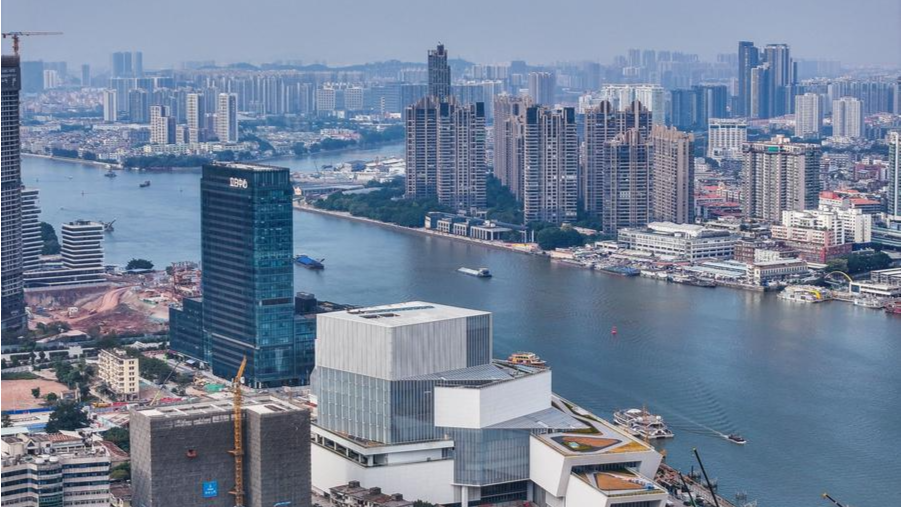
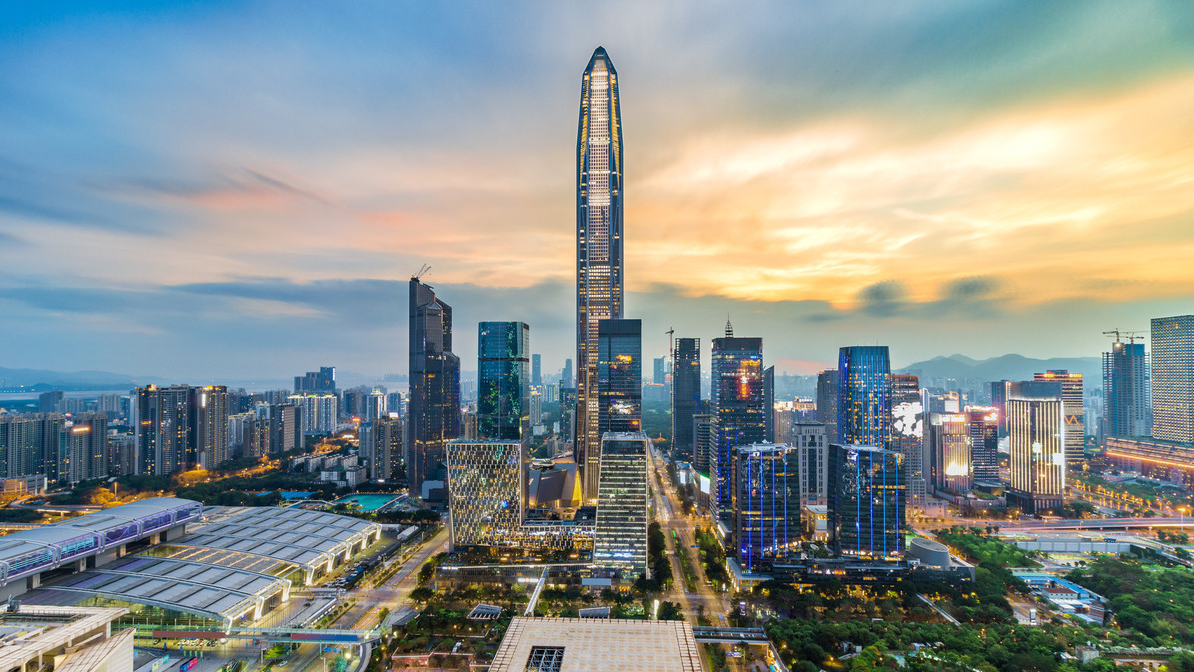
In the next five years, Guangdong province aims to inject new momentum into the cluster’s high-quality development. It has vowed to support its capital city, Guangzhou, in accelerating the restructuring of its industrial advantages, empowering the special economic zone of Shenzhen to deepen reforms, and assisting other mainland cities in the Greater Bay Area in enhancing their development capacities.
ALSO READ: Experts: GBA services trade integration to fuel global competitiveness
The economic powerhouse also proposed strengthening regional cooperation platforms’ support for emerging industries, while promoting integrated development between the Greater Bay Area and other cities in the province.
Mao Yanhua, dean of Sun Yat-sen University’s Institute of Regional Openness and Cooperation, said he is encouraging Guangdong province to leverage technological innovation as a core driver to enhance its advantages in the real economy, application scenarios, and consumer market.
Advocating for further integrating innovation resources, Mao said he hopes that the cluster can concentrate on technological advancement in cutting-edge fields, such as quantum technology, biomanufacturing and hydrogen energy, to seize the edge in future industries.
To foster a healthier environment for technological and industrial development, Mao called for increased investment in market integration. He said he hopes to advance the goal through legislative measures that solidify cooperation outcomes, rather than relying solely on government regulations in different cities.
Regarding collaboration with other cities in Guangdong, Mao suggests that the Greater Bay Area leverage Zhanjiang to establish a more stable and robust regional industrial chain in conjunction with the Hainan Free Trade Port.
Guo Wanda, executive vice-president of think tank China Development Institute, said that the work report highlighted the Greater Bay Area’s significance for Guangdong province, and aligns with the nation’s latest positioning for the region — a driving force for China’s economic development.
He said the key to creating more powerful growth momentum lies in channeling sufficient support for technological innovation, the nurturing of emerging industries, the cultivation of industry clusters, and the flow of production factors.
Emphasizing the role that infrastructure can play in driving industries, he added that the first year of the 15th Five-Year Plan requires careful planning for the advancement of major infrastructure projects within the region.
Contact the writer at bingcun@chinadailyhk.com
