

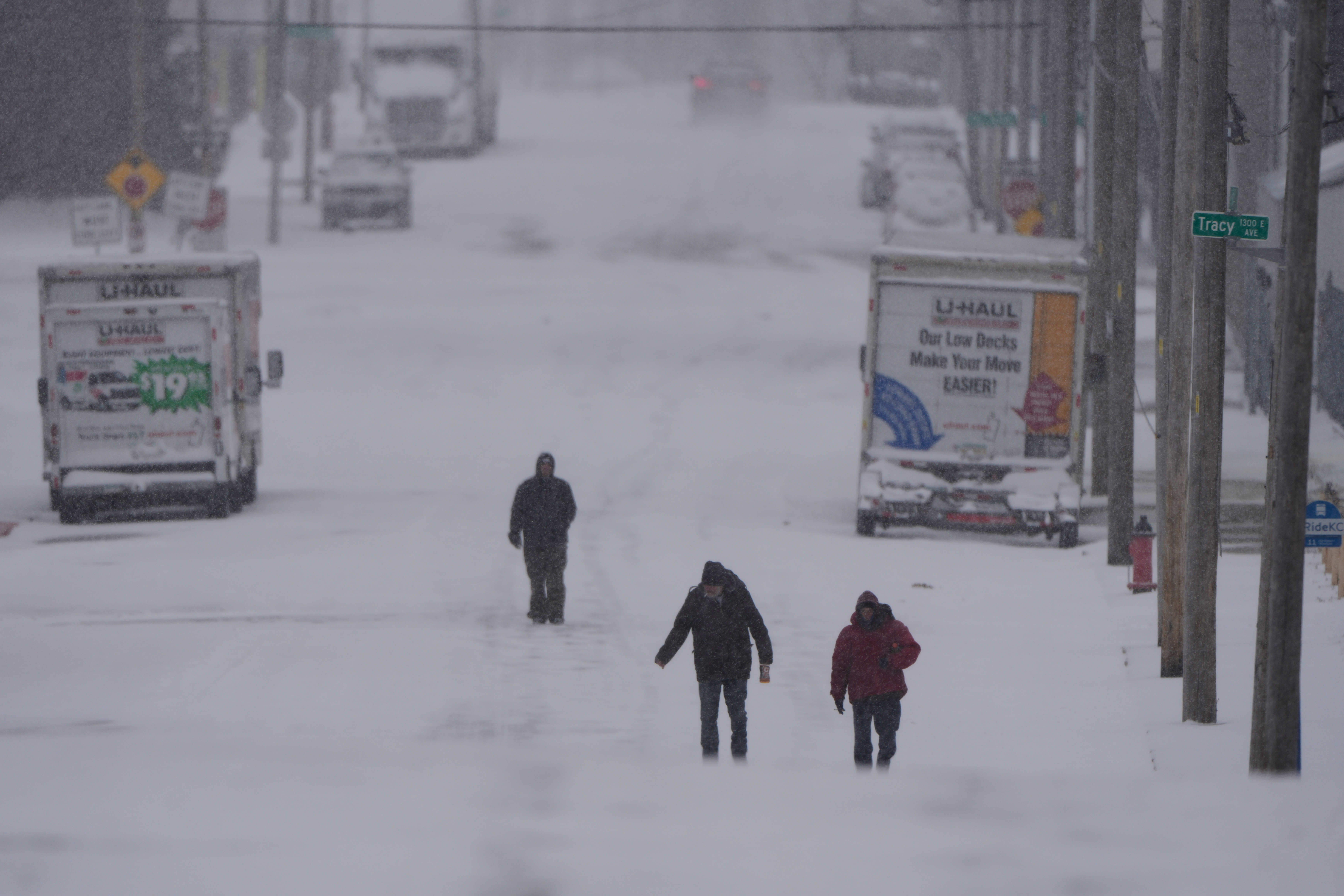
A sprawling winter storm has grounded thousands of flights around the US, triggered grid crises and knocked out power to thousands, while threatening to drop a foot of snow on New York City and the Northeast corridor Sunday.
As of late Saturday, more than 15,200 flights across the US were grounded through Monday, levels not seen since the government shutdown last year, airline tracking company FlightAware said. About 167,000 homes and businesses from Colorado to the Atlantic were without power at 11:30 pm New York time, with about 119,000 of them in Texas and Louisiana, PowerOutage.us said.
The Midcontinent Independent System Operator — which manages a grid that stretches from the Great Lakes to the Gulf Coast — lowered its energy-emergency alert level to 1 late Saturday. It was at alert 2, or EEA2, earlier in the day; EEA2 means MISO is facing an energy shortage and needs to reduce demand.
ALSO READ: Winter storm hits US Northeast region, snarls thousands of flights
Another US grid — the Electric Reliability Council of Texas — was authorized in an emergency order Saturday night by the US Energy Department to tap backup generation resources at data centers to help meet power needs and reduce the risk of blackouts.
The massive storm is covering parts of 32 states and just about half the US population, said Brian Hurley, a senior branch forecaster at the US Weather Prediction Center. “It’s been five years since the last time a storm covered such a wide area,” he said.
Snow will arrive in New York City around 7 am with as much as 12 inches falling and then ending with a crust of sleet overnight, said Josh Weiss, a forecaster at Weather Prediction Center.
“This is a very dangerous combination of heavy snow and extreme, extreme cold temperatures,” New York Governor Kathy Hochul said. “I have authorized all state employees to work remotely on Monday, I encourage other employers to do the same just to keep people off the roads.”
In all, the storm may cost as much as $24 billion in damages and economic losses, said Chuck Watson of Enki Research.
More disruptions
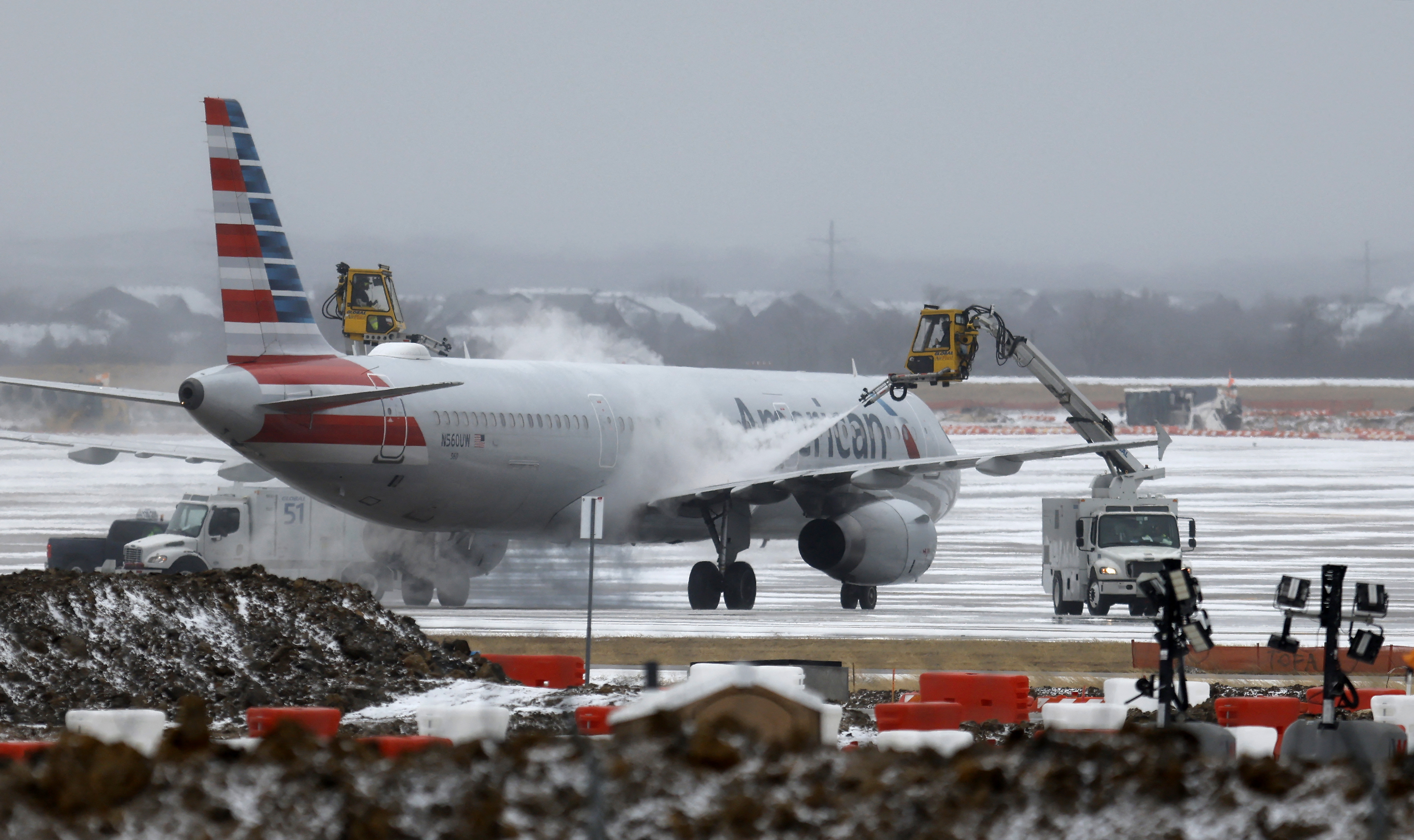
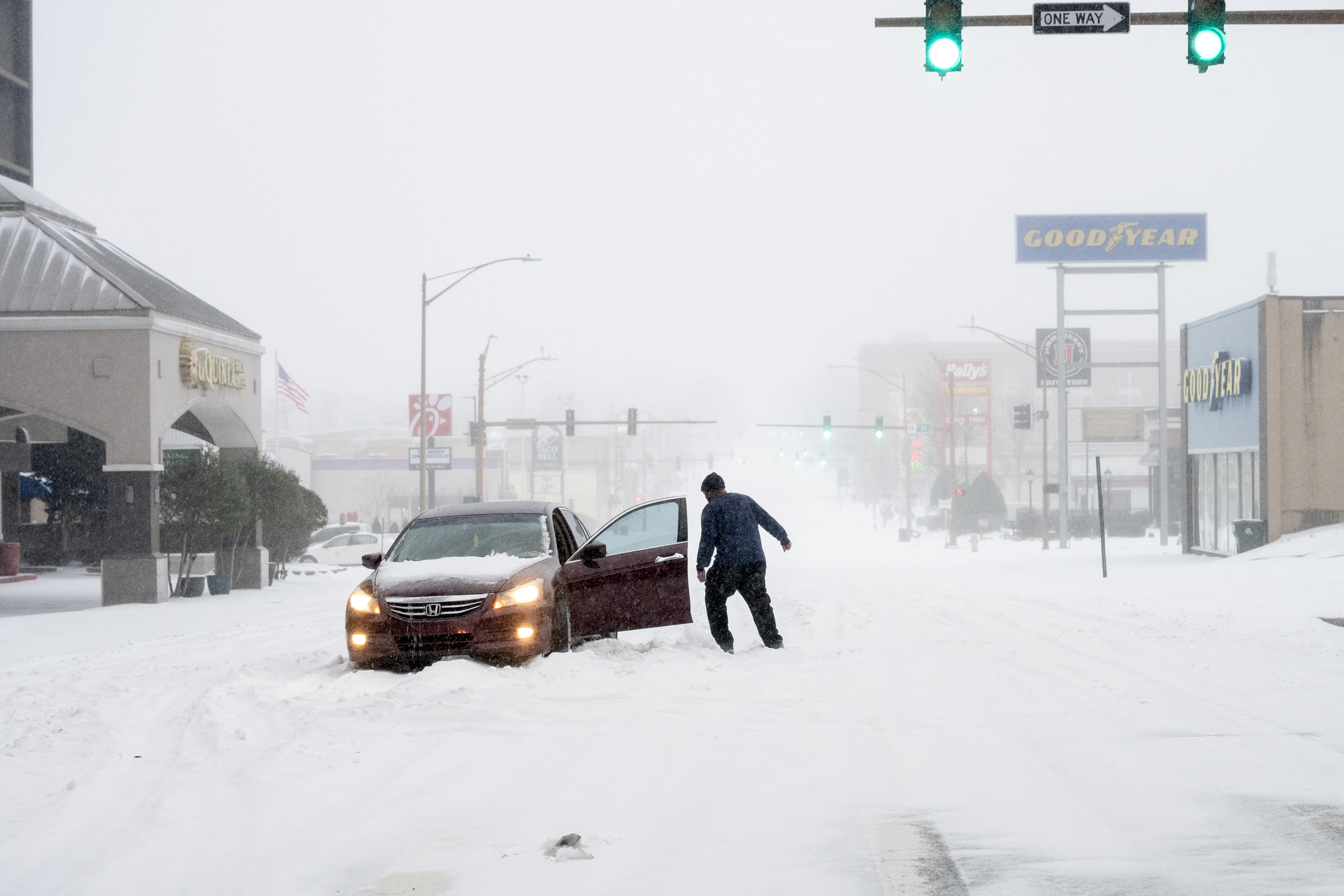
The combination of heavy snow and significant sleet accumulation will cause widespread travel disruptions that could last several days, the Weather Prediction Center said in its latest storm bulletin.
New York’s Metropolitan Transportation Authority urged customers to avoid unnecessary travel Sunday and Monday, warning of disruptions to subways, bus lines and commuter rail services.
The forecast called for more snow than earlier expected across New England, with Boston potentially getting up to 21 inches along with thunder and lightning, Weiss said.
ALSO READ: Once-in-a-generation winter storm hits southern US
As much as 0.5 inch (1.27 centimeters) of ice may fall across the US South through northern Virginia, threatening roads, power lines and trees. The storm will also drop heavy snow from Oklahoma and across the Ohio Valley, before doing the same in New York and New England on Sunday.
New Jersey Transit will temporarily suspend bus, light rail and Access Link service for the entire service day Sunday. Trains will operate until 2 pm that day. Federal offices in the Washington DC area, meanwhile, will be closed on Monday.
Frigid cold will remain after the storm exits with Washington reaching a low of 5F (-15C) Monday night and New York’s low set to hit 8F Tuesday. Washington will have its first seven-day stretch with temperature below freezing since 1989, Hurley said.
Energy and grids
Exxon Mobil Corp is shutting down some equipment at its Baytown, Texas, oil refinery because of freezing weather, the company said in a public notice. The plant, among the largest US fuel-making facilities, is 30 miles east of downtown Houston. Celanese Corp. also wound down operations at its Houston-area plant as the weather worsened, according to a notice.
The Houston Ship Channel closed to all vessel traffic at 6 pm local time as weather conditions deteriorated, according to a notice from Moran Shipping. The waterway that enables access to Houston-area refineries, export terminals and chemical plants for ocean-going ships will reopen when the storm clears.
In the Western hub of PJM Interconnection, a big US grid from Chicago to Washington, power was trading at more than $618 a megawatt-hour at 5:15 pm, after spiking to more than $3,000 earlier. The highest price within the grid was $783 in the Washington area.
READ MORE: Winter storm hits central US, barrels toward Washington
Saturday evening, PJM asked the Energy Department for an order allowing all generators in its 13-state footprint to operate at maximum capability beyond emissions limits as soon as possible. It said it already provided up to 3 gigawatts during MISO’s level to emergency Saturday.
While PJM said it “is optimistic about the performance of its generation,” outages were trending up to 30 gigawatts.
