

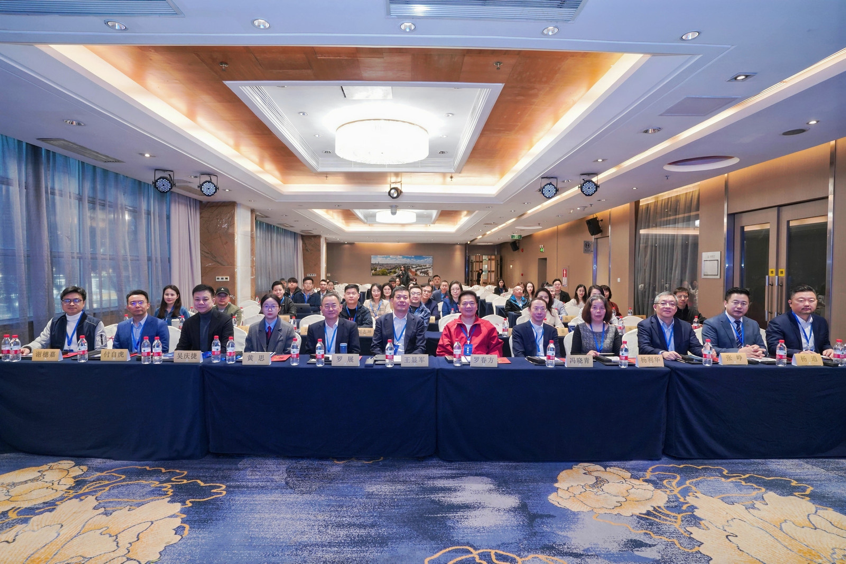
SHENZHEN – Guidance for the performing arts sector was unveiled on Saturday as industry leaders, legal experts, and government officials gathered to discuss the future of entertainment rule of law in the Guangdong-Hong Kong-Macao Greater Bay Area (GBA).
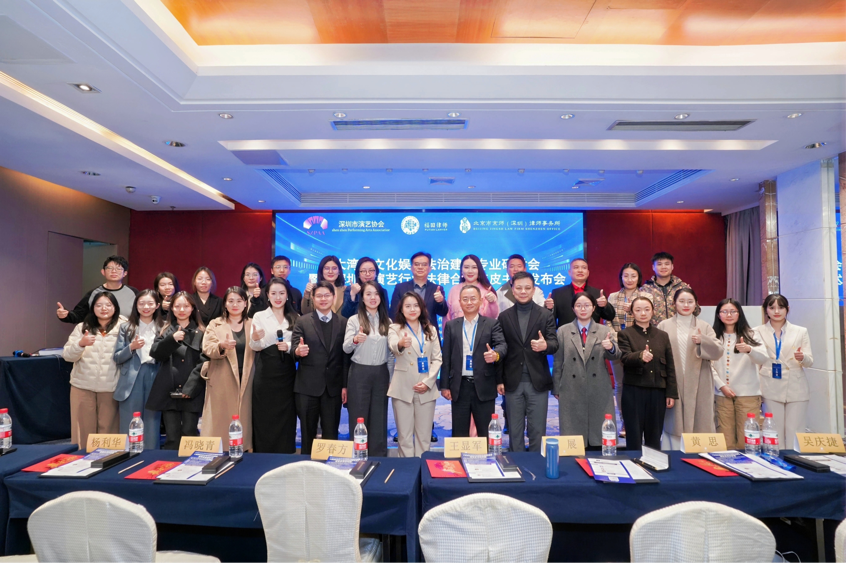
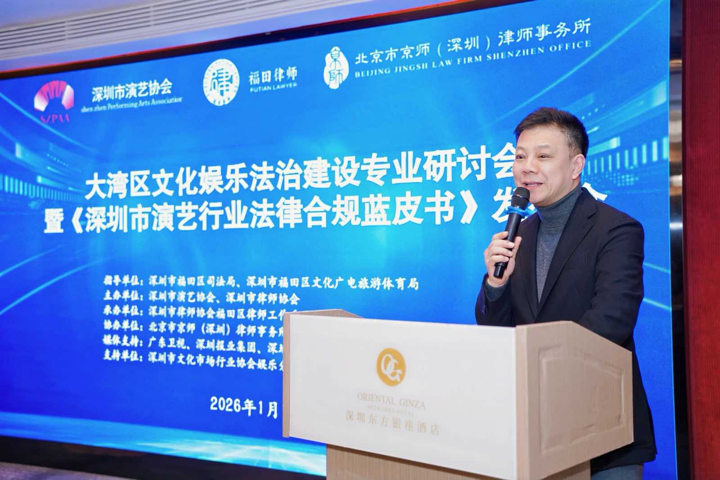
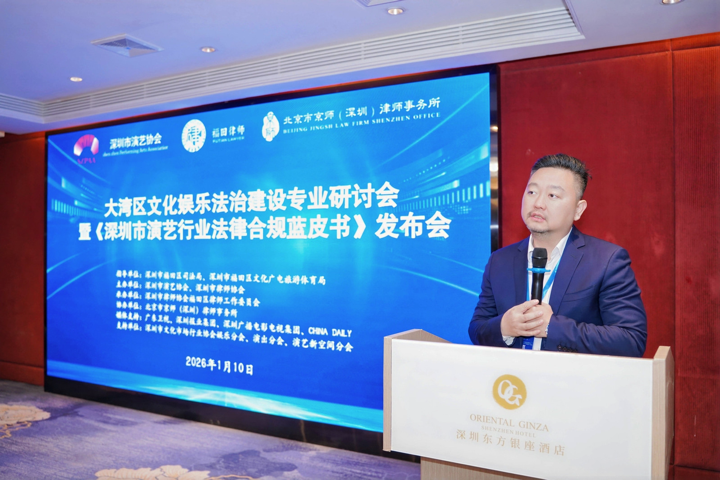
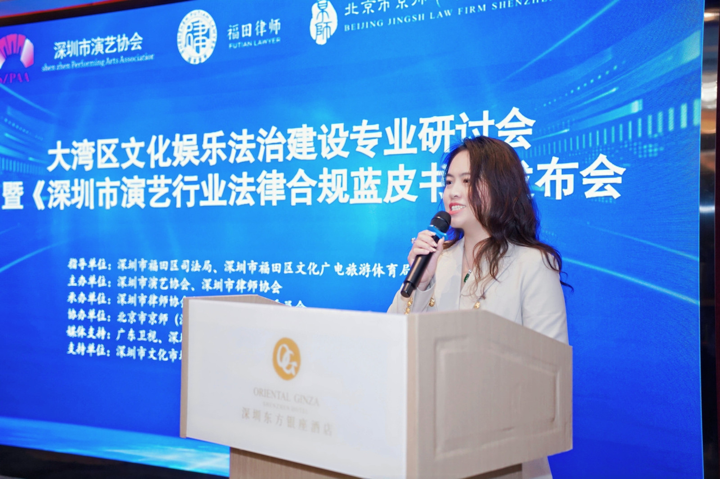
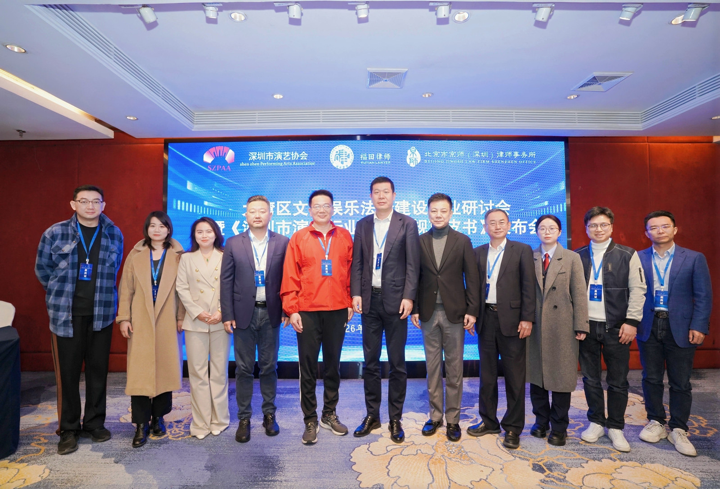
The "Greater Bay Area Cultural and Entertainment Rule of Law Construction Professional Seminar and the Launch of the Shenzhen Performing Arts Industry Legal Compliance Blue Book" was held in Futian District, Shenzhen, Guangdong.
The event, guided by the Shenzhen Futian District Bureau of Justice and the Futian District Bureau of Culture, Radio, Television, Tourism, and Sports, marks a significant step towards standardizing the region's rapidly growing cultural industry.
In keynote addresses, officials underscored the urgency of strengthening legal frameworks amid the sector's robust growth and the transformative impact of new technologies.
Blue book offers roadmap for compliance
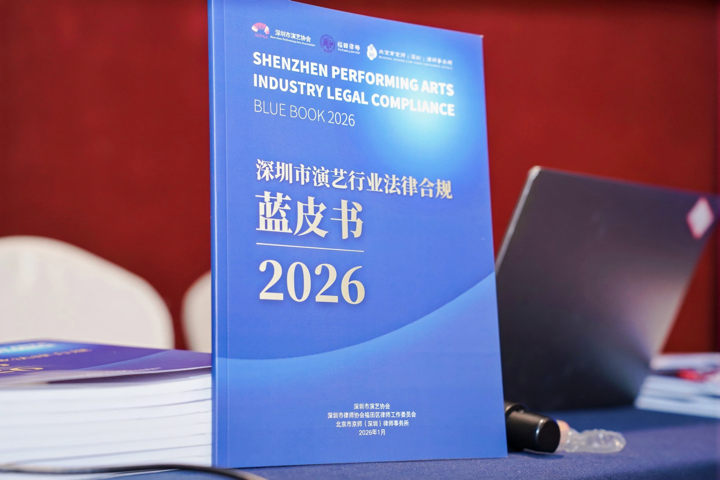
The centerpiece was the launch of the Shenzhen Performing Arts Industry Legal Compliance Blue Book.
Its editor-in-chief, Han Fei of Beijing Jingsh (Shenzhen) Law Firm, outlined its findings. Based on a review of judicial cases, the Blue Book identifies intellectual property (IP) disputes as the core legal challenge, calling IP the lifeline of competitiveness. It also details criminal risks like illegal business operations, tax evasion, and money laundering, positioning compliance as essential for sustainable careers.
The guide provides practical solutions for contract signing, online infringement response, public opinion management, and fan community governance. It also interprets support policies for Shenzhen's goal to become a "Bay Area Capital of Performing Arts," focusing on emerging formats like "New Performing Arts Spaces" and micro-short dramas.
Expert panel addresses critical pain points
Also at the event, a panel of scholars and practitioners delivered targeted speeches on pressing issues.
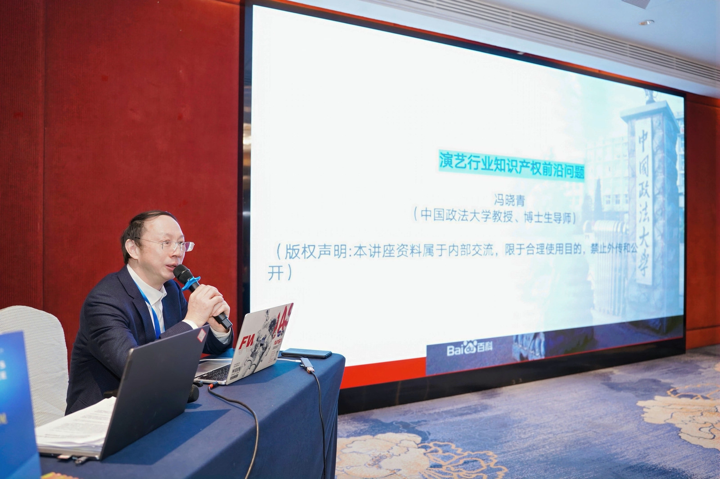
Professor Feng Xiaoqing, of the China University of Political Science and Law in Beijing, analyzed issues like the copyright status of AI-generated content. He stated the key is whether it reflects original human intellectual input and argued that using data for AI training requires balancing industrial development with rights protection.
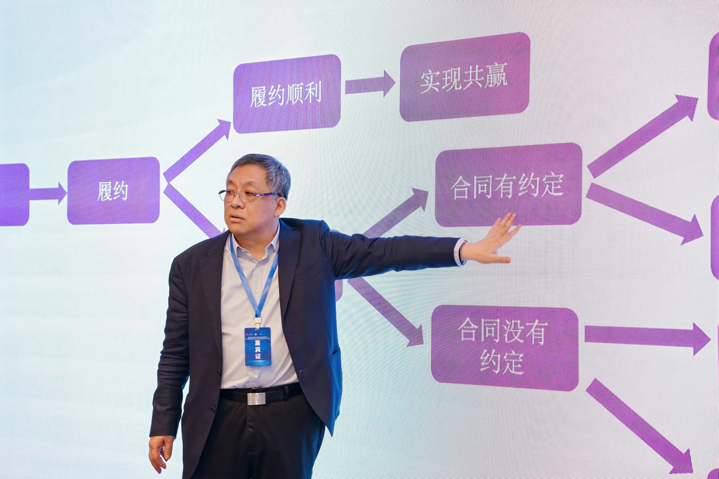
Zhang Zheng of the Shenzhen Court of International Arbitration and Vice President of the Beijing Cultural and Entertainment Law Society highlighted arbitration's advantages in resolving entertainment disputes over film investment or artist contracts. He noted its flexibility allows rulings that respect industry norms and commercial reality.
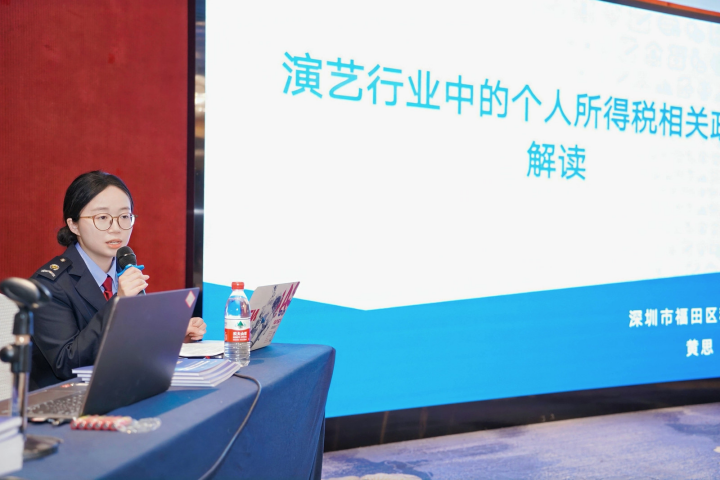
Huang Si, a First-Class Administrative Law Enforcement Officer at the State Taxation Administration’s Shenzhen Futian District Tax Service, detailed individual income tax rules for various types of performer income and clarified the withholding obligations of platforms and agencies, warning against violations through case studies.
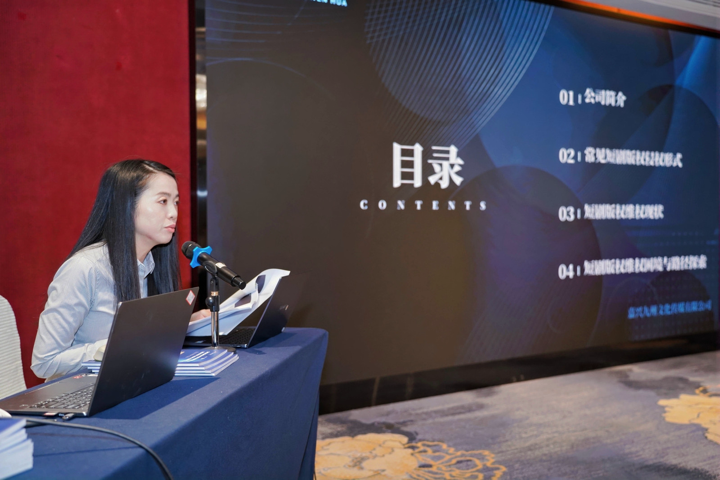
Li Na, Director of Legal Affairs at Jiaxing Jiuzhou Cultural Media Co Ltd, shared the complicated rights protection challenges for short dramas, citing "difficulty in discovery, difficulty in evidence collection, slow enforcement, and low compensation”. She proposed industry self-regulation and called for higher judicial compensation to deter piracy.
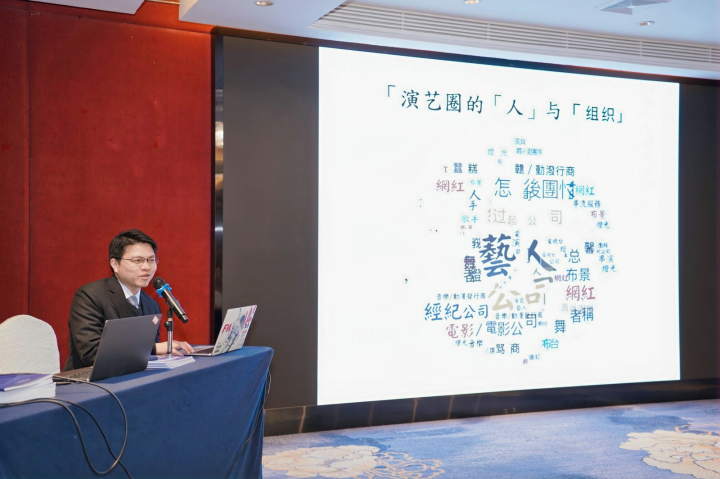
Xie Qingmian, a partner at Liang Haoran Law Firm and a lawyer admitted to practice in GBA, introduced Hong Kong's common law-based performing arts framework, covering contract distinctions and copyright amendments. He suggested Hong Kong's experience in dispute resolution and the Chinese mainland's explorations in compliance could mutually inform each other, optimizing GBA’s legal environment.
The seminar was co-organized by Beijing Jingsh (Shenzhen) Law Firm and supported by several industry sub-associations.
