

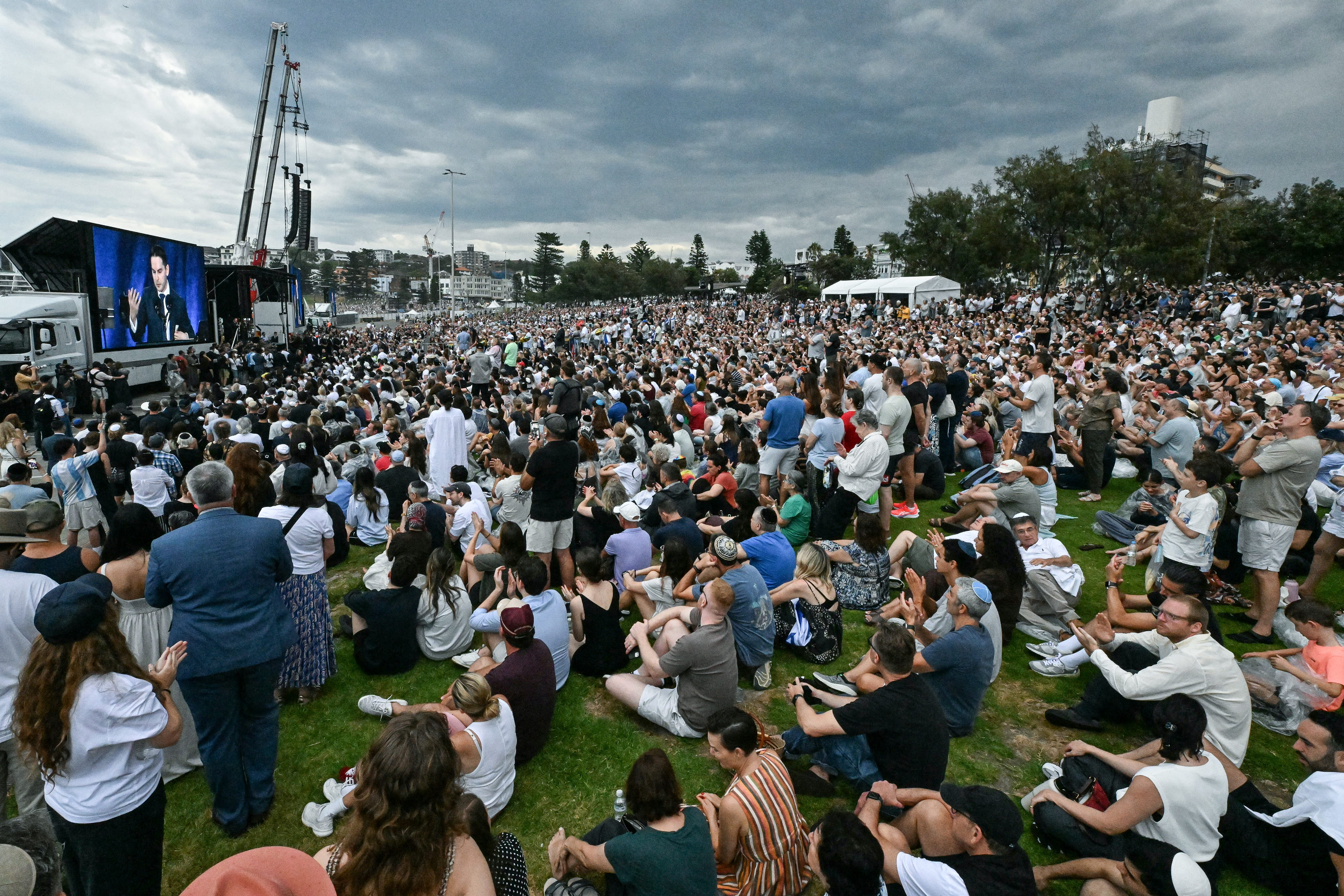
SYDNEY - Australia's most populous state is set to pass tougher gun laws, ban the display of terrorist symbols and curb protests after the state parliament's lower house cleared a bill late on Monday in an emergency sitting following the Bondi mass shooting.
The terrorism and other legislation amendment bill won support from the opposition Liberal Party in New South Wales state, and is expected to clear the upper house on Tuesday.
The ruling center-left Labor government has proposed capping most individual gun licenses at four firearms and allowing up to 10 for farmers.
Fifteen people were killed and dozens injured in the mass shooting at a Jewish Hanukkah celebration at Bondi on Dec 14, a shock attack that has prompted calls for tougher gun laws and stronger action against antisemitism.
ALSO READ: Aussie PM apologizes to Jewish community for Bondi Beach terror attack
Police said one alleged gunman, Sajid Akram, 50, who was shot dead by officers, owned six firearms. His 24-year-old son Naveed faces 59 charges including murder and terrorism.
Although Australia tightened gun laws after a 1996 shooting that killed 35 people, a police firearms registry showed more than 70 people in New South Wales, which includes Sydney, each own over 100 guns. One license holder has 298 guns.
A Sydney Morning Herald poll on Tuesday found three-quarters of Australians want tougher gun laws. The rural-focused Nationals Party opposed the gun reforms in New South Wales, saying the amendments would disadvantage farmers.
The federal government has also pledged reforms including tighter gun controls and a gun buyback plan but has resisted calls to set up a royal commission, the most powerful type of government inquiry, into the attack.
READ MORE: At least 10 dead in mass shooting at Sydney's Bondi Beach
Instead, Prime Minister Anthony Albanese, who is facing mounting criticism from opponents who argue his government has not done enough to curb a rise in antisemitism, has announced an independent review of intelligence and law enforcement agencies.
"We need to get to these answers quickly, and we cannot be waiting around for years, which is what a royal commission would take," Defense Minister Richard Marles told ABC News on Tuesday.
