

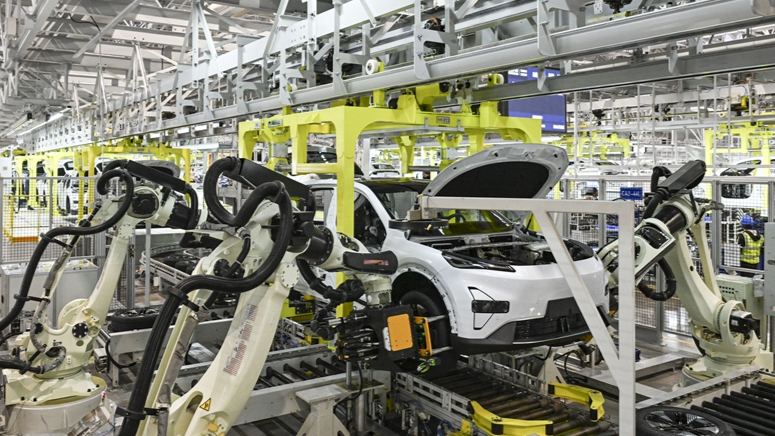
BEIJING - China's value-added industrial output expanded 4.8 percent year-on-year in November, official data showed.
In the first 11 months of this year, China's industrial output increased by 6 percent compared to the same period last year, according to data released by the NBS.
The industrial output is used to measure the activity of large enterprises, each with an annual main business turnover of at least 20 million yuan (about $2.8 million).
A breakdown of the data showed that the mining sector's value-added output increased by 6.3 percent year-on-year last month, while that of the manufacturing sector grew by 4.6 percent. The value-added output of the electricity, heat, gas, and water production and supply sectors rose by 4.3 percent.
Out of the 41 major industries, 30 reported increases in value-added output last month.
ALSO READ: Machinery exports buoy foreign trade
In November, the value-added output of the coal mining and washing industry, along with general equipment manufacturing, both increased by 7.5 percent year-on-year. The automobile manufacturing and railway, shipbuilding, aviation and aerospace sectors showed particularly strong performance, each expanding by 11.9 percent. Additionally, the manufacturing of computers, communication and other electronic equipment grew by 9.2 percent.
By product category, among 623 major industrial products, 310 recorded year-on-year production increases in November. Ethylene production reached 3.09 million tonnes, up 7.3 percent. Automobile output rose 2.4 percent to 3.52 million units, with production of new energy vehicles surging 17 percent to 1.84 million units.
Meanwhile, power generation climbed 2.7 percent to 779.2 billion kilowatt-hours, and crude oil processing volume amounted to 60.83 million tonnes, an increase of 3.9 percent.
Retail sales up 4%
China's retail sales of consumer goods went up 4 percent year-on-year in the first 11 months of 2025, totaling 45.61 trillion yuan (about $6.45 trillion) during the period, according to data from the NBS.
During the period, retail sales of consumer goods in urban areas rose 3.9 percent year-on-year, while those in rural areas climbed 4.4 percent year-on-year, the data showed.
From January to November, online retail sales of goods grew at a faster pace, rising 5.7 percent year-on- year to almost 11.82 trillion yuan, accounting for more than one quarter of the nation's total retail sales of consumer goods, the data showed.
In November alone, retail sales of consumer goods went up 1.3 percent year-on-year.
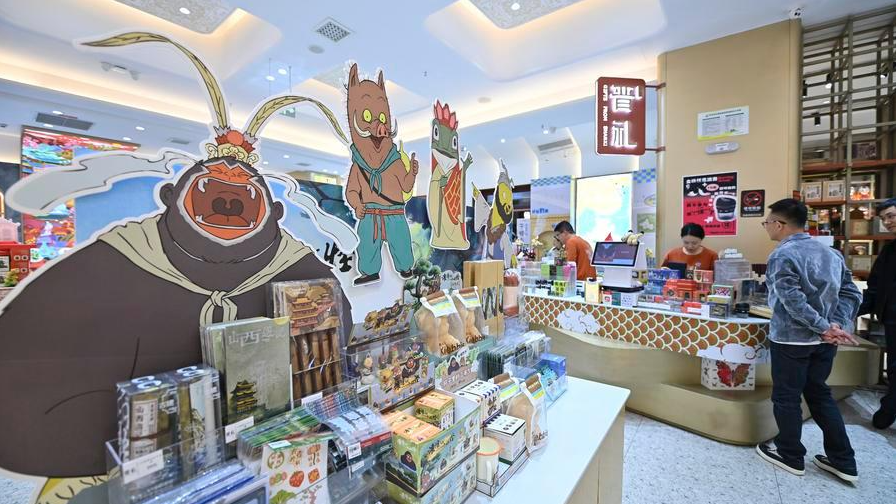
Speaking at a press conference in Beijing on Friday, NBS spokesperson Fu Linghui said that the scale of China's market sales expanded further in November, with growth in service retail sales gaining momentum.
In the first 11 months of 2025, service retail grew 5.4 percent year-on-year, with the growth rate up by 0.1 percentage points compared to the January-October period, the data showed.
Fu added that service retail categories such as culture and sports, as well as telecommunication and information, both registered double-digit sales growth.
According to the NBS spokesperson, China has implemented more proactive and effective macro policies this year, rolling out a series of measures to expand domestic demand, promote industrial upgrading, and stimulate economic activity, all of which have played an important role in supporting the stable operation of the economy.
This has been reflected in rising consumption demand, particularly in the sales of home appliances and telecommunications equipment, driven by the country's consumer goods trade-in programs, Fu noted.
Urban unemployment steady at 5.1%
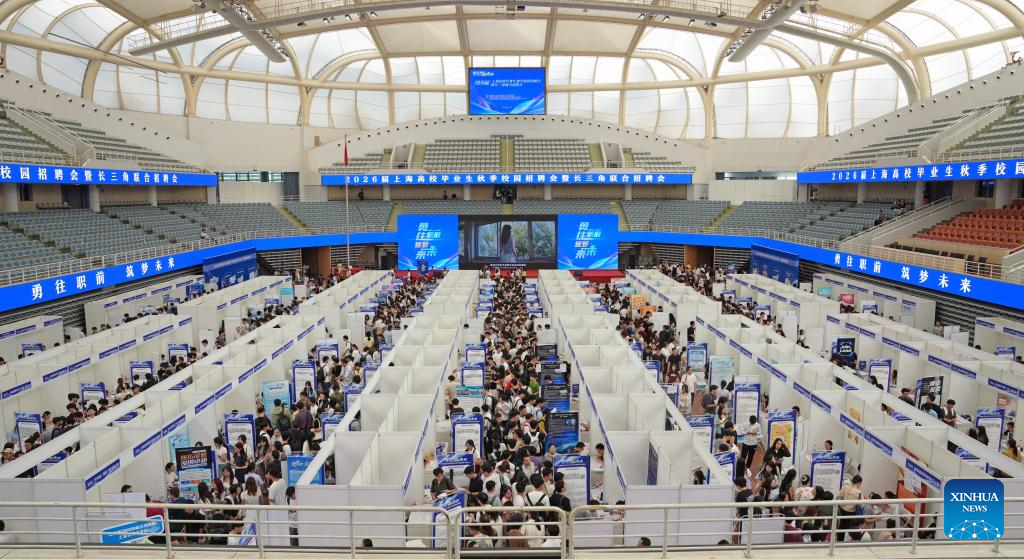
Official data also showed that China's job market has remained generally stable, with the surveyed urban unemployment rate holding steady at 5.1 percent in November.
For the first 11 months of this year, the surveyed urban unemployment rate was 5.2 percent on average, according to the NBS.
Employment conditions among key groups also remained sound. In November, the unemployment rate for rural migrant workers stood at 4.4 percent, lower than the national average.
ALSO READ: China adds 10.57m new urban jobs in Jan-Sept
China's economy has remained generally stable in November, Fu said, adding that the country will work to secure the steady development of employment, businesses, markets and expectations.
China has set a target of a surveyed urban unemployment rate of around 5.5 percent in 2025 and aims to create over 12 million new urban jobs within the year.
Home prices down
Home prices in China's 70 large and medium-sized cities generally fell in November from the previous month, official data showed.
Prices of new homes in the four first-tier cities of Beijing, Shanghai, Guangzhou and Shenzhen decreased 0.4 percent month-on-month, according to the NBS. Notably, Shanghai, the country's economic hub, recorded a 0.1 percent increase from the October level.
New home prices in second-tier cities went down 0.3 percent from a month earlier, while those in third-tier cities fell 0.4 percent, both narrowing by 0.1 percentage points from the previous month.
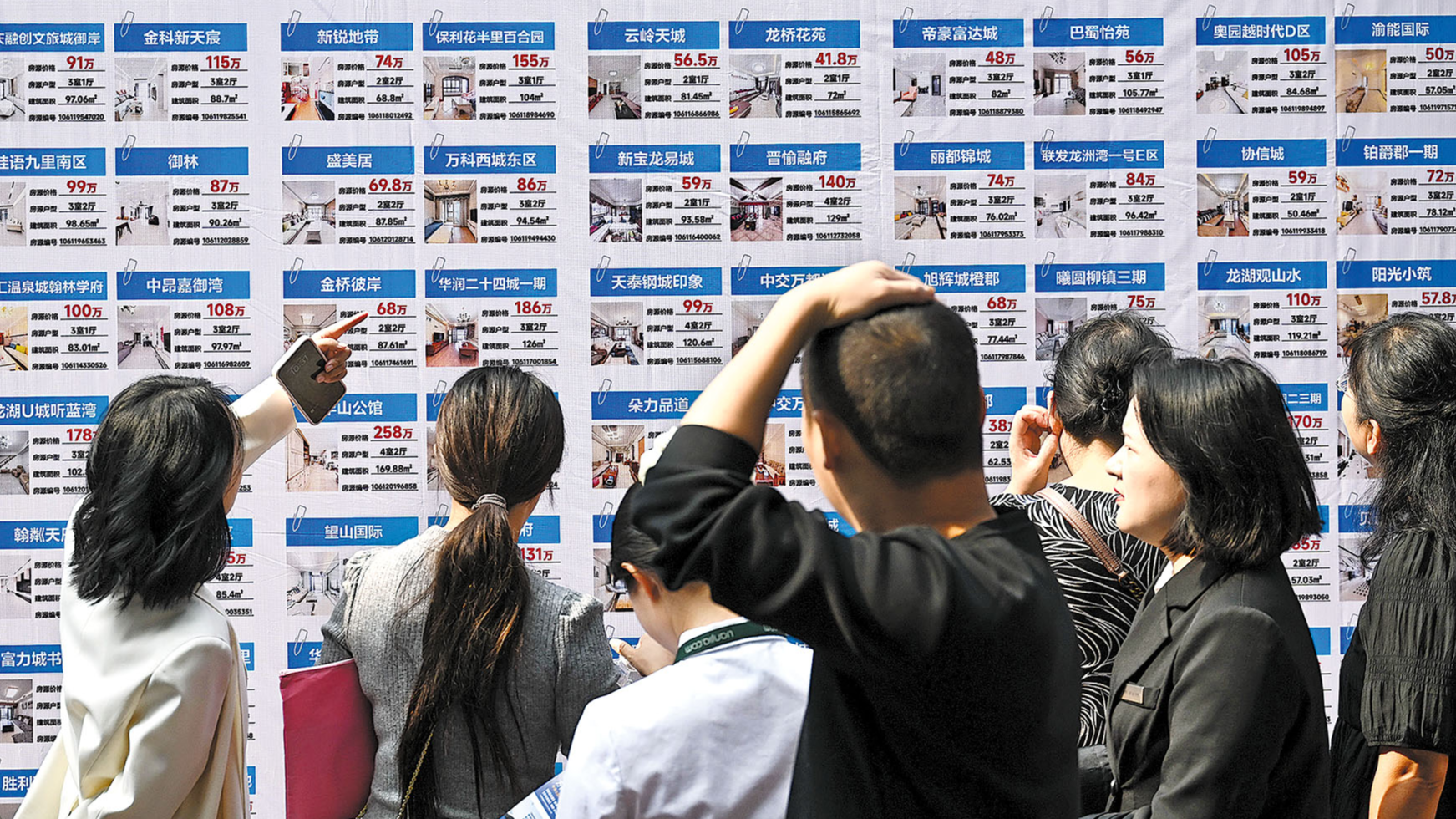
The NBS data also showed month-on-month declines in second-hand home prices across all major cities. On a year-on-year basis, the overall downward trend in new and second-hand home prices in major cities continued.
In the first 11 months of 2025, the country's investment in real estate development went down 15.9 percent year-on-year, NBS data showed.
China will work to stabilize the real estate market, steadily advance the construction of "quality homes," and foster a new model for real estate development next year, according to the Central Economic Work Conference held last week.
Meanwhile, the NBS also said that China fixed-asset investment went down 2.6 percent year-on-year during the first 11 months of the year.
