


GAZA -- A senior Hamas official said Thursday that Palestinian factions in Gaza have given initial approval for a potential international force in the territory, provided its mandate is limited to "monitoring the ceasefire and maintaining a presence along the borders to separate the two sides."
Husam Badran, a member of Hamas' political bureau, told Xinhua that the force's role should remain "limited, clear, and agreed upon," and must not undermine Palestinian national decision-making. He noted that most countries discussing the idea stressed the need for Palestinian consent before deployment.
Badran is referring to the International Stabilization Force, a proposed multinational force endorsed as part of a broader peace plan and a UN Security Council resolution in November.
ALSO READ: Arab League demands 'medical negligence' in ICC war crimes probe
Badran stressed that the implementation of the current agreement should not contradict Palestinian interests and reaffirmed that "any talk about disarming the resistance is rejected."
Palestinians "live under occupation, and it is natural for them to resist with all available means," he said.
He added that the priority for Palestinians is reconstruction in Gaza "so our people can live in conditions worthy of their sacrifices."
Regarding the second phase of the ceasefire deal, Badran said it should include "a clear withdrawal of the Israeli occupation, the opening of a political horizon, and serious discussions on the establishment of a Palestinian state."
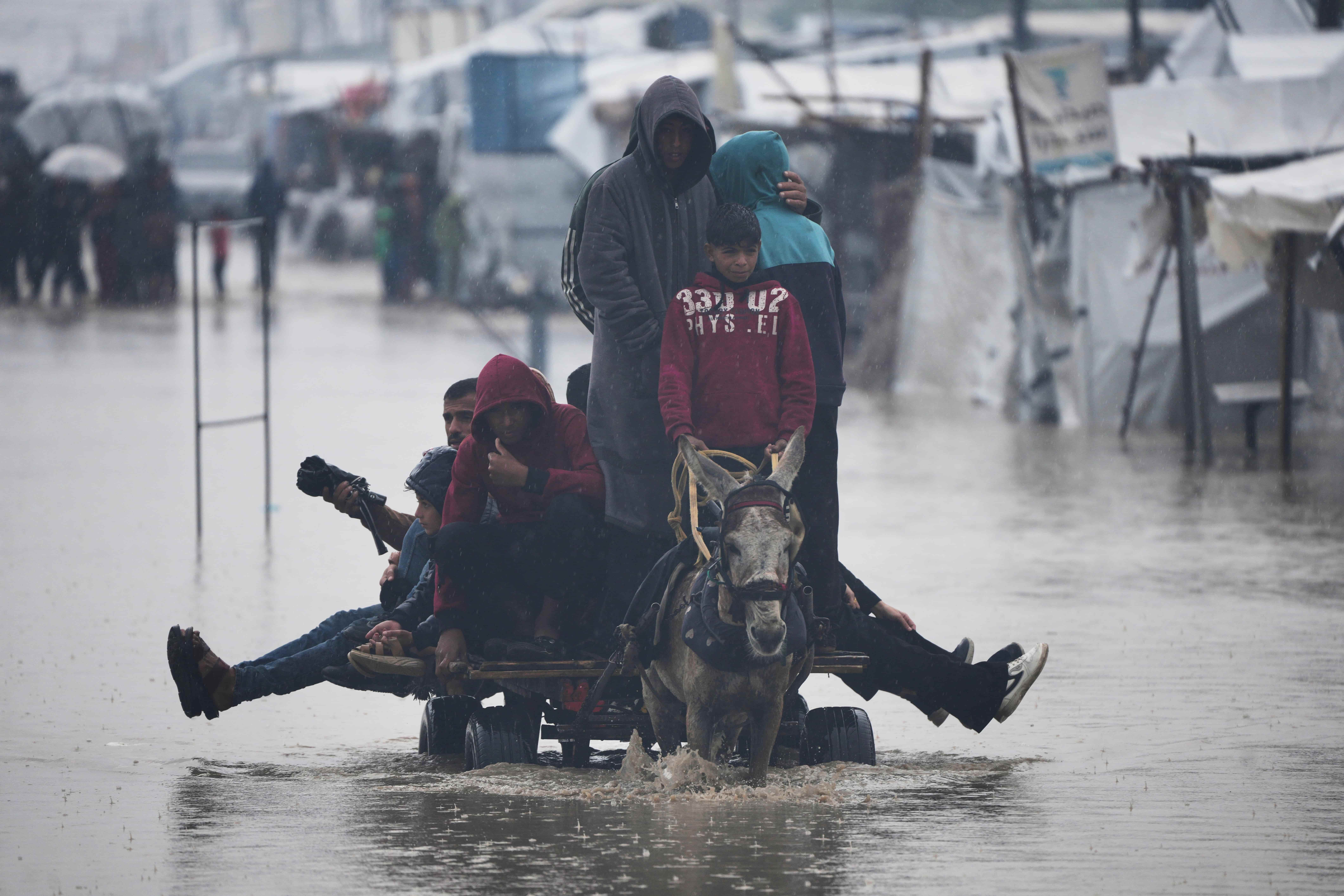
Hamas rejects US statements
The Hamas-run media office in Gaza described recent US statements regarding the entry of aid into the enclave as "misleading and contrary to documented facts."
It came in response to statements by US Ambassador to the UN Mike Waltz, who said he visited the Kerem Shalom crossing to see "firsthand the primary processing point for international aid and commercial goods into Gaza."
Waltz said on his social media account that since the UN Security Council adopted US President Donald Trump's peace plan on November 17, "over 600 trucks per day are now bringing food, shelter, and medicine are now entering."
READ MORE: Hamas says Israel must end violations before Gaza ceasefire moves to second phase
In the statement, the media office explained that only 14,534 trucks have entered the Gaza Strip since the ceasefire agreement came into effect, out of the 37,200 that were supposed to enter under the agreement.
The actual daily average does not exceed 234 trucks, representing a compliance rate of no more than 39 percent, according to the statement.
The office added that the figures "confirm that Israel is not only drastically reducing supplies but is also pursuing a systematic policy of economic strangulation aimed at keeping the Gaza Strip on the brink of famine."
