

Clarification: This article initially contained an error that confused candidate Tam Chun-kwok — who responded to China Daily’s inquiry and shared his views on the San Tin Technopole — with Kent Tsang King-chung, who did not respond to China Daily’s inquiries.
We have since corrected the mistake, and we apologize to Mr Tam and our readers for the error.
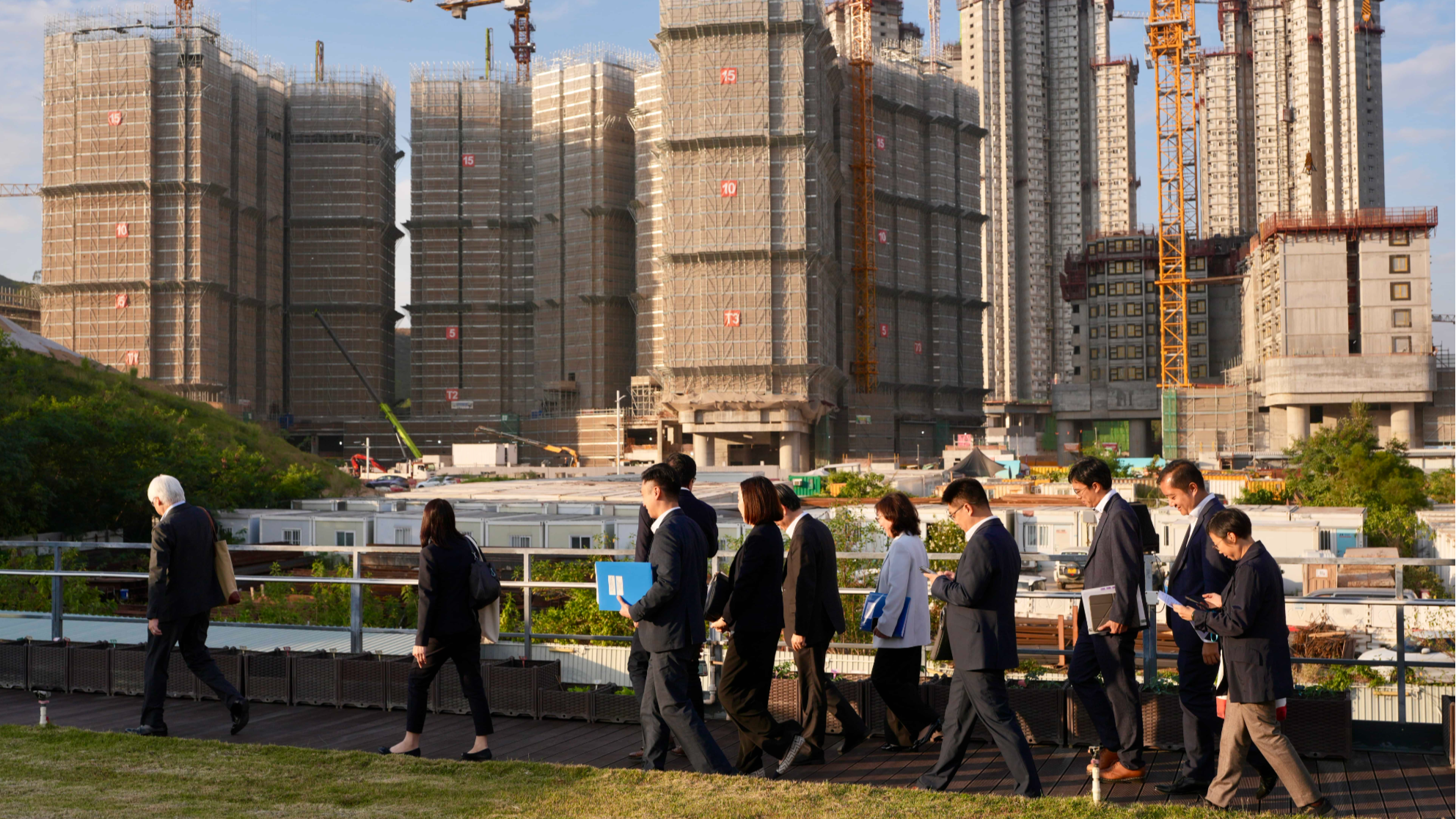
Hong Kong’s Northern Metropolis megaproject has galvanized lawmaker candidates running in the New Territories North Constituency, with hopefuls confident it will become the city’s “new growth engine” of hi-tech, talent, and cross-boundary collaboration.
The strategic weight of the Northern Metropolis, deemed “self-evident” according to some candidates who spoke to China Daily, has been amplified as the nation prepares to redouble its push for “technological self-reliance and self-strengthening”.
It is also indicated in recently adopted top-level recommendations for formulating the 15th Five-Year Plan, a policymaking blueprint for the country’s socioeconomic development from 2026 to 2030, candidates said.
A significant part of the 300-square-kilometer megaproject, located near the SAR’s boundary with Shenzhen, Guangdong province, falls within the New Territories North Constituency, which covers the North District and the northern part of the Yuen Long District.
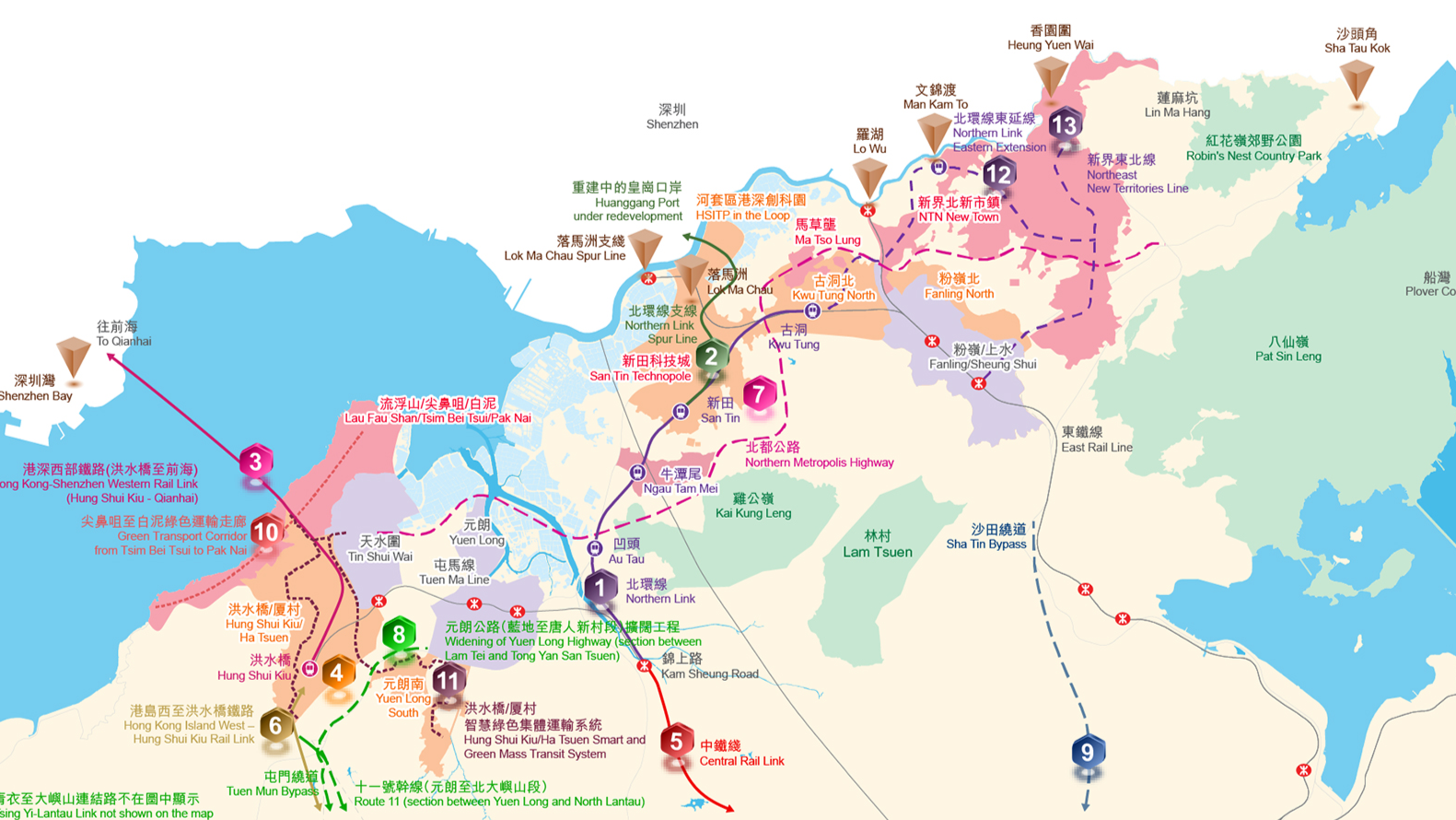
Candidates observed that the SAR government’s recent moves signal its strengthened resolve to cast the new township as a strategic bridgehead that aims to harness the city’s growing research and talent base for fostering “new quality productive forces”, alongside innovation and technology (I&T) prowess in future high-tech industries.
Candidate Michael Liu Tsz-chung cited the Hong Kong University of Science and Technology (HKUST)’s recent successful bid to run the city’s third medical school, designated in the tract of Ngau Tam Mei, within the Northern Metropolis. This positions the school in pole position to create a positive synergy with major industrial players in the life and health sciences fields, which can play well to technology transfer and entrepreneurship, he said.
HKUST’s medical school was part of the Northern Metropolis’s broader bid to land a top-notch university cluster, which has also been featured across candidates’ narratives.
Still, an area of around one sq km earmarked for the Northern Metropolis University Town was seen as “lacking” by another candidate, Yiu Ming.
Yiu noted the current site allocation appeared to primarily address local universities’ expansion needs. However, establishing a veritable world-class education hub would require drawing more top-tier Chinese mainland and international institutions to field their satellite campuses and research facilities in Hong Kong, thus necessitating additional land.
Meanwhile, also central to the aspirants’ vision for the Northern Metropolis was its much-anticipated growth into a launchpad for mainland enterprises expanding abroad.
Potential abounds, most obviously in the colossal suite of planned cross-boundary transportation links, which are set to enhance the zone’s appeal to the mainland.
RELATED ARTICLES:
- CE: Upcoming five-year plan offers clearer vision of HK's growth path
- HKUST to run city’s third medical school
- San Tin Technopole seen as a strategic base for R&D commercialization
The development of the Northern Metropolis links Hung Shui Kiu — one of the first new towns of the Northern Metropolis — and Shenzhen’s Qianhai region. And this linkage is deemed beneficial by Candidate Shum Ho-kit.
Shum argued that, given Qianhai has already had in place progressive legal and institutional innovation between Hong Kong and the mainland, it can therefore provide Hung Shui Kiu with experience and a source of reference in relation to how the new town can introduce similar policy instruments.
As follows, Shun said Hung Shui Kiu can ultimately help the city better serve as a premier gateway for mainland businesses entering markets of common law jurisdictions, as well as grow into a bigger player in international arbitration and mediation.
While backing high-level design and strategic blueprints, candidates urged a field-level rendition of matching efficiency and quality, calling for streamlined land resumption and grants, smoother and diversified fundraising channels, frictionless cross-boundary flows of production factors, and more targeted incentives to shatter market investment bottlenecks in long-gestation, slow-return infrastructure and technology ventures.
They voiced strong support for the government’s clear pledge to streamline administrative procedures and introduce dedicated legislation for accelerating the region’s development.
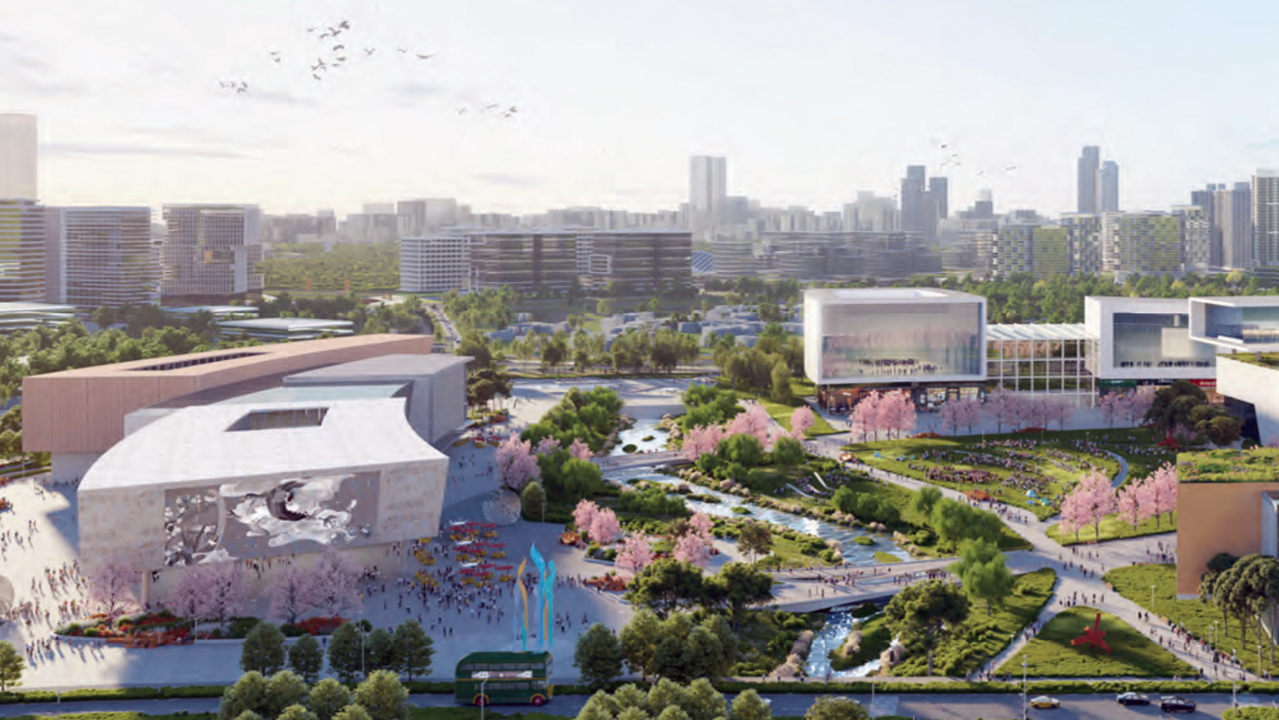
Over time, the Northern Metropolis’s eventual development into an international I&T hub — one that is expected to form the new pillar of the city’s economic growth alongside the financial powerhouse — will deliver crucial, tangible livelihood benefits to residents, they said, given that community-level transportation, communications, and even recreational infrastructure will “surely advance in lockstep”.
Candidate Tam Chun-kwok singled out the Northern Metropolis’s flagship project, San Tin Technopole, as a particularly reassuring response to the current lack of local employment that has long compelled residents in the region to undertake lengthy cross-district commutes for work.
Tam said he hoped that the Northern Metropolis’s materialization will help rectify this local job-housing mismatch, with official projections indicating the San Tin Technopole alone will provide over 300,000 full-time job openings, many of which are expected to be in high-value sectors such as life and health technology, artificial intelligence and robotics, and microelectronics and advanced industry.
The last candidate in the constituency, Kent Tsang King-chung, did not respond to China Daily’s enquiries, though he previously attended a government-run election forum in support of deepening the zone’s international cooperation.
Contact the writer at wanqing@chinadailyhk.com
