

Surging renewable energy transactions in port city hit 40 percent
Editor's note: As protection of the planet's flora, fauna and resources becomes increasingly important, China Daily is publishing a series of stories to illustrate the country's commitment to safeguarding the natural world.
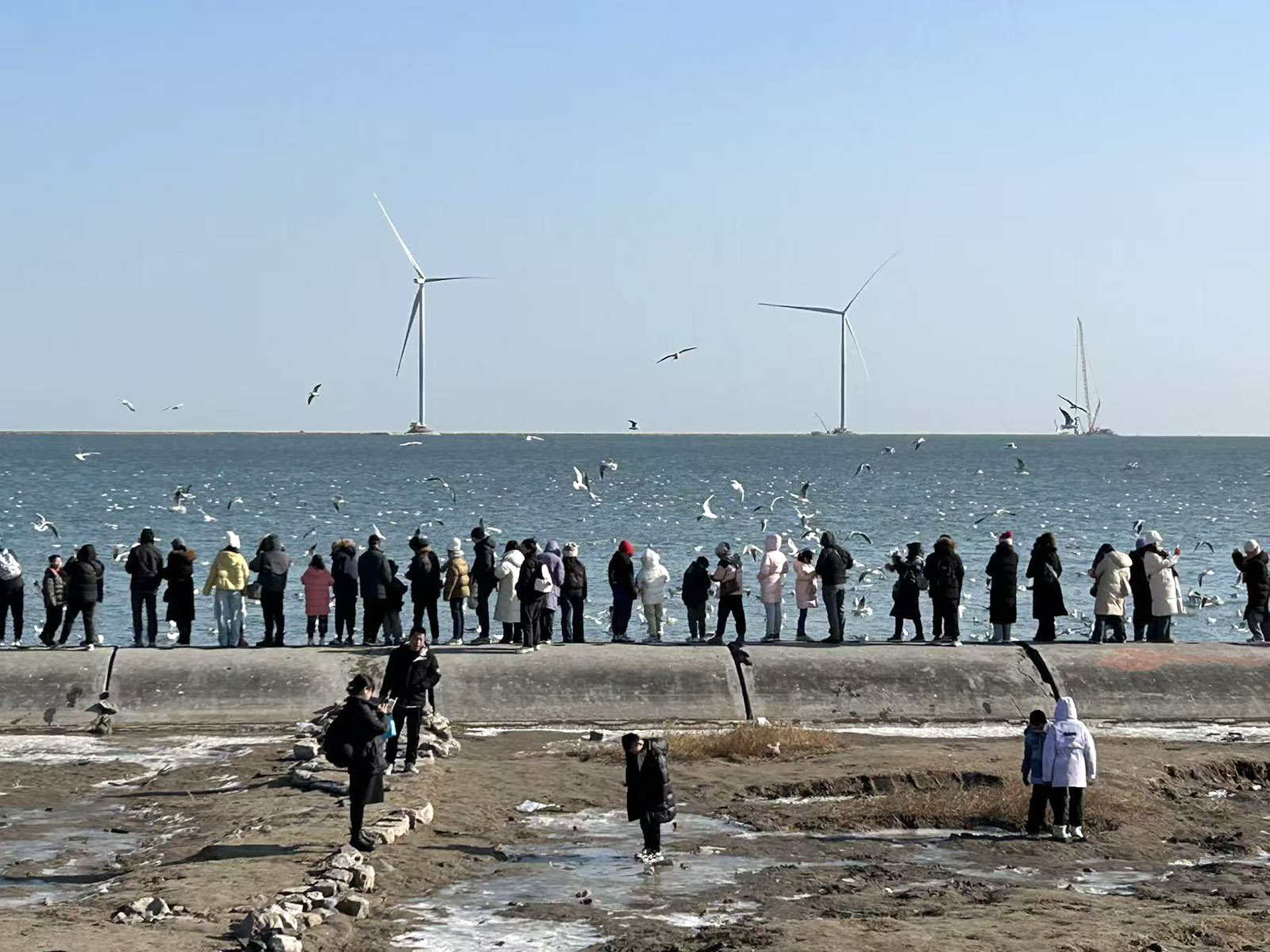
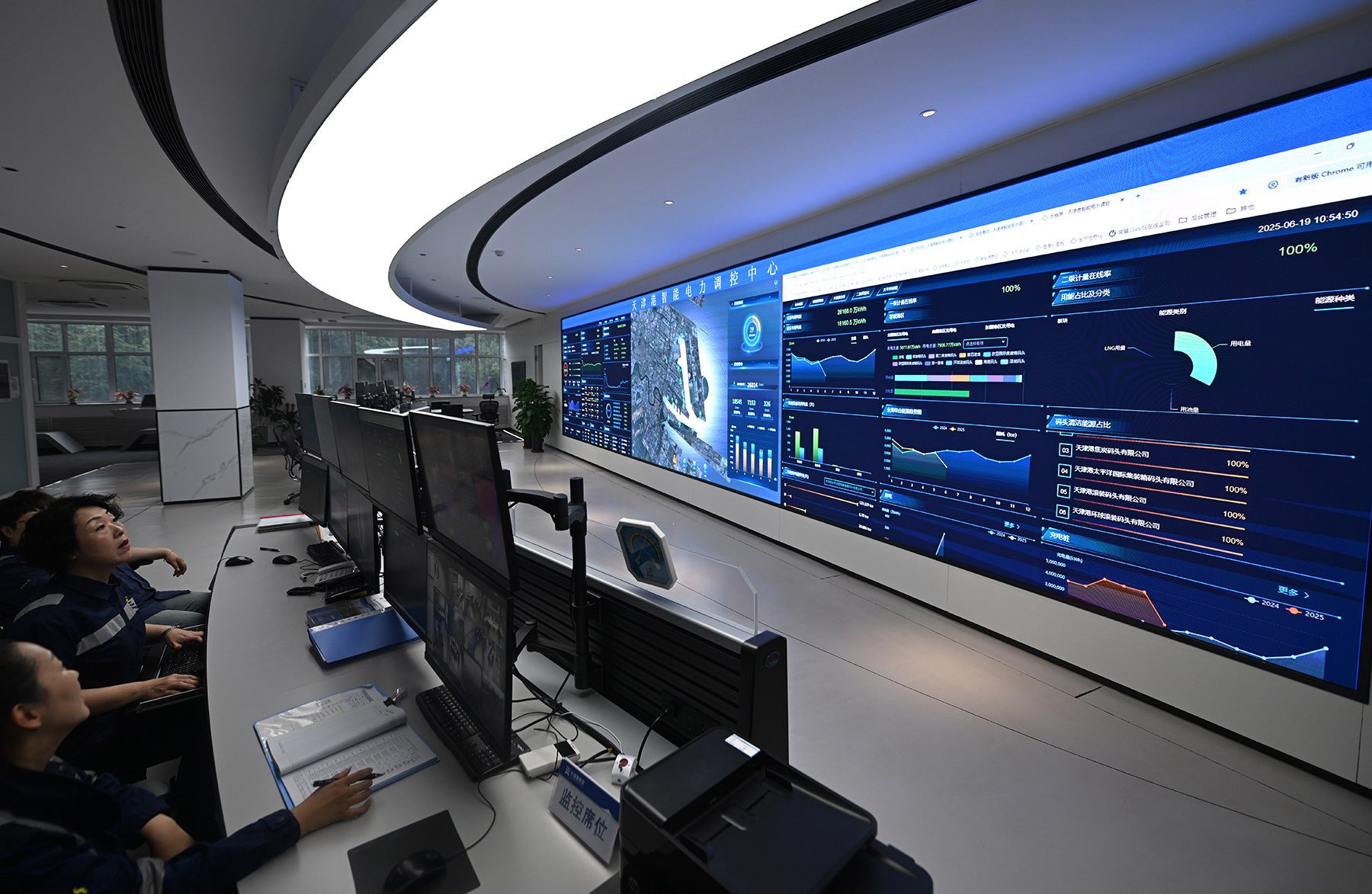
Since the launch of the national green electricity trading market in 2021, Tianjin, a port city in northern China, has seen its trade in renewable energy skyrocket from 12 million kilowatt-hours in 2021 to 17.3 billion kWh for this year. The remarkable growth has led to a dramatic cut in carbon dioxide emissions as well as toxic and harmful substances such as sulfur dioxide, nitrogen oxides and particulate matter.
State Grid Tianjin Electric Power Co, a subsidiary of national electricity provider State Grid, estimates the reduction is the equivalent of the amount of CO2 absorbed by 767 million trees for a whole year.
The national green electricity trading market facilitates transactions for both physical green electricity and related green electricity certificates so that large-scale users, such as manufacturers and data centers, can purchase their energy and ensure that it comes from a renewable source.
The green energy trading model used in Tianjin matches the characteristics of the city's energy mix to promote the healthy development of the green electricity market.
READ MORE: Green power trading gains momentum
In its second year of operation, green electricity trading volume increased to 78 million kWh. Today, green electricity trades account for 40 percent of all commercialized electricity trades.
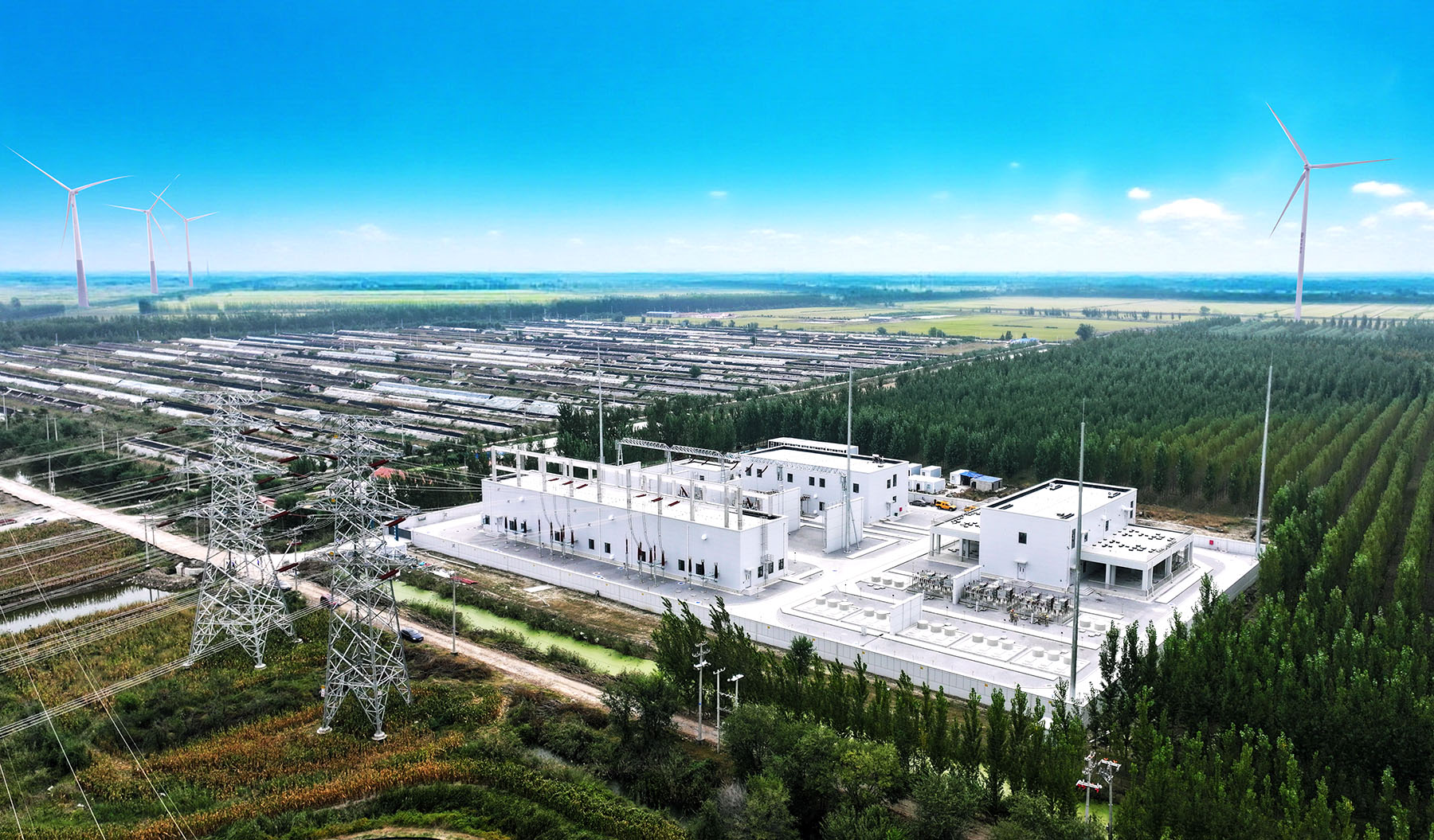
Jiang Yue, chairman of the board at Tianjin Power Exchange Center Co, said that green electricity in the city is mainly produced from wind power and photovoltaics.
With the development of new energy enterprises in the city over the past few years, the overall region's green electricity supply capacity has been greatly enhanced. This year, the amount of green electricity supplied by local new energy enterprises reached 5 billion kWh.
Starting from this year, green electricity producers in Gansu, Qinghai and Heilongjiang provinces, as well as those in the Xizang autonomous region have begun supplying energy to Tianjin, creating an external green electricity supply of 12.6 billion kWh.
A recent interprovincial green power transaction from Gansu to Tianjin for the period from 2025 to 2029 totaled 17.25 billion kWh, a record high transaction in Tianjin.
Jiang said the green electricity trading center has been a remarkable success.
"The price of green electricity fluctuates with supply and other factors, and the more you use, the lower the price," Jiang said.
"With the exchange, users can purchase electricity directly from power plants. This year, we bought a large amount of green electricity from outside the region, and the price was lower than conventional corporate electricity, saving 320 million yuan ($45 million) in energy costs for all green electricity users in Tianjin," he added.
Due to the increasing inputs into the power grid, the price of green energy is currently on par or even cheaper than regular electricity, according to the Tianjin government.
This successful practice is a direct response to Goal 7 of the United Nations 2030 Agenda for Sustainable Development, which is to ensure access to affordable, reliable, sustainable and modern energy for all.
Last year, the Tianjin Green Electricity and Green Certificate Service Center was inaugurated at State Grid Tianjin Electric Power Co. The center has established a trading platform for green electricity and green certificates, connecting supply and demand, promoting green electricity consumption, and supporting the green transformation of energy.
During this year's Shanghai Cooperation Organization Summit held in Tianjin, the managers of the venue for the summit completed green electricity transactions with local new energy enterprises in Tianjin, reaching a transaction volume of 1 million kWh. This ensured a 100 percent green electricity supply for all event venues during the summit, equivalent to reducing the burning of 320 metric tons of standard coal and cutting 800 tons of carbon dioxide emissions. It was the first time that an SCO summit has achieved a full green electricity supply.
The construction sector in Tianjin has been advancing the green transformation of construction processes in recent years.
ALSO READ: Clean energy technology new driver of growth
According to Ding Hui, head of the technology and quality department at China Railway Construction Engineering Group Third Company, in line with the national dual carbon goals, they have actively promoted the adoption of new energy technologies such as building-integrated photovoltaics and ground-source heat pumps, significantly reducing reliance on traditional energy sources.
In terms of construction methods, companies have also implemented smart energy management platforms to monitor and control energy consumption and carbon emissions.
"These efforts in Tianjin have not only enhanced the green quality of local buildings but also, through technology transfer and standard-setting, provided impetus for the high-quality development of the construction industry and other traditional sectors across the country," Ding said.
Wu Meng contributed to this story.
Contact the writers at yandongjie@chinadaily.com.cn
