

Young people's fresh approach allows access to high-end, more varied items
Cheng Shuo works as an accountant in Suzhou, Jiangsu province, but the 27-year-old's real passion is attending live music performances. Almost every month, she travels to different cities for concerts, music festivals and fan events.
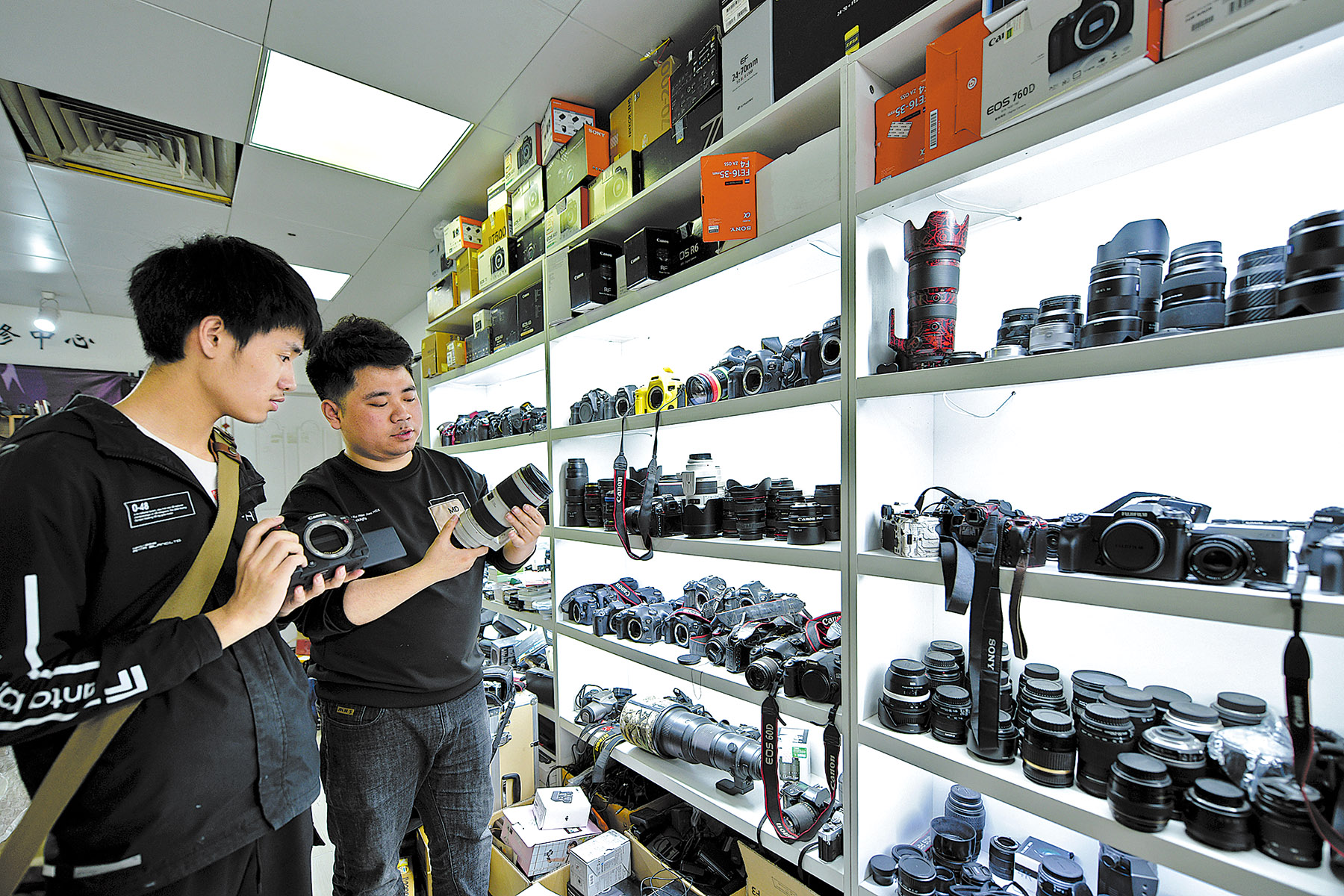
Before each show, Cheng carefully prepares her gear. She often rents a Sony A7 series camera to capture vivid details. Online rental platforms offer easy credit-based services, with professional cameras costing 200 to 400 yuan ($56) per day to rent.
"Buying one would cost tens of thousands of yuan, but renting for two days is only around 400 to 800 yuan. The process is simple — order online, verify your ID, and the camera arrives the next day," said Cheng.
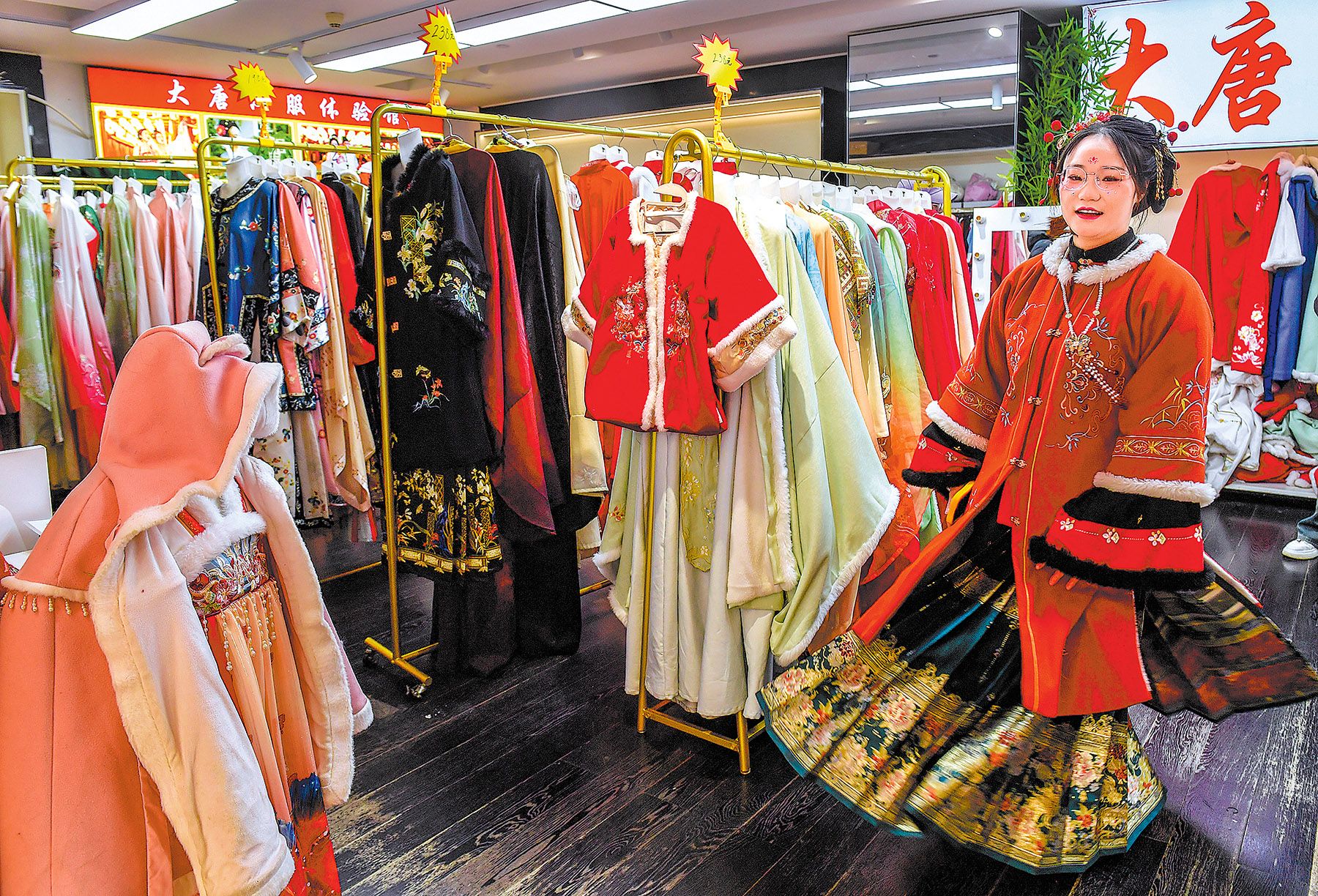
She also rents clothing and accessories to match concert themes. "I sometimes rent an outfit in a particular shade, or some jewelry that matches the light sticks and banners," said Cheng.
READ MORE: Generation Zs embrace 'experience economy'
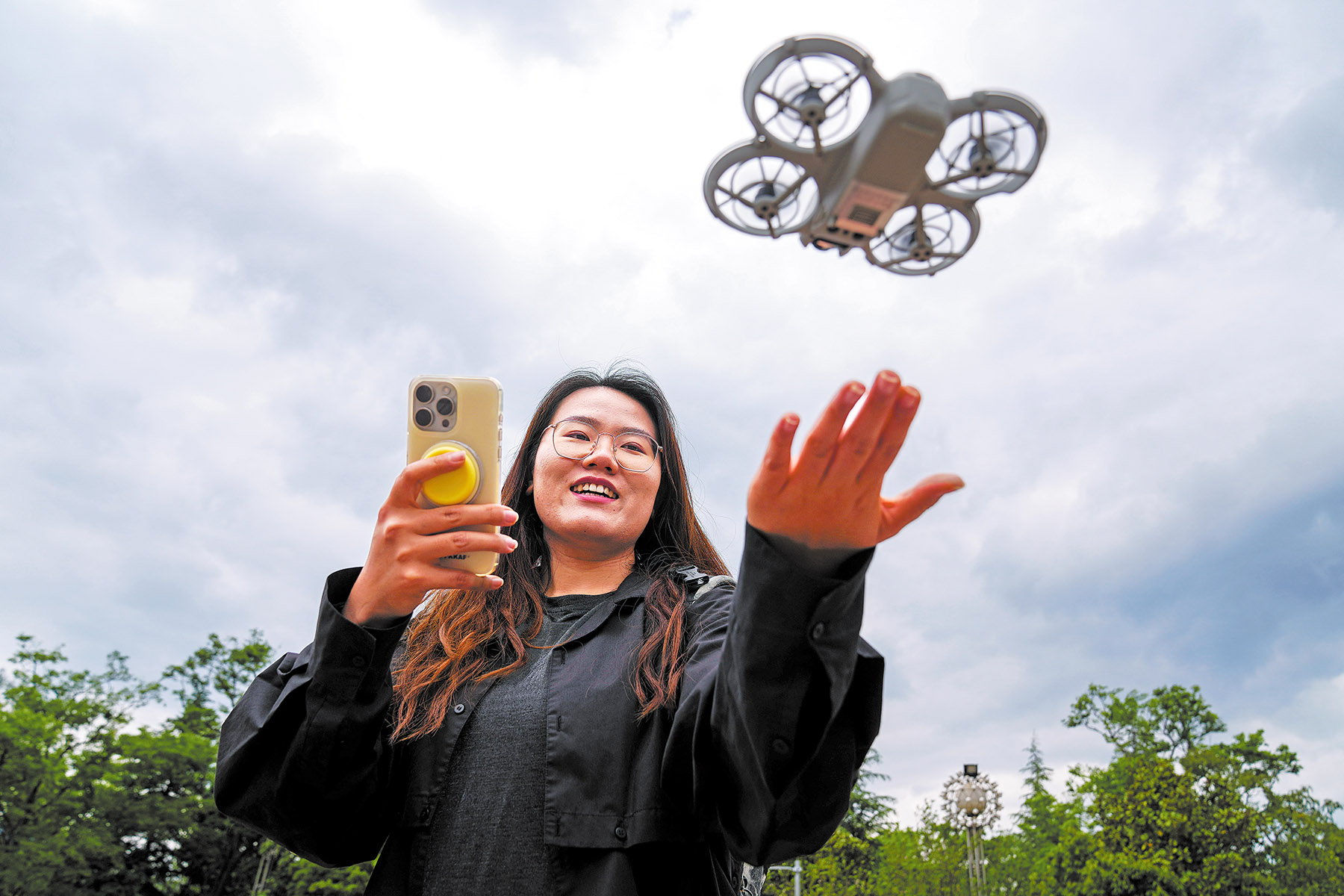
In recent years, she has also started renting items for short trips with friends. For instance, she has rented a compact camera for a weekend getaway and a drone to capture images of landscapes.
"It only takes a few minutes to book what I need, then it's delivered to my door, ready to use. Afterward, I just pack it up and send it back," she said.
From renting high-end video equipment to trying household goods before buying, Chinese consumers, especially young people, are increasingly embracing a lifestyle based on renting rather than ownership.
Convenience, flexibility
China's new rental market is expected to reach 71.6 billion yuan ($10.11 billion) in 2025 and nearly 1 trillion yuan by 2030, according to a report by Beijing-based internet consultancy Analysys.
The rental items range from electronics and outdoor gear to fashion and luxury items, with smartphones, laptops, cameras, and drones among the most popular items. More than 30,000 businesses are offering rental services, the report said.
Leading rental platform rrzu.com said during the recent National Day holiday from Oct 1 to Oct 8, its orders for photography and drone equipment surged nearly 350 percent year-on-year. Short-term rentals under 90 days now account for over 70 percent of bookings, with young people making up the majority of customers.
"This increase reflects how short-term rental services have become the mainstream choice for young users seeking convenience and flexibility," said Chen Weijun, brand and channel manager at rrzu.com, which has expanded from renting office equipment to now covering more than 200 sectors.
The platform has seen strong growth in both orders and user numbers, closely aligned with broader industry trends.
Chen said he and his team have observed three clear trends shaping young people's rental behavior.
"They increasingly prioritize short-term utility over ownership, seek rentals that enhance social and experiential activities, and make decisions based on convenience and efficiency, valuing quick ordering, flexible extensions, and easy returns," said Chen.
Growth is strong in lifestyle categories. In-demand items include photography equipment and drones, gaming consoles, trend-driven products, and tools for livestreaming.
Renting enables low-cost experimentation without the burden of equipment depreciation, Chen said.
"These trends reflect broader shifts in young consumers' values, as they pursue experience-based consumption and 'lightweight' entrepreneurship," he said. "Photography rentals suit travel vlogging, gaming rentals enhance social interaction, and technology rentals satisfy the desire to experiment."
The platform has also introduced innovative services to meet evolving demand. A "consignment rental" model, for instance, unlocks income from previously idle equipment. Owners can consign their unused equipment to the platform to rent out, and share profits with the company.
Chen said the advantages of China's rental model include adapting quickly to domestic trends, fast same-city delivery, and rigorous quality control.
"Generation Z and consumers under 30 are fundamentally changing the way rental services are used. They value utility and experience over ownership, creating diverse and fragmented demand that will drive industry expansion in the next two to three years," said Chen.
A total of 38.2 percent of users rent to test products before buying, while 33.7 percent rent to enjoy more variety, the consultancy Analysys found. Major reasons for renting items include concerts, travel, entertainment, and work, with baby care, health, and beauty emerging as new growth areas.
Household help
Li Shuwei, a 35-year-old mother from Tianjin with a 9-year-old daughter, has increasingly relied on rental services to make her daily life more convenient.
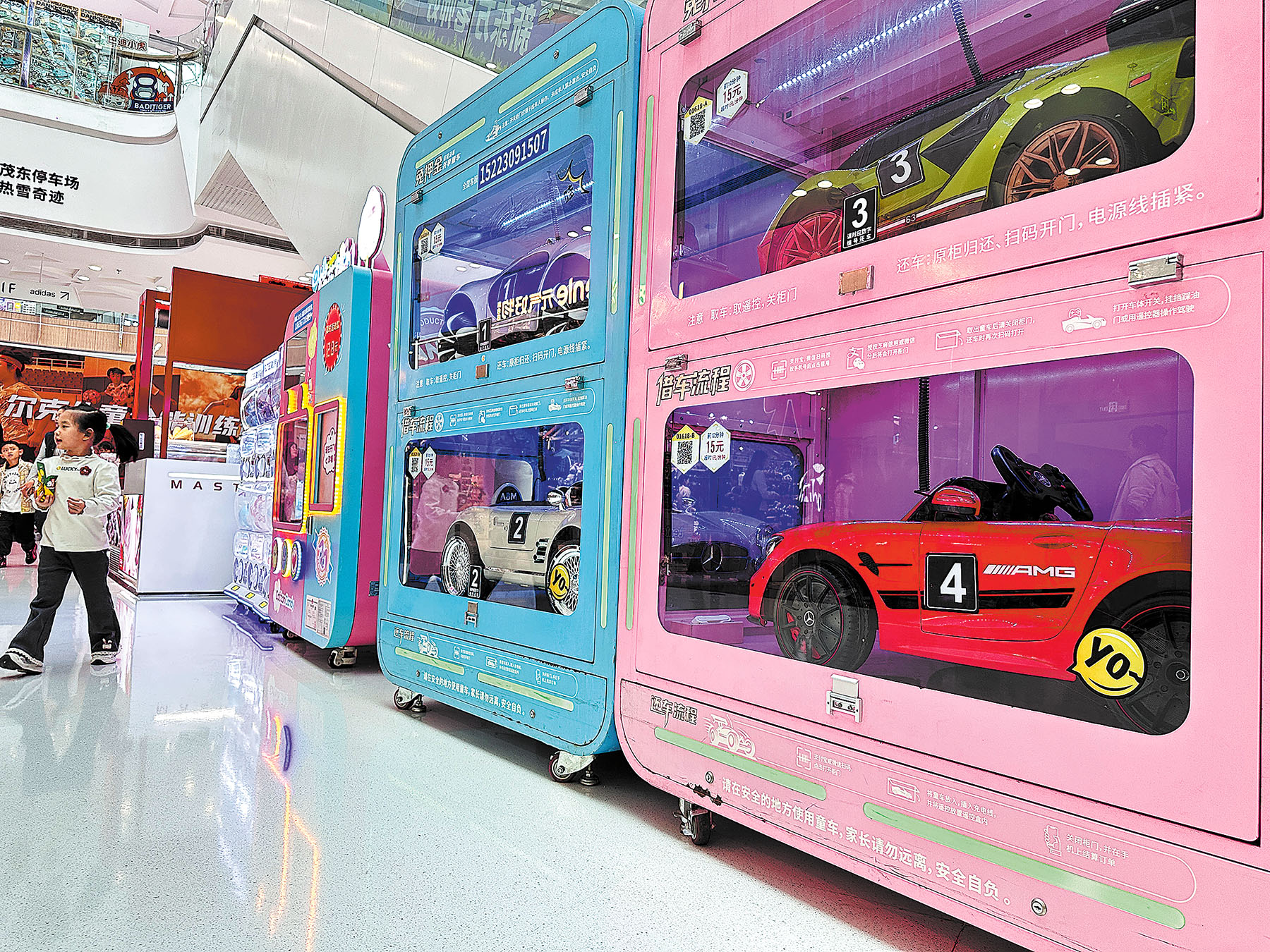
"Renting allows me to try out different household appliances and children's items without having to commit to a purchase," said Li.
After giving birth, she began renting not only cars and other items short-term, but also a wide range of products that suited the family's changing needs.
Over the years, she has rented food blenders, air purifiers, and robot vacuum cleaners she was considering purchasing, as well as children's items used for limited periods, including strollers, child car seats, and educational toys that her daughter quickly outgrew.
"Sometimes, I want to see if a product really suits our home and lifestyle before buying it. This approach helps avoid unnecessary spending and clutter," said Li.
She said when her daughter started learning piano at the age of 7, she decided to rent an entry-level digital piano for a few months to see if the girl would enjoy it.
"It was a great decision, as once she developed a real interest and commitment, we decided to buy a proper one," said Li.
She appreciates that rental platforms provide the opportunity to try out different brands and products.
"Renting gives me flexibility and freedom, as I can try out different large household appliances before deciding what truly suits our daily routines. This way, I don't waste money on products that might not work well for us, while also managing space more efficiently and keeping our home neat and organized," said Li.
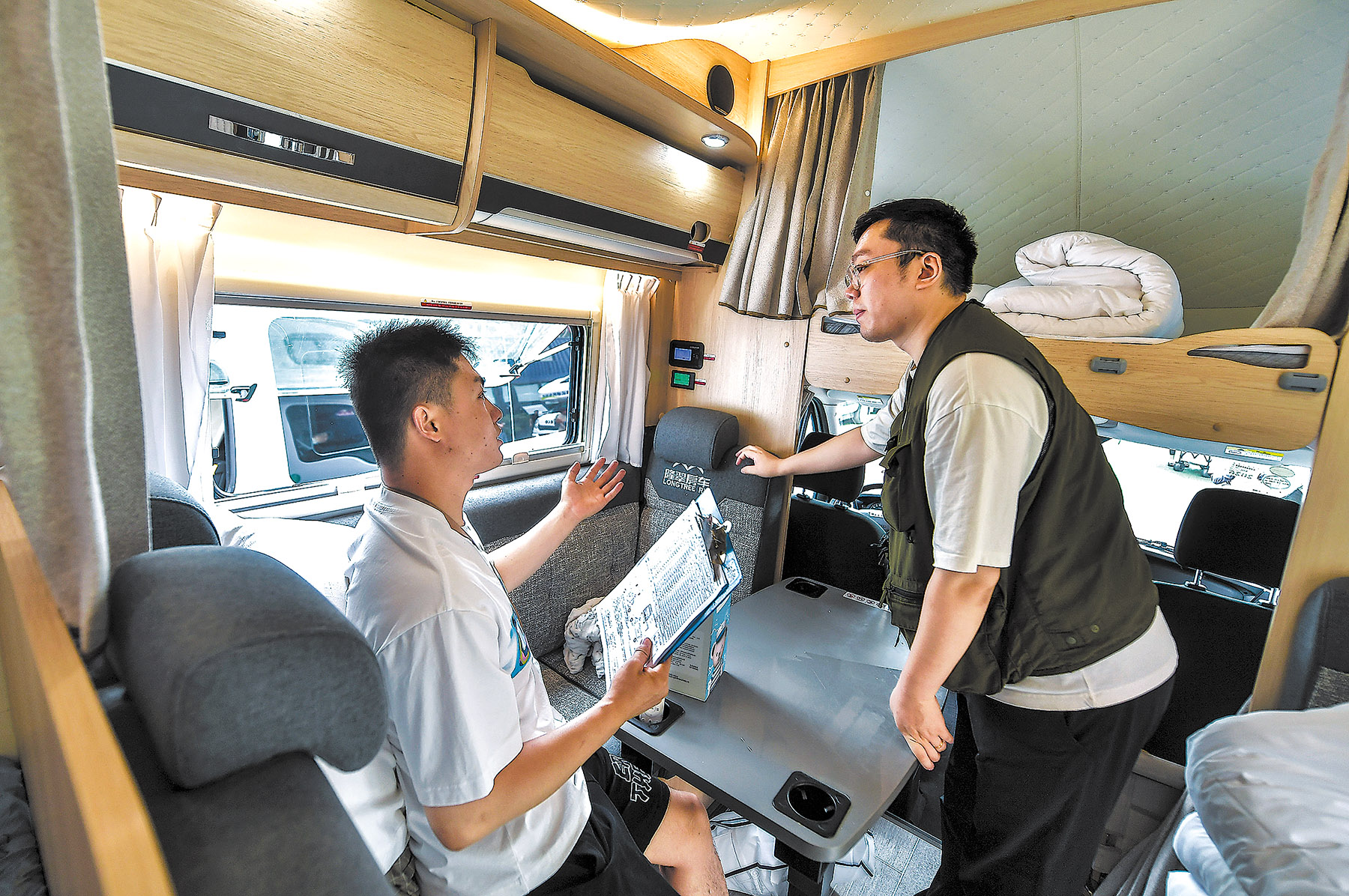
She recently rented camping gear for a family outing, including a lightweight tent and portable stove, which made the trip more comfortable and fun without having to buy rarely used items. Li also borrowed a children's balance bike for her daughter to use during the holiday, allowing her to enjoy outdoor activities without the need for long-term storage at home.
"During a recent family gathering, I rented a mini projector for a movie night with my family — it was convenient, and we didn't need to buy one just for a single occasion," said Li.
Rental fees are generally reasonable. A premium stroller or car seat can be rented for around 50 to 80 yuan per day, while cameras and projectors range from 70 to 150 yuan per day depending on the brand and specifications.
Affordable pricing makes short-term use of high-quality goods practical for Li and many young parents. Renting helps them efficiently meet the unpredictable demands of parenthood, reduce waste, and avoid spending on items that are quickly outgrown or seldom used.
Flexible approach
According to data released by Zhima Rental, the rental platform operated under Ant Group's Zhima Credit, the total transaction volume on the platform grew by 71.6 percent year-on-year in the first half of 2025.
Zhima Rental collaborates with over 15,000 merchants and brands, covering more than 200 product categories, from consumer electronics and home appliances to travel and entertainment.
More than 60 percent of the platform's users are under the age of 30, reflecting the growing influence of younger consumers in driving China's rental economy. Zhima Rental reported digital electronics, photographic equipment, and outdoor gear have seen the fastest growth.
"The rise of the rental economy marks a profound shift in the consumption logic of the younger generation — from ownership-oriented to access-oriented. Young people no longer see material possession as the core of status or happiness; instead, they focus on rich experiences, flexible resource allocation, and a fluid way of living," said Shen Liang, an assistant professor at Shanghai Jiao Tong University's Antai College of Economics and Management.
"This shift also reflects a more socially responsible consumption orientation. With the rise of sustainable development awareness, more young consumers reduce waste and extend product life cycles through renting, aligning with the principles of the circular and sharing economy," said Shen.
In its 2025 mid-year update, Ant Group highlighted that "post-95 consumers are reshaping the concept of ownership — prioritizing use, flexibility, and sustainability over long-term possession".
Shen said future challenges include gaps in credit assessment, trust, and underdeveloped risk-sharing mechanisms. "Flexible constraints through insurance, tiered credit protection, or algorithmic risk control are crucial," she said, predicting that in the future the rental sector will integrate AI-driven personalization.
Goods rented in China are also becoming more diverse, data from e-commerce platform Meituan shows.
In August, searches for rentals of cameras increased by 63 percent year-on-year, wedding dresses 109 percent, drones 89 percent, and baby strollers by 165 percent, according to the data, reflecting a wide range of consumer needs.
Unlike traditional rentals lasting three months to two years, new models emphasize short-term flexibility, with rental periods ranging from one day to one year. For example, customers are renting cameras for short trips or gaming consoles for weekends at home.
Kang Kai, an industry expert in credit-based rentals, said China's online rental sector has evolved rapidly since 2020, when deposit-free credit rentals first took off.
ALSO READ: Evolving trends of nation's Gen Z shoppers
"Unlike previous generations who rented out of financial necessity, today's users — especially those born after 1995 — rent for freedom of use rather than ownership. Renting is no longer a stopgap solution but a lifestyle choice," said Kang, who worked for an online rental company for six years.
The rise in renting goes beyond the idea of simply saving money. "It's no longer about affordability. Young people care about flexibility, experience, and managing their cash flow. Renting gives them access to high-quality products for travel or concerts without long-term commitment," said Kang.
However, the industry needs to address issues such as building trust and standardizing operations, he said.
"The key is not blind expansion but standardizing operations across different scenarios," Kang said.
"Trust must be built on three levels — technology, through credit systems and remote locks; institutions, through clear contracts and deposit supervision; and branding, through transparent, reliable platforms. The goal is to make users feel confident to rent, return and rent again."
He added the future of China's rental economy remains promising. "With mature credit systems, digital payments, and rising awareness of circular consumption, the sector is set for continued expansion. Future growth will come from AI hardware rentals and distributed supply chains that enable faster, same-day delivery," said Kang.
Contact the writer at sunnyu923@163.com
