

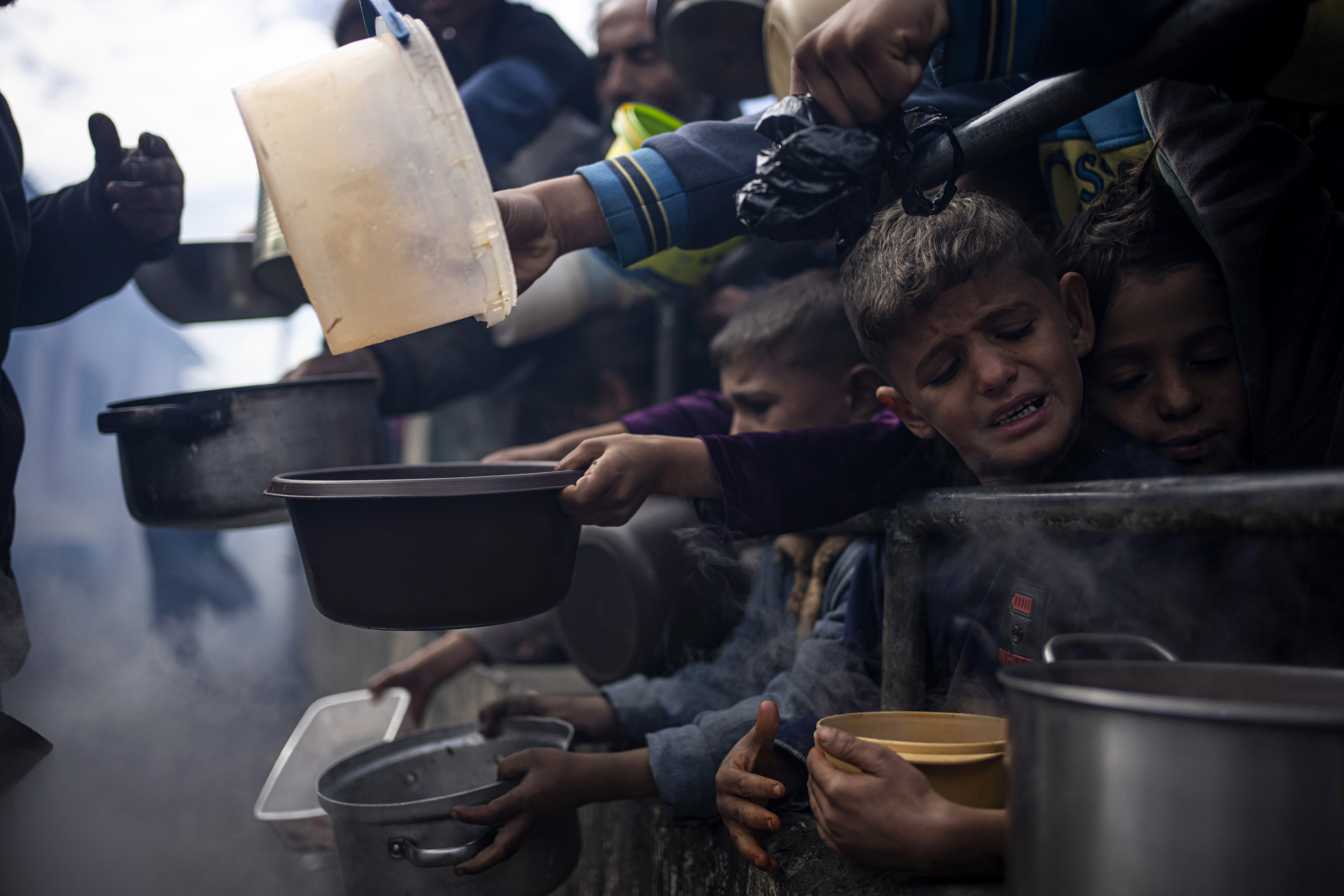
Grassroots groups are demanding accountability and the revival of Palestine’s agricultural sector, including the protection of farmers, amid widespread damage and starvation tactics being blamed on the “US-Israel genocidal war” that threatens food sovereignty in the region, a World Hunger Day webinar heard.
In her video message, Lisa Shahin, advocacy and research officer at The Arab Group for the Protection of Nature (APN), noted that for decades, the Israeli occupation has been “stripping Palestinians of water and other natural resources”.
Shahin was among the speakers at the webinar “Zero In: Palestine: Uphold the Palestinian people’s food sovereignty” on Oct 16, organized by Ground Zero of the People’s Coalition on Food Sovereignty together with APN, the Arab Network for Food Sovereignty, and the International League of Peoples’ Struggle Asia-Pacific.
Shahin noted that before the recent aggression triggered in October last year when Hamas militants launched a surprise attack on Israel, around 45 percent of Gaza’s food consumption came from local production, contributing significantly to the region’s food security. The agricultural sector was largely self-sufficient in producing various plant species, she said, including a range of vegetables and fruits.
ALSO READ: Envoy urges Israel to let aid pass to Gaza
Al Jazeera reported that staff at the Kamal Adwan, al-Awda and Indonesian hospitals in Gaza said food was running out as Israel’s siege of Jabalia in the north of the territory continued for a 13th day.
A day before, Palestinian Civil Defence spokesman Mahmoud Basal said residents in Gaza were “not only trapped, but also lacking food, drink, and medicine”.
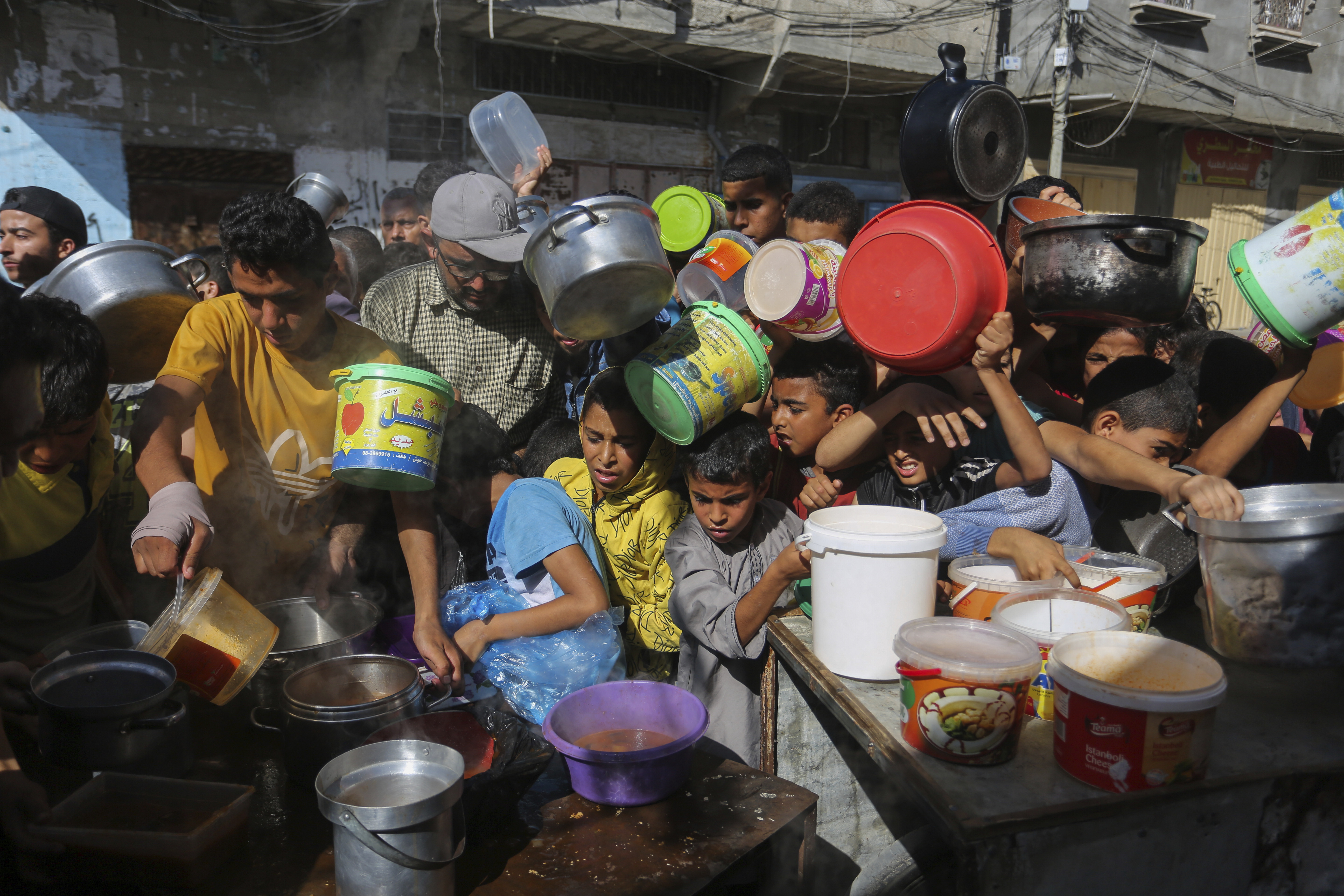
According to a UN update on Oct 14, more than 400,000 Palestinians “could be starved to death” due to the Israeli decision to bar humanitarian aid or goods from reaching northern Gaza.
The UN bulletin also reported that dozens of Palestinians trapped in the Jabalia refugee camp were forced to head to the main food supply center of the United Nations Relief and Works Agency for Palestine Refugees in the Near East (UNRWA) to secure food for their families.
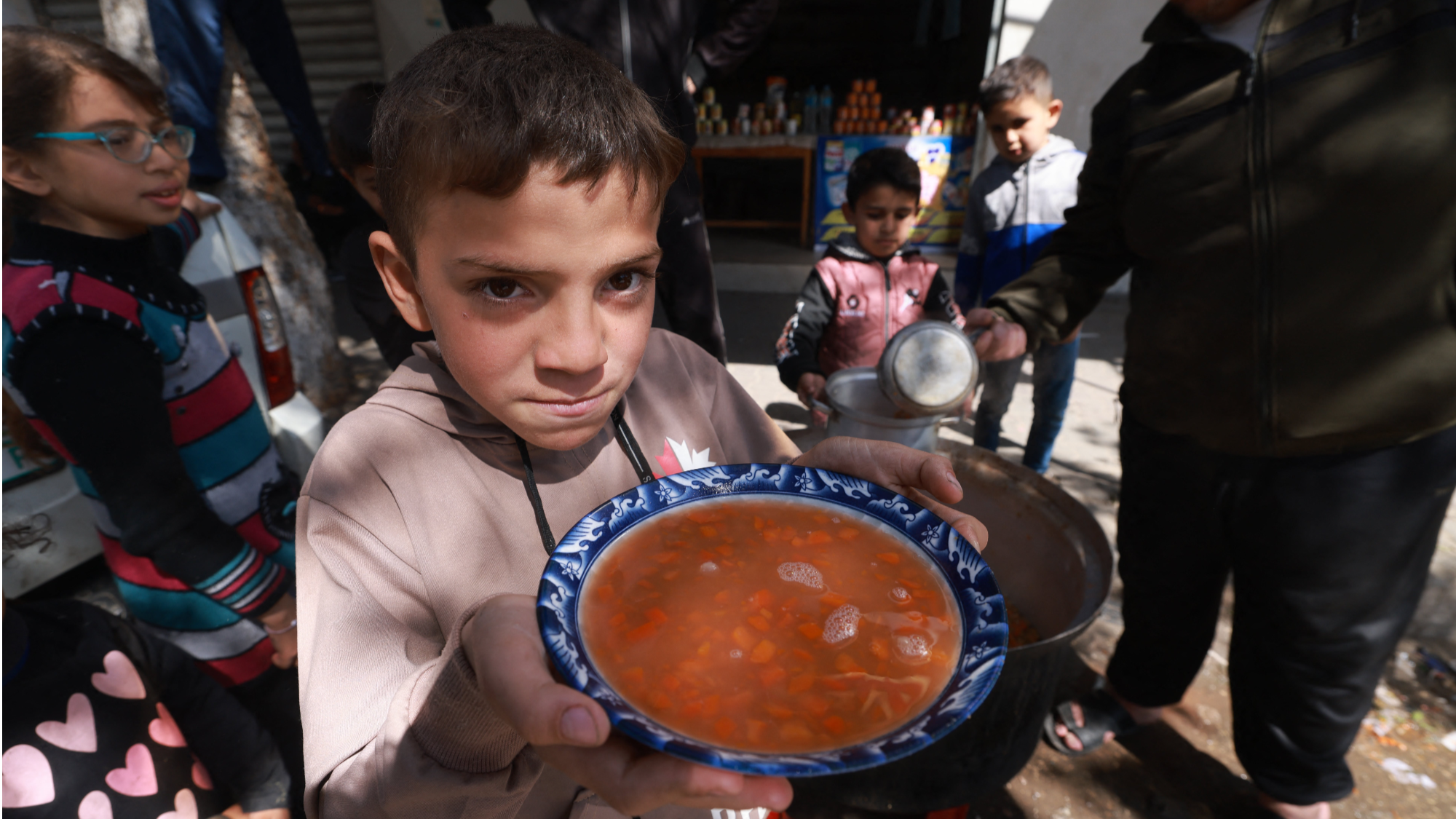
However, the Israeli army reportedly “targeted them with shells and quadcopter drones, killing 10 people and injuring at least 40 more”.
“The Israeli occupation has systematically targeted Gaza’s local food systems, destroying food sovereignty and the agriculture heritages of the region,” said Shahin. “The occupation employs many tactics that aim and force Palestinians to forgo their rights.”
She called for solidarity in continuously exposing Israel’s aggression; holding government and corporations accountable for “their role in this genocide and war of starvation” by boycotting those that “have been complicit in apartheid and war crimes”; and to support Palestinians to strengthen their food sovereignty.
“No matter what form of aggression they use and how long it takes, we remain steadfast in our commitment to resist, (staying) united (against) all of their tactics,” said Shahin.
ALSO READ: UN struggles to deliver humanitarian aid in Gaza
Abbas Milhem, executive director of the Palestine Farmers Union in the West Bank, told the webinar there was “renewed concern” over the escalating attacks carried out by Israeli settlers against Palestinian farmers. He said the attacks had increased four times since October last year.
“These attacks are not merely attacks on individuals – they are attacks on the economic, cultural and social lifeline of the Palestinian people,” said Milhem.
“We, as a farmers’ union, are expecting that the olive harvest this year will be bloody due to the increased and intensified settler attacks. Palestinian farmers are insisting to access, and resisting denial to access, their farmlands despite increasing attacks,” he said.
He also said that apart from the denial of access to land in more than 65 villages across the West Bank, the Israeli settlers were allegedly also stealing equipment used to harvest crops.
“We are calling (on) the world to impose sanctions and boycott” Israeli settlers, said Milhem.
Ghassan Makarem, from the AgriMovement in Lebanon, said displacement and “unfortunately the late reaction of donors” have put huge pressure on Lebanon.
He said a year ago they set up a community kitchen in south Lebanon when it was “relatively safe”. Since fighting intensified between Israel and Hezbollah, he said 2,000 hectares of land in Lebanon had been burned by Israel.
Makarem said up to 70 percent of Lebanon’s food comes from Syria via a crossing – Masnaa border crossing – which had been bombed recently by Israel.
READ MORE: UN experts point to Israeli use of ‘starvation’ in ‘genocidal violence’
“People are using it to flee to Syria from the bombings also. It’s only proof of what we saw as ecocide,” said Makarem.
He said it was important to consider reparations as an issue for discussion.
“However, we are not in a situation where we’re working with the global community ... the leadership of the global community is in full support of the genocide, and of course everything else that comes with the genocide. You see a massacre in the morning and someone like the German foreign minister supporting the targeting of civilians,” said Makarem.
He was referring to Germany’s Foreign Minister Annalena Baerbock who earlier justified Israel’s targeting of civilians in Gaza. She said ‘self-defense’ meant not only attacking terrorists but destroying them. When Hamas terrorists hide behind people, behind schools, Baerbock said, civilian places lose their protected status because terrorists abuse it.
Makarem said there is “very urgent need to reach a cease-fire – for the side of Israel to stop its aggressions on Lebanon and on Gaza immediately”.
