

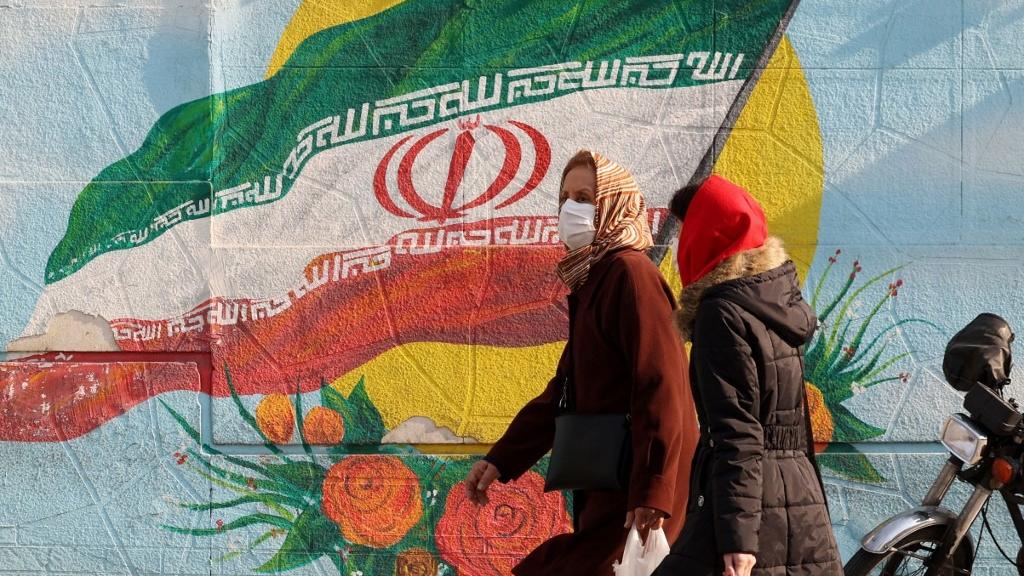
 Iranians walk down a street in the capital Tehran on Dec 28, 2021. (PHOTO / AFP)
TEHRAN - Iran's Passive Defense Organization on Saturday said the malware that caused the recent large-scale supply disruption in the country's fuel stations was identified.
Gholamreza Jalali, head of the organization, said his teams had managed to identify the invading malware to be an APT (Advanced Persistent Threat)," adding that the teams are "conducting careful examinations at labs," the semi-official Tasnim news agency reported.
ATP is a stealthy threat actor, typically a state or state-sponsored group, which gains unauthorized access to a computer network and could remain undetected for an extended period
ATP is a stealthy threat actor, typically a state or state-sponsored group, which gains unauthorized access to a computer network and could remain undetected for an extended period.
Jalali noted that the organization had detected some "vulnerability" in the online supply and payment system of the fuel distribution networks and was doing "security follow-ups."
ALSO READ: Official: Iran foiled 'massive cyberattack' on central bank
Saying the incident was very complicated, Jalali stressed that "we are currently resolving the problems, and the system will return to normal."
The National Iranian Oil Products Distribution Company said supply services were interrupted at more than 4,200 fuel stations across the country on Monday, reported Shana News Agency affiliated with the Iranian Oil Ministry, while the National Iranian Oil Refining and Distribution Company (NIORDC) confirmed that the disruption was due to the malfunction of the point-of-sale systems and online payment.
The NIORDC said in a statement that the technical fault had been caused by "enemies' conspiracies to impact Iranian people's welfare."
Israeli media reported on the same day that the Iranian fuel stations' "shutdown" was a result of a cyberattack by an Israel-linked hacker group dubbed "Gonjeshke Darande" or "Predatory Sparrow," which in 2022 claimed to have hacked a major steel company in southwestern Iran.
READ MORE: Iran hit by global cyberattack that left US flag on screens
Following that, Iran's Passive Defense Organization said it was still unable to verify if a cyberattack was to blame for the supply disruption.
Speaking on the sidelines of a cabinet meeting on Wednesday, Iranian Oil Minister Javad Owji said 88 percent of the country's fuel stations had been connected to the online smart system.
