

Partnership will enable Hong Kong developers access to AMD AI Developer Program and resources for first time, as the city hosts the first stop in China on the AMD AI DevDay World Tour.
AMD will become the first technology partner of Hong Kong Science and Technology Parks Corporation (HKSTP)’s new AI Developer Community, as the global leader in high-performance and AI computing expands its engagement with developers in Hong Kong and the Guangdong-Hong Kong-Macao Greater Bay Area (GBA).
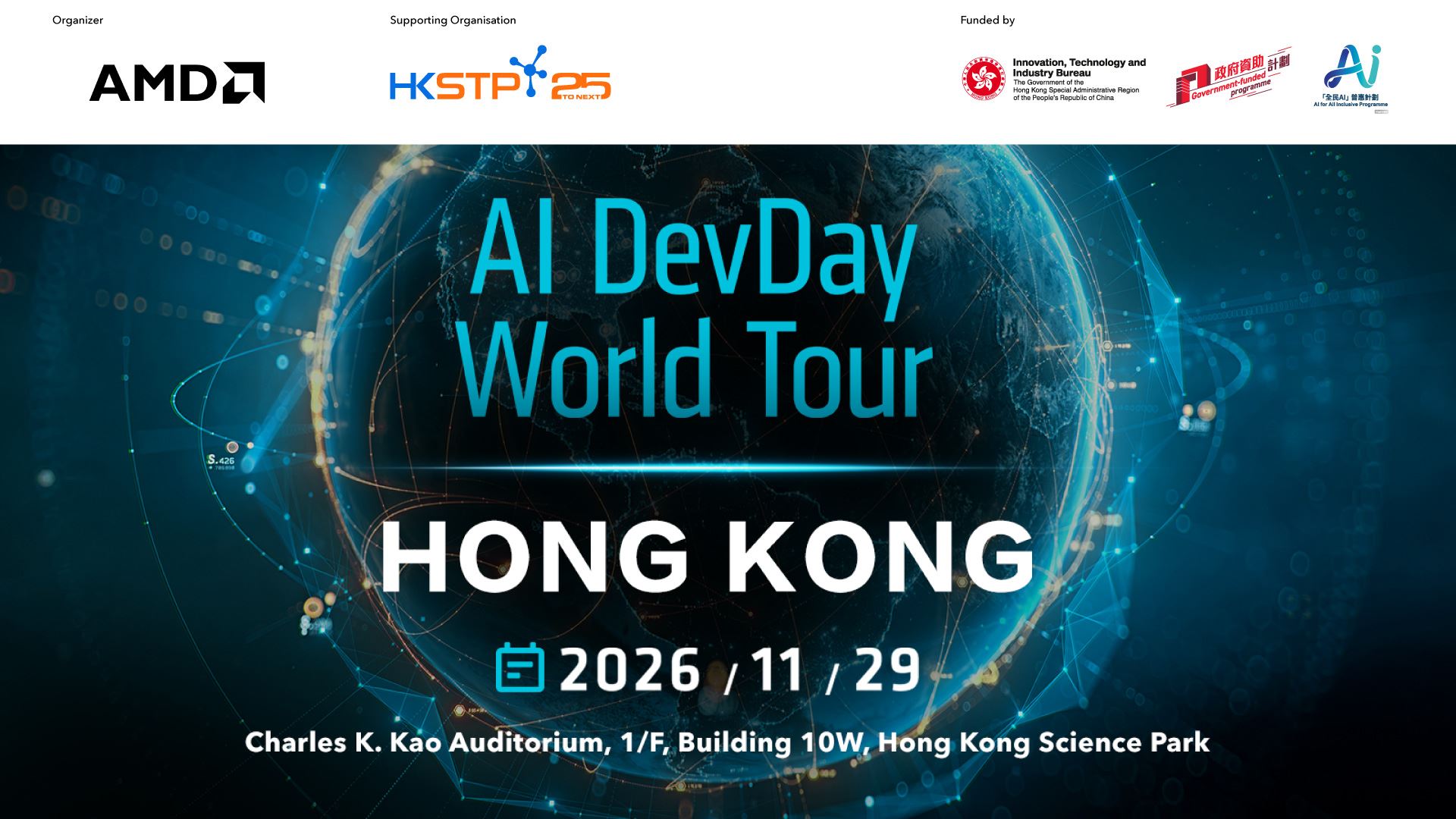
The partnership will be announced at the AMD AI DevDay World Tour at Hong Kong Science Park on November 29, the first China stop on the global tour.
Under the partnership, AMD will provide access to its open ROCm software ecosystem, Radeon Cloud GPU resources, AI model APIs, hands-on technical training, ROCm certification, and engineering expertise. HKSTP will bring together developers, startups, universities, and tech companies through monthly regular community activities.
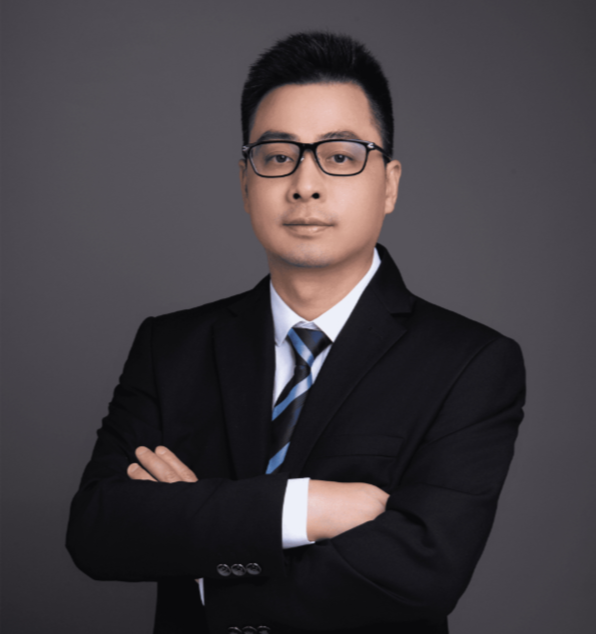
“Hong Kong is a strong starting point because it connects research talent, entrepreneurs and international businesses with the rest of the GBA,” said George Wang, director of AI software product engineering at AMD.
“For AMD, that creates an opportunity to help developers turn AI ideas into applications that people can use.”
The initiative is intended to fill a gap between formal AI training and the day-to-day work of building products. HKSTP has already launched the Talent Foundry programme, under the HKSAR Government’s “AI for All” program, offering more than 5,000 training places since July to advance AI literacy.
The new community will also draw on HKSTP’s broader AI ecosystem, which brings together more than 450 AI companies, a HPC-as-a-Service infrastructure, and a strong network of universities, industry leaders and investors that help innovators translate ideas into real-world businesses.
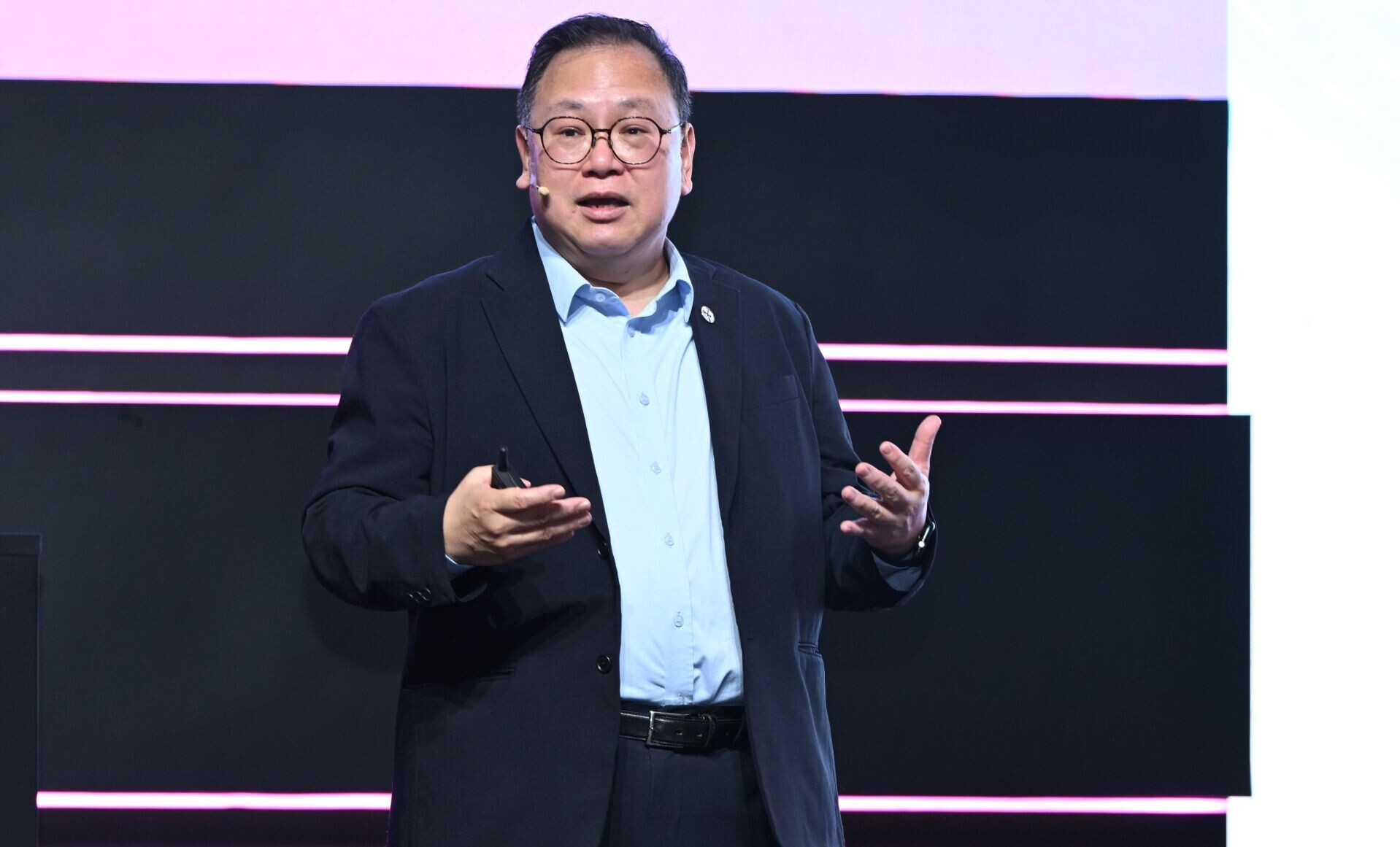
“What Hong Kong still lacks is the layer beyond the classroom, an informal, practitioner-driven setting where AI developers can sharpen their technical capabilities hands-on, exchange views and grow together as a community,” said Charleston Sin, head of AI and data at HKSTP.
Unlike typical lectures, each monthly session will focus on a real engineering problem. Developers and start-ups will form the core of the community, with HKSTP providing the venue and tech partners contributing engineers, tools and expertise. AMD will take the first turn.
AMD’s open ROCm software platform enables developers to train, fine-tune, optimize, and deploy AI models on AMD GPUs. Through the AMD AI Developer Program, developers can access AI Academy courses, hands-on workshops, technical resources, and engineering support. Eligible members can also receive Dev Cloud (GPUs) credits and AI model API credits, enabling them to experiment and build applications without investing in dedicated GPU infrastructure.
Developers already working with PyTorch can transfer many of those skills directly to ROCm, said Wang. For smaller companies, an open software stack can also reduce duplicated engineering work and leave more options if customers later want applications deployed on their own infrastructure.
The approach will soon intersect with another HKSTP initiative. OPC BUILD, which begins on November 24, targets one-person companies (OPCs) using AI agents to handle functions such as content, analysis, service delivery and code generation.
Mentors will give participants industry problems to solve, with outstanding teams fast-tracked into HKSTP’s Ideation Programme.
Compared with mainland OPC communities with strengths in low cost and scale, Hong Kong’s proposition, instead, combines highly ranked universities, intellectual-property protection, free capital flows and international connections with the GBA’s supply chains and manufacturing base.
“We see more value in connecting and complementing each other than in competing,” Sin said. “Hong Kong-based OPCs can tap mainland supply chains and talent, and validate products in mainland scenarios, while keeping Hong Kong as their international springboard for overseas clients and investors.”
Physical AI will be another focus. Following a Physical AI Hackathon at HKSTP in August and the launch of an AI hardware launchpad with Avnet, HKSTP sees opportunities in logistics, construction, healthcare and retail, where AI systems can be tested against real-world tasks.
At DevDay, AMD will showcase practical Physical AI development through hands-on workshops covering robotics simulation, AI model fine-tuning, and reinforcement learning. Using AMD Radeon Cloud GPUs and the ROCm software platform, developers will explore how robotic systems can be trained and evaluated in simulated environments, helping accelerate the development of real-world robotics applications.
The community is also intended to advance the vision of “AI for All” by helping participants move beyond AI literacy into practical AI development, deployment and innovation. It will provide a talent layer beneath Hong Kong’s broader “AI+” industrial strategy and the new AI R&D Institute.
“The Government’s ‘AI+’ strategy sets the direction and the AI R&D Institute anchors upstream research, but both only create value when there are people who can build and deploy,” said Sin.
HKSTP will judge progress less by course completions than by whether participants can apply their skills to industry problems.
By the end of 2027, Sin said, success would mean a stable monthly community, some OPCs progressing into the Ideation Programme and industry partners beginning to adopt their solutions.
“Beyond participation in workshops, I hope to see more developers earning ROCm certifications, building AI applications on AMD platforms,” said Wang, “contributing to open-source projects, and sharing their expertise with the wider open- source communities.”
Innovation and Technology Special
