

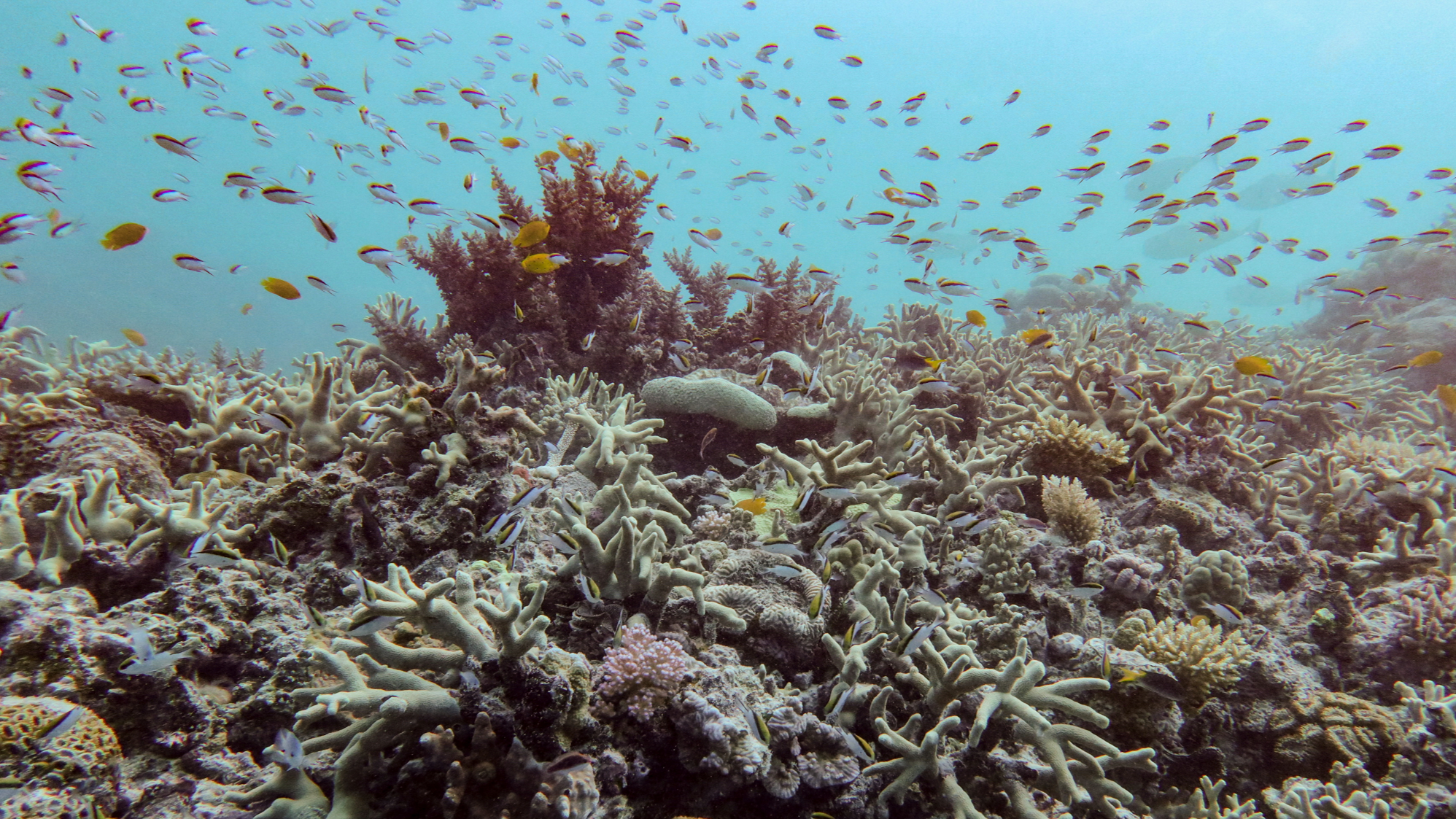
SYDNEY — The unprecedented frequency of coral bleaching events has changed species composition on the Great Barrier Reef and shifted how the reefs respond to climate extremes, according to Australian research.
The study found that five mass bleaching events between 2016 and 2024 had transformed coral abundance and diversity, with different recovery periods producing contrasting responses to heat stress, according to the study published Monday in Current Biology.
ALSO READ: Bleaching, cyclones drive coral decline across northern Great Barrier Reef
The study found that having three to four bleaching events since 2016 in the far northern part of the reef has inhibited coral recovery, resulting in relatively low levels of bleaching and coral mortality in 2024, according to a summary of the study on the Australian Science Media Center website on Tuesday.
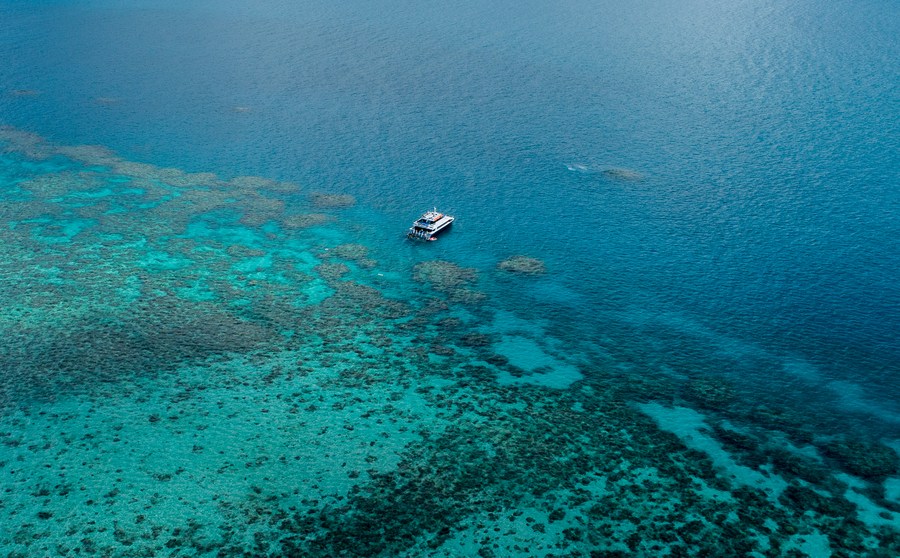
By contrast, central and northern parts of the reef, which had experienced longer recovery periods of seven to eight years since their last major bleaching event, saw an increase in fast-growing but heat-sensitive coral species, the study showed.
READ MORE: Australian PM commits new funding for Great Barrier Reef Aquarium
These regions experienced severe bleaching and coral death in 2024, comparable to declines in relatively intact southern reef communities, where heat stress was up to twice as extreme, according to the study.
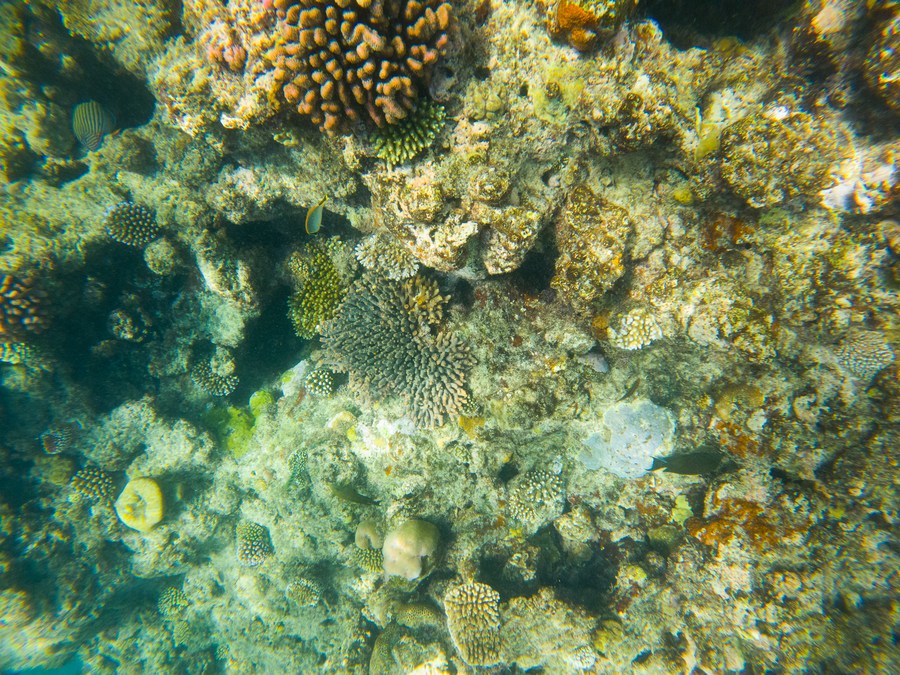
The researchers said the findings showed that bleaching history and composition were increasingly influencing the resilience of the Great Barrier Reef, with rapid changes in coral composition sometimes favoring the species most susceptible to damage.
