

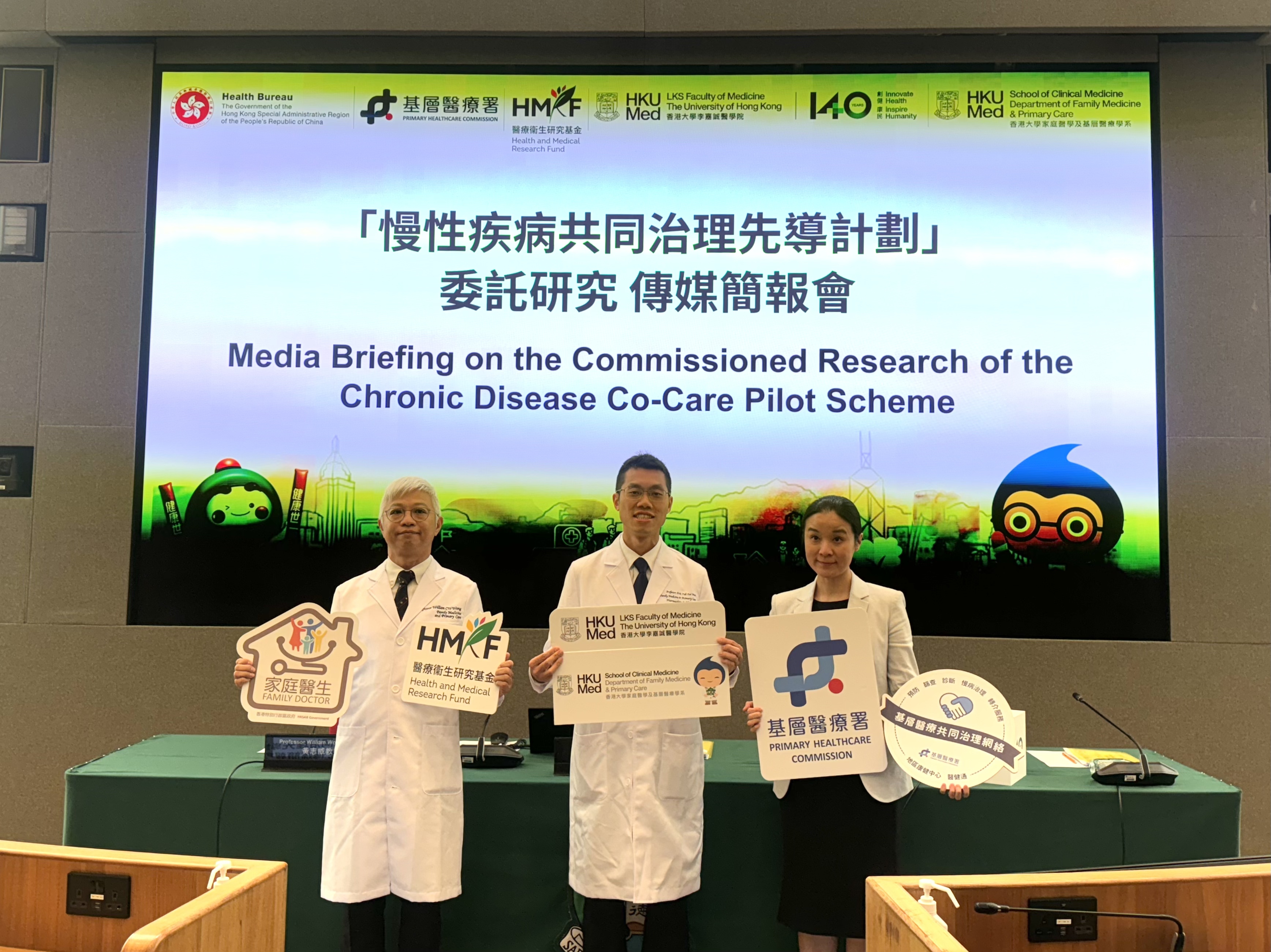
A total of 5,950 people newly diagnosed with diabetes, hypertension or pre-diabetes have shown marked improvement in their health across multiple disease indicators after receiving a year of multidisciplinary care and follow-up services under a government-run program.
Buoyed by the encouraging results revealed on Monday, medical experts and patient representatives urged all eligible residents to undergo screening through the Chronic Disease Co-Care Scheme, saying early intervention would significantly cut the incidence and complications of multiple chronic diseases.
Launched in 2023, the initiative is aimed at providing screening and long-term clinical management for patients with diseases like hypertension, diabetes and chronic hepatitis B through public-private collaboration. Originally a pilot program, it was regularized in March this year and incorporated into the city’s primary healthcare network.
So far, more than 300,000 people have enrolled for the program. Among 160,000 who had completed screening, nearly 40 percent were diagnosed with diabetes, hypertension or pre-diabetes, according to data presented at a news conference on Monday held by the University of Hong Kong’s Li Ka Shing Faculty of Medicine.
A research team from the medical school commissioned by the government to evaluate the program’s performance said the data of 26,990 participants who had completed screenings by June 30, 2024 has been analyzed.
Significant improvement in key cardiovascular and metabolic indicators has been recorded among 5,950 newly diagnosed patients after health management and follow-up care.
Eric Wan Yuk-fai – an associate professor and chief of research at HKU’s Department of Family Medicine and Primary Care -- said participants with pre-diabetes symptoms have shown marked improvements in their weight and cholesterol-related indicators after 12 months, with a significantly higher likelihood of meeting weight targets.
From a long-term health perspective, William Wong Chi-wai, clinical professor and chairperson of HKU’s Department of Family Medicine and Primary Care, said the multidisciplinary management network involving district health centers and family doctors has shown clear benefits.
He said the program would significantly lower risks of death among patients with chronic diseases. By managing relevant health indicators, complications, such as stroke and heart failure, could also fall by about 10 percent in the next decade.
A 51-year-old Mong Kok resident surnamed Chu, who was diagnosed with diabetes after screening, said his blood sugar levels, energy and fitness have markedly improved after undergoing health management under the program.
The biggest change came in his exercise habits, he said, praising medical experts’ detailed advice on matters like diet. Noting the arrangements are convenient for residents, he urged those eligible to join early.
Esther Yu Yee-tak, a consultant overseeing service standards and research management at the Health Bureau’s Primary Healthcare Commission, called the evaluation findings “encouraging”, saying the program aims to serve 700,000 residents within five years.
The authorities will continue to expand the program to cover more chronic diseases, she said, hoping to bring more effective care for patients.
