

Five years on, China’s GDI stands as a landmark endeavor delivering tangible benefits across the world, especially the Global South

For Md. Hasan, a 20-year-old in Chattogram, Bangladesh, a three-month computer course opened up the possibility of running his own business.
Raised by his grandparents in a low-income household, Hasan worked as a helper at a printing shop. He wanted better opportunities but lacked the technical skills to pursue them.
After receiving the training, he secured a job at a photocopy shop. He is now preparing to open a digital service and photocopy center in his community, offering printing, computer assistance and online services. He hopes the business will support his family and eventually create jobs for other young people.
“This training has given me valuable digital skills and the confidence to pursue my dreams,” the United Nations Development Programme quoted Hasan as saying in a report on its website.
The training was provided through a project called Livelihoods Support for Urban Poor Communities in Bangladesh, which receives support from the China International Development Cooperation Agency through the agency’s Global Development and South-South Cooperation Fund.
The fund is one of the financing mechanisms supporting China’s Global Development Initiative, or GDI, which marked its fifth anniversary last month.
At a China-hosted dialogue marking the anniversary at UN headquarters in New York on Sept 25, President Xi Jinping called on all parties to work together to advance the initiative and translate the vision of the UN Sustainable Development Goals into tangible improvements in people’s lives, as Beijing has helped build the GDI into a platform for practical development cooperation that brings countries, UN agencies and resources together.
Xi said in a congratulatory letter to the event that development is the eternal theme of human society and key to people’s well-being.
He proposed the GDI in a video address to the general debate of the 76th session of the UN General Assembly on Sept 21, 2021.
In his letter, he said the initiative was intended to promote international development cooperation, reinvigorate global development and accelerate implementation of the UN 2030 Agenda for Sustainable Development.
Amid accelerating changes unseen in a century, people across the world are increasingly eager for development, Xi said.
As the world’s largest developing country and part of the Global South, China is ready to work with others to pursue people-centered development and make new and greater contributions to building a community with a shared future for humanity, he added.
The initiative is guided by six principles: prioritizing development, taking a people-centered approach, ensuring benefits for all, pursuing innovation-driven development, promoting harmony between humanity and nature, and pursuing results-oriented action. Its areas of cooperation include poverty reduction, green development, industrialization, the digital economy and connectivity.
In June 2022, Xi announced that China would upgrade its South-South Cooperation Assistance Fund into the Global Development and South-South Cooperation Fund and add $1 billion to the $3 billion already committed.
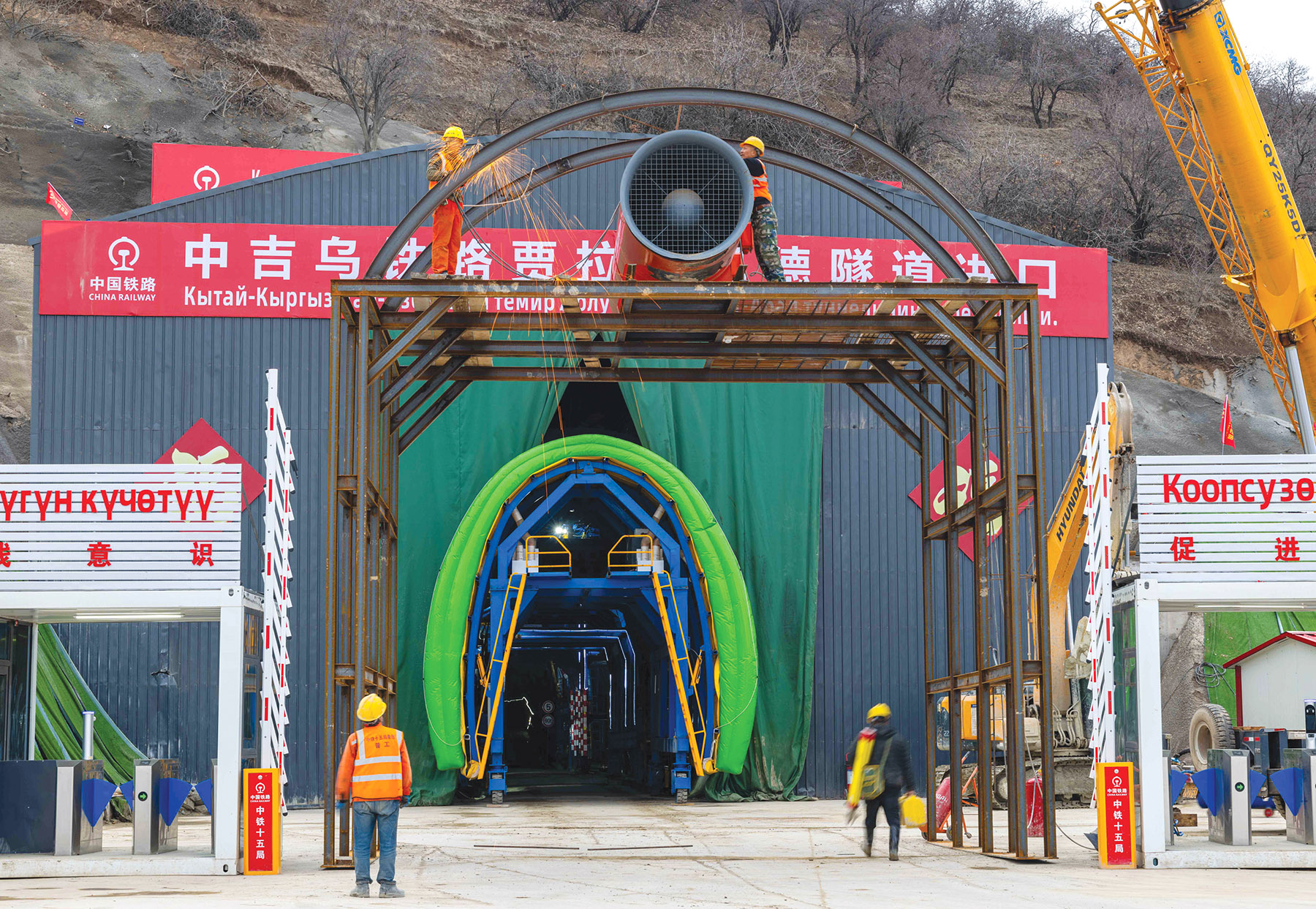
China and its partners have implemented more than 2,000 projects and provided training for more than 200,000 professionals since the GDI was launched, benefiting people in more than 120 countries, Xi said at the recent 18th BRICS Summit in India’s capital, New Delhi.
According to China’s Foreign Ministry, more than 130 countries and international organizations have expressed support for the GDI and participated in related cooperation. Nearly 100 countries and international and regional organizations have signed GDI cooperation documents with China.
The Group of Friends of the Global Development Initiative has expanded to 88 countries, while more than $23 billion has been mobilized through the China-UN Peace and Development Fund, the Global Development and South-South Cooperation Fund and other funding initiatives.
Supporting those partnerships are more than 30 cooperation mechanisms and platforms established by China to strengthen developing countries’ capabilities. More than 20 development agencies also participate in the UN task force supporting implementation.
Looking ahead, Vice-President Han Zheng said at the Sept 25 dialogue in New York that China is ready to contribute funding to the China-UN Trust Fund Project for Statistical Capacity Development to help developing countries measure and monitor progress toward the Sustainable Development Goals.
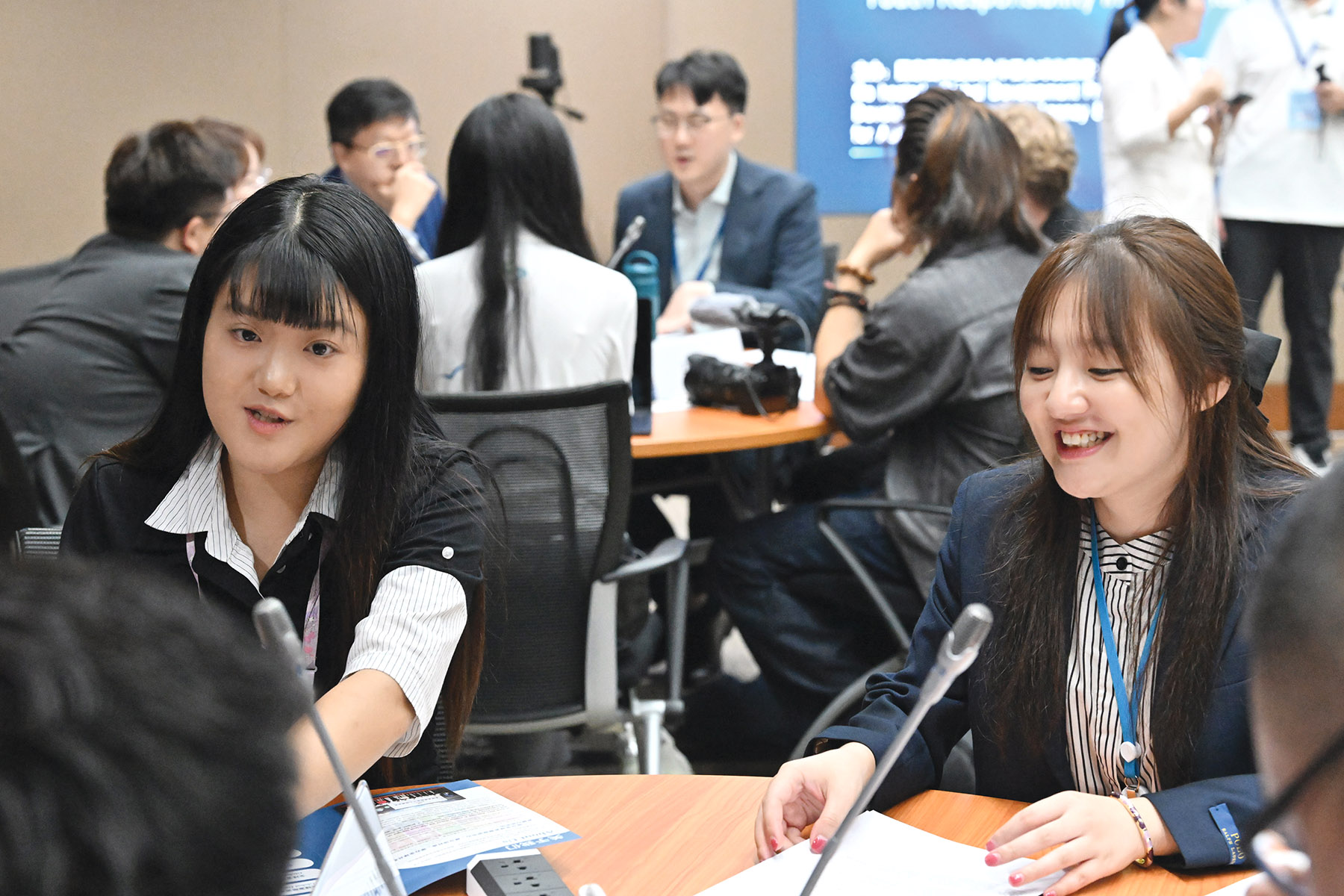
He also announced a program to train 10,000 engineers for developing countries over the next five years in fields including transportation infrastructure and information and communications technology. Han proposed expanding GDI cooperation in artificial intelligence, the digital economy, new energy, and disaster prevention and mitigation.
Han called for strengthening the Group of Friends and the UN task force, using bilateral, multilateral and trilateral cooperation to combine their strengths.
Former Egyptian prime minister Essam Sharaf noted that the GDI has helped restore attention to development amid conflicts and successive crises.
“Development should not become a victim of these conflicts, but should remain a shared priority for the international community,” Sharaf, founder and chairman of the Sharaf Foundation for Sustainable Development, told Xinhua News Agency.
The emphasis on inclusive development also helps explain the initiative’s growing support, according to Abbey Makoe, founder of the Global South Media Network. Writing for Independent Online, a South African news website, he described the GDI as “a magnet for global cooperation based on peaceful coexistence”.
In Burkina Faso, cooperation with China reflects the GDI’s principles by responding to national development priorities, wrote Nadege Yameogo, a journalist with the country’s national newspaper Sidwaya, in a commentary.
She pointed to Chinese support for agriculture as contributing to Burkina Faso’s pursuit of food sovereignty, and to solar energy projects as supporting energy independence and a green transition suited to local conditions. She said the GDI’s broader results demonstrated the credibility of China’s approach: clear commitments followed by concrete action.
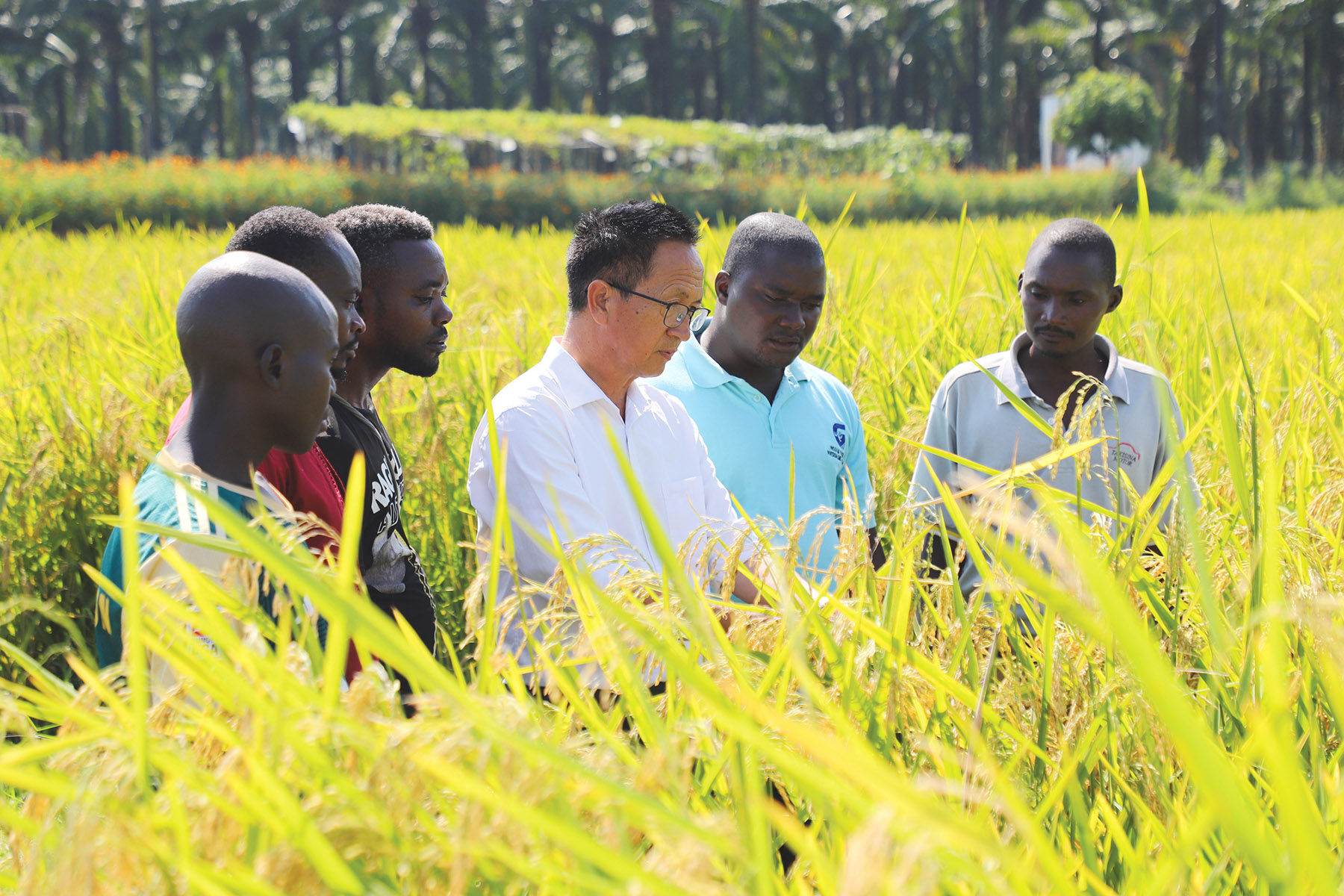
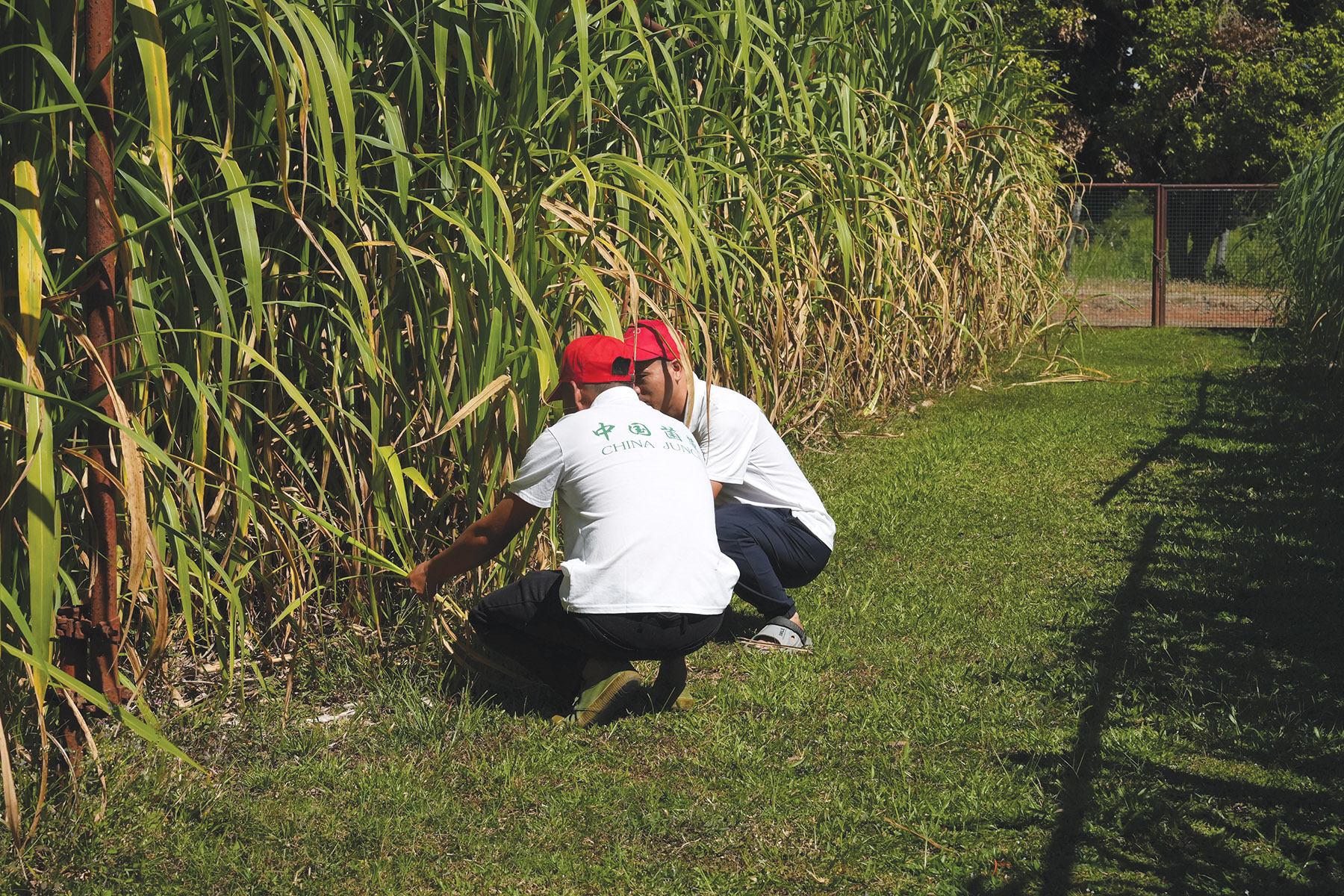
In Fiji, cooperation on Juncao technology, which was developed by China and uses grass to grow edible mushrooms, is helping farmers grow mushrooms and produce livestock feed using grass. The China-Fiji juncao project provides training and planting materials to help farmers apply the technology. By March last year, more than 2,800 people had received training, according to Fiji’s Ministry of Agriculture and Waterways.
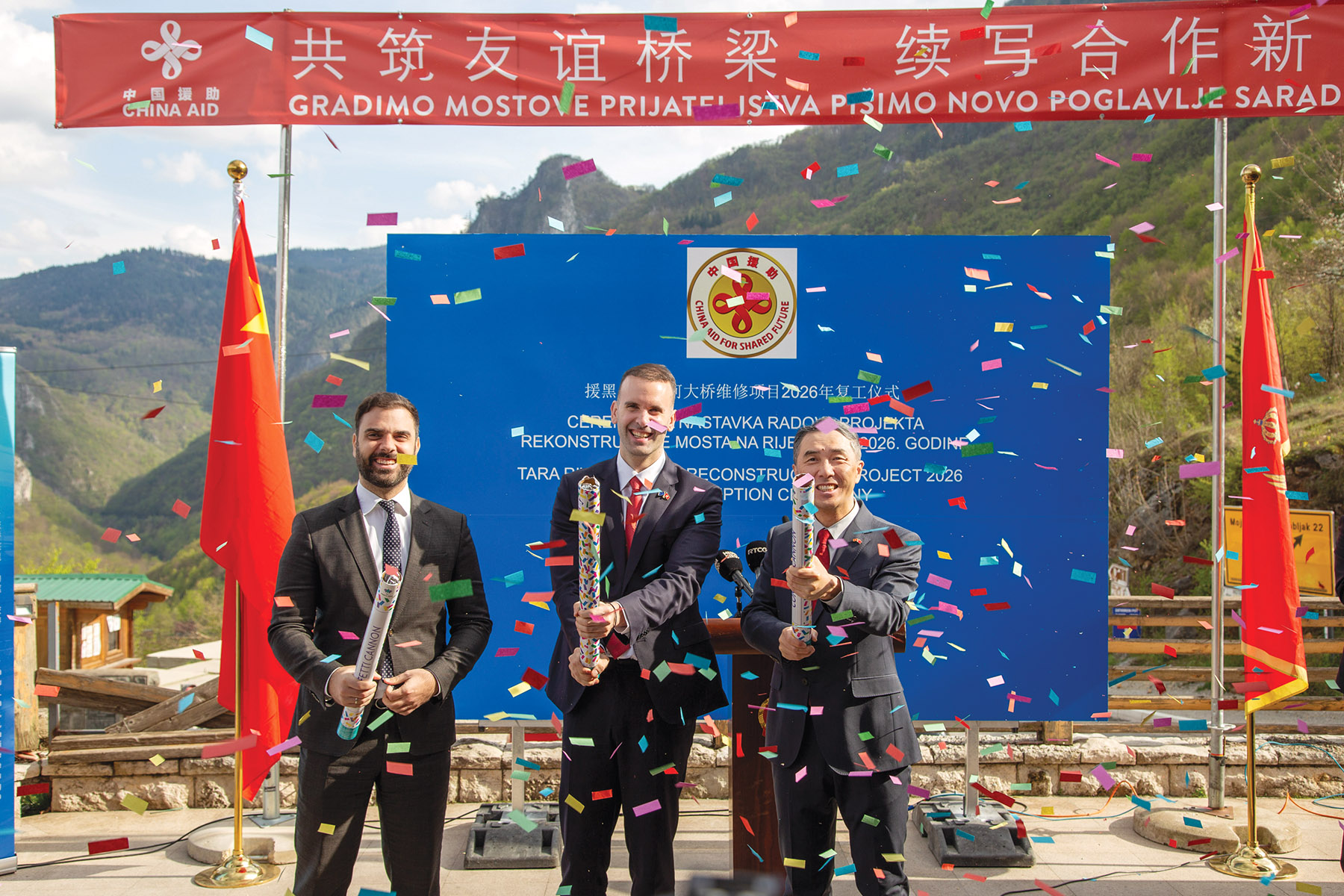
Protecting development gains from climate risks is another key focus. At the Sept 25 dialogue, Maldivian Vice-President Hussain Mohamed Latheef said his country values China’s commitment to the GDI and remains committed to advancing its objectives, according to the Maldivian President’s Office.
Noting that unsustainable debt and climate change hinder development in small island states, he said, “We support stronger international cooperation on capacity-building, technology transfer and knowledge-sharing.”
Cooperation under the GDI helps countries strengthen disaster preparedness and gain access to scientific data. The MAZU early warning platform, developed by the China Meteorological Administration, supports meteorological warnings and disaster prevention and mitigation in the Global South, while the Sustainable Development Science Satellite 1 provides shared data to support sustainable development.
For Kyrgyz Ambassador to China Aktilek Musaeva, access to technology needs to go hand in hand with building the expertise to use and develop it.
“For Kyrgyzstan, as a developing country, cooperation aimed at improving infrastructure and transport connectivity, enhancing investment capacity, advancing technology and developing human capital is especially valuable,” she said.
Regarding AI cooperation with China, she said, “We are interested not only in adopting ready-made technological solutions, but also in developing our own capabilities — from training specialists and advancing scientific cooperation to creating practical applications for public administration and the real economy.”
At the Shanghai Cooperation Organization Summit in Bishkek, Kyrgyzstan, on Sept 1, President Xi identified the SCO as a priority area for implementing the GDI. He announced plans to establish an international AI application cooperation center with other SCO countries and jointly implement 100 technological cooperation projects over the next three years.
Such engagement shows how China’s industrial and technological advances are creating development opportunities in other countries through industrial cooperation and capacity building under the GDI, said Li Kaisheng, vice-president of the Shanghai Institutes for International Studies.
“China is providing not only new products, technologies and industries, but also new pathways for development and opportunities to put innovation into practice,” Li said.
Sustaining that progress requires closer coordination among major countries and stronger multilateral cooperation, he said. “The international community must increase, rather than scale back, its investment in development,” Li added.
Cuban Foreign Minister Bruno Rodriguez Parrilla described the GDI as a model of cooperation that reflects the development priorities of the Global South. He said it has contributed to participating countries’ development goals even as unilateralism and threats to peace have complicated their efforts.
“This initiative offers China and the Global South an opportunity to strengthen international cooperation that benefits those who need it most, and is consistent with the need to design and promote a just and equitable international order,” Rodriguez said.
Nepalese Foreign Minister Shisir Khanal identified renewable energy, resilient infrastructure, disaster preparedness and human resource development as some of the areas in which Nepal saw scope for GDI cooperation.
“We particularly value cooperation that strengthens productive capacity, facilitates knowledge and technology transfer, develops skills and enables countries to expand opportunities through their own capabilities,” Khanal said.
He also welcomed the GDI’s growing engagement with the UN system, saying the UN’s development expertise can help connect such cooperation with the Sustainable Development Goals and national priorities.
Zhang Minlu in New York contributed to this story.
Contact the writers at zhaojia@chinadaily.com.cn
