

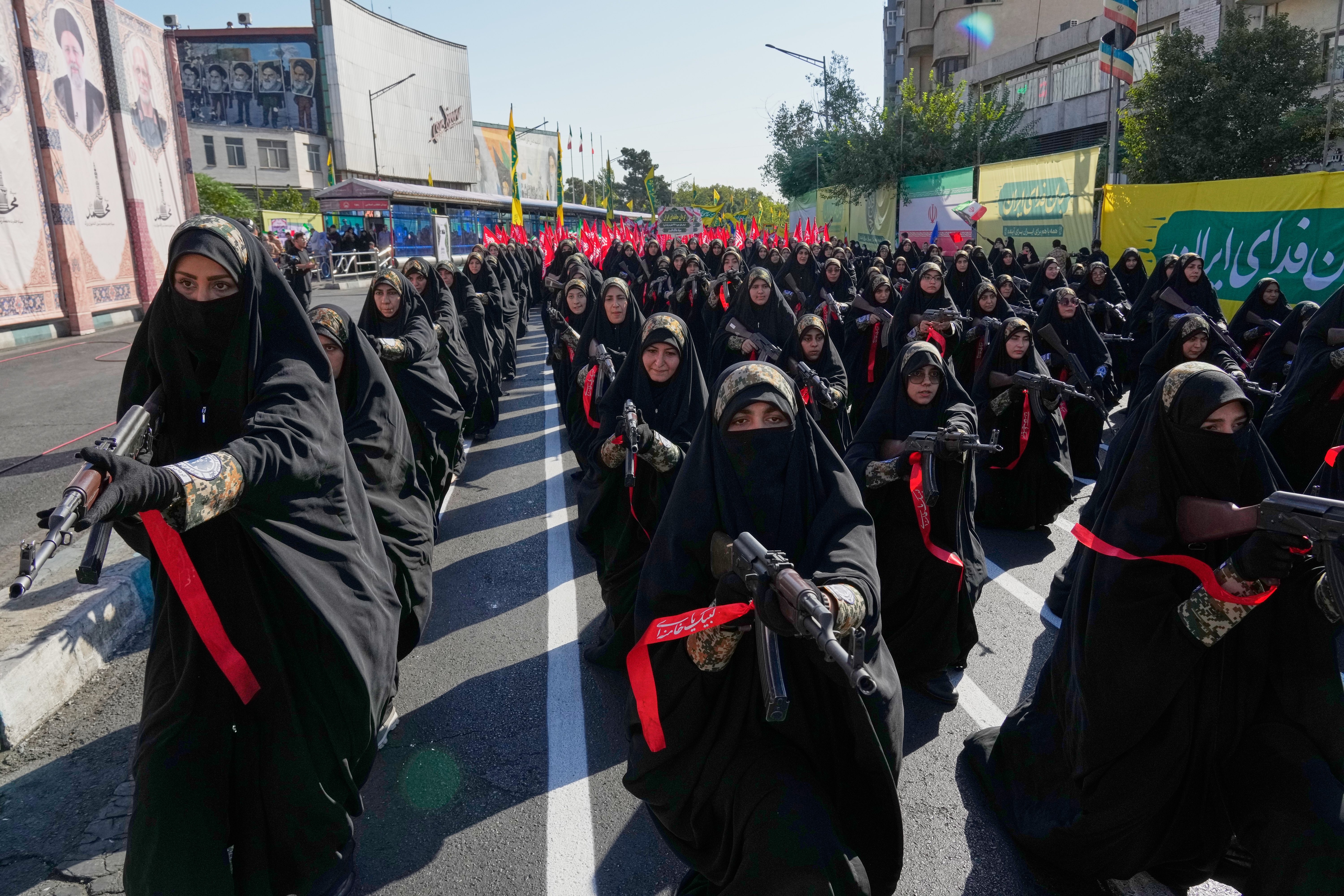
TEHRAN/DOHA – Iran's main military command, Khatam al-Anbiya Central Headquarters, on Sunday warned that if the United States and certain countries in the Middle East make any mistake, they will be targeted by "painful" strikes.
The headquarters said in a statement carried by Iranian media that it has intelligence indicating that Washington decided at a recent meeting in Europe to resume actions against Tehran with the backing of certain regional countries.
It warned that if the United States makes any mistake against Iran, all its bases and interests in the region would be targeted by "continuous, effective and painful strikes without any limitation or reservation".
The headquarters also warned that if regional states continue what it called their double-standard policy toward Iran and align themselves with the US "aggression", they could "no longer expect restraint or forbearance from Iran's powerful armed forces".
The warning followed a reported meeting in Germany of top military commanders from the United States, Israel and several Arab states, including Saudi Arabia, the United Arab Emirates, Bahrain, Kuwait, Qatar, Jordan and Egypt, to discuss the conflict with Iran and regional tensions.
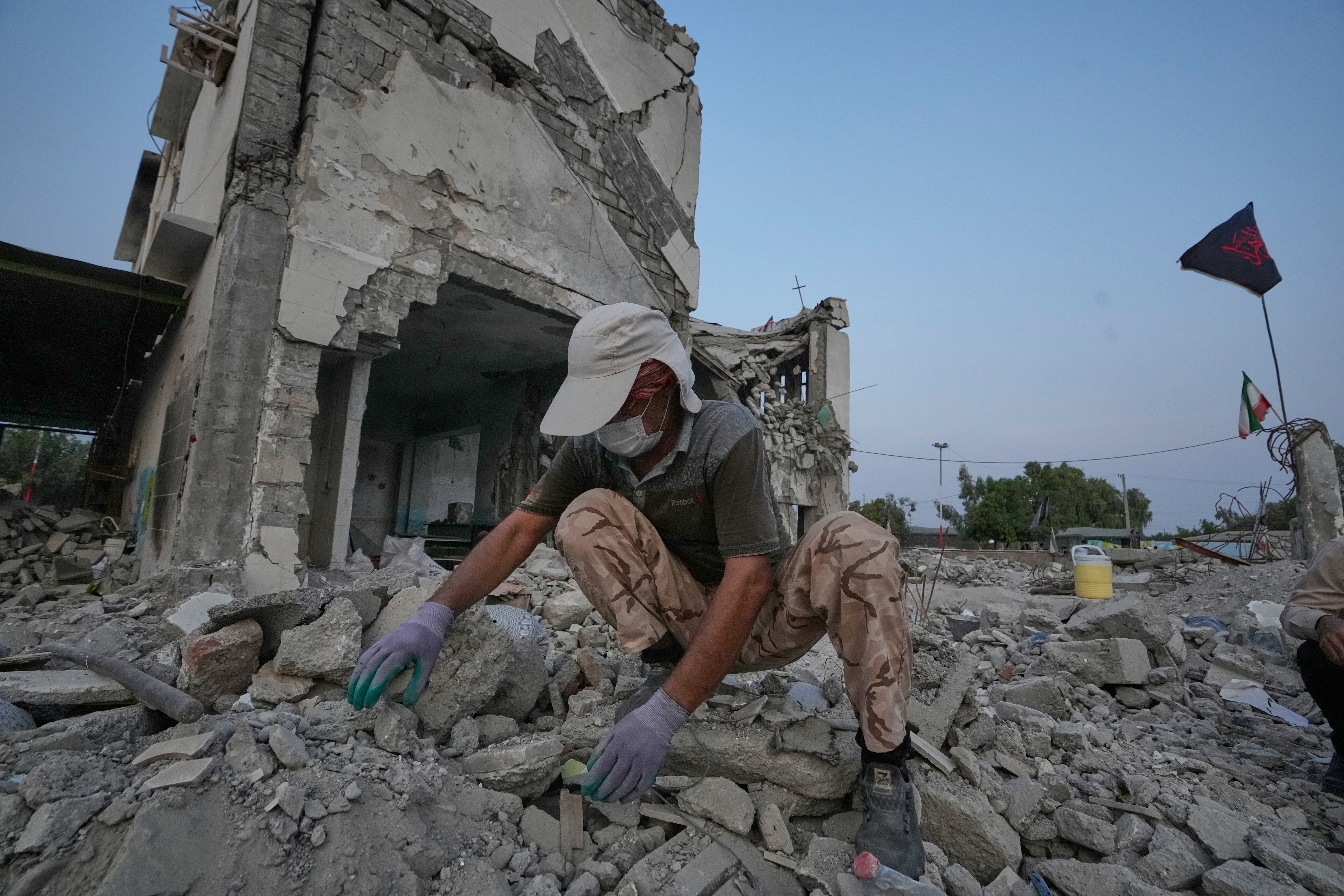
Citing two Israeli officials, US news outlet Axios reported on Tuesday that US Central Command chief Brad Cooper, who convened the meeting, reassured the group that "the US military would not withdraw from the region despite Iranian attacks on US bases," and briefed them on plans to expand ship traffic in the Strait of Hormuz.
Also on Sunday, Iran's Parliament Speaker Mohammad Baqer Qalibaf said there would be no chance for a return to the previous state of negotiations on ending the conflict in the region or reopening the Strait of Hormuz unless Washington meets Tehran's conditions, recognizes the Iranian nation's "legitimate" rights, and fulfills its obligations.
Qalibaf said that Tehran's conditions had been conveyed to Washington through mediators.
ALSO READ: Iran conflict 'hopefully' nearing end, Trump says
On June 18, the United States and Iran signed a memorandum of understanding (MoU) on ending the conflict in the region on all fronts, including Lebanon. Under the MoU, they were scheduled to hold negotiations within 60 days, a deadline that expired on Aug 17, to reach a final agreement, but the talks' fate remains unclear amid recent escalations.
Following US-Israeli strikes, Tehran restricted passage through the Strait of Hormuz, while US forces imposed a naval blockade on vessels traveling to or from Iranian ports.
Qatar says US wants deal with Iran
Meanwhile, Qatar is working with the United States and Iran to resume talks, Qatari Foreign Ministry spokesperson Majed Al Ansari said Sunday, noting that US officials have indicated that Washington wants a deal.
Speaking on the sidelines of the Qatar Economic Forum in New York, Al Ansari said Qatar had been exchanging ideas with Washington and Tehran over the past few weeks in an effort to restart negotiations.

"We have been working together through our mediator team with both Tehran and the United States to see if we can get it restarted again. A lot of ideas have been thrown back and forth," Al Ansari said, adding that Qatar was trying to "bridge the gap and find the right moment to move forward".
"We have heard statements on the record from various administration officials who have confirmed that the United States wants a deal, and the United States wants a solution to this war," he said.
READ MORE: Report: Trump says he is approaching major crossroads in Iran war
Al Ansari said any settlement should provide regional stability while establishing an international understanding to protect strategic waterways, including the Strait of Hormuz.
"Open the strait, stop the war. These are the two main objectives of everything that we're doing right now," he added.
Egyptian president, CIA chief discuss regional issues
In Cairo, Egyptian President Abdel-Fattah al-Sisi held talks with visiting US Central Intelligence Agency (CIA) Director John Ratcliffe on Sunday to discuss regional developments in Iran, Gaza and Sudan, the Egyptian presidency said in a statement.
During the meeting, Sisi reaffirmed Egypt's support for efforts toward "a comprehensive agreement that resolves the Iranian crisis", saying it would help restore regional security and stability and ensure freedom of international navigation, according to the statement.
