

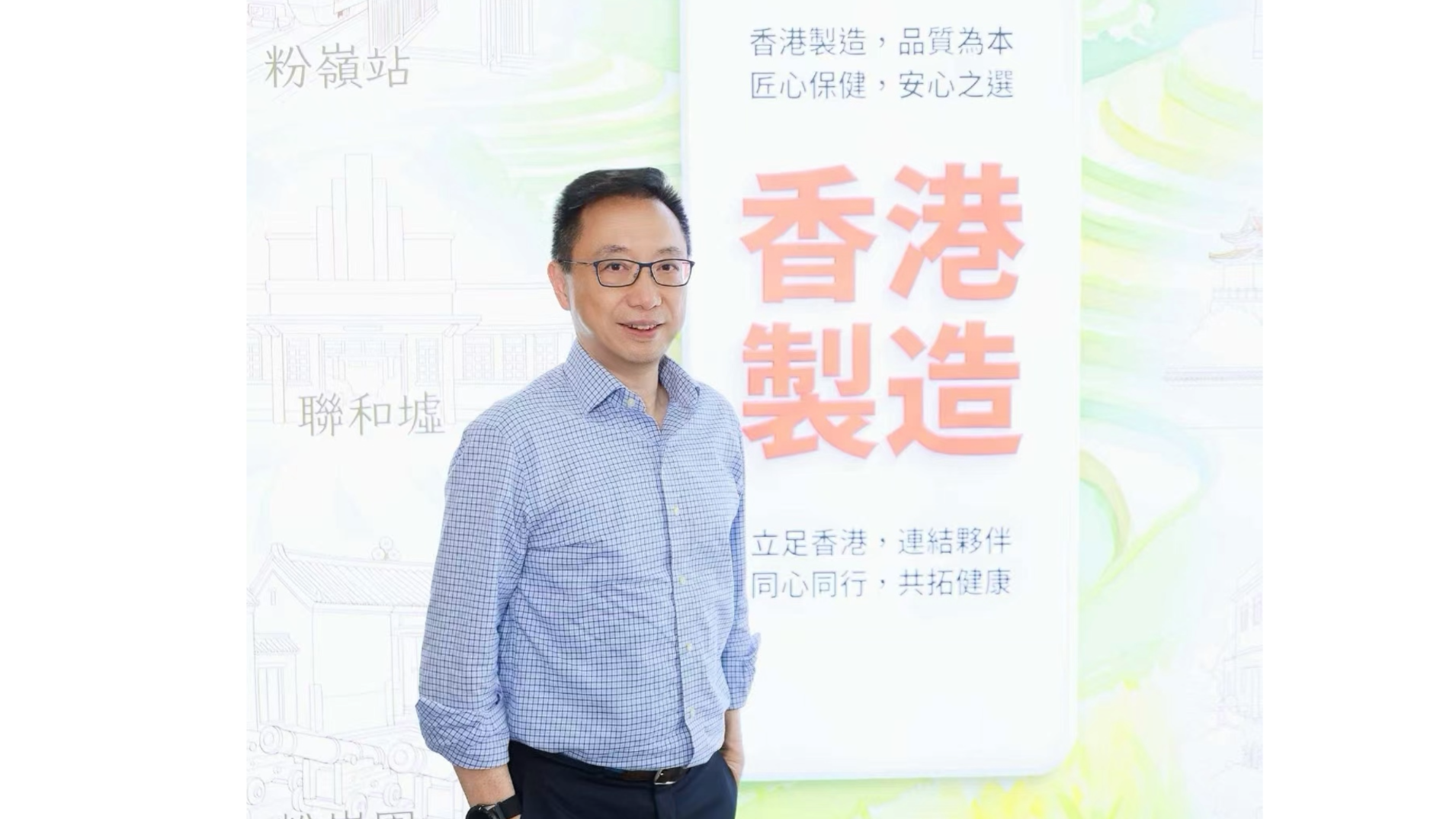
With an efficient dual-track healthcare system that bridges Eastern and Western medical practices, the Hong Kong Special Administrative Region has the potential to contribute significantly to the “Healthy China” initiative in the national 15th Five-Year Plan (2026-30), according to prominent medical doctor Chiang Chun-yuan.
For over a decade, Hong Kong SAR has maintained the world's highest life expectancy at birth, with government statistics showing averages of 83 years for men and 88 years for women. Under the national health plan within the 15th Five-Year Plan (2026–2030), China aims to increase its average life expectancy from 79.25 years in 2025 to 80 years by 2030.
In an interview with China Daily, Chiang, vice-chairman of the Centre for China and Globalization Hong Kong Council and an adviser to the University of Hong Kong’s School of Chinese Medicine, said the core value of the longevity healthcare market is optimizing "health span" — the period of life spent in good health — rather than merely extending lifespan. “The goal is to help people live healthily into advanced age without suffering through years of decline marked by uncertainty, side effects, and emotional distress,” he said.
Chiang added that "inflammatory aging" is a key challenge, characterized by chronic, low-level inflammation that develops with age. Unlike acute inflammation, which is a temporary immune response, this inflammation gradually damages tissues, accelerating functional decline and increasing the risk of chronic age-related diseases.
Chiang believes that the global dietary supplement market should expand beyond generic nutritional products to include targeted therapies. These therapies should aim to suppress chronic inflammation, restore internal balance, and address the fundamental causes of aging.
China's population is aging rapidly, with the number of people aged 60 and above projected to exceed 400 million by 2035. China Silver Economy Development Report estimates the value of the mainland's silver economy at around RMB 7 trillion ($1.04 trillion), representing about 6 percent of the country's gross domestic product. Healthcare expenditure in the Hong Kong Special Administrative Region for the fiscal year 2023/24 was HK$251.207 billion ($32 billion), accounting for 8.3 percent of its GDP. This is notably lower than the 17.5 percent of GDP spent on healthcare in the United States.
Chiang said this market is expanding beyond the elderly, reaching younger generations affected by chronic inflammation. “Growing awareness of early-onset systemic inflammation is expanding the market to younger demographics seeking proactive anti-aging and preventative health management,” he said.
Despite market growth, challenges such as false advertising and counterfeit products persist. Chiang stressed the importance of building trust through integrity and stringent standards for the industry's long-term success. Hong Kong serves as a regional benchmark by enforcing stringent quality assurance, digitalized supply chain traceability, and regulatory alignment with international clinical standards. By expanding standardized, high-integrity models, innovations can be delivered effectively and sustainably, ensuring that advanced preventative care reaches those most in need while providing coordinated, innovative, and patient-centered care worldwide, he said.
“An innovation only matters when it reaches people’s needs. Delivering these breakthroughs to those who need them will be defined by our ability to provide the right care to the right people, in a sustainable way that brings value to both society and patients,” he added.
Contact the writer at irismuk@chinadailyhk.com
