

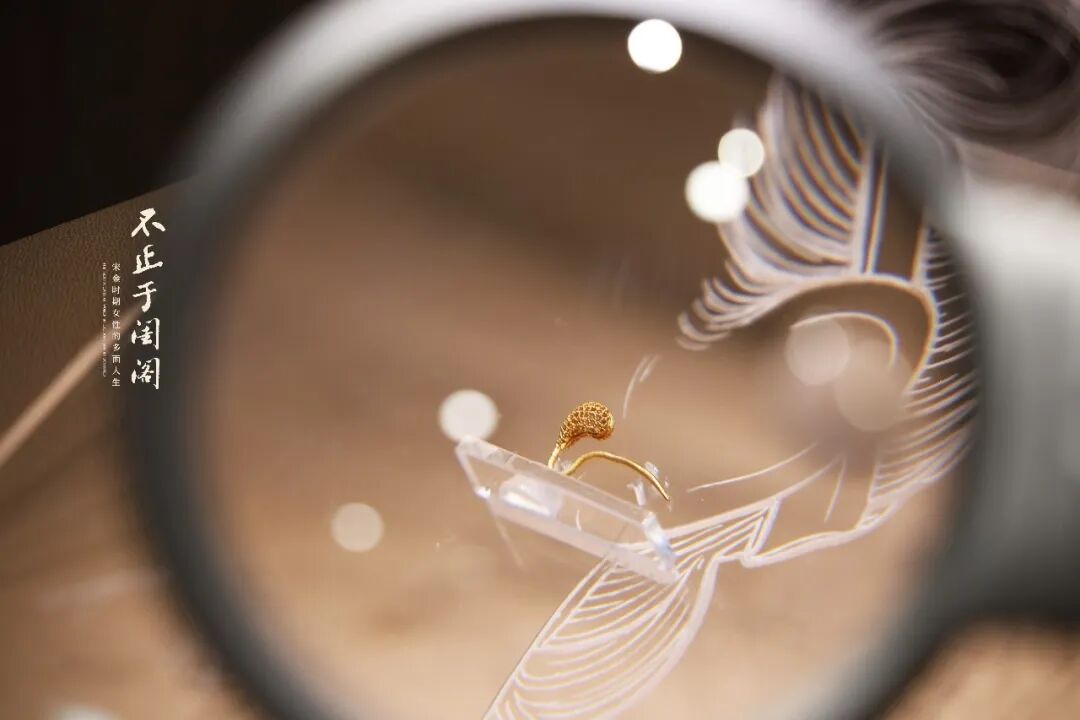
GUANGZHOU — A new exhibition at the Nanyue King Museum in Guangzhou explores women’s lives during the Song (960-1297) and Jin (1115-1234) dynasties, presenting a far more active and diverse reality than the “boudoir-bound” stereotype often portrayed in popular culture.
Titled Beyond the Inner Chamber: The Various Lives of Women in the Song and Jin Dynasties, the exhibition officially opened on July 31 in the museum’s palace precinct and will run until Feb 28, 2027.
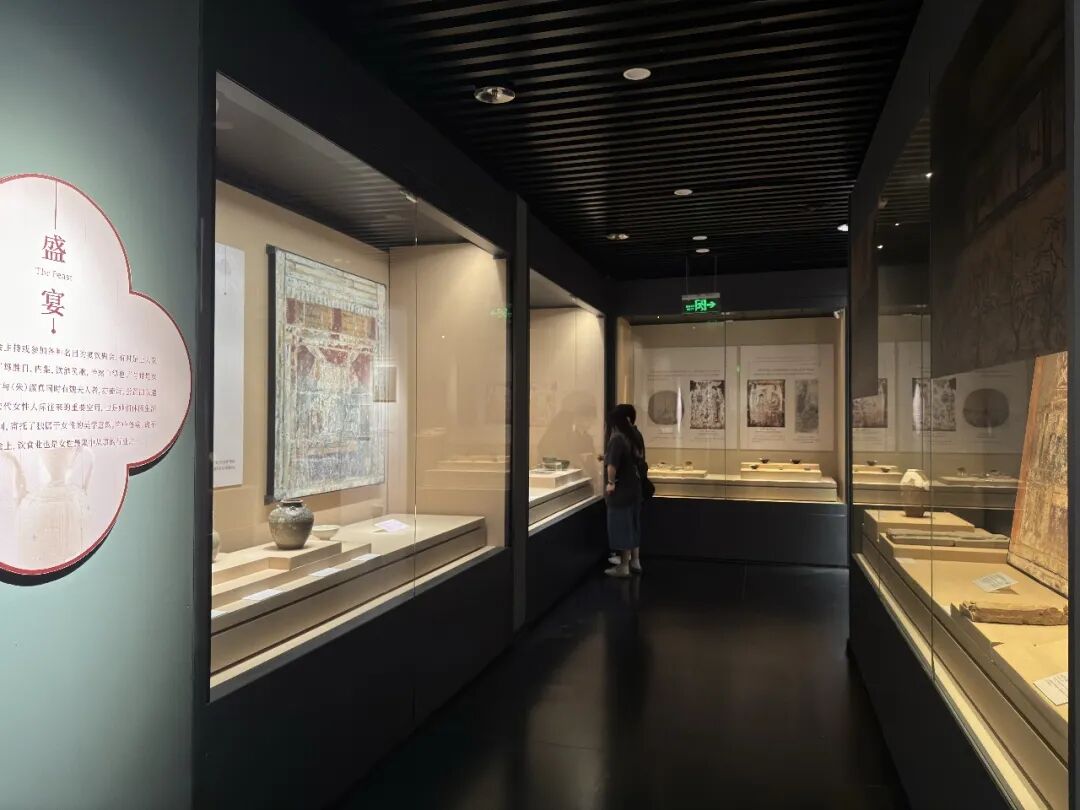
It is jointly organized by the Nanyue King Museum, the Luoyang Museum of Ancient Tombs, and the Guangzhou Municipal Institute of Cultural Heritage and Archaeology, with support from the Guangzhou Museum.
Featuring more than 120 artifacts from Guangzhou, Luoyang in Henan province, and Shanxi province, the exhibition is organized into three sections: Inside and Outside the Inner Chamber, Managing the Household, and Joined in Love. Drawing on historical records, local gazetteers, epitaphs, and paintings, it offers a vivid portrait of women’s lives during this period.
“The Song and Jin period is a key node for understanding the changing status of women in ancient China,” said curator He Shaowei. “It inherited the relatively open social atmosphere of the Tang dynasty, but had not yet been fully disciplined by the Neo-Confucian doctrines of later eras.”
While a patriarchal order remained in place, He noted that women nonetheless participated actively in social and economic life.
Self-expression in limited space
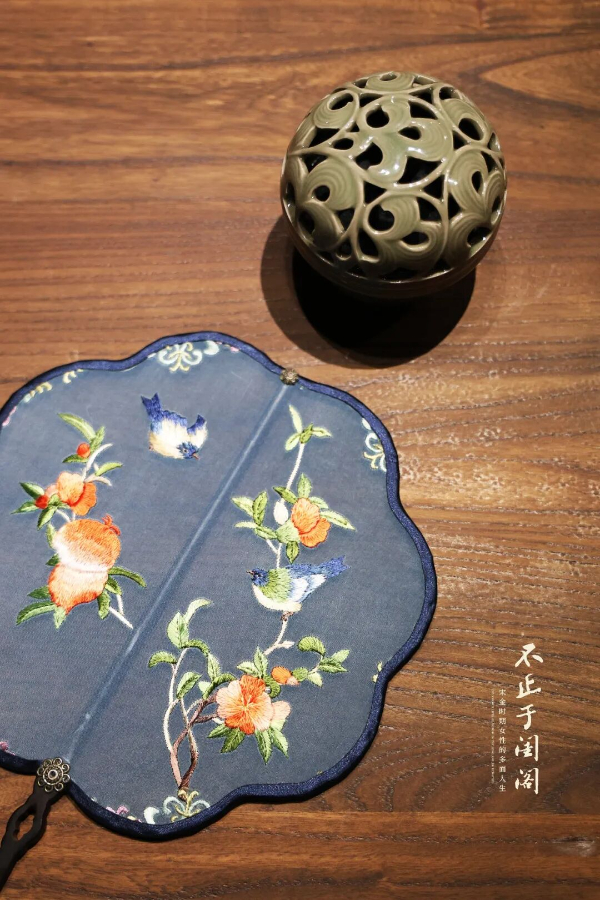
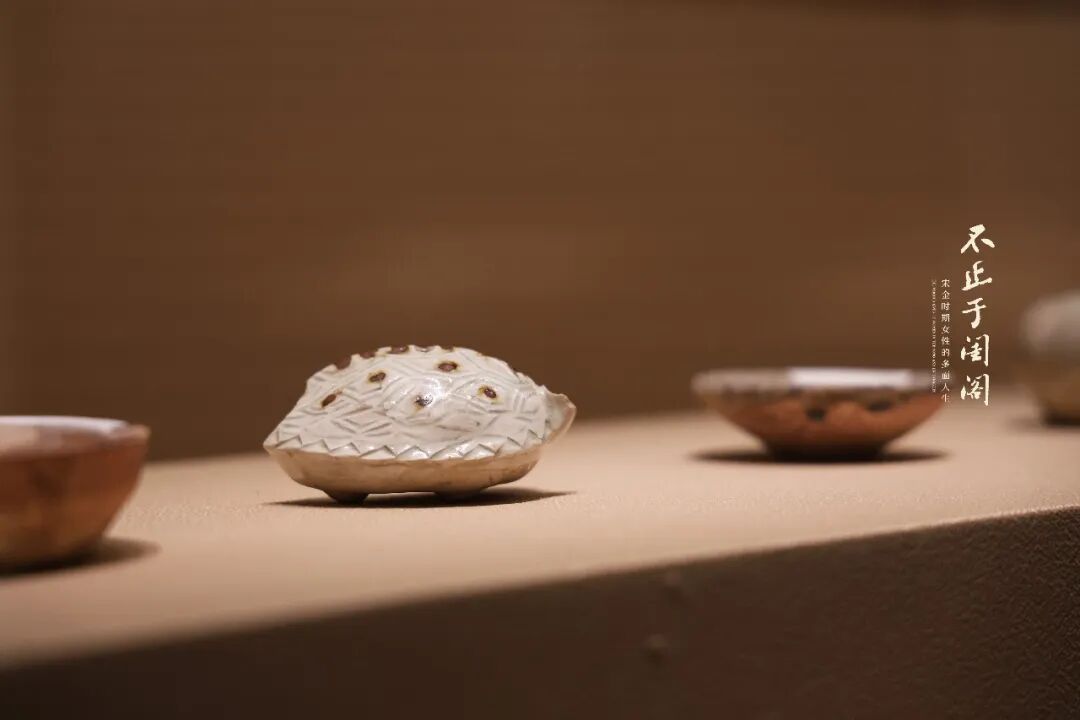
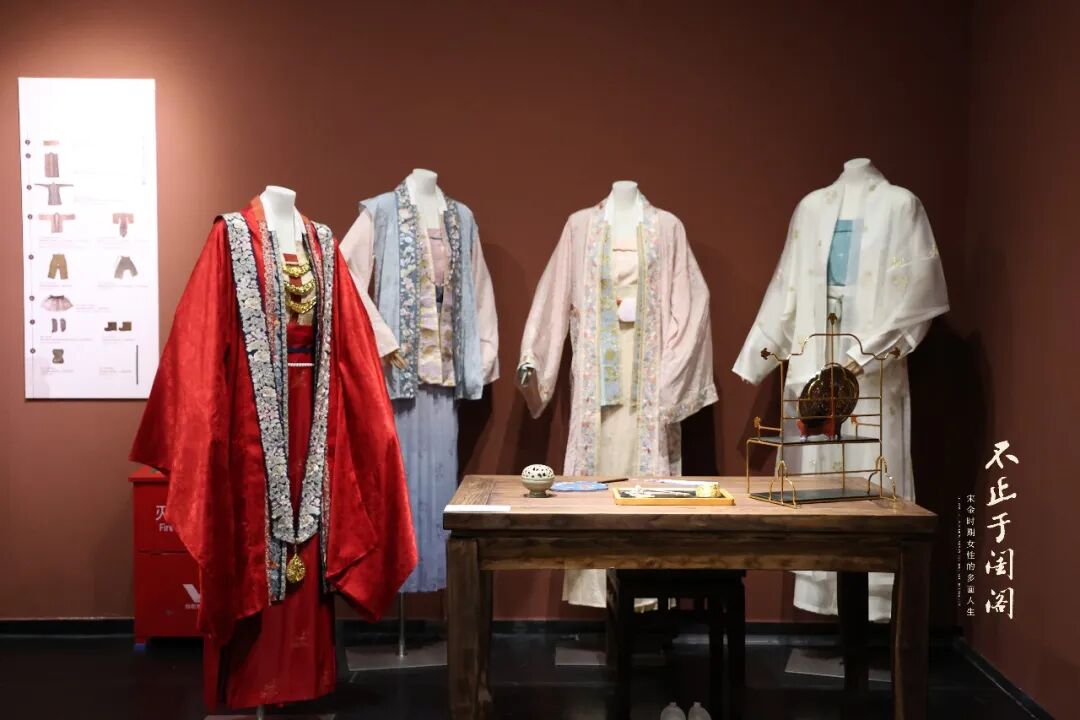
The exhibition highlights how women managed household finances, exercised control over their dowries, and hosted social gatherings. Artifacts including gold earrings, bronze mirrors, and tea sets illustrate everyday routines as well as aesthetic tastes.
One of the exhibition’s core displays is a collection of carved bricks and murals from the Luoyang Museum of Ancient Tombs, including a mural titled Woman Opening the Door, a popular tomb motiff reflecting the ancient concept of “serving the dead as if serving the living”.
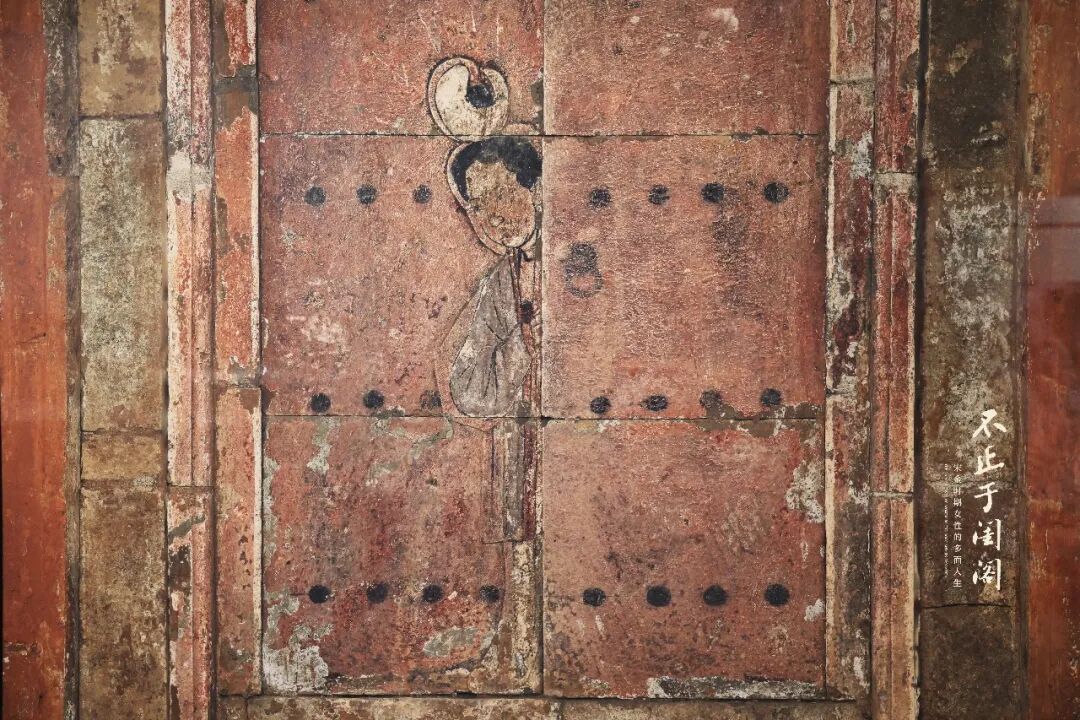
A key case study is the Jin dynasty tomb of a woman named Qin, who independently commissioned and built her husband’s burial chamber—evidence of women’s property rights and their influence in funerary decision-making.
The exhibition also includes restored immersive scenes, such as a dressing room inspired by a Northern Song painting and a replica of a Jin dynasty tomb.
ALSO READ: A smile born from chaos
“Many people simply assume that women in feudal times were completely oppressed, but that isn’t the whole story,” He said. “They had a degree of freedom and actively strived to express themselves within limited spaces. We want to present an objective, complete picture of historical reality.”
