

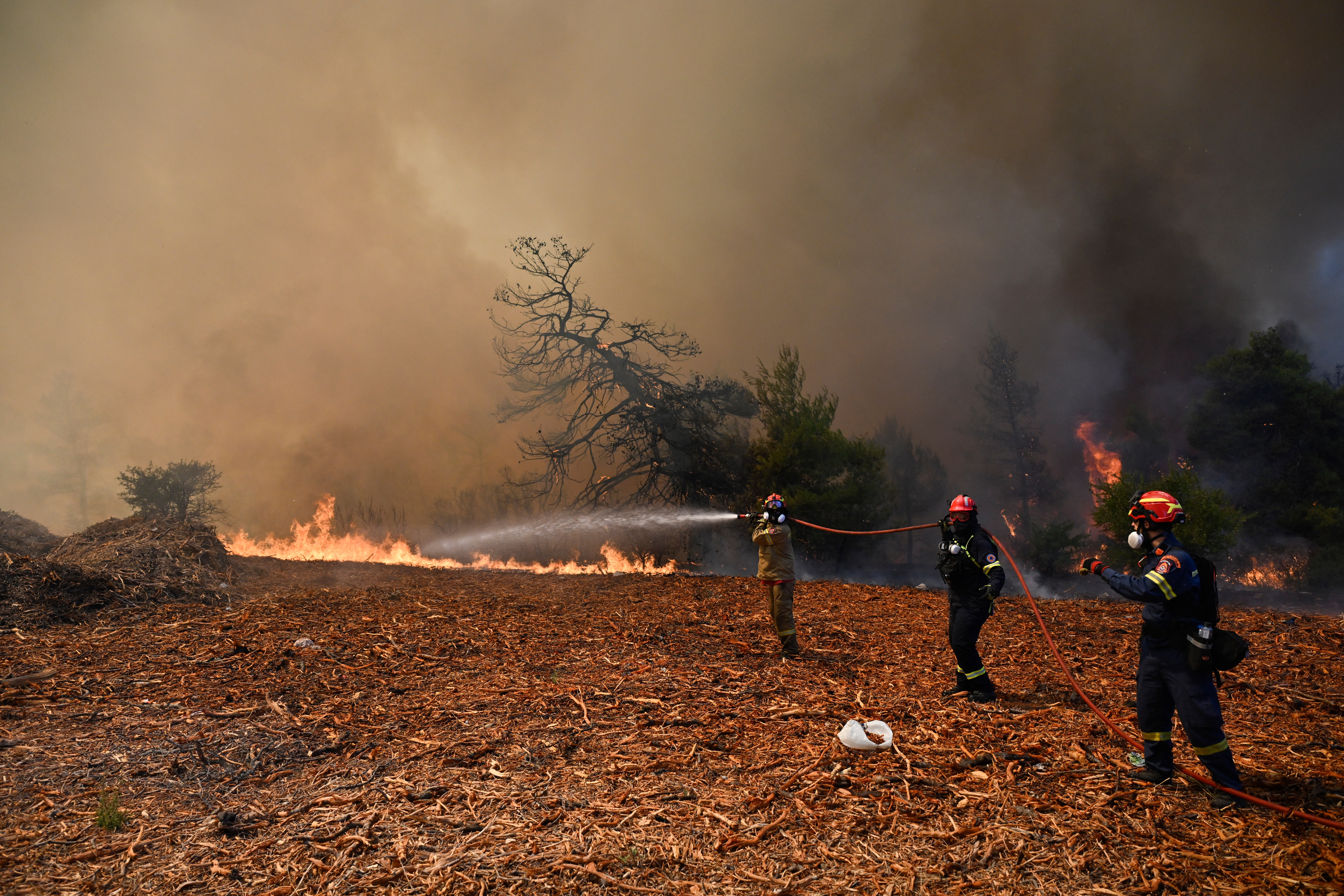
BEIJING – Devastating wildfires, prolonged drought and record-breaking temperatures have marked a ravaging track of heatwaves during this summer in the Northern Hemisphere, with excess heat-related deaths and strains on electricity highlighted in the aftermath.
Hitting headlines most recently, Hungary announced Sunday its "most critical five days" ahead as its sole nuclear power plant heads toward a first-ever complete shutdown in over 40 years due to record-low water levels in the Danube, whose water it has used as nuclear reactor coolant. The plant supplies about half of the country's electricity.
Meanwhile, over the weekend, firefighters from across Europe were battling blazes fanned by strong wind in different areas of Greece after fast-moving wildfires in France and Spain showed mixed situations, with some being stabilized amid new flare-ups.
Hottest days, excess deaths
In Asia, South Korea on Sunday registered its highest temperature on record over a century, at 42.5 degrees Celsius in the southeastern city of Yangsan.
On Saturday, blistering heat blanketed the western United States, with temperatures hovering near record highs, raising the risks of heat-related illness and wildfire. Extreme heat advisories were issued for parts of California, Arizona, Nevada, and Utah, with desert area temperatures forecast to reach 49 degrees Celsius.
ALSO READ: About 60,000 people ordered to evacuate as wildfires threaten US Spokane area
Last week, Germany's RKI health body reported about 9,800 heat-related deaths by July 19 across the country, surpassing the whole-year figure recorded for any year since 2016.
In Britain, official data released Thursday showed 2,877 heat-related deaths during the heatwaves in May and June, nearly twice the annual figure for 2025.
In France, 5,764 excess deaths were recorded during the heatwave between June 17 and July 2, representing an excess mortality rate of 36 percent, according to the French public health agency Sante publique France.
Worsening drought, spreading wildfires
Heatwaves and little rain have led to increasingly lowering water levels in the Danube, affecting agricultural irrigation, fishing industry, river transport, tourism and other economic activities in basin countries including Bulgaria, Serbia and Romania.
Last week, Slovakia's Bratislava/Devin Danube monitoring station recorded the lowest-ever flow rate for July since 1876, at about 725 cubic meters per second.
The Dutch Ministry of Infrastructure and Water Management said Thursday that the water level of the Rhine dropped to its lowest level recorded in the Netherlands, and was expected to fall further in the coming days, as prolonged drought across parts of Europe continued to reduce river flows.
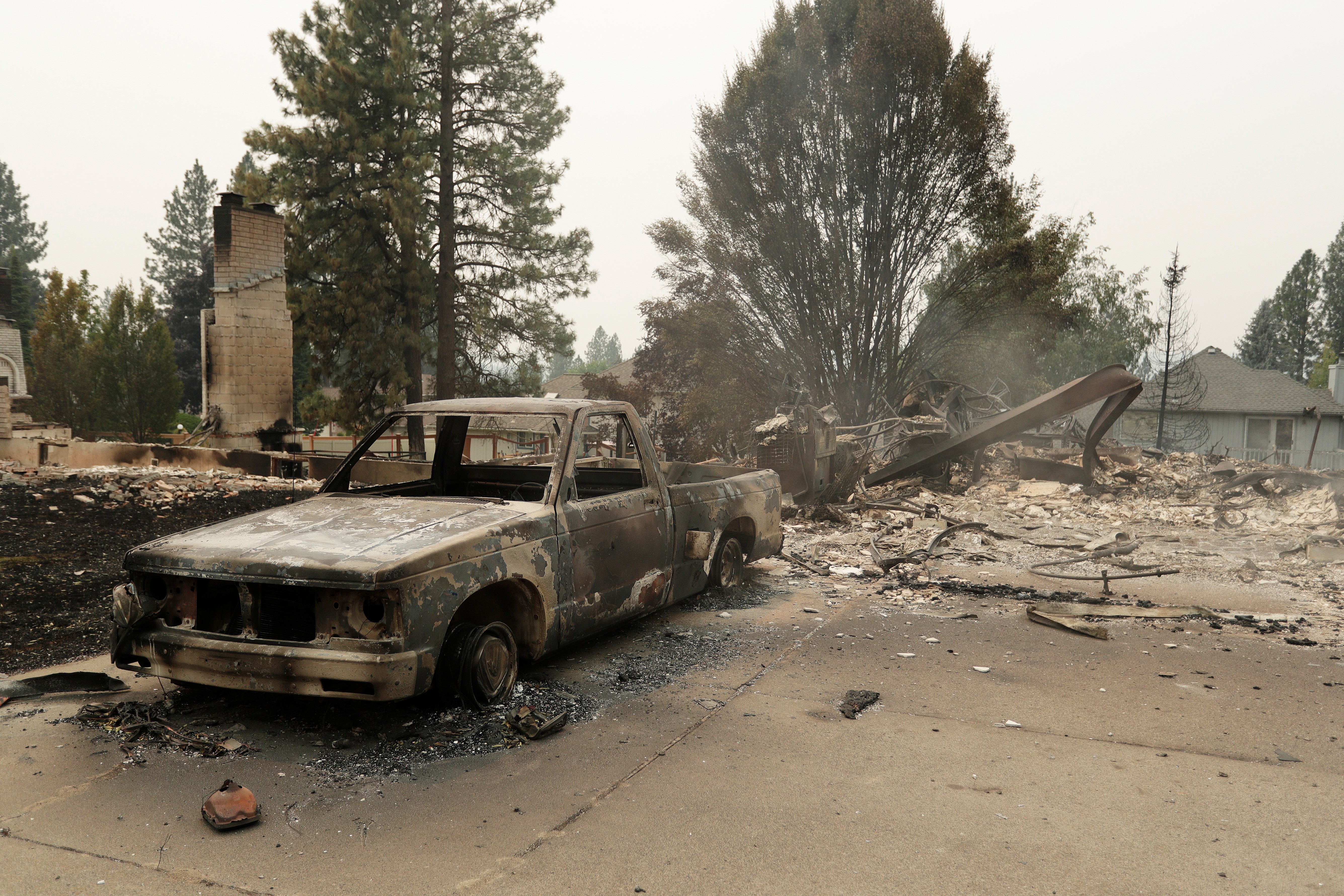
Exacerbated by prolonged heatwaves and drought, a wildfire crisis is moving eastward for the forest fire season in Europe, including an increasing threat to Italy, according to the European Union last week.
Spain has suffered one of its worst wildfire seasons in decades, with more than 200,000 hectares burned so far this summer, twice its historical annual average, the United Nations Economic Commission for Europe (UNECE) reported last Thursday.
Across Europe, latest available data showed more than 434,000 hectares have already burned this year, including 42,000 hectares of pine forest in France's Gironde region, it said.
ALSO READ: Western Europe records hottest June, says EU climate monitor
The situation is equally alarming across the Atlantic. The United States has recorded approximately 1,849,000 hectares burned so far in 2026, while Canada has already experienced more than 4,000 wildfires that have already burned 3,770,000 hectares, with dozens of large fires still out of control.
Wildfires threaten lives, destroy homes, infrastructure and livelihoods, and force residents and tourists to evacuate. In the European Union alone, wildfires are estimated to cost around 2.5 billion euros (about $2.88 billion) every year, through damage to infrastructure, loss of tourism revenue and disruption of economic activity, said the UNECE.
Ongoing climate change, strengthening El Nino
"Every summer reminds us that wildfire is no longer an exceptional event but an increasingly predictable consequence of a warming climate," said Paola Deda, director of the UNECE Environment and Forests Division.
Climate change drives more frequent and intense wildfires, while the massive carbon emissions from these fires further accelerate global warming, creating a dangerous feedback loop that worsens both problems, according to the UNECE.
"Some studies show that Western Europe -- including the United Kingdom, France, Italy, Spain and Portugal -- is warming faster than many other parts of the world, and that we are also more prone to heatwaves," Ruben del Campo, spokesperson for Spain's State Meteorological Agency (AEMET), told Xinhua Friday.
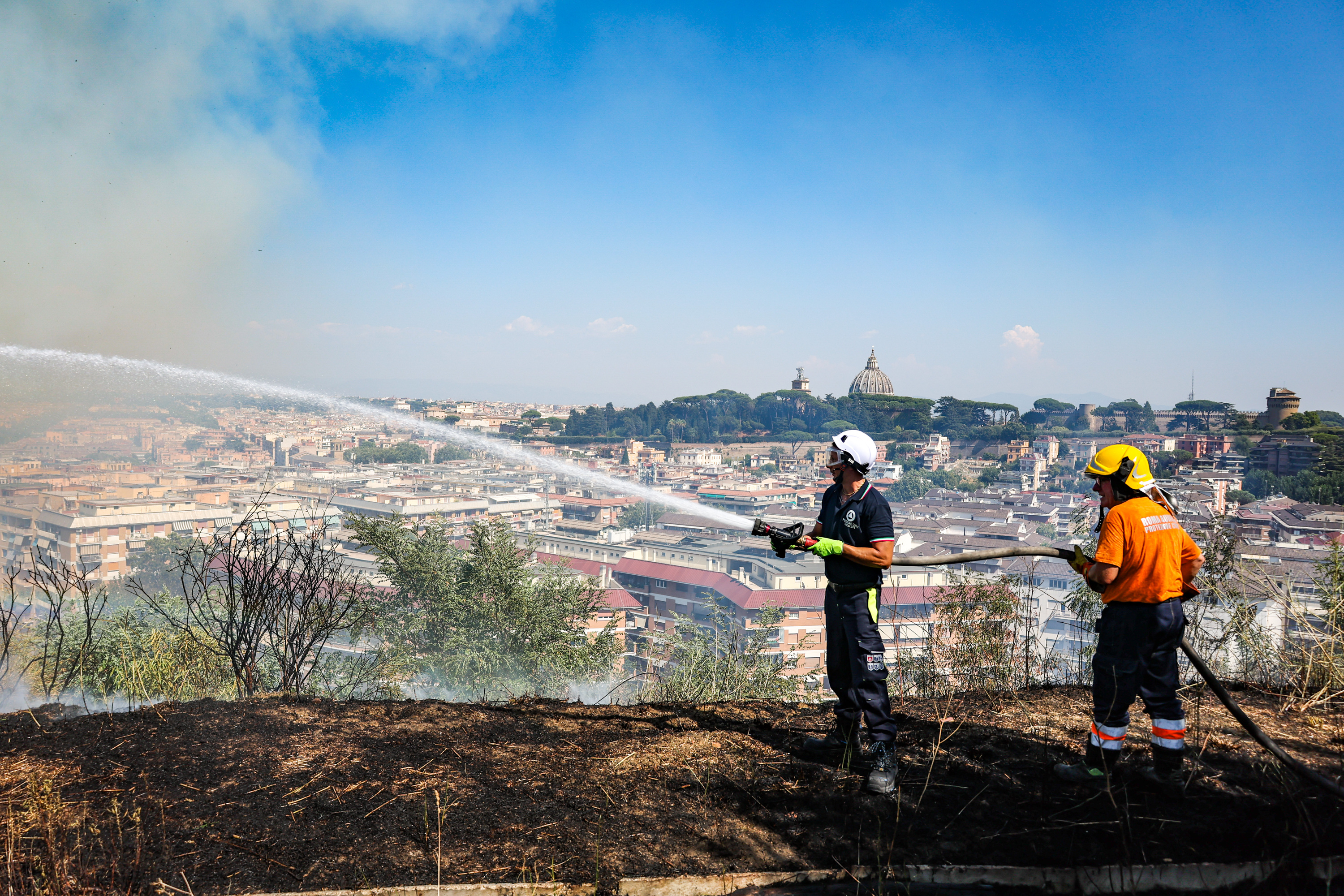
Spain entered its fourth heatwave this summer at the end of July, with temperatures forecast to reach up to 42 degrees Celsius in many areas, according to the expert. "There is a clear link with climate change. A rise in average temperature always leads to an increase in episodes of extreme heat, and this is exactly what we are seeing."
High temperatures, low relative humidity and strong winds have created conditions conducive to wildfires across Europe this summer, according to him.
However, this summer's extremes -- record-shattering heat domes, apocalyptic wildfires, thousands of lives lost in scorching conditions, record-high global sea-surface temperatures -- are only a warm-up act, United Nations Secretary-General Antonio Guterres warned on Friday, citing an update on El Nino forecasts released by the World Meteorological Organization (WMO).
El Nino is strengthening, adding fuel to a planet already on fire. The Pacific waters driving the phenomenon have never been this warm this early in an El Nino, and temperatures are still rising, he told a press encounter. "At the same time, WMO's outlook shows that through October, nearly every land area on Earth is expected to be hotter than normal."
READ MORE: Indonesia prepares for El Nino drought with record rice stocks
El Nino does not bring heat alone; it profoundly affects the world's rainfall. India's monsoon is already running well below average. Hotter and drier conditions are forecast from Central America and the Caribbean to parts of South America, South Asia, the Southwest Pacific, Europe and Africa, warned Guterres.
"The verdict is clear: the climate crisis is in overdrive," he said.
He stressed that every new fossil fuel project approved today makes tomorrow's heatwaves more dangerous, and the world less secure.
Today's findings show that extreme heat "is becoming more dangerous," the UN chief said, calling for international efforts to "tackle the root cause of the crisis."
