

Xu Yinshan, a third-year communications student from Wuhan, Hubei province, is planning to visit Shenzhen by the end of this month, embarking on her summer vacation trip.
But, instead of conventional sightseeing, Xu’s travel priorities are a live concert of her favorite idol and a tour of high-tech exhibition spaces, where she hopes to explore the city’s smart gadgets and digital breakthroughs in person.
“Travel is not just about taking photos at tourist hotspots,” the 21-year-old said. “For me, it should go hand-in-hand with my interests. I don’t just want to see beautiful landscapes. I’m looking forward to distinctive new experiences.”
Xu’s travel itinerary reflects a transformative trend sweeping the Guangdong-Hong Kong-Macao Greater Bay Area. Driven by young travelers’ growing demand for personalized experiences, tourist attractions, shopping malls, and cultural museums in the region have rolled out a slew of innovative offerings to capture the holiday visitor flows and boost economic vitality.
ALSO READ: In Shenzhen, the future may be flying overhead
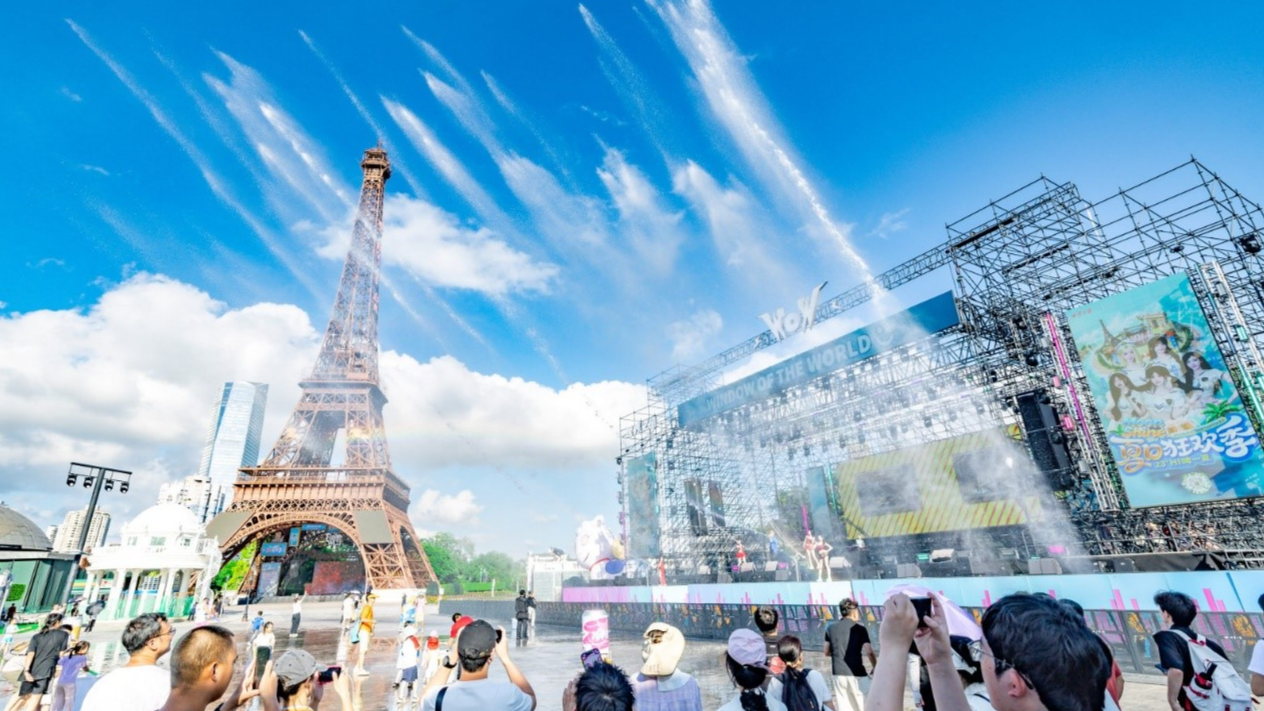
Window of the World – a popular Shenzhen theme park featuring miniatures of prominent landmarks around the globe – is working to transform itself from a scenic sightseeing spot into an immersive cultural destination.
Traditional sightseeing sites follow a “passive model” where visitors merely view the scenery as outsiders, while for immersive cultural destinations, visitors are part of the scene and get to join in the experience, said Yang Haijuan, executive deputy general manager of Window of the World.
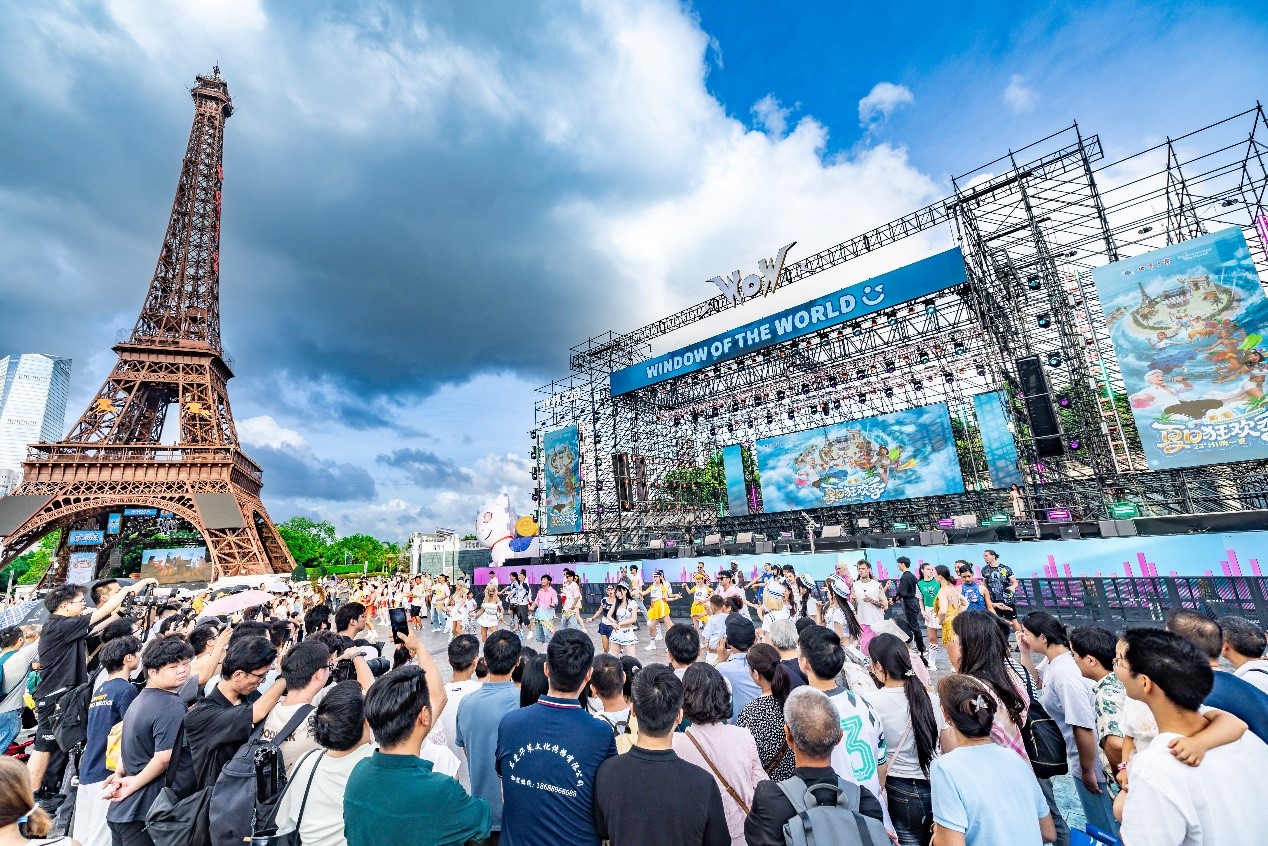
“Today, young visitors prefer to seek intimate cultural encounters instead of general displays of global civilization,” she said.
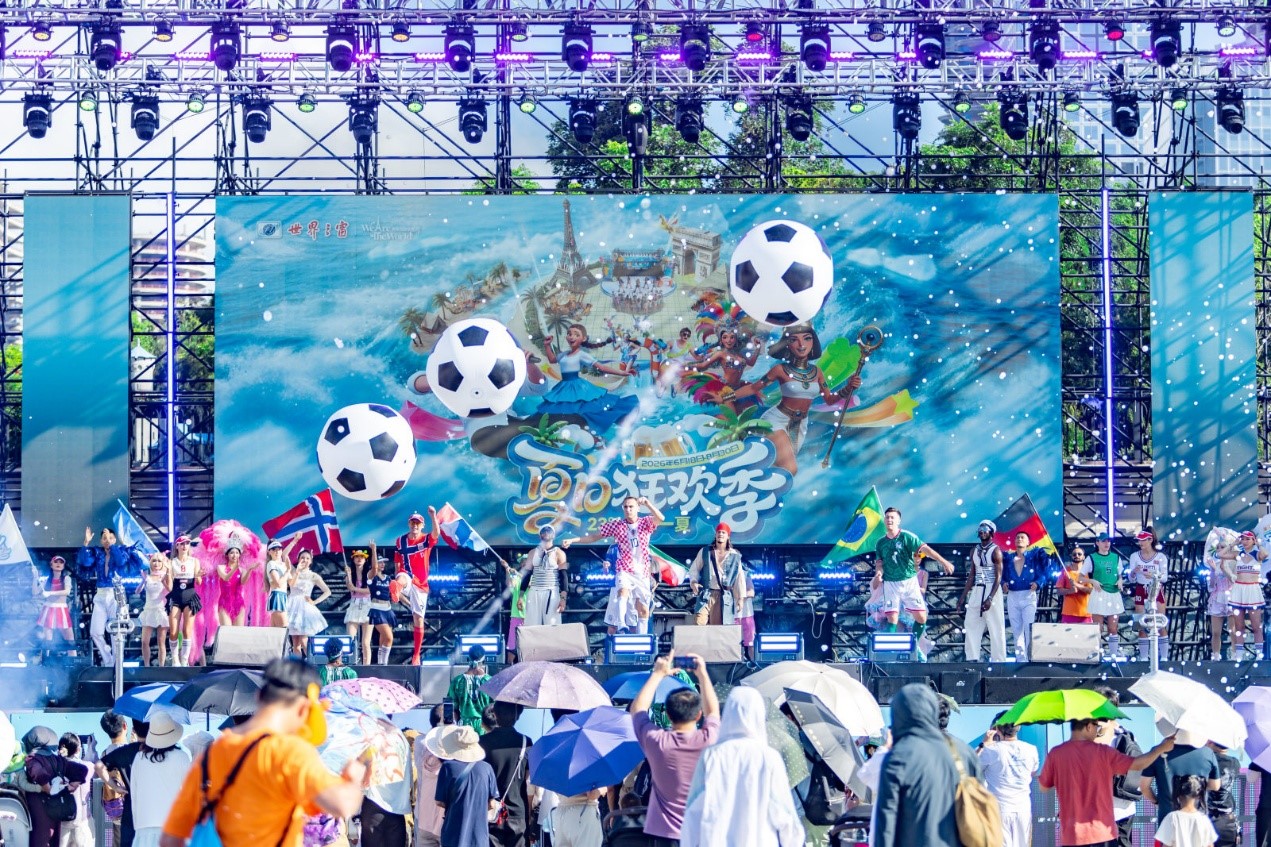
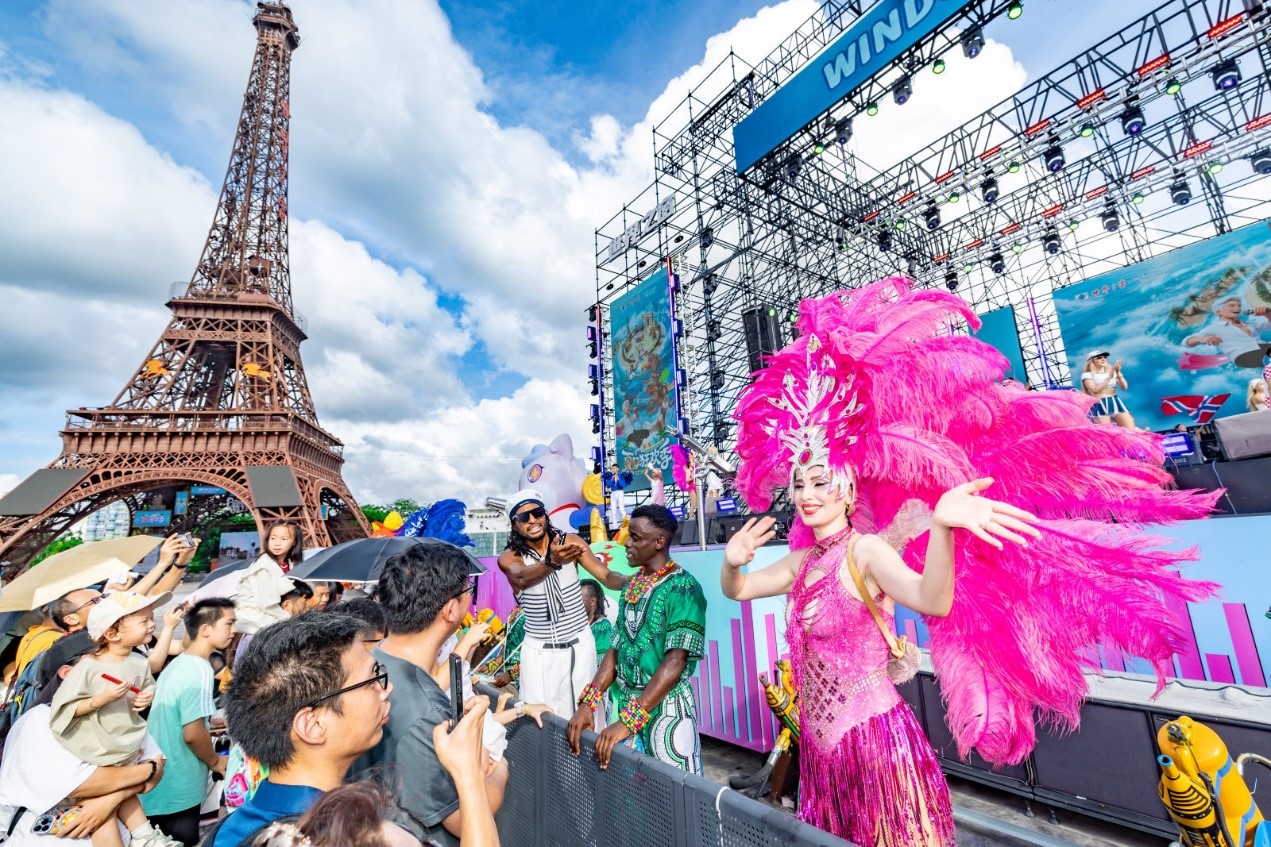
To cater to the needs of the younger generation, the theme park has rolled out immersive interactive experiences, live stage performances, and NPC (non-player character) interactions to translate grand cultural themes into tangible on-site experiences.
For example, it has launched a “9037 Street” with a mix of retail, performances, and entertainment offerings. Visitors can watch shows, join interactive activities, take on check-in challenges, and earn “World Player” IP cards and game coins that can be exchanged for gifts and merchandise.
Shenzhen Galaxy World•Coco Park, a shopping mall in Shenzhen’s Longgang district, launched an event last month that integrates commerce with trendy sports. The cross-industry event drew crowds of skateboarding enthusiasts at home and abroad, driving a year-on-year increase of 25.7 percent in sales revenue and 30.1 percent in footfall.
READ MORE: Service robots revitalize GBA’s hotel industry
In Guangzhou, an animation and game carnival will kick off on July 17, seeking to energize youth subculture consumption through immersive offline experiences. Shopping areas are also striving to capitalize on the World Cup hype by rolling out football-themed pop-up stores and star player exhibitions, further diversifying leisure scenarios for young groups.
The fundamental shift in cultural and tourism consumption this summer lies in consumers’ motivation shifting from destination-driven to experience-driven travel, said Allen Xiao, China head of consulting at commercial real estate consultancy CBRE.
“Previously, travelers chose trips based on where they wanted to go. Today, a growing number of them pick destinations for the experiences they offer. This change of consumption logic is reshaping operational models across the entire industry,” he said.
Xiao noted that family travelers continue to make up the largest share of the summer crowds, while the number of Generation Z – those born between 1997 and 2012 – solo travelers has seen a remarkable growth.
“Young travelers are more willing to pay premium prices for exclusive experiences and customized services. Meanwhile, mid-priced standardized tourism products are facing mounting pressure of customer loss,” he added.
READ MORE: Study aims to tap tourism value of GBA
The changing consumption concept is also reshaping the layout of commercial malls. In Shenzhen, consumer tech brands have become a new driver of the city’s commercial landscape, with global flagship stores of tech firms and platforms including Bambu Lab, EngineAI Robotics and Kickstarter having debuted in the city, Leomi Song, director and head of retail services at Cushman & Wakefield South China, said.
The evolving consumer demand has also made China an indispensable market for international brands looking to expand their footprint, evidenced by the accelerating entry of outdoor and lifestyle labels from the United States, Australia, Japan, Sweden and others into the Chinese market, Song added.
China saw 127 first-store openings in the first half of 2026, in which 61 were overseas brands, accounting for 48 percent of the total, data from the international real estate services provider shows. The proportion was 37.5 percent a year earlier.
The country has launched a national summer holiday cultural and tourism consumption campaign, which started in early July and will run through the end of August. More than 30,000 activities are expected to be rolled out nationwide, with over 450 million yuan ($66.4 million) worth of consumption vouchers to be distributed.
The campaign came as China is stepping up efforts to boost tourism as a driver of economic growth. The Ministry of Culture and Tourism issued a five-year tourism development plan earlier this month, aiming to boost domestic tourist trips to 8.3 billion and drive total domestic tourism spending to 7.7 trillion yuan by 2030.
Contact the writer at sally@chinadailyhk.com
