

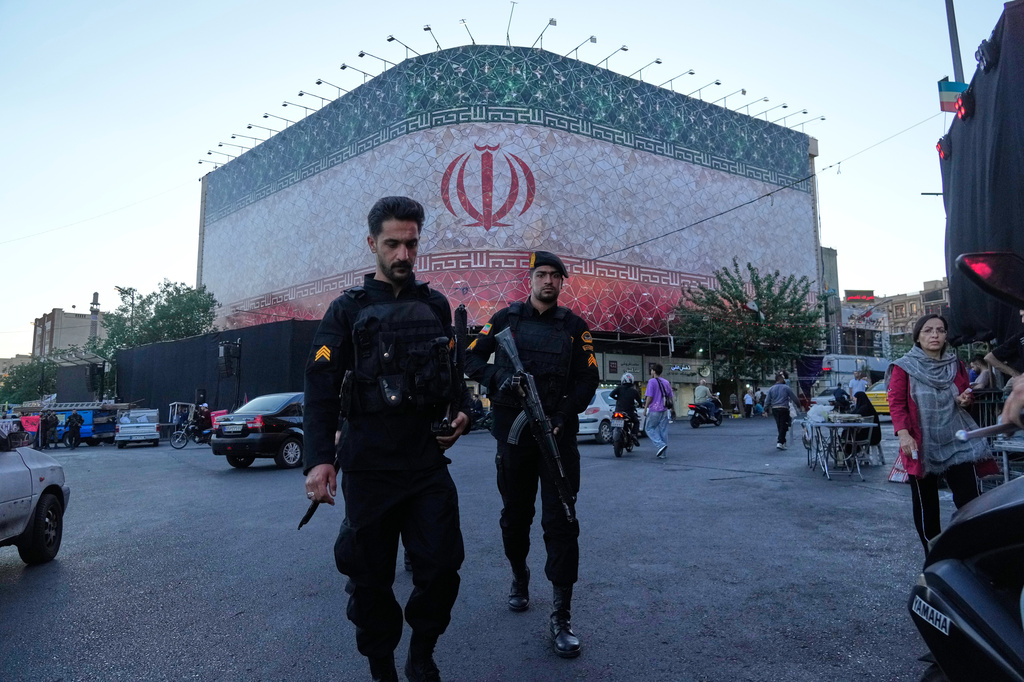
WASHINGTON/TEHRAN – Talks with the United States would remain bound by Tehran's "red lines", Iran's Parliament Speaker Mohammad Bagher Ghalibaf was quoted by media as saying on Friday.
"As we have shown in the past path of negotiations, we are steadfast in fulfilling the conditions and red lines set, and in achieving the interests of the Iranian nation," Ghalibaf said in remarks published by Iran's official news agency IRNA.
Vance's trip to Swizterland for Iran talks postponed
His remarks came after the White House said US Vice-President JD Vance's trip to Switzerland for talks with Iran had been postponed, with negotiations previously expected to take place on Friday.
"As of now, the vice-president is not departing tonight," a White House spokesperson said. "The logistics of these negotiations have never been simple or predictable."
"The plans for the upcoming technical talks have not been finalized, and the US delegation has been prepared to depart at the first available opportunity," the spokesperson said. "We look forward to beginning technical talks as soon as possible."
The Swiss Foreign Ministry said on Thursday that the Buergenstock mountain resort in Switzerland had been designated as the venue for initial negotiations between the United States and Iran on the implementation of their agreement.
According to the ministry, mediators Pakistan and Qatar, along with other relevant countries, will also attend the meeting, although the timing has yet to be decided.
'Ceasefire on all fronts'
Writing in a post on Truth Social on Thursday, US President Donald Trump said Washington expects a "complete ceasefire on all fronts", urging "everyone in the Middle East" to adhere to their commitments.
"We expect a complete Ceasefire on all fronts, including Lebanon, Hezbollah, and Israel," Trump said.
"The United States is committed to PEACE, and we encourage everyone in the Middle East Region to maintain their commitment to allowing our negotiations to beautifully unfold," he added.
Trump signed a memorandum of understanding on Wednesday with Iran in France, launching a 60-day negotiation period beginning Thursday aimed at reaching a final agreement.
The MoU calls for "the immediate and permanent termination of military operations on all fronts, including in Lebanon". However, Israel has said it does not intend to withdraw its forces from Lebanon.
US lifts blockade on Iranian ports
In a post written on social media platform X, the US Central Command said the US forces on Thursday lifted the blockade on all maritime traffic entering and exiting Iranian ports and coastal areas.
"American forces are not impeding the transit of vessels to or from Iranian ports. All US military blockade enforcement efforts have ceased," the command wrote on X.
US warships "will remain in the general area to make sure that all aspects of the agreement are adhered to, obeyed and in full force and effect," it added.
Requests for crossing Hormuz
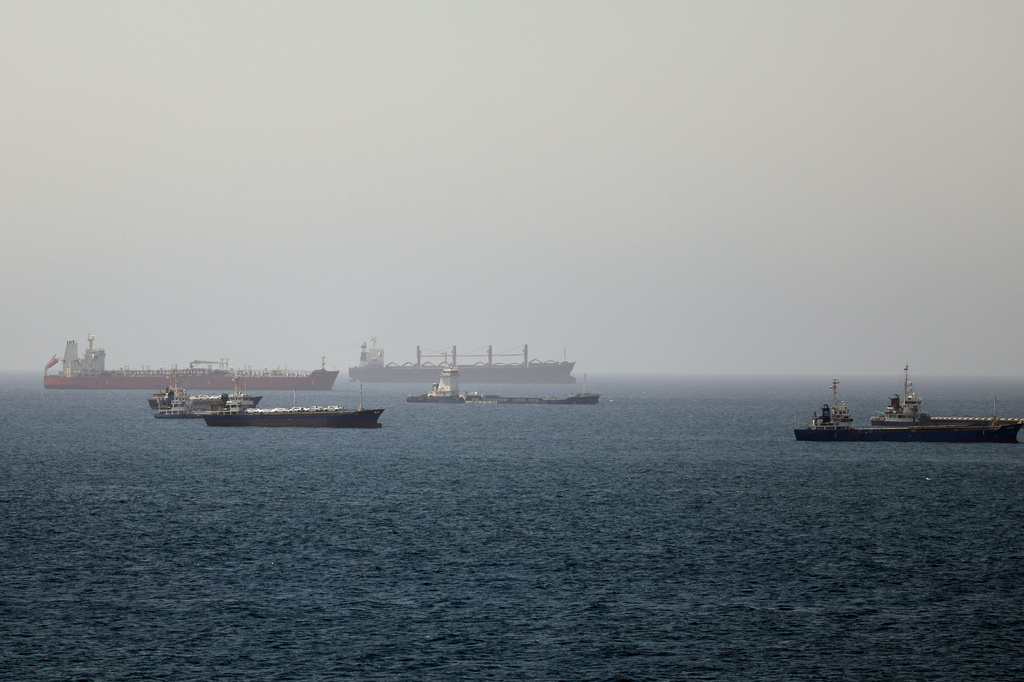
Also on Thursday, the Supreme National Security Council (SNSC), Iran's top security body, announced that it has issued the order for the swift handling of requests by vessels for passage through the Strait of Hormuz in line with meeting the objectives of the newly-signed MoU.
The SNSC said under the MoU, no fee will be charged for 60 days for passage by ships requesting to cross the Strait of Hormuz, and all the expenses will be covered by the Iranian government.
Vessels seeking to transit the waterway are required to send their requests to the Persian Gulf Strait Authority, it said.
ALSO READ: US to create plan for Iran's rehabilitation with $300b in financing
"Given the specific circumstances and existence of some safety hazards along the passage route, and due to the necessity to ensure safe traffic and prevent maritime accidents, it is necessary for ships to pass through along the announced route and at the announced time," it said, giving the assurance that traffic in the waterway would gradually increase.
Iran supreme leader's permission for MoU
In a message addressed to Iranian people on Thursday, Iran's Supreme Leader Mojtaba Khamenei said despite having a different opinion, he issued the permission for signing the MoU between Tehran and Washington.
The relevant Iranian officials made considerable efforts "out of compassion and goodwill" on the path to reach this stage, Khamenei said in the message carried by Iranian media, adding, "Of course, it was the US president who used all kinds of levers for this purpose."
He stressed, "In principle, I had a different opinion, but I issued the permission owing to the commitment that the esteemed (Iranian) president, as the chairman of the Supreme National Security Council (SNSC), gave me on behalf of himself and other members to protect the rights of the Iranian nation and the resistance front, and after he stated that he would accept the responsibility for it."
Khamenei added that Iranian President Masoud Pezeshkian and other SNSC members had also stated that if the United States seeks to put forward "excessive demands", they would not accept them.
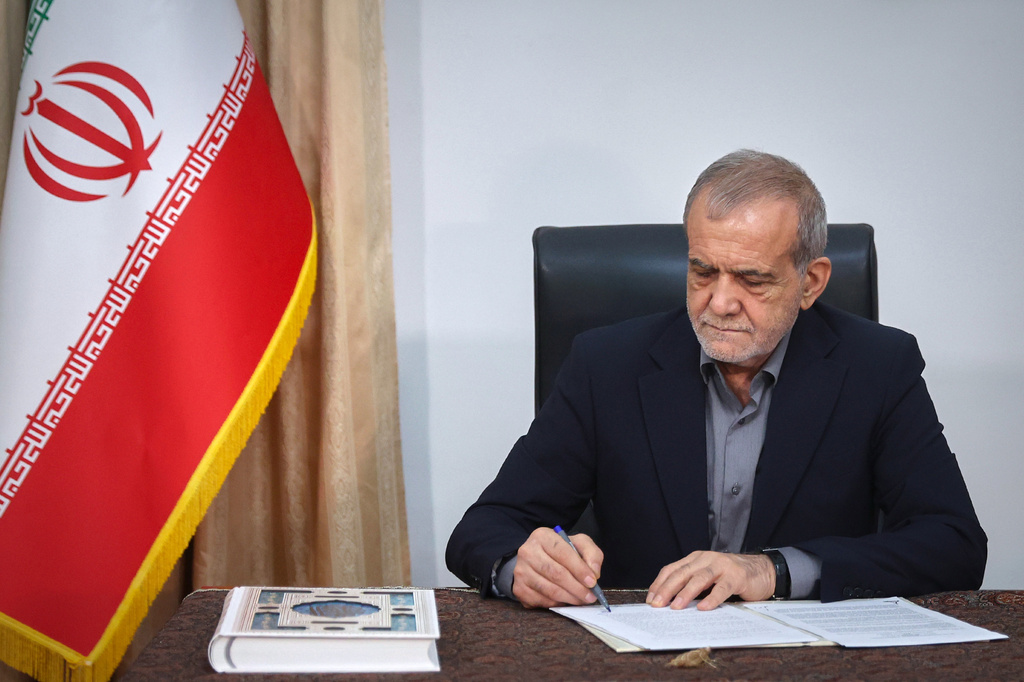
In a post on social media platform X, Pezeshkian called the newly signed peace MoU with the United States a "historic document and a message from powerful Iran".
"Peace will be realized in the light of mutual respect," stressed the Iranian president in the post, which featured an image of the MoU signed early Thursday by Pezeshkian and Trump.
Iran is always committed to global peace by ensuring dignity and independence, progress, and regional cooperation, said Pezeshkian.
Pezeshkian praises 'constructive role'
In separate phone calls with Pakistani Prime Minister Shehbaz Sharif and Qatari Emir Sheikh Tamim bin Hamad Al Thani, Pezeshkian praised the "constructive role" played by Pakistan and Qatar and their efforts to de-escalate tensions and facilitate the diplomatic process, which eventually led to the signing of the MoU, according to statements published on the website of his office.
He expressed hope that the MoU would prepare the ground for peace, reduce tensions and open a new phase of regional cooperation in line with safeguarding the interests of the region's nations.
READ MORE: US and Iran reach critical phase in deal
Pezeshkian described the development as an opportunity to expand regional cooperation, strengthen unity among Muslim countries and establish lasting peace and stability in the region. He stressed the need for involved parties to remain committed to their obligations under the agreement.
