

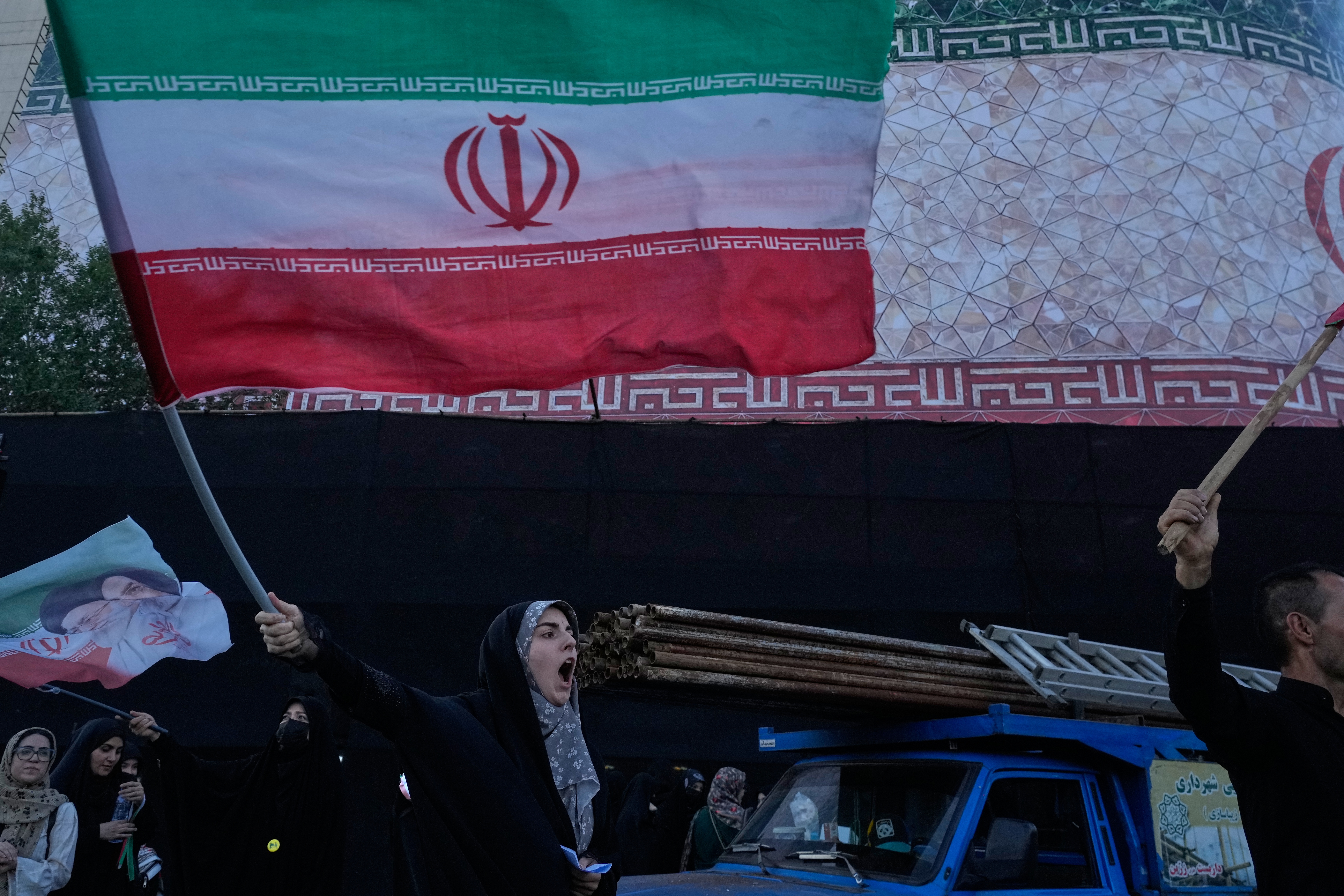
WASHINGTON/TEHRAN/EVIAN, France/LONDON — The United States undertakes, together with its regional partners, to create a comprehensive plan agreed upon by both parties for Iran's rehabilitation and economic development, while ensuring financing of at least $300 billion, according to a 14-point draft memorandum between the two sides released by Bloomberg on Wednesday.
The implementation mechanism of the plan, as part of the final agreement, will be formulated within 60 days, said the draft.
The US and Iran are set to officially sign a memorandum of understanding in Switzerland on Friday.
'Iran will never have nuclear weapon'
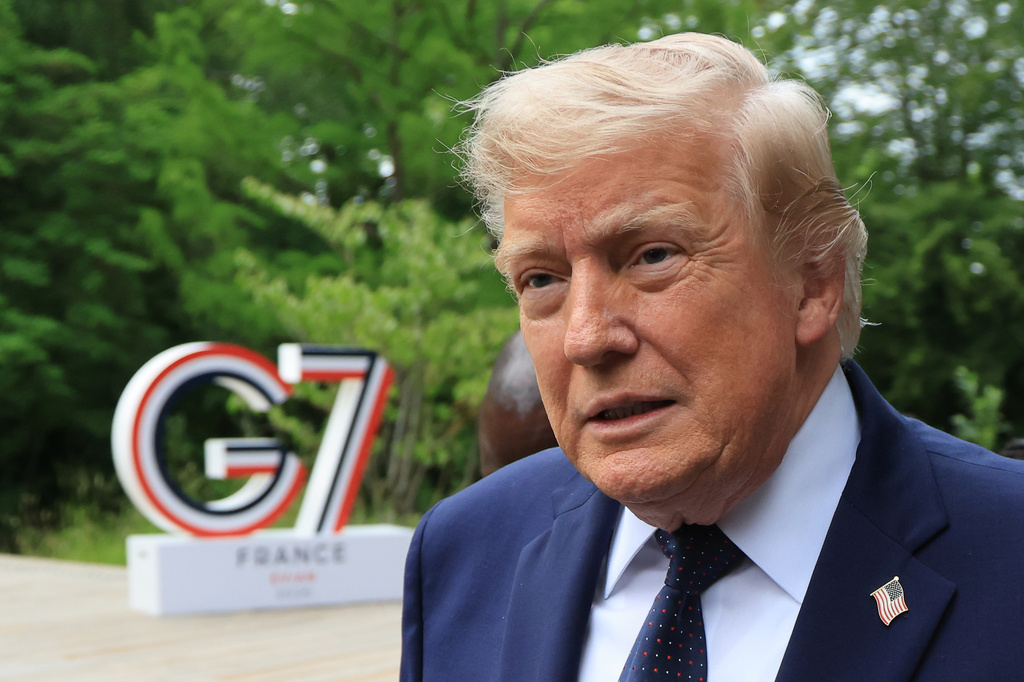
Addressing reporters on the sidelines of the G7 summit in France on Tuesday, US President Donald Trump said Iran will never have a nuclear weapon under the deal with the Middle East country.
"We have our deal done with Iran. It should be successful. It goes to a second stage, which I think will be easier," Trump said.
He dismissed the claim of a $300-billion fund to rebuild Iran as a "rumor". The US is "not investing any money in Iran", he said.
ALSO READ: US and Iran reach critical phase in deal
Iran and the US finalized a MoU on Sunday and digitally signed it on Monday. The reopening of the Strait of Hormuz and a halt to military operations across multiple fronts are announced by both sides, with key details remaining disputed.
Trump also said that Israeli Prime Minister Benjamin Netanyahu must now be "more responsible with respect to Lebanon".
He said he is not happy with the way Israel has handled itself with Lebanon and with Hezbollah, and that he had suggested Israel let Syria take care of Hezbollah because he thinks "they do a better job of doing it."
The summit kicked off on Monday in Evian, a town on the shores of Lake Geneva in eastern France. The three-day summit will focus on a range of issues, including the Ukraine crisis, Middle East tensions, and the development of artificial intelligence.
'Harsh' response if Israel continues 'malice' in Lebanon
In an official statement, Iran's main military command, Khatam al-Anbiya Central Headquarters, warned that if Israel does not end its "malice" in southern Lebanon, it will have to wait for the Iranian armed forces' "harsh" response.
The military command said since Trump announced the end of the conflict, the Israeli army has violated the ceasefire in southern Lebanon 84 times, and is still continuing its "crimes against and killing of the oppressed Lebanese people".
Speaking at a meeting with foreign diplomats in Tehran on Tuesday, Iranian Foreign Minister Seyed Abbas Araghchi described the end of the conflict in Lebanon as an "inseparable" part of the Iran-US peace deal, saying that in Tehran's view, the two parties to the deal are the United States and Israel on one side, and Iran and Hezbollah on the other.
'Hormuz to be fully open by Friday'
Meanwhile, Trump said the US is going to have the Strait of Hormuz fully opened by Friday.
"The ships are starting to move nicely. Oil is starting to go, and the prices are coming down rapidly," said the US president.
"We have our deal done with Iran. It should be successful. It goes to a second stage, which I think will be easier," Trump said.
Shipping recovery
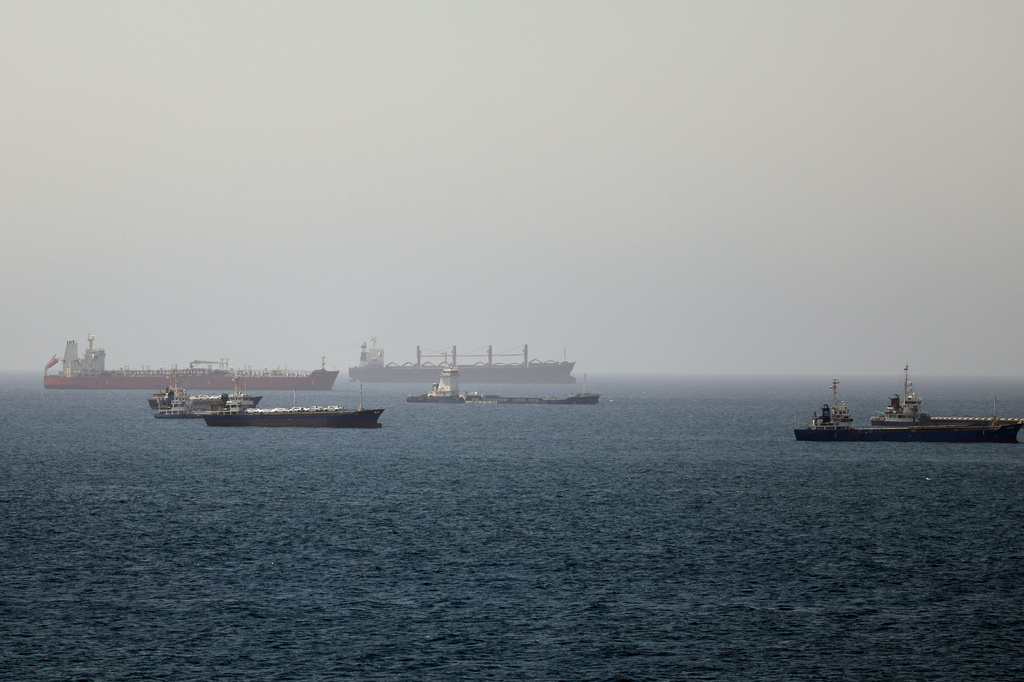
Citing the head of tanker operator Mitsui OSK Lines, the Financial Times reported on Tuesday that shipping traffic through the Strait of Hormuz is unlikely to return to normal immediately despite a US-Iran agreement to reopen the key waterway.
Jotaro Tamura, chief executive of Mitsui OSK Lines, the world's largest tanker operator by number of vessels, told the British newspaper that many operators would remain cautious before resuming transits through the strait as shipowners wait for clearer evidence that the deal will translate into safe passage.
"What will have to come in place is not just a simple agreement between the relevant countries, but it has to be material and translated into the real situations in the Strait of Hormuz, so that shipping lines can make themselves comfortable to go through," he said.
Tamura said that, given repeated setbacks in recent months to efforts to reopen the waterway, it would be reasonable to expect the recovery to take at least a couple of weeks, or even a month.
The Strait of Hormuz is one of the world's most important energy shipping routes. Before the conflict, more than one-fifth of global oil and liquefied natural gas moved through the waterway, which is also important for grain and consumer goods shipments into the Gulf. Daily traffic through the strait stood at about 135 vessels before the conflict but has since fallen sharply, according to the paper.
