

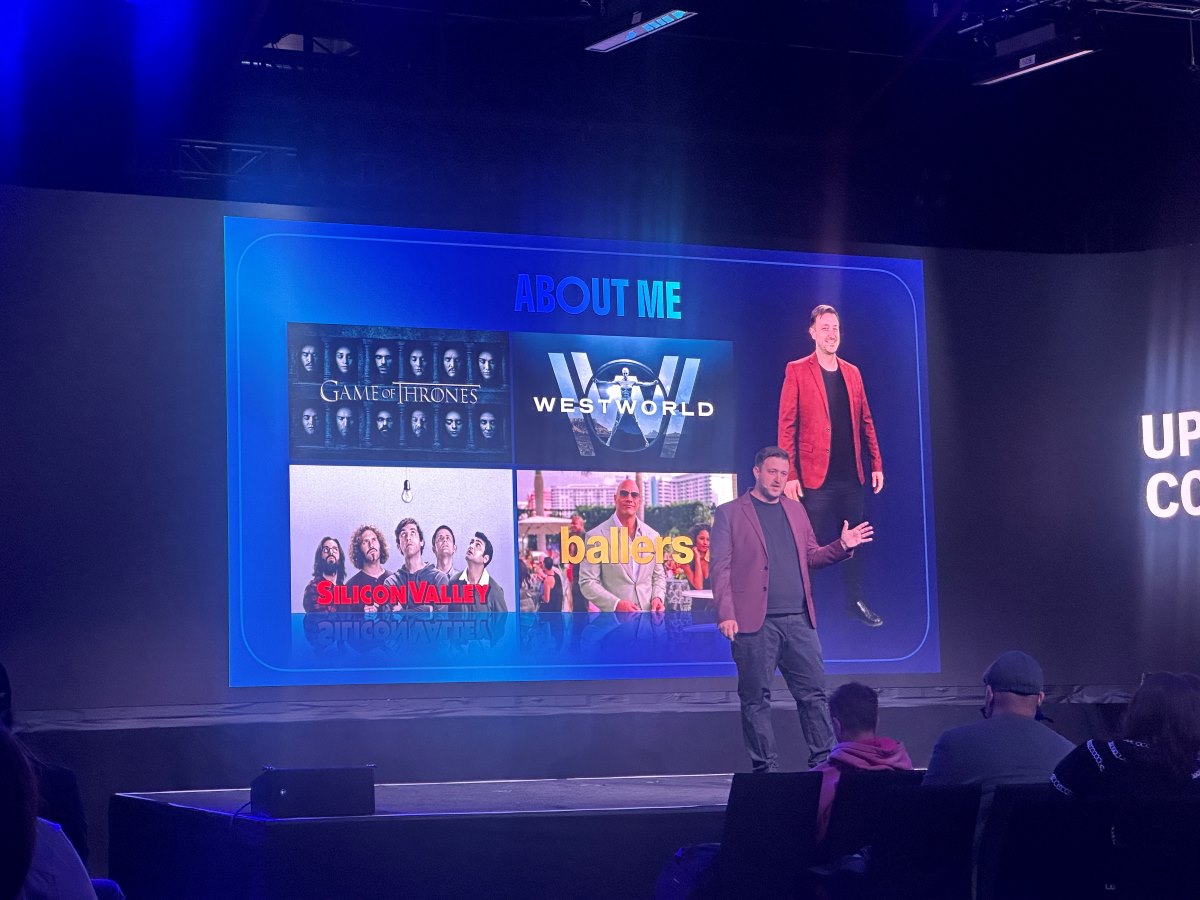
There was a quiet buzz of excitement at the 2026 Upscale Conf in San Francisco as speakers one by one revealed an undeniable shift in global entertainment was taking place.
Artificial intelligence video generation has reached a tipping point, eliminating traditional barriers to entry and crossing from an unpredictable roll of the dice to a tool that is genuinely changing the industry. Today, anyone with a laptop can produce Hollywood-quality films, powered solely by their imagination and an increasingly Chinese-led technology stack.
This creative revolution marks the dawn of the “no-collar economy” – a paradigm where production execution costs plummet to a near zero, placing a premium on human vision.
Joaquín Cuenca, chief executive of European AI creative platform Magnific, explained in an exclusive interview that while past technological leaps had disrupted industries, generative AI will heavily expand the creative class. “The concept of the ‘no-collar economy’ is that with Gen AI, we make it much easier," he said.
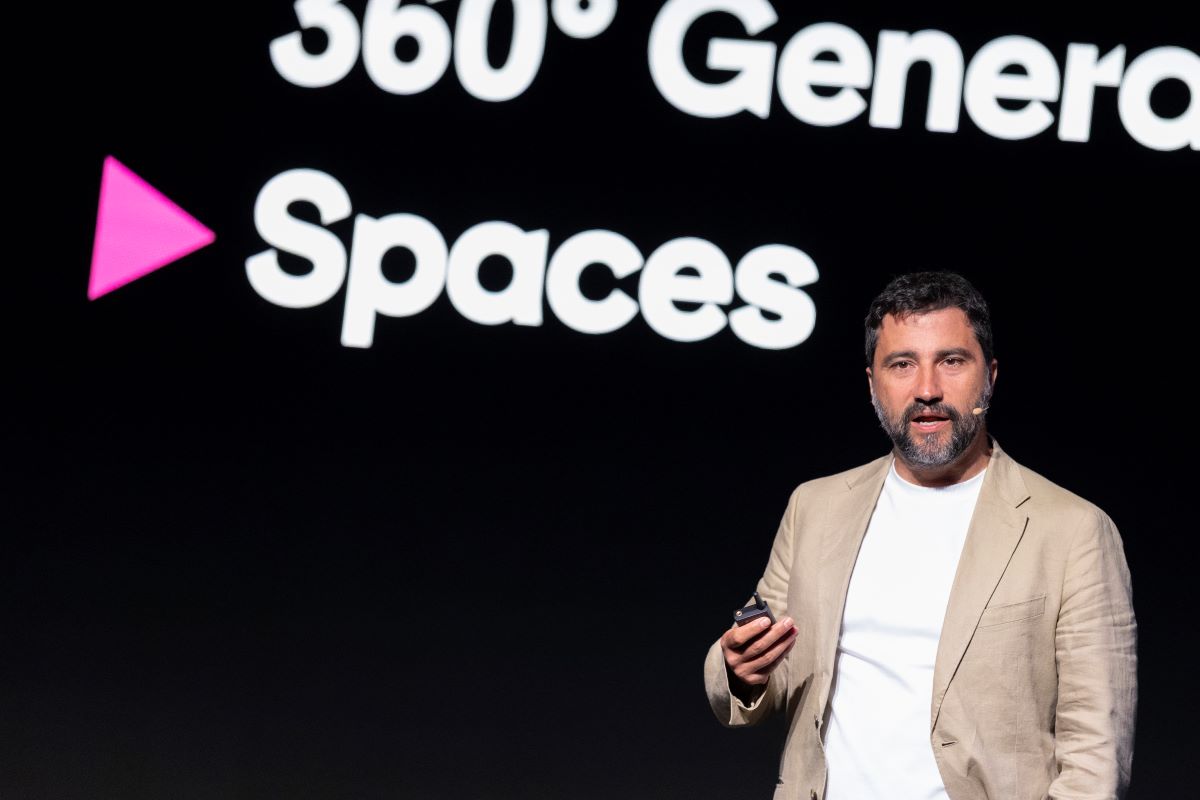
“Instead of having fewer people working on films, we’re going to have many more people working on films because, all of a sudden, when you can make a film, those things don’t go away – they become even more valuable than before.”
To understand this shift, one must look at the technology stack making it possible. User-friendly applications like Magnific serve as the interface, but they sit atop a robust engine of foundation video generation models – a space aggressively dominated by Chinese developers like Kling, Minimax and Seedance.
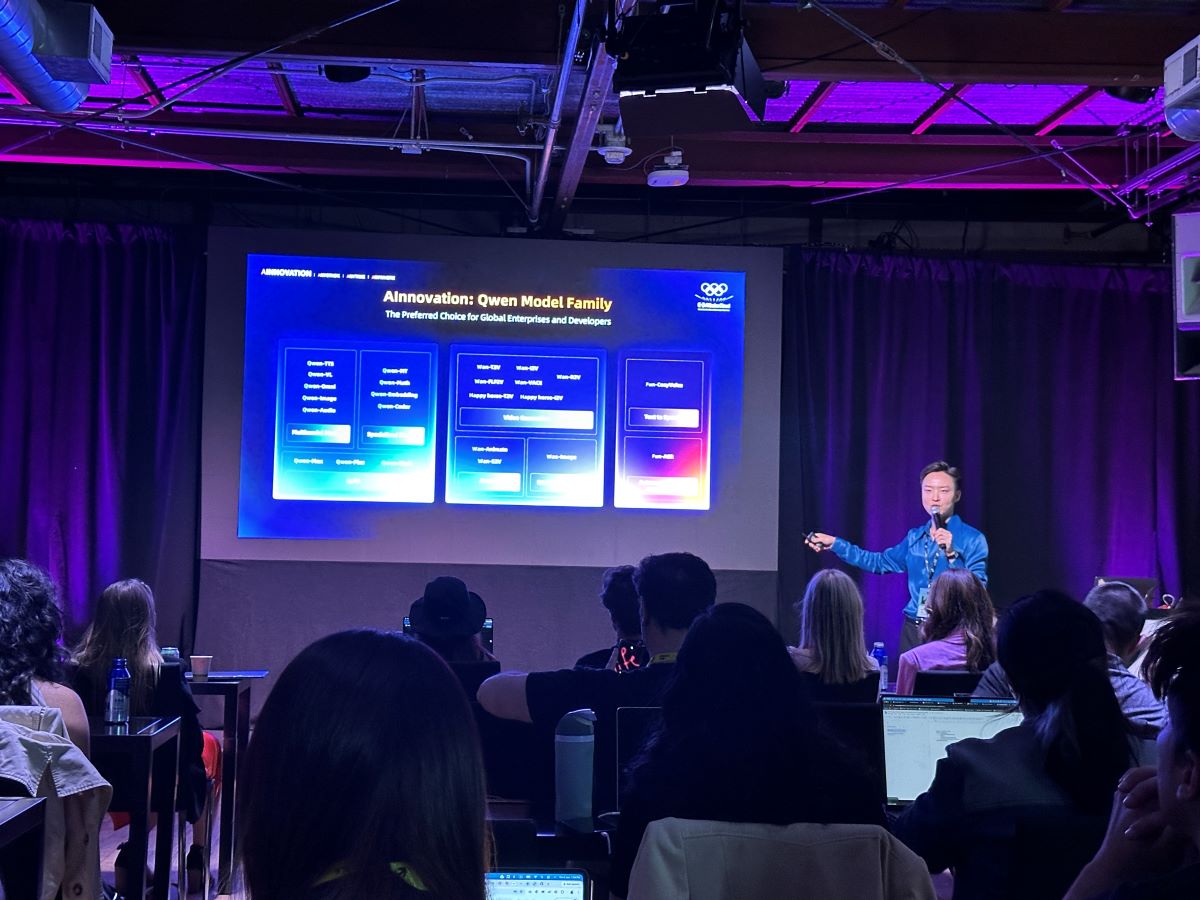
These models, in turn, rely on foundational cloud services and proprietary chips, such as those provided by Alibaba Cloud. Alibaba’s full-stack capabilities, spanning from its proprietary T-Head GPUs to the globally adopted Qwen model family, have made it the backbone for many companies working in this new international creative ecosystem.
Kling – a frontrunner in the foundation model space – is currently setting global standards for high-end video output.
Zheru Liu, a senior manager of global partnerships at Kling, noted that Chinese developers initiated the video model era and continue to push the boundaries of what's possible.
“Kling has always been leading the pack when it comes to cinematic quality,” she said. “We’re the first model to ever release a 4K native generation that’s very, very sought after by the film industry.”
This technological edge is also a cultural one. Wenhui Lim – the acclaimed Singapore-based artist known as "niceaunties – relies heavily on these tools to build her surreal, culturally rich “auntieverse”.
She emphasized that while early Western models struggled with accurate Asian representation, Chinese models now excel.
“Kling and Seedance are like two of the top models right now for animation,” she said. “The Chinese models, of course, are way better in representing our Asian subtleties and nuances.”
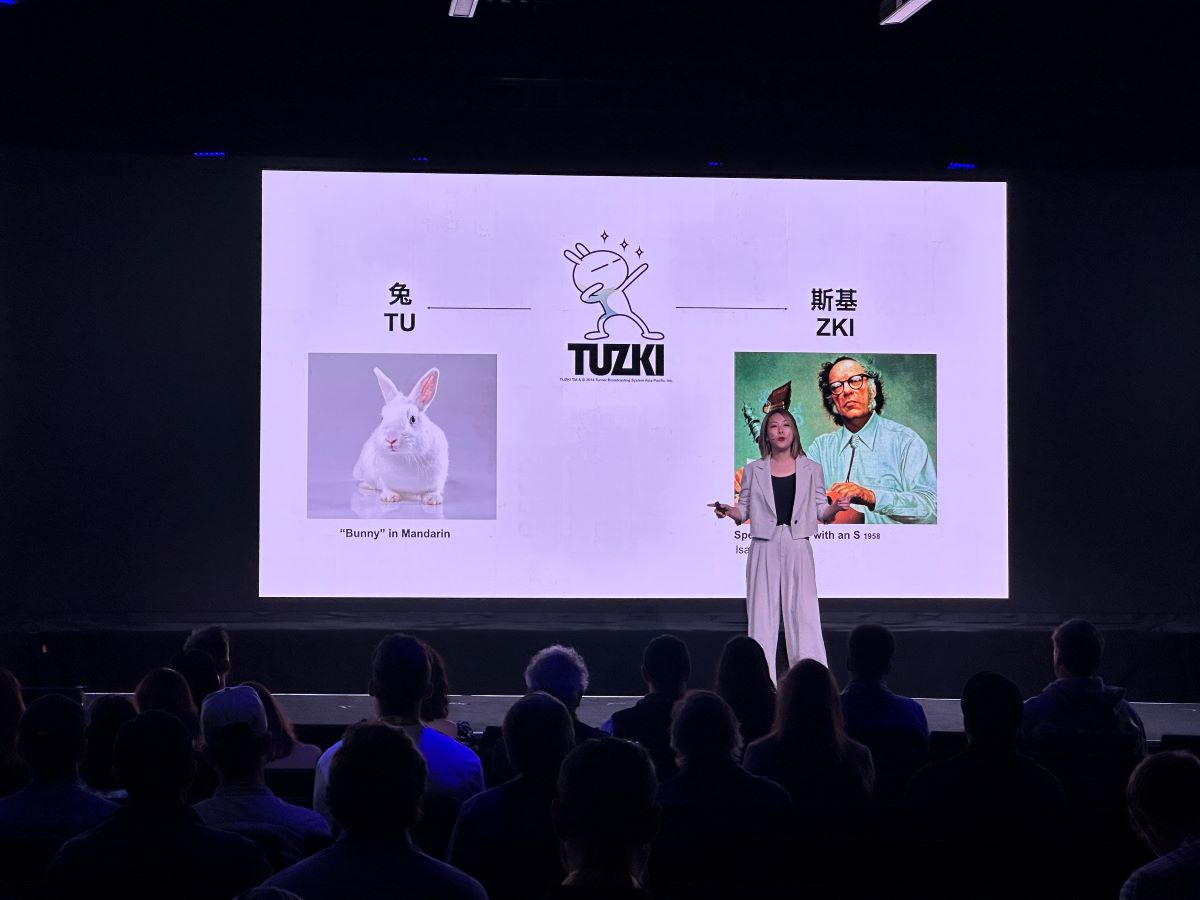
Despite the rapid advancement of this technology, the human element remains irreplaceable. Renowned Chinese animation director Momo Wang, who created the iconic IP Tuzki and the AI short film WINK, underscored this reality in her keynote address to the conference.
She noted that as AI compresses execution costs, personal experience becomes the true differentiator for any artist.
“When the tools are easy and cheap to access, nobody has to give up their dreams anymore,” Wang told the audience.
“Every moment of your life, up and down, the happy ones, the painful ones, the embarrassing ones … build up your voice, your perspective, your story. And that’s something no tool can generate, and no prompt can replace.”
As Upscale Conf demonstrated, the democratization of filmmaking is no longer a futuristic concept – it’s a present reality. With Chinese tech powerhouses laying the infrastructure and models, the “no-collar economy” is empowering a diverse new generation of global storytellers.
