

DAR ES SALAAM/KINSHASHA - The East African Community (EAC) will convene an extraordinary virtual meeting of health ministers from June 1 to 2 to coordinate a regional response to the ongoing Ebola outbreak affecting parts of East Africa, the regional bloc said in a statement on Sunday.
The meeting will focus on strategies to contain the outbreak caused by the rare Bundibugyo strain of the Ebola virus, for which there is currently no licensed vaccine or specific treatment, according to the statement.
It noted that the high-level session is part of urgent regional efforts following outbreaks reported in the Democratic Republic of the Congo (DRC) and Uganda.
The statement added that the outbreak is concentrated in eastern DRC, particularly Ituri province, a high-mobility area that raises concerns about further regional spread.
EAC Secretary General Stephen Mbundi said the bloc is strengthening preparedness through coordinated surveillance, laboratory diagnostics, infection prevention, and risk communication.
ALSO READ: WHO chief: Reconsider travel bans as DR Congo battles Ebola outbreak
"We are working closely with member states, Africa CDC and the WHO to prevent cross-border transmission and protect public health," Mbundi said.
Key interventions include deploying nine mobile laboratories at strategic border points, activating a pool of more than 180 rapid response experts, and rolling out specialized training for health workers, he added.
The EAC is also supplying personal protective equipment and advancing plans for a regional framework to fast-track approval of Ebola vaccines and diagnostics, the secretary general said.
The bloc urged member states to enhance surveillance, public awareness and emergency preparedness measures.
As a regional intergovernmental organization, the EAC comprises eight East African countries that work together to promote economic, political, and social integration. The member states are Burundi, the Democratic Republic of the Congo, Kenya, Rwanda, Somalia, South Sudan, Tanzania and Uganda.
Meanwhile, five patients infected with the Ebola Bundibugyo virus have recovered in Bunia, the capital of Ituri Province in northeastern Democratic Republic of the Congo (DRC), health authorities said Sunday.
READ MORE: 'Breakneck' Ebola epidemic in Congo outpaces world's response
Four of the recovered patients, all medical workers, were discharged on Sunday from an Ebola treatment center in Bunia after testing negative twice for Ebola, while another patient, a laboratory worker, had already returned home, according to the DRC's National Institute of Public Health.
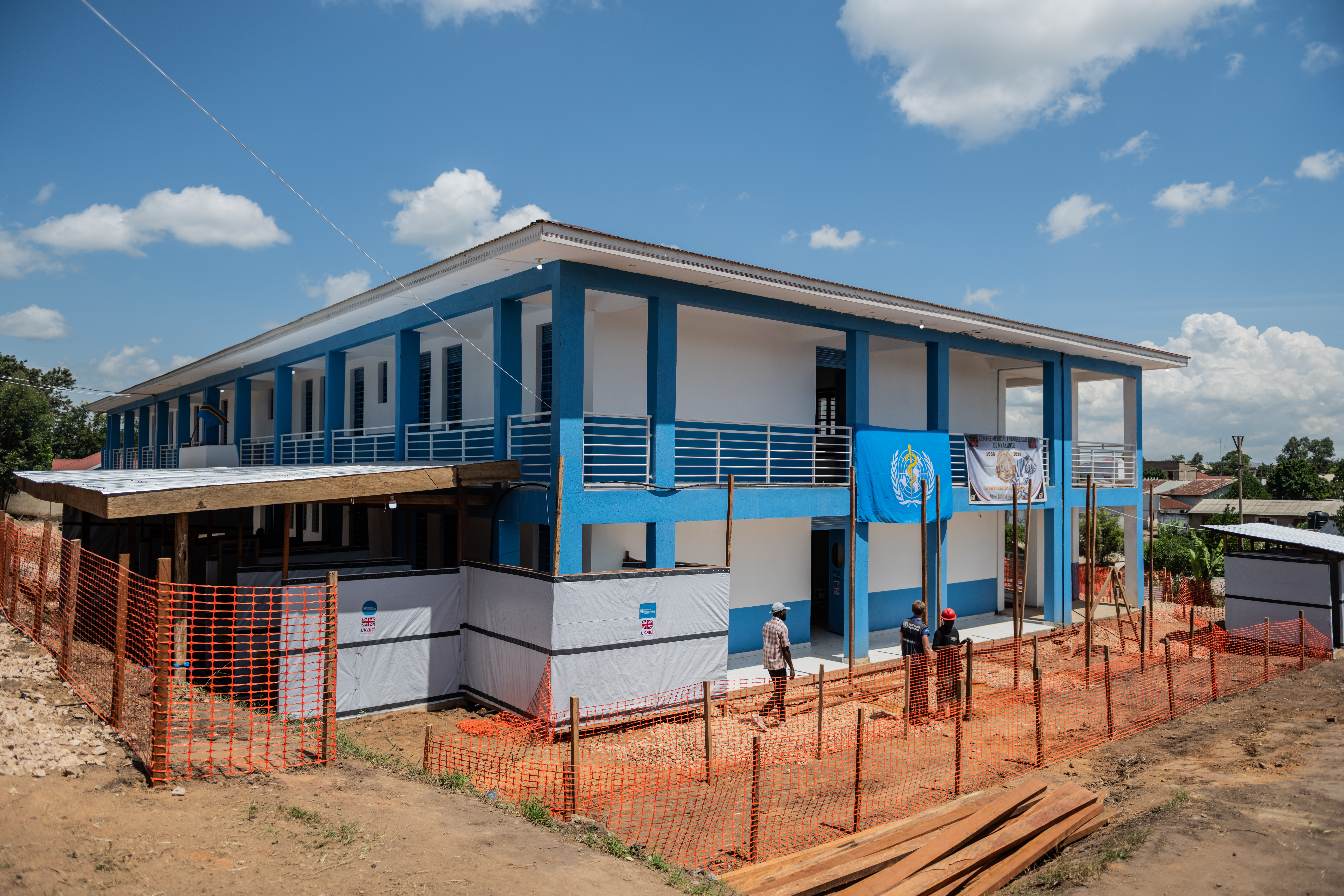
World Health Organization Director-General Tedros Adhanom Ghebreyesus was present in Bunia for the inauguration of a new Ebola treatment center and hailed the recoveries.
"We are still working on vaccines and treatments, but that does not mean that people cannot recover from Ebola," Tedros said.
The recoveries came as the DRC stepped up laboratory testing and case management in affected areas. DRC Health Minister Roger Kamba said Saturday that there were no pending samples awaiting laboratory testing, stressing that response teams were continuing surveillance, contact tracing, and case verification.
The DRC Health Ministry said Sunday that 263 confirmed cases had been reported in the country as of May 29, including 42 deaths among confirmed cases.
Director-General of the Africa Centres for Disease Control and Prevention Jean Kaseya said on Sunday that more than 1,100 test results were still pending as of May 30.
