

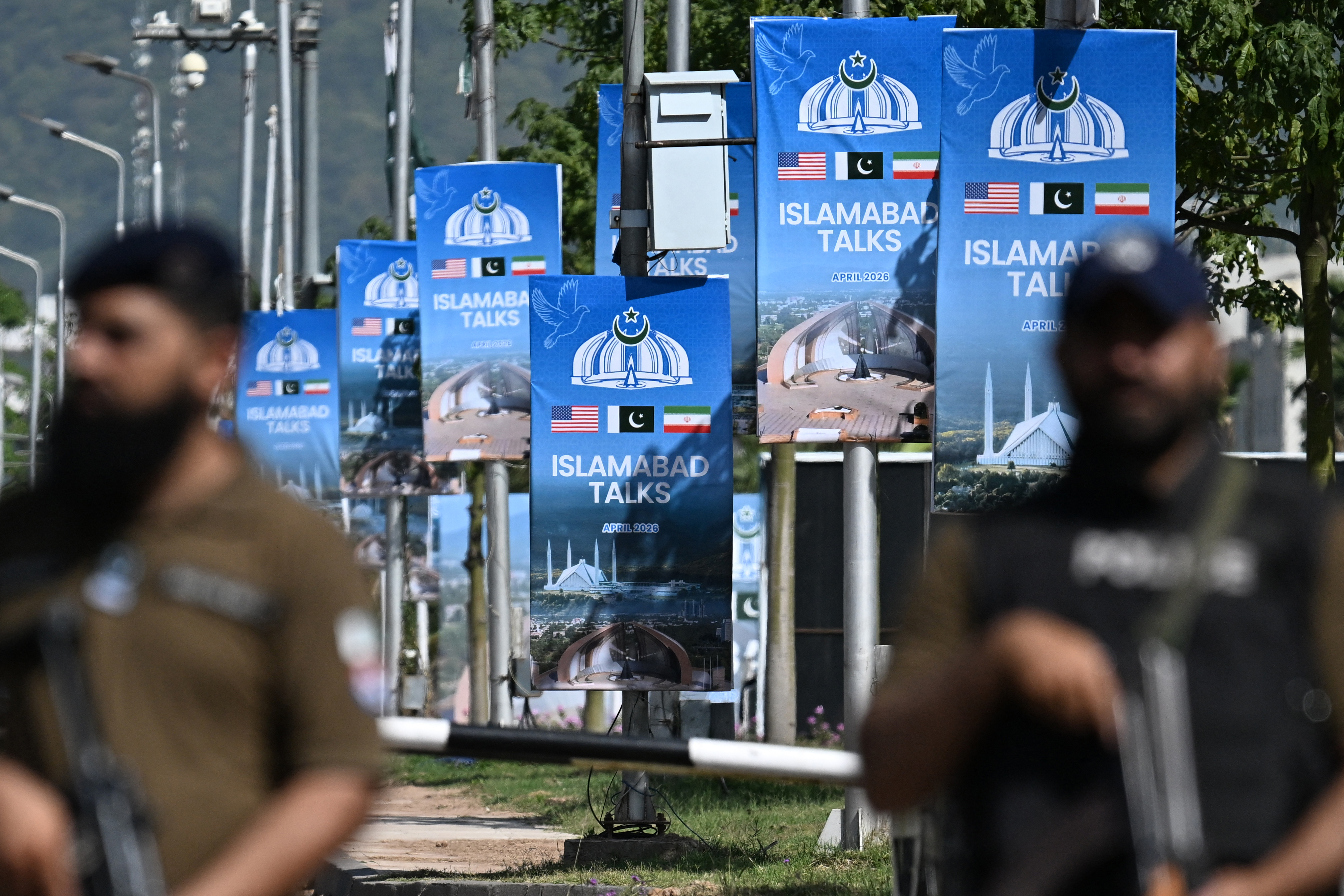
TEHRAN/WASHINGTON/ISLAMABAD/LONDON - Iran's Foreign Minister Seyed Abbas Araghchi said Monday that US "provocative actions" and ceasefire violations are major obstacles to continuing peace negotiations between the two countries.
During separate phone calls with his Pakistani and Russian counterparts, Araghchi condemned US actions against Iranian commercial shipping, including the reported seizure of the container vessel Touska and its crew, and cited "contradictory positions and rhetoric of threat" from Washington, according to a Foreign Ministry statement.
A ceasefire that took effect on April 8 after 40 days of fighting remains fragile. Pakistan has mediated indirect talks between Tehran and Washington, hosting a first round in Islamabad on April 11 and 12, but Iran has not confirmed participation in another round.
ALSO READ: Uncertainty remains ahead of expected US-Iran talks as mediation efforts continue
Iran's semi-official Tasnim news agency reported that Tehran's attendance depends on Washington meeting preconditions. It cited a US naval blockade and "excessive demands" as key obstacles.
Araghchi said Iran would decide whether to continue diplomacy based on "all aspects of the issue" and US behavior, adding that Tehran would take steps to protect its interests and national security.
Pezeshkian: Iranians do not submit to force
Iranian President Masoud Pezeshkian said Monday that Iranians "do not submit to force," accusing the United States of seeking his country's surrender.
He made the remarks in a post on the social media platform X, amid uncertainty over Iran's participation in a second round of talks with the United States in Islamabad.
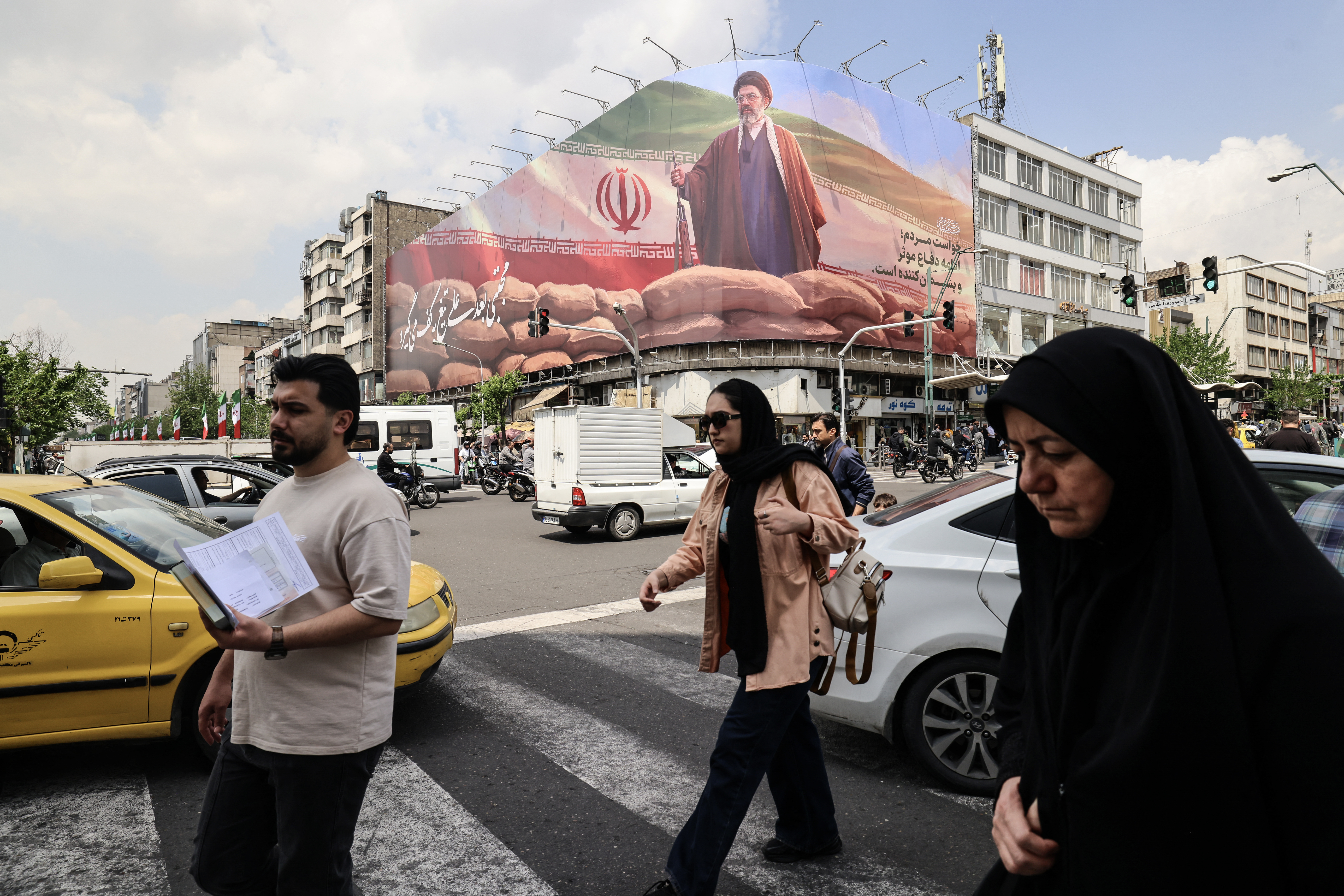
"Honoring commitments is the basis of meaningful dialogue," Pezeshkian wrote. He said deep mistrust persists in Iran toward US conduct and that "unconstructive and contradictory signals" from American officials suggest they seek Iran's surrender. "Iranians do not submit to force," he added.
The comments came after Iranian media reported Monday that Iran has not changed its decision not to attend the next round of talks, despite US President Donald Trump saying Vice-President JD Vance and other officials were traveling to Pakistan.
Trump: Ceasefire extension highly unlikely
Trump said Monday it is "highly unlikely" he would extend a two-week ceasefire with Iran if a deal is not reached before it ends this week, according to a Bloomberg report.
The Strait of Hormuz would remain blocked until a peace agreement is finalized, Trump said in a phone interview.
"They want me to open it. The Iranians desperately want it opened. I'm not opening it until a deal is signed," he said. Oil prices jumped as Washington maintained its blockade and the US Navy seized an Iranian-flagged ship over the weekend.
ALSO READ: Iran partially reopens airspace, Trump says deal in 'next day or two'
"I'm not going to be rushed into making a bad deal. We've got all the time in the world," Trump said.
He said the truce, which he announced on April 7, will expire on Wednesday evening US Eastern Time.
Asked if he expects strikes to resume immediately afterward if no deal is reached, Trump said: "If there's no deal, I would certainly expect."
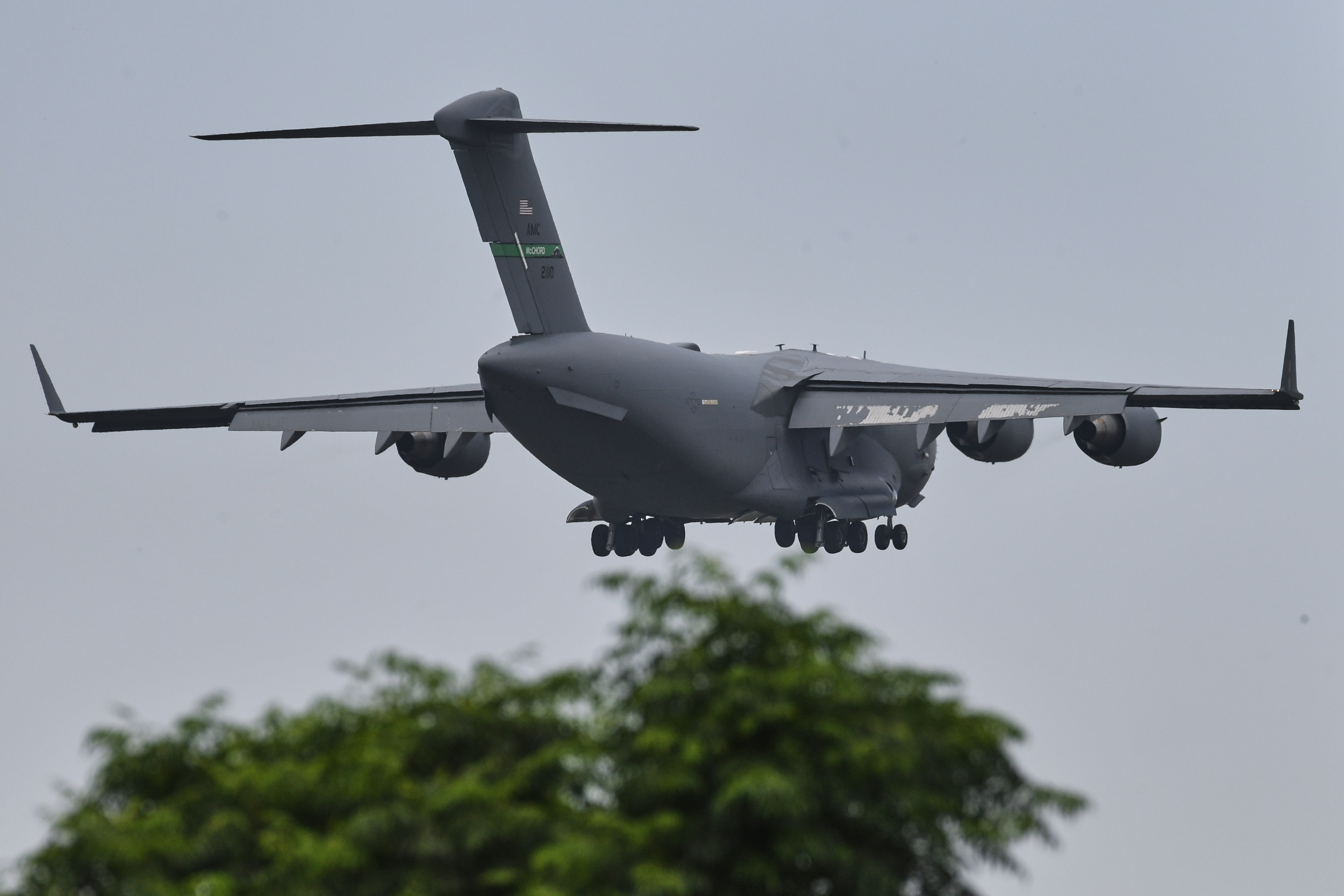
As of Monday morning, US forces have turned back 27 ships to or from Iranian ports, the US Central Command said on X.
Tensions follow joint US-Israeli attacks on Tehran and other Iranian cities beginning Feb 28, which killed Iran's then-Supreme Leader Ali Khamenei, senior commanders, and civilians. Iran responded with waves of missile and drone strikes targeting Israel and US assets in the Middle East.
Pakistan completes preparations for talks
Pakistan's Interior Minister Mohsin Naqvi informed Iran's Ambassador to Pakistan Reza Amiri Moghadam on Monday that preparations for the second phase of talks in Islamabad have been completed, said the interior ministry.
According to a statement, the minister met with the ambassador to discuss arrangements for the second round of talks, saying that foolproof security arrangements have been put in place for visiting foreign delegations.
The Iranian envoy appreciated Pakistan's "positive and constructive role" in efforts aimed at reducing tensions and facilitating dialogue in the region, the statement said.
Iran reopens two main airports
Meanwhile, Iran's Civil Aviation Authority the permit has been issued for the resumption of passenger flights at the Imam Khomeini International Airport and Mehrabad International Airport in the capital Tehran starting Monday, the semi-official Fars news agency reported.
Passenger flights at airports in Urmia, Abadan, Kermanshah, Shiraz, Kerman, Rasht, Yazd, Zahedan, Gorgan, and Birjand will also resume as of Saturday, the authority said in a statement cited by Fars.
Separately, Iran announced on Sunday that international flights from Mashhad International Airport in the northeastern province of Khorasan Razavi would restart the next day.
IMO urges maximum alert
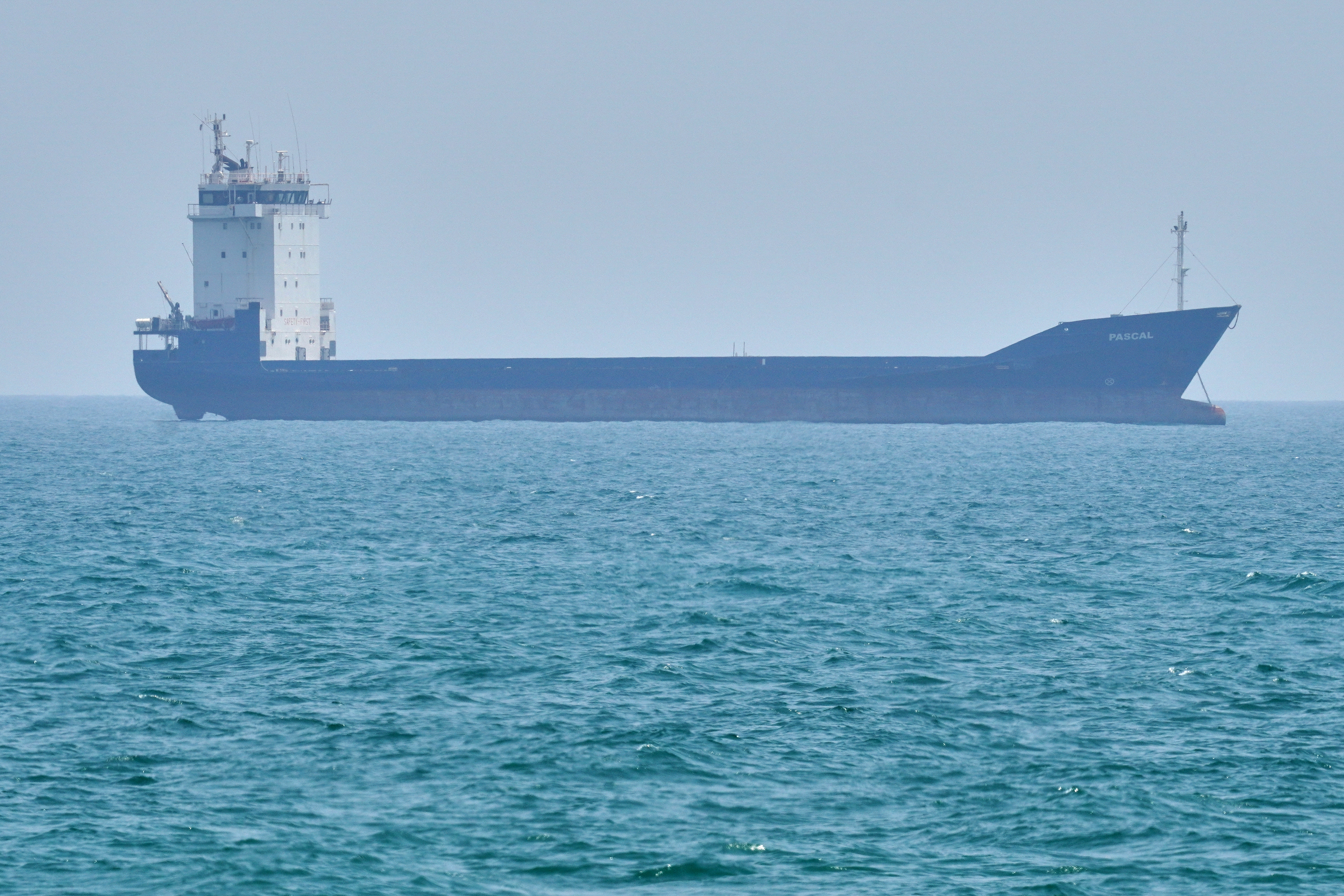
Also on Monday, a spokesperson for the International Maritime Organization said on Monday that the situation in waters near the Strait of Hormuz remains volatile, urging vessels in the area to take maximum caution.
"The situation continues to be volatile. Ships should take maximum caution and not take risks without security guarantees," the spokesperson said in a statement.
According to information released on the IMO website, as of April 19, a total of 24 attacks on ships in the affected waters had been confirmed, resulting in the deaths of 10 seafarers.
