

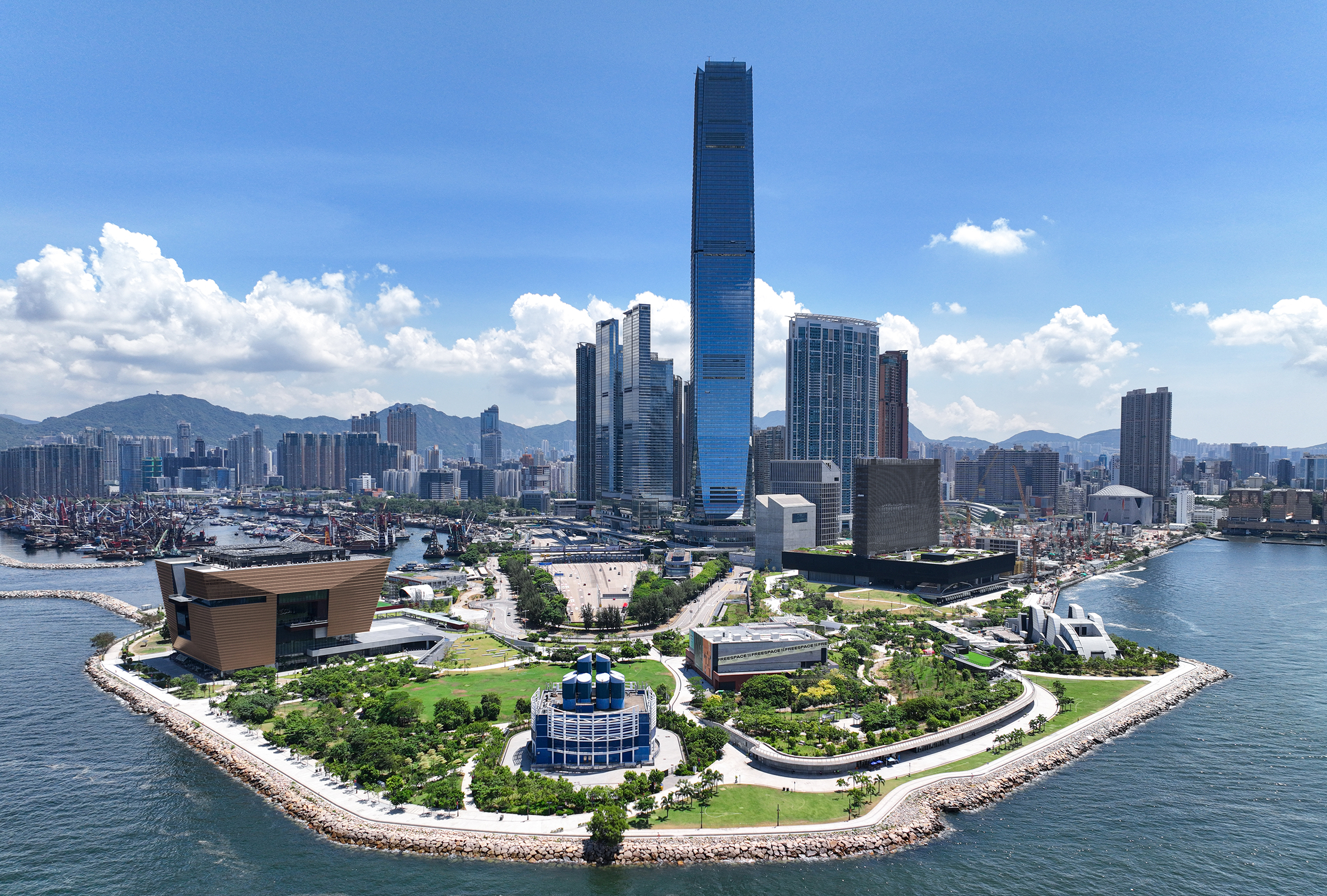
HONG KONG - The West Kowloon Cultural District of Hong Kong features an 11-hectare waterfront art park where people stroll with pets, picnic, admire outdoor installations, and run freely.
"One of the great successes of the West Kowloon Cultural District is that it has become everyone's 'city living room,'" said Bernard Charnwut Chan, chairman of the Board of the West Kowloon Cultural District Authority.
In 2025, the district welcomed over 17 million visitors, and nearly 70 percent of those at its two museums came from the Chinese mainland and overseas, according to Chan.
"More than 20 years ago, it was hard to imagine that Hong Kong would have such a world-class cultural district. Today, the development and influence of the West Kowloon Cultural District have far exceeded our original expectations," Chan said.
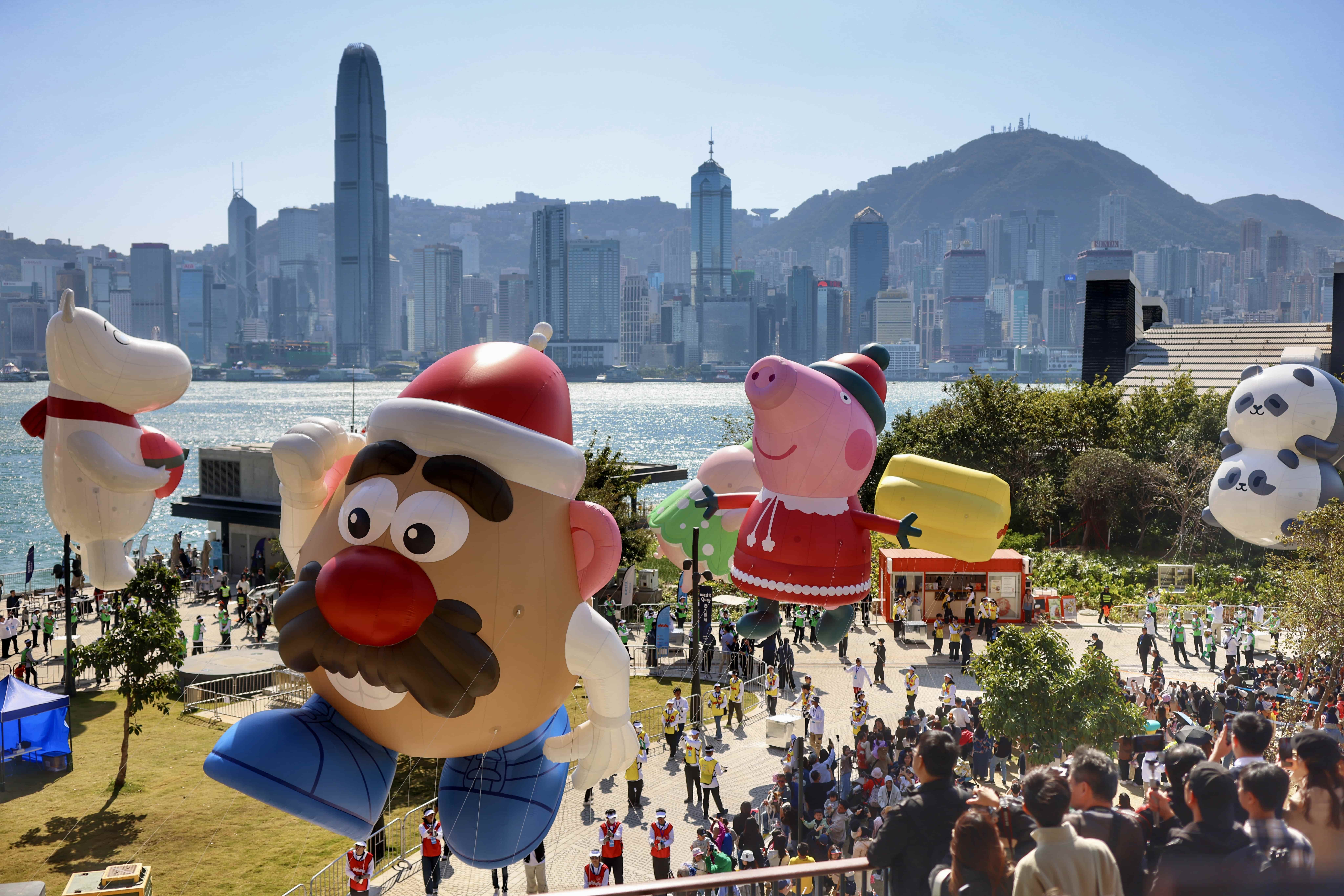
Back in March 2024, the West Kowloon Cultural District was still "green." The Hong Kong Palace Museum had just opened, M+ Museum was building its international reputation, and the Xiqu Center had only recently begun presenting Cantonese opera performances along Victoria Harbor.
ALSO READ: Drum carnival set for Dec 8 in West Kowloon Cultural District
"At that time, we wanted to build a platform for dialogue between Chinese and foreign cultures, but we weren't sure how much response we would get from global peers," Chan recalled.
As a highlight of Hong Kong's Art March 2024, the inaugural Hong Kong International Cultural Summit was hosted in the West Kowloon Cultural District. The three-day summit gathered more than 2,000 representatives from cultural institutions worldwide. The district signed letters of intent with 21 leading arts organizations from 11 countries and regions, 80 percent of which have since been implemented.
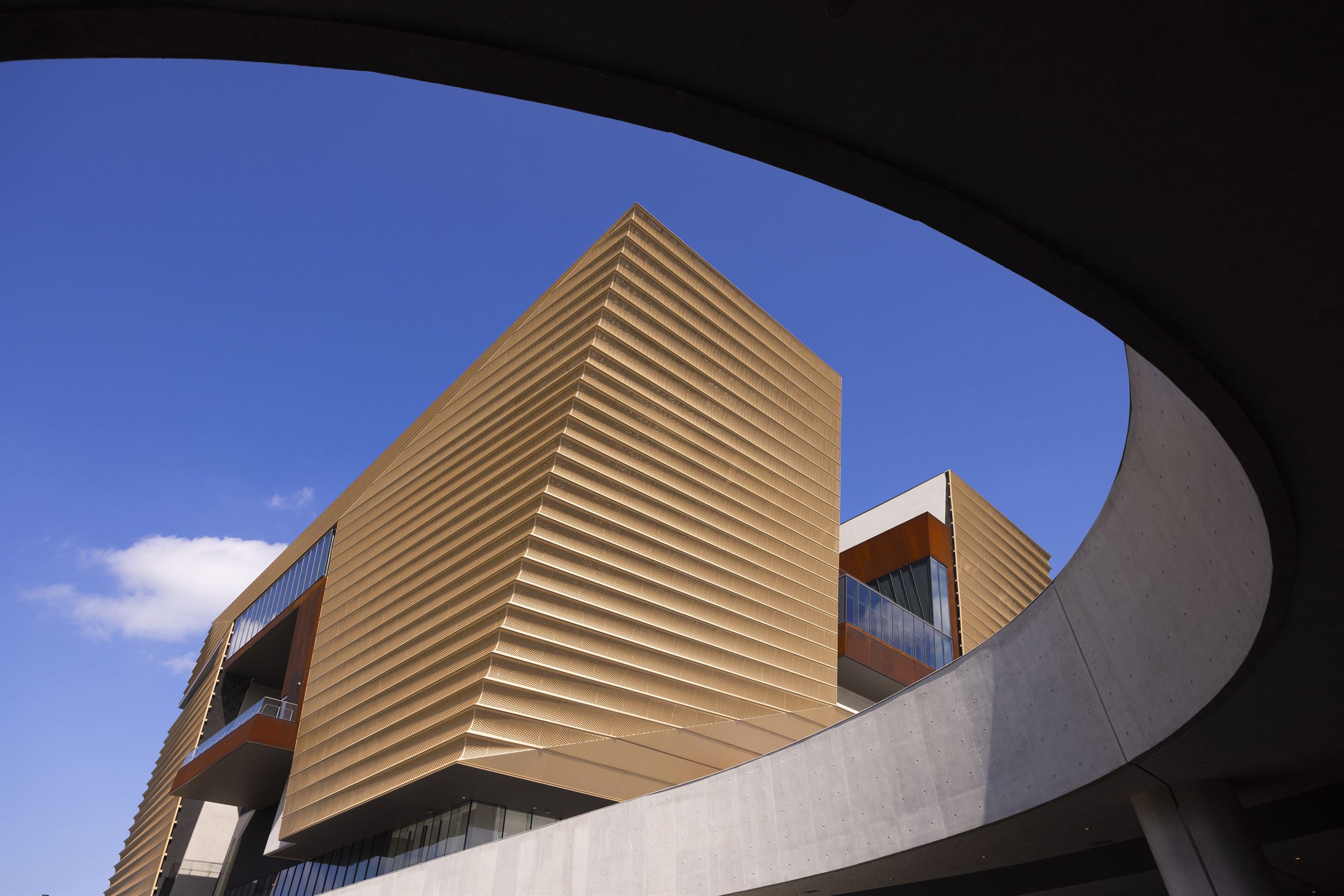
It has taken just over two decades for the West Kowloon Cultural District to grow from reclaimed land into a world-class cultural hub.
"Compared with New York and London, Hong Kong's West Kowloon Cultural District is young but has unique advantages. It is rooted in Chinese culture while embracing an international outlook," Chan said.
On this 40-hectare cultural soil, the Hong Kong Palace Museum and the Xiqu Center carry the heritage of the East, while M+ Museum and Freespace convey the voice of contemporary art. The WestK Performing Arts Center, set to open in 2027, will host outstanding dance and theater works from around the world. In this place, Chinese and Western cultures coexist and thrive together.
The district is committed to bringing culture closer to people, ensuring everyone can access and enjoy it through diverse cultural experiences.
Every March, the globally renowned Art Basel Hong Kong takes place, accompanied by exhibitions, auctions and cultural events, turning Hong Kong into a gathering place for art lovers worldwide.
Chan noted that many internationally recognized cultural events now consider Hong Kong a must-visit destination, and the city's cultural sector is gradually reaching a level comparable to its financial industry.
"In the future, the West Kowloon Cultural District will continue to deepen cooperation with international and mainland partners through museums, performance venues, and other platforms. This will further strengthen Hong Kong's role as a hub for cultural exchange between China and the world," Chan said.
