

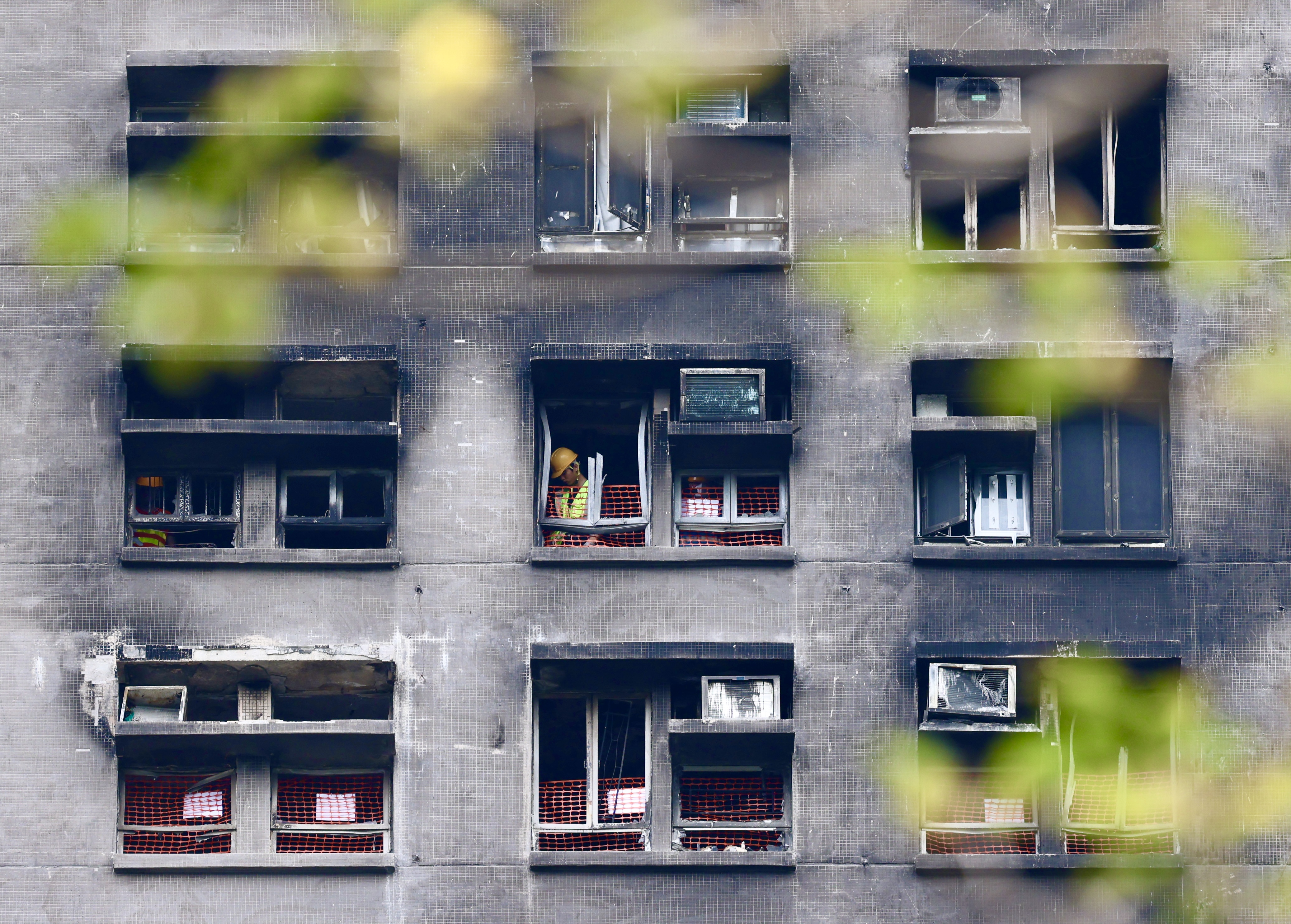
The Hong Kong Special Administrative Region government has vowed to push for systemic reforms to meet its “inescapable supervisory responsibility” and the “institutional inadequacy” that arose from the deadly fire at Wang Fuk Court in November last year, the independent committee tasked with investigating the blaze was told on Tuesday.
Pledging to actively support the committee’s work at the third session of the first-round evidential hearings, government counsel Jenkin Suen said Chief Executive John Lee Ka-chiu has repeatedly emphasized that the investigation will be thorough, accountability will be fully enforced, and serious reforms will be implemented.
The SAR authorities have already taken action -- immediately and over the medium to long term -- and will press ahead with improvements without waiting for the committee’s report.
Suen said following the committee’s submissions last week and the media’s extensive coverage, the public got the wrong impression that a conclusion that has been reached, causing some individuals and families affected by the inferno to have been doxxed and their personal information leaked online.
To avoid giving residents the perception of a “prejudgment before trial”, he reiterated there has been no conclusion so far, and witnesses have not yet explained or responded to the evidence.
“The authorities have been fully cooperative and transparent throughout, answering the committee’s questions without concealment regardless of whether the questions are favorable to the government, and is moving at full speed to review the current mechanisms, as they require review and consultation.”
ALSO READ: Tai Po fire: Hearing uncovers bid-rigging, oversight failures
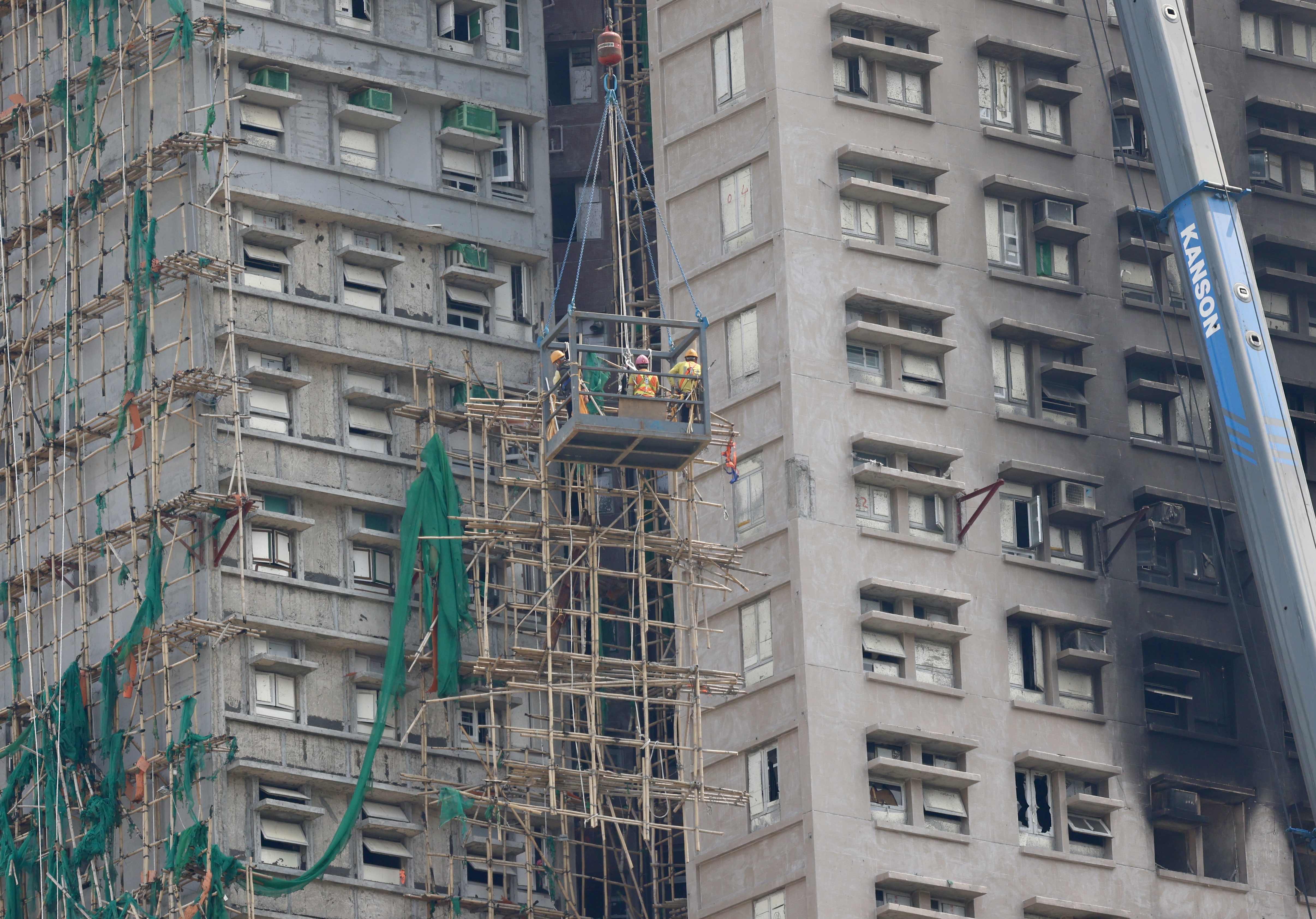
The counsel noted that the scale of the response from the Fire Services Department and the police has been unprecedented, including additional firefighting measures “in accordance with procedures” in response to the deactivation of the fire hose system at the Wang Fuk Court in Tai Po District, reflecting their professionalism and dedication.
However, Suen stressed that fire services personnel have never received any notification form regarding the deactivation of the fire alarm system.
On the responsibility of various departments to inspect and oversee maintenance work at the residential estate, Suen said the Housing Bureau’s Independent Checking Unit, under its existing mechanism, was not required to conduct constant on-site inspections during the construction period.
The unit, he noted, oversaw the project in accordance with the minor works system at the relevant times, while the Labour Department and the FSD had also carried out their supervision based on their respective areas of expertise. “The issue isn’t whether a division of responsibilities is needed or justified, but how to make it more comprehensive.”
ALSO READ: Independent committee holds first evidential hearing on Tai Po fire
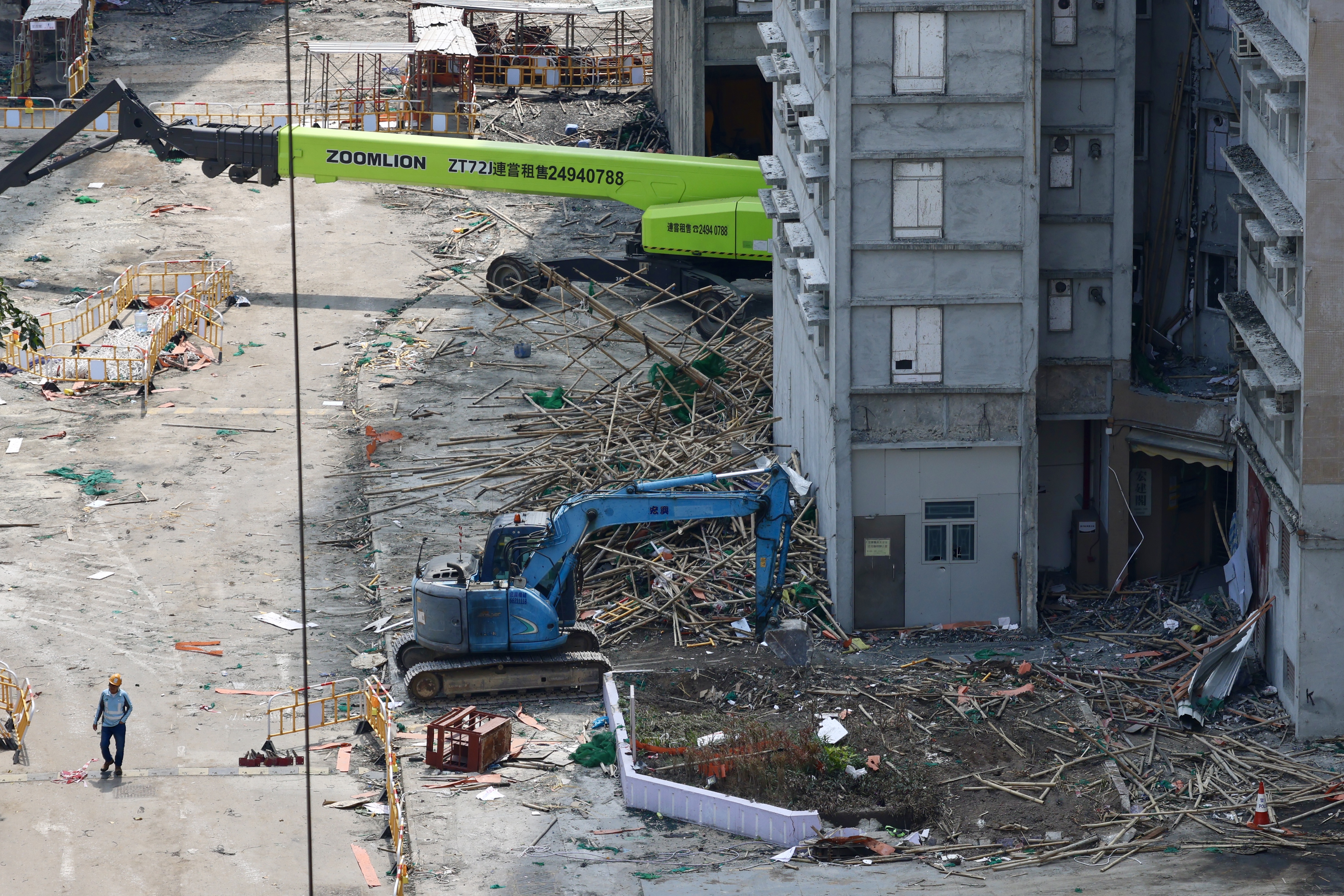
Suen also responded to three questions raised by the investigation committee’s leading counsel, Victor Dawes last week, including addressing the ICU’s pre‑arranged inspection and that appointments were needed so that the contractor’s inspectors could be present.
“Systematic enhancements will be made to policy formulation, routine inspections, enforcement operations, and emergency crisis response,” he said, reiterating the government’s sincere and open approach, its full cooperation, and its commitment to drawing profound lessons from the blaze to drive meaningful systemic reforms.
In addition, three Wang Fuk Court residents — Leung Ho-hin, who lived in Wang Shing House, and Tse Yuk-wa and Ko Yee-lui, who lived in Wang Cheong House— also provided evidence. None of them heard the fire alarm, and all three said that from the time the scaffolding was erected, it was common to see workers smoking there, and they knew many residents had complained.
Ko said she never lodged an official complaint because she felt “residents’ complaints wouldn’t stop them smoking”.
Leung remarked that by now the scaffolding netting could have been removed, allowing sunlight in and life to return to normal, but because of the fire, some residents may never return to the neighborhood.
“There were many opportunities to prevent the tragedy, but what has happened cannot be changed,” he said.
Ko said she felt fortunate to have been able to escape but regretted not knocking on doors to alert more neighbors. “I didn’t do enough, but can you do a better job to find out the truth?” she said.
Meanwhile, the government has decided that the second and third round of the evidential hearings, with a total of 13 sessions, will continue next month. Members of the public who intend to attend the six sessions of the second round -- from April 8 to 17 -- can register online from 10am on Wednesday to 10am on Saturday.
The committee will continue to receive oral evidence from witnesses, including evidence from Wang Fuk Court residents and representatives of the parties involved.
The committee plans to continue conducting evidential hearings in May, with details to be announced later.
