

US-Israeli aggression sees diplomatic fallout with no signs of end to conflict
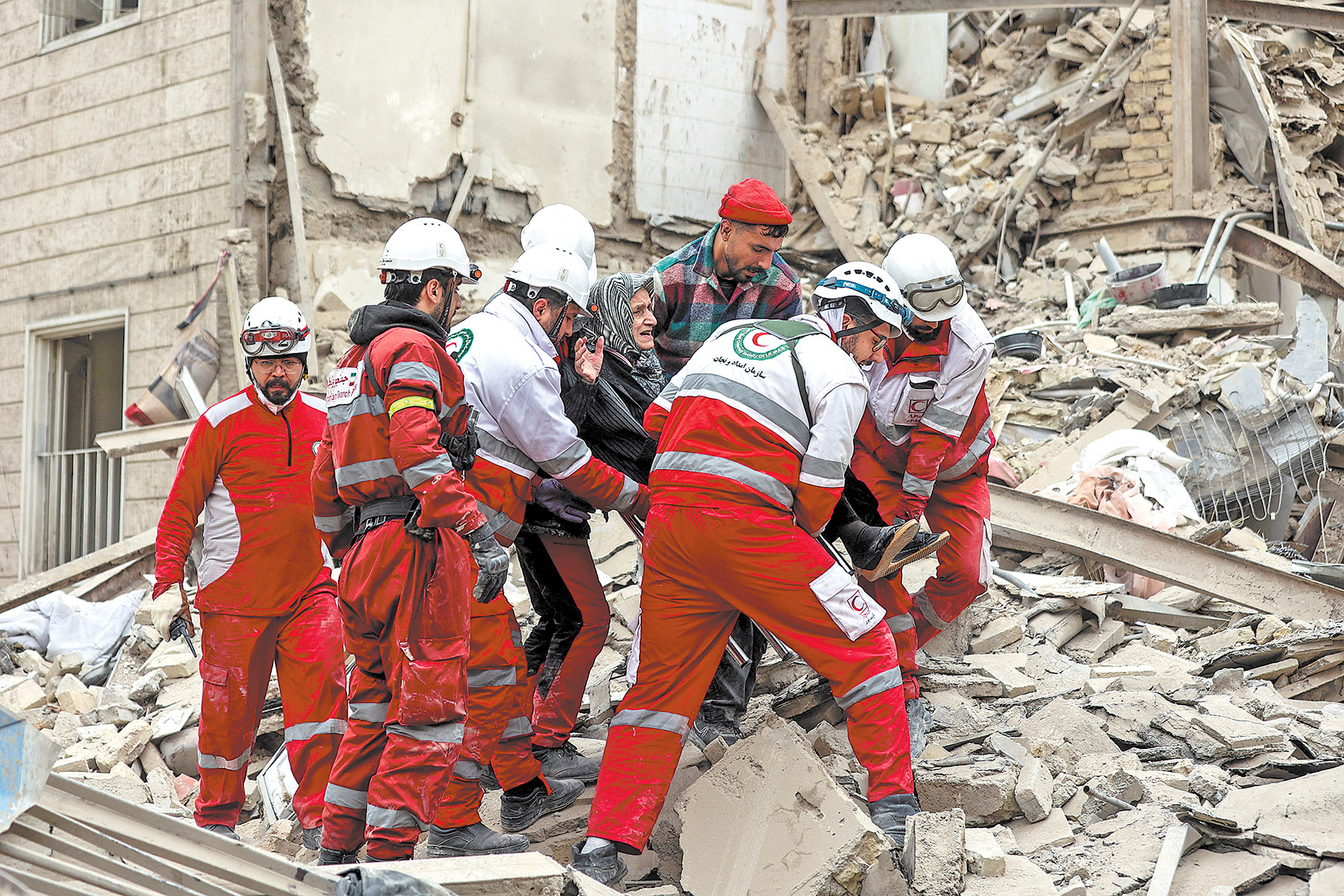
Attacks by the United States and Israel against Iran face a “crisis of legitimacy” after several of Washington’s allies refused to join its military campaign in the Middle East, analysts say.
On March 16, European countries such as Spain, Germany and Portugal, as well as the European Union, rejected Washington’s request for a military mission to reopen the Strait of Hormuz, which Iran has closed to “enemies and those supporting their aggression”.
Arsenio Dominguez, head of the United Nations’ International Maritime Organization, told the Financial Times that military escorts guiding the tankers through the Strait of Hormuz were not a “100 percent guarantee” of safe passage.
Abdolreza Alami, director of the Asia West East Centre in Kuala Lumpur, Malaysia, told China Daily that the growing refusal by Washington’s traditional allies to join this conflict signified a logistical bottleneck and “crisis of legitimacy” for US and Israeli military operations.
Washington’s key allies in Europe, Asia and Oceania, and even Arab allies, have described the war “not as a collective defense, but as a war of choice”, Alami said.
He noted that the countries’ refusal to deploy naval forces to reopen the Strait of Hormuz has left Washington alone to secure a route that carries about 20 percent of the world’s energy flow.
This strategic isolation increases the costs of maintaining a prolonged campaign and exposes US forces to asymmetrical pressures without sharing the financial and military burden with allies, Alami said.
Late on March 16, Iran’s President Masoud Pezeshkian said in a post on X that in his conversation with French President Emmanuel Macron, he emphasized that Iran “did not begin this atrocious war” and that “defending against invasion is a natural right”.
“Using the American bases against Iran in the region, with the purpose of disturbing our relations with our neighbors, should be stopped,” Pezeshkian said.
“Peace and stability in the region cannot be achieved while disregarding the Zionist-American invasion in our country. The Islamic Republic of Iran will not surrender to bullies,” he said.
Iran expects the global community “to condemn this invasion and convince invaders to respect international laws”, he added.
Alami said that for Iran, the discord within the Western consensus creates a strategic opportunity.
“The decline in international support for the US has allowed Tehran to frame its retaliatory actions as ‘legitimate defense’ against unilateral aggression, thereby strengthening its diplomatic position,” he said.
“Ultimately, Iran’s goal is not merely to impose economic pain, but to pressure America’s allies into pushing Washington toward de-escalation and a cessation of attacks,” he added.
Israel said on March 17 that it killed two senior Iranian security officials in overnight strikes.
Ali Larijani, secretary of Iran’s Supreme National Security Council, and Gholamreza Soleimani, commander of Iran’s Basij volunteer force, were “eliminated last night”, Defense Minister Israel Katz said.
The killing of Larijani marked the highest-profile assassination since Iran’s supreme leader Ali Khamenei and other senior figures were slain on Feb 28.
An Israeli military official said the army had also targeted a top military commander of Palestinian Islamic Jihad, Akram al-Ajouri, in a strike in Iran and was assessing whether he had been killed.
In Baghdad, Iraq, a drone and rocket attack targeted the US embassy early on March 17, while a strike killed four people at a house reportedly hosting Iranian advisers.
The strikes came hours after air defenses thwarted a rocket attack at the embassy and a drone sparked a fire at a luxury hotel frequented by foreign diplomats in Baghdad’s fortified Green Zone.
Meanwhile, envoys from the US-led “Board of Peace” met representatives of Palestinian militant group Hamas in Cairo, Egypt, over the weekend, regarding the Gaza ceasefire, which the regional strikes had largely overshadowed.
Jawaid Iqbal, vice-chancellor of Baba Ghulam Shah Badshah University in India, said Israel shut down Gaza’s border after the onset of the Iran war, citing security reasons. It later allowed limited aid into Gaza, but refused to open the sole pedestrian crossing at Rafah.
Hamas warned that it would withdraw from the ceasefire pact if Israel prolonged the new restrictions imposed during the Iran war.
Agencies and Xinhua contributed to this story.
Contact the writers at jan@chinadailyapac.com
