

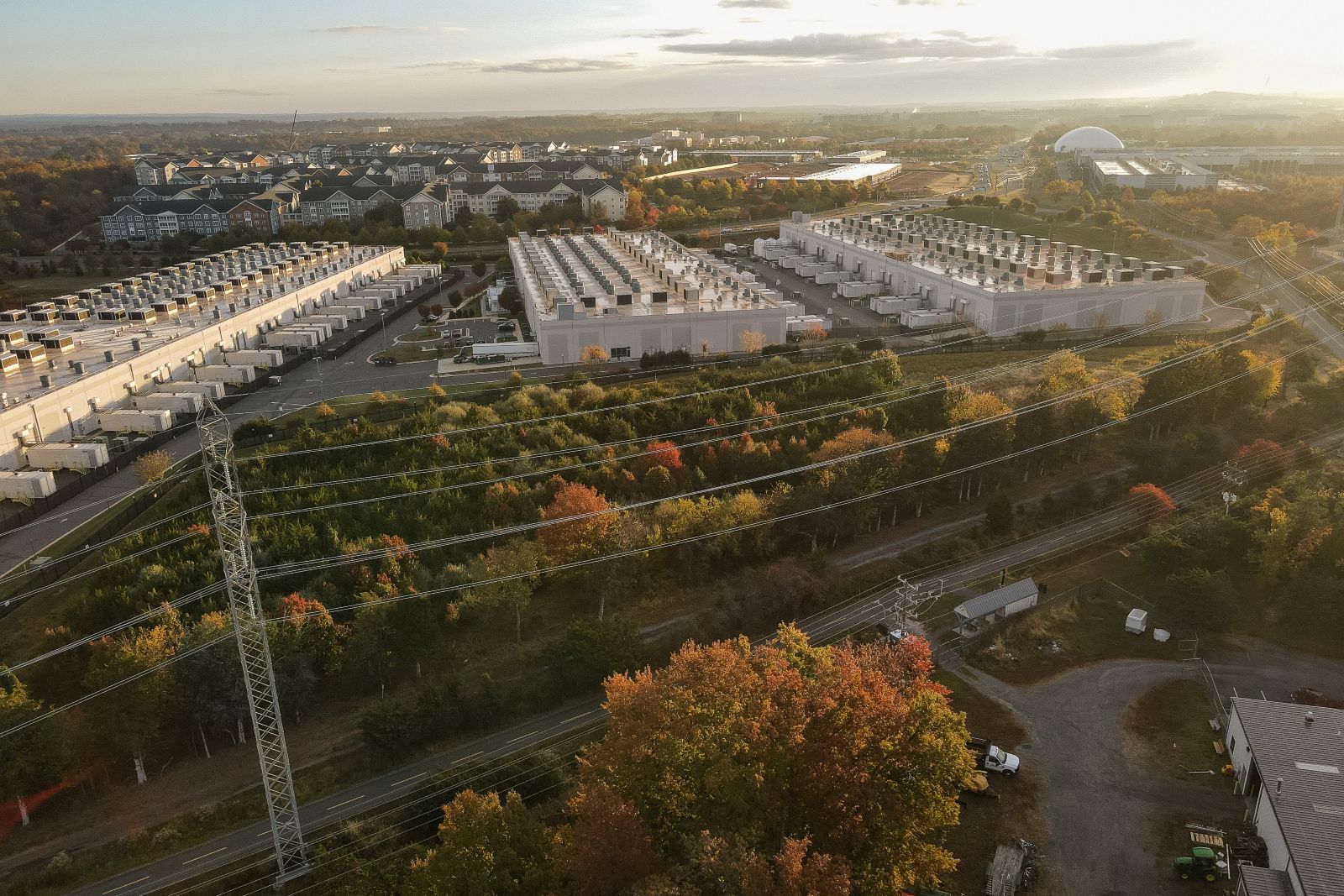
Amazon.com Inc shares dropped after the company announced plans to spend $200 billion this year on data centers, chips and other equipment, worrying investors that its colossal bet on artificial intelligence may not pay off in the long run.
The company reported spending roughly $130 billion on property and equipment in 2025. Analysts anticipated those expenses would reach about $150 billion this year.
Chief Executive Officer Andy Jassy said the money “predominantly” would go toward the company’s Amazon Web Services cloud unit, and most of that spending would be for AI workloads.
“I think this is an extraordinarily unusual opportunity to forever change the size of AWS and Amazon as a whole,” Jassy said Thursday on a conference call. “We see this as an unusual opportunity and we’re going to invest aggressively to be the leader.”
RELATED ARTICLES
- Amazon axes 16,000 jobs as it pushes AI and efficiency
- Report: Nvidia, Microsoft, Amazon in talks to invest up to $60b in OpenAI
- OpenAI in talks to raise $10 billion from Amazon, use its chips
- Amazon to use Nvidia tech in AI chips, roll out new servers
- OpenAI turns to Amazon in $38b cloud services deal after restructuring
The spending will weigh on profits, with Amazon giving a forecast for operating income in the current quarter of $16.5 billion to $21.5 billion. Analysts, on average, estimated $22.2 billion.
The shares fell about 10 percent in extended trading after closing at $222.69 in New York. Amazon’s stock had declined 3.5 percent this year through Thursday’s close.
Microsoft Corp and Alphabet Inc, which reported results earlier, also spent more heavily than anticipated, sending their shares down amid mounting worries that demand for AI services doesn’t warrant the massive outlays.
AWS revenue rose 24 percent to $35.6 billion — the biggest quarterly growth in more than three years, the company said in a statement. Operating income for the cloud unit was $12.5 billion.
“The negative reaction is a result of bigger increases to capex than to AWS revenue,” said Gil Luria, an analyst at DA Davidson & Co.
“Much like Microsoft, investors are concerned that investments are growing faster than returns, and that Amazon, Google and Microsoft are locked in an escalating build-out that may not work out for all of them.”
Some of Amazon’s capital expenditures will go toward its effort to compete with SpaceX’s Starlink internet service by placing satellites in low-Earth orbit; increasing the use of robotics in its logistics operation to help speed e-commerce deliveries; and opening new Whole Foods grocery stores. But the bulk of the $200 billion will finance Amazon’s effort to meet demand for computing power from AI customers, Jassy said.
The CEO said AWS had an order backlog, meaning sales it expects to recoup in the future, of $244 billion in the fourth quarter, an increase of 40 percent from a year earlier and up 22 percent from the previous period.
“There is a lot of demand,” Jassy said.
Total revenue increased 14 percent to $213.4 billion in the fourth quarter. Operating profit was $25 billion in the period, which ended Dec 31.
Still, Amazon’s e-commerce operation generates most of the company’s revenue. Online store sales jumped 10 percent to $83 billion, topping analysts’ average estimate of $82.3 billion, indicating the Seattle-based company continued to be a destination for internet shoppers despite stepped-up competition from other retailers.
“The core retail business maintained solid growth through the all-important holiday quarter, with a notable improvement in North America profitability driven by operational leverage in fulfillment despite the expansion of ever-faster delivery,” Sky Canaves, an analyst at Emarketer, said in a statement.
Advertising revenue increased 23 percent to $21.3 billion in the busy holiday quarter, just ahead of estimates. Investors carefully watch the growth rate of Amazon’s advertising business since it helps make the online retail operation more profitable.
In an effort to streamline bureaucracy and make Amazon more nimble, Jassy laid off 16,000 corporate employees last month. The job cull brought the company’s most recent headcount reductions to 30,000. Amazon reported the number of full- and part-time employees rose 1 percent from a year earlier to about 1.58 million as of Dec 31, before the latest round of job cuts were announced.
